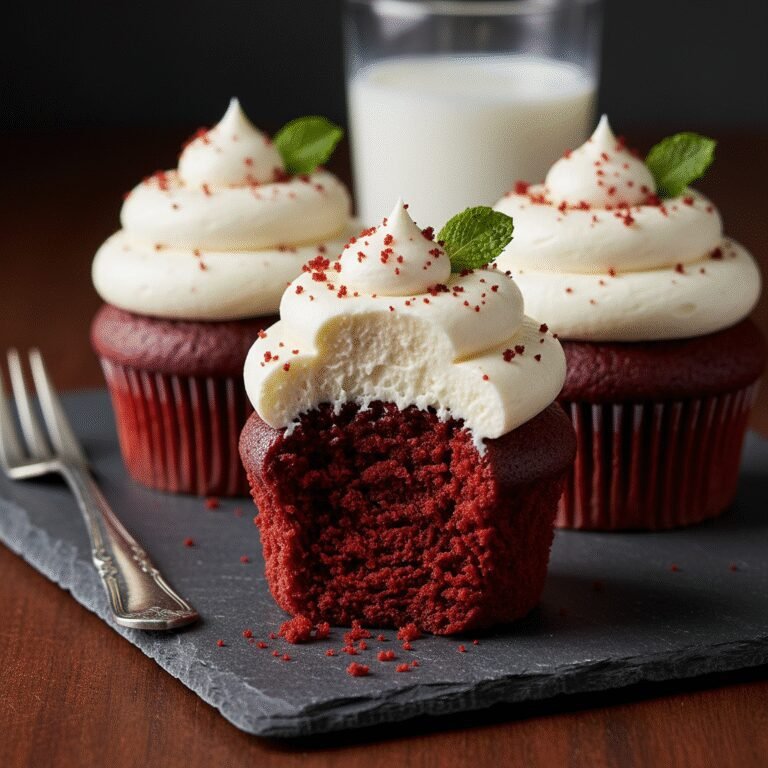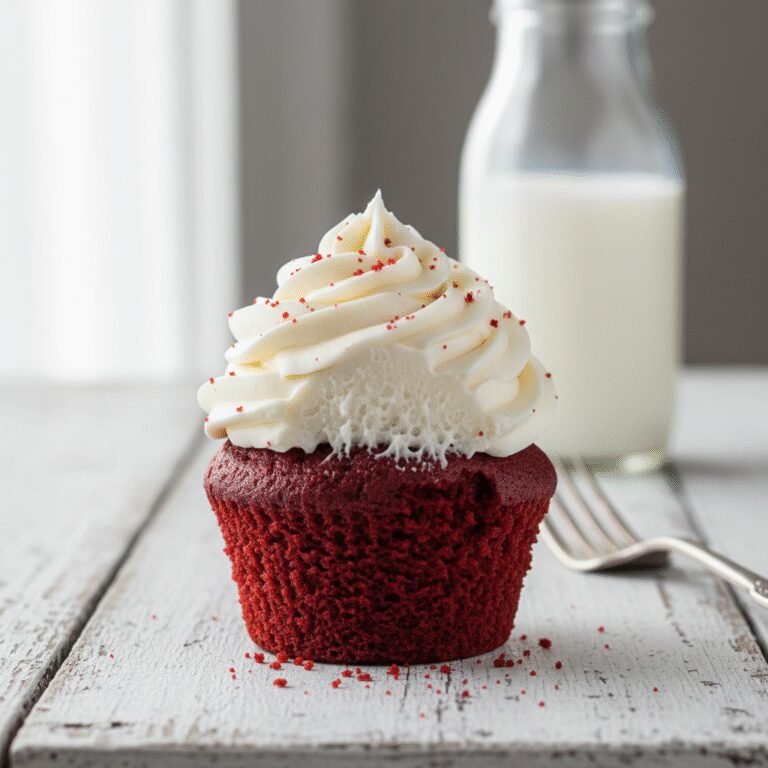
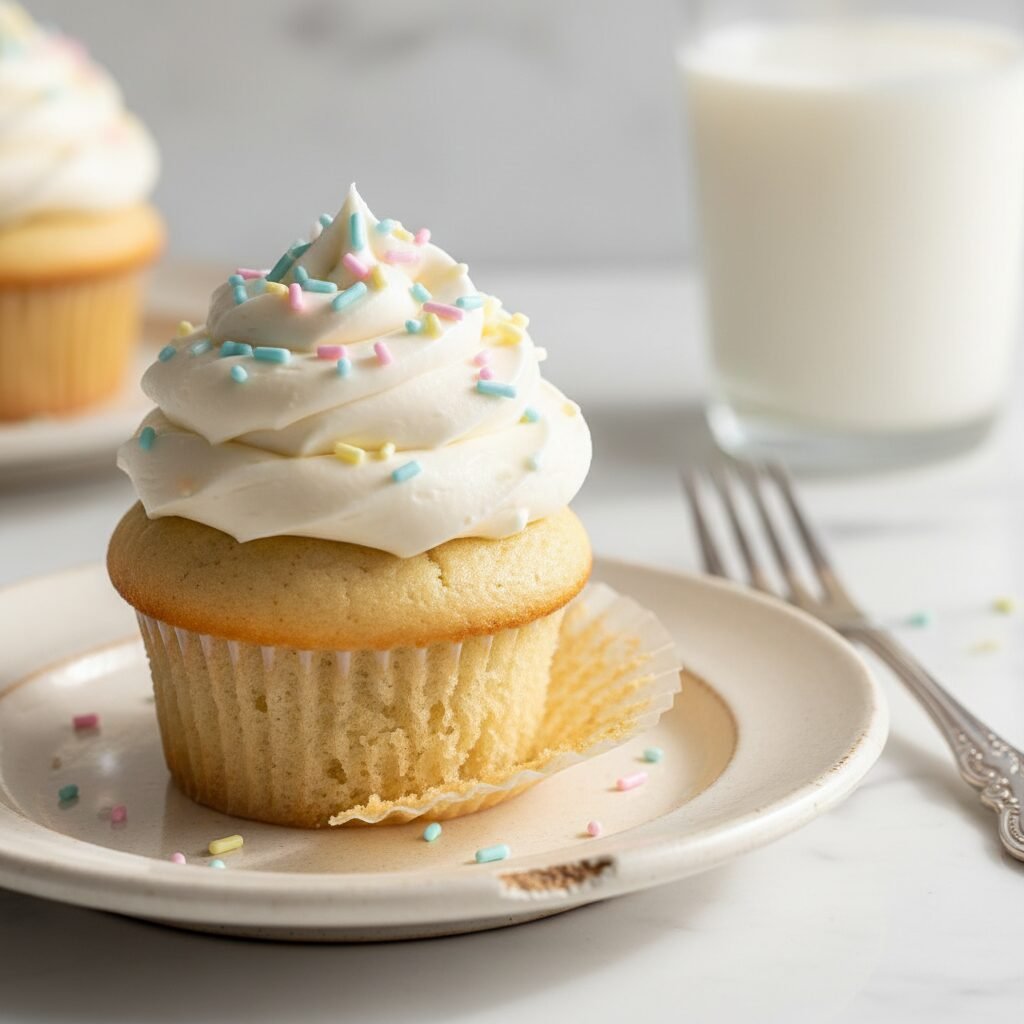
The Ultimate Moist Vanilla Cupcake With Cream Cheese Frosting
Moist Vanilla Cupcake With Cream Cheese Frosting Recipe
Experience the perfect balance of fluffy texture and rich flavor with these moist vanilla cupcakes. Topped with a velvety, tangy cream cheese frosting, they are the ultimate crowd-pleaser for birthdays, holidays, or a simple afternoon treat. This recipe guarantees a tender crumb every single time.
20 minutes
18 minutes
45 minutes
12 cupcakes
Dessert
Baking
American
Vegetarian
For many home bakers, the quest for the perfect vanilla cupcake is a journey fraught with dry crumbs, dense textures, and lackluster flavor. We have all been there: biting into a cupcake that looks beautiful but tastes like sweetened cardboard. That ends today. This recipe for Moist Vanilla Cupcakes with Cream Cheese Frosting is the result of tireless experimentation to find the Holy Grail of baking—a cupcake that is sturdy enough to hold a high swirl of frosting yet delicate enough to melt in your mouth. The secret lies in the careful balance of fats and the inclusion of specific dairy ingredients that lock in moisture without weighing down the batter. Unlike standard recipes that rely solely on butter, which can sometimes lead to a drier texture once cooled, this method utilizes a combination of butter and oil. The butter provides that classic, nostalgic flavor we all crave, while the oil ensures the crumb stays soft for days. Furthermore, the addition of sour cream introduces acidity that tenderizes the gluten strands, resulting in a plush, velvety interior. But a cupcake is only as good as its crown. The cream cheese frosting paired here is not your average sugary topping. It is whipped to a cloud-like consistency, with just enough tang to cut through the sweetness of the vanilla cake. Whether you are a seasoned pro or a novice in the kitchen, this comprehensive guide will walk you through every step to achieve bakery-quality results right in your own kitchen. Get ready to fill your home with the intoxicating aroma of warm vanilla and sweet butter.
History & Origins
The humble cupcake has a history as rich and delightful as the treat itself. The concept of baking small cakes in individual cups dates back to the late 18th century. The first known mention of a ‘cake to be baked in small cups’ appeared in Amelia Simmons’ 1796 cookbook, ‘American Cookery’. This revolutionary idea allowed for faster baking times compared to large hearth cakes, which was a significant advantage in the era of wood-fired ovens. By the early 19th century, the term ‘cupcake’ began to appear, though it sometimes referred to a cake measured in cups (like the 1-2-3-4 cake) rather than the vessel it was baked in. As the 20th century rolled around, the invention of the muffin tin standardized the production of these miniature treats, cementing their place in American culinary culture. They became a staple at children’s birthday parties and school bake sales due to their convenient size and ease of sharing. The pairing of vanilla cake with cream cheese frosting, however, is a more modern evolution. Cream cheese frosting was traditionally associated with carrot cake or red velvet cake in the mid-20th century. It wasn’t until the gourmet cupcake boom of the early 2000s—sparked by iconic bakeries like Magnolia Bakery in New York City—that bakers began experimenting widely with frosting pairings. The tangy, sophisticated profile of cream cheese frosting was found to be the perfect counterpoint to the sweet simplicity of vanilla, elevating the nostalgic treat into something suitable for adult palates and elegant weddings alike.
Why This Recipe Works
This recipe succeeds where others fail because of the science behind the ingredients. First and foremost is the ‘reverse creaming’ method or a modified mixing technique that avoids over-developing the gluten. By coating the flour in fat before adding the liquid, we limit gluten formation, ensuring a tender rather than chewy bite. Secondly, the dual-fat strategy is crucial. Butter is essential for flavor; it contains milk solids that brown and create depth. However, butter is solid at room temperature, which can make cakes firm. Vegetable oil remains liquid at room temperature, which keeps the cupcake feeling moist on the palate. We use both to get the best of both worlds. The addition of sour cream (or full-fat Greek yogurt) provides acidity. This acidity reacts with the baking soda to create carbon dioxide, contributing to the lift, but more importantly, it breaks down protein structures in the flour, tenderizing the crumb. Finally, the cream cheese frosting works because of the ratio of butter to cream cheese. Many recipes use too much sugar, making the frosting gritty and overly sweet. This recipe increases the cream cheese and butter content relative to the sugar and emphasizes whipping time to incorporate air, resulting in a frosting that is stable, silky, and perfectly balanced in sweetness.
Why You’ll Love This Recipe
- ✓Unbeatably moist texture stays soft for days.
- ✓Perfect balance of buttery vanilla flavor and tangy frosting.
- ✓Sturdy enough for piping but melts in your mouth.
- ✓Uses pantry staple ingredients with no complex techniques.
- ✓Versatile base recipe easily adaptable for other flavors.
Equipment You’ll Need
- ✓12-cup muffin tin
- ✓Cupcake liners
- ✓Stand mixer or electric hand mixer
- ✓Large mixing bowl
- ✓Medium mixing bowl
- ✓Whisk
- ✓Rubber spatula
- ✓Wire cooling rack
- ✓Piping bag and star tip (optional)
Ingredients
- ✓1 1/2 cups all-purpose flour
- ✓1 cup granulated sugar
- ✓1 1/2 tsp baking powder
- ✓1/4 tsp baking soda
- ✓1/2 tsp salt
- ✓1/2 cup unsalted butter, room temperature
- ✓1/4 cup vegetable oil
- ✓2 large eggs, room temperature
- ✓1/2 cup sour cream, room temperature
- ✓1/3 cup whole milk, room temperature
- ✓2 tsp pure vanilla extract
- ✓8 oz full-fat cream cheese, chilled (for frosting)
- ✓1/2 cup unsalted butter, slightly softened (for frosting)
- ✓3 cups powdered sugar
- ✓1 tsp vanilla extract (for frosting)
- ✓Pinch of salt (for frosting)
Instructions
- Preheat your oven to 350°F (175°C) and line a 12-cup muffin tin with cupcake liners.
- In a medium bowl, whisk together the flour, baking powder, baking soda, and salt. Set aside.
- In the bowl of a stand mixer fitted with the paddle attachment (or a large bowl with a hand mixer), beat the 1/2 cup butter and granulated sugar on medium-high speed until light and fluffy, about 3 minutes.
- Add the vegetable oil and beat for another minute to fully incorporate.
- Add the eggs one at a time, beating well after each addition and scraping down the sides of the bowl.
- Mix in the sour cream and 2 teaspoons of vanilla extract until combined.
- Reduce mixer speed to low. Add half of the dry ingredients, mixing just until the flour streaks disappear.
- Pour in the milk and mix until combined, then add the remaining dry ingredients. Do not overmix; stop as soon as the batter is uniform.
- Divide the batter evenly among the cupcake liners, filling them about 2/3 full.
- Bake for 16-19 minutes, or until a toothpick inserted into the center comes out clean or with just a few moist crumbs.
- Remove from the oven and let the cupcakes cool in the pan for 5 minutes, then transfer them to a wire rack to cool completely.
- While cupcakes cool, make the frosting. Beat the cream cheese and slightly softened butter together on medium-high speed until smooth and creamy (about 3-4 minutes).
- Reduce speed to low and gradually add the powdered sugar, one cup at a time.
- Add the vanilla extract and a pinch of salt. Increase speed to high and whip for 2-3 minutes until the frosting is fluffy and white.
- Pipe or spread the frosting onto the completely cooled cupcakes and serve.
Expert Cooking Tips
- ✓Ensure all refrigerated ingredients (eggs, butter, milk, sour cream) are at room temperature for a smooth batter.
- ✓Do not overmix the batter once the flour is added, or the cupcakes will become dense.
- ✓Use an oven thermometer to verify your oven temperature; standard ovens often run hot or cold.
- ✓Fill liners only 2/3 full to prevent overflowing and to achieve a nice dome.
- ✓For the frosting, use block cream cheese, not the spreadable tub kind, to ensure stability.
- ✓Sift the powdered sugar before making frosting to avoid lumps.
- ✓Let cupcakes cool completely before frosting, or the frosting will melt and slide off.
Substitutions and Variations
Baking is a science, so substitutions should be made with care, but there are flexible options. If you do not have sour cream, full-fat plain Greek yogurt is an excellent 1:1 substitute that provides the same acidity and moisture. For the milk, whole milk is preferred for richness, but 2% milk or a plant-based alternative like oat milk or soy milk works well too. If you need to make this gluten-free, swap the all-purpose flour for a high-quality 1:1 gluten-free baking flour blend that includes xanthan gum. In terms of the fat, you can replace the vegetable oil with melted coconut oil or canola oil, though coconut oil may impart a slight flavor. For the frosting, if you find cream cheese too tangy, you can substitute half of it with mascarpone cheese for a milder, creamier finish, or simply revert to a standard American buttercream by replacing the cream cheese entirely with more butter and a splash of milk.
Common Mistakes to Avoid
The most common mistake is over-baking the cupcakes. Because they continue to cook slightly in the hot pan after being removed from the oven, you should pull them out when a toothpick has a few moist crumbs, not when it is bone dry. Another error is using cold ingredients. Cold eggs and butter do not emulsify properly, leading to a curdled-looking batter and an uneven bake. Regarding the frosting, a frequent issue is using cream cheese that is too warm or ‘tub’ style cream cheese. This results in a runny, soupy mess that won’t hold its shape. Always use block cream cheese and ensure it is cool (not ice cold, but definitely not warm) when mixing. Lastly, measuring flour by scooping the cup into the bag packs the flour down, leading to dry cupcakes. Always spoon the flour into the measuring cup and level it off with a knife.
Serving Suggestions
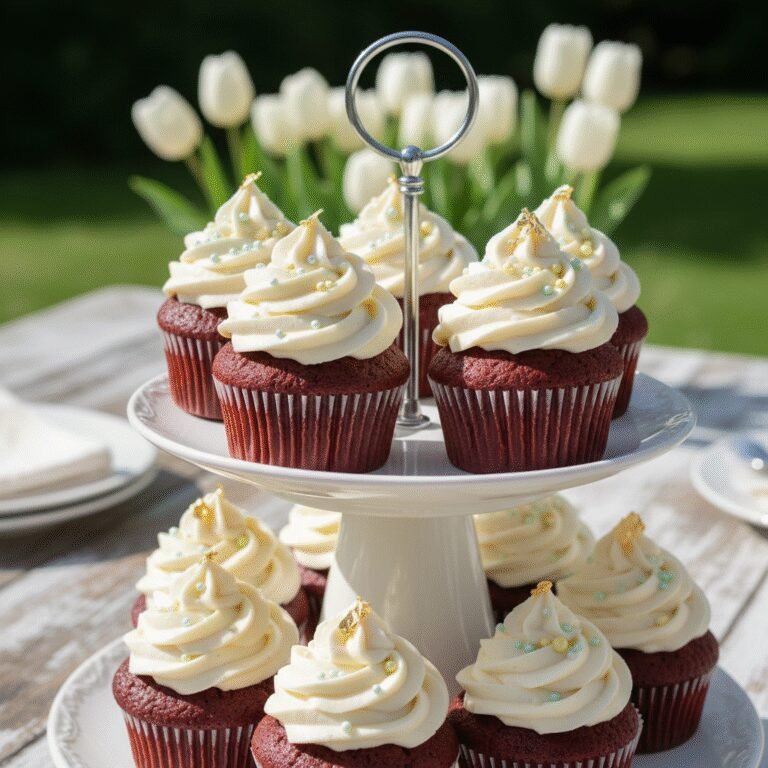
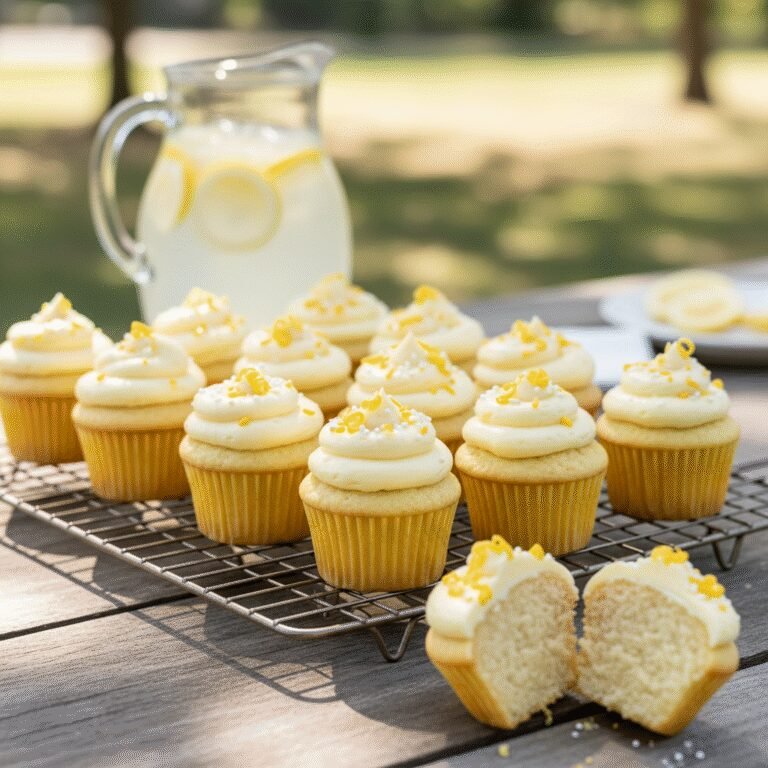
These cupcakes are elegant enough to be served on a tiered cake stand for a party or simply on a rustic wooden board for a casual gathering. For a pop of color, garnish the white frosting with fresh berries, such as a single raspberry or a slice of strawberry. Edible flowers like pansies or violets make for a stunning spring presentation. If serving for a birthday, classic rainbow sprinkles are a must. For a more sophisticated touch, drizzle a little salted caramel sauce or lemon curd over the frosting just before serving. These pair beautifully with a hot cup of Earl Grey tea, cold milk, or a glass of prosecco.
Storage and Reheating Tips
Because of the cream cheese frosting, these cupcakes should be stored in the refrigerator if you are keeping them for more than a few hours, especially in warm weather. Store them in an airtight container to prevent the cake from drying out; they will keep for up to 4 days. However, cold cake can taste dry, so it is crucial to let the cupcakes sit at room temperature for 30-60 minutes before serving to allow the butter in the cake and frosting to soften. Unfrosted cupcakes can be frozen for up to 3 months. Wrap them individually in plastic wrap and place them in a freezer bag. Thaw at room temperature before frosting.
Nutrition Facts (Estimated)
| Serving Size | 1 cupcake |
| Calories | 380 |
| Fat | 20g |
| Saturated Fat | 10g |
| Unsaturated Fat | 8g |
| Trans Fat | 0g |
| Cholesterol | 55mg |
| Sodium | 190mg |
| Carbohydrates | 48g |
| Fiber | 0.5g |
| Sugar | 28g |
| Protein | 3g |
Frequently Asked Questions
Can I make the batter ahead of time?
It is best to bake the batter immediately after mixing because the baking powder and baking soda begin reacting as soon as they get wet. If you wait too long, the cupcakes won’t rise as well.
Why did my cupcake liners peel away from the cake?
This usually happens due to excess moisture trapped in the liner. Remove the cupcakes from the muffin tin promptly after 5 minutes of cooling to let steam escape.
Can I double this recipe?
Yes, this recipe doubles very well. Just ensure your mixing bowl is large enough and rotate your pans in the oven if baking on multiple racks.
Why is my frosting runny?
Runny frosting is usually caused by over-beating, using low-fat cream cheese, or the kitchen being too warm. Try refrigerating the frosting for 20 minutes to firm it up.
Can I use salted butter?
Yes, you can use salted butter. Just omit the additional salt called for in the recipe to avoid an overly salty taste.
How do I get a high dome on my cupcakes?
Starting with a hot oven (350°F) and not opening the door during baking helps. Also, the acidity in the batter helps create a strong rise.
Can I add mix-ins like chocolate chips?
Absolutely! Toss about 1/2 cup of chocolate chips or blueberries in a teaspoon of flour (to prevent sinking) and fold them into the batter at the very end.
Is this recipe suitable for wedding cakes?
Yes, the texture is sturdy enough for stacking if you bake it in cake pans. You will need to adjust baking times for larger pans (approx. 25-30 mins for 8-inch pans).
Conclusion
There is something profoundly comforting about a homemade vanilla cupcake. It is a simple pleasure that brings out the inner child in everyone. This Moist Vanilla Cupcake with Cream Cheese Frosting recipe is designed to be your forever go-to—reliable, delicious, and impressive every time. Whether you are baking for a special occasion or just need a sweet pick-me-up, these cupcakes deliver on every front. The tender crumb, the rich vanilla aroma, and the tangy-sweet frosting create a harmony of flavors that store-bought versions simply cannot match. So, preheat your oven, gather your ingredients, and prepare to bake the best cupcakes of your life. Happy baking!