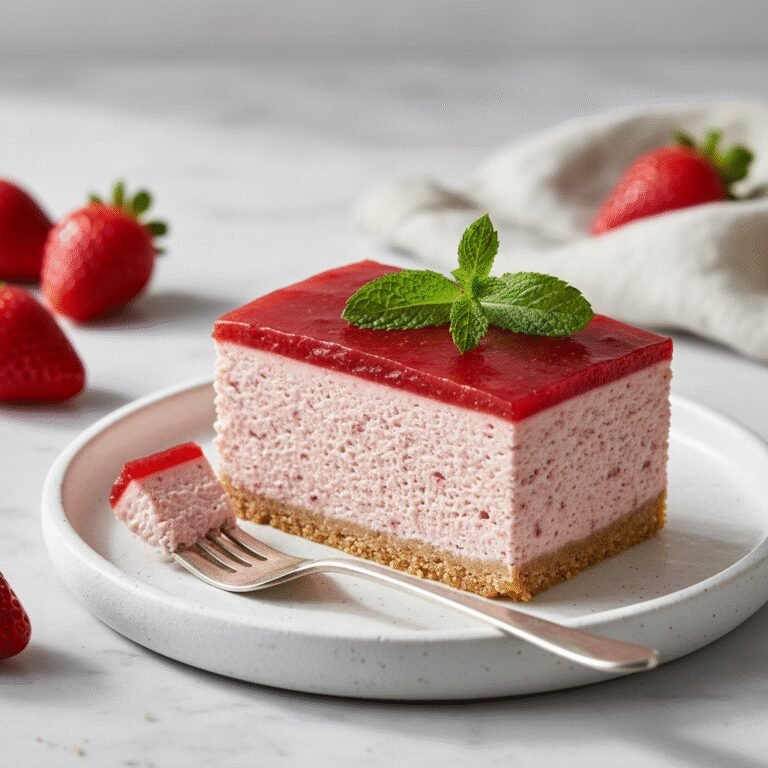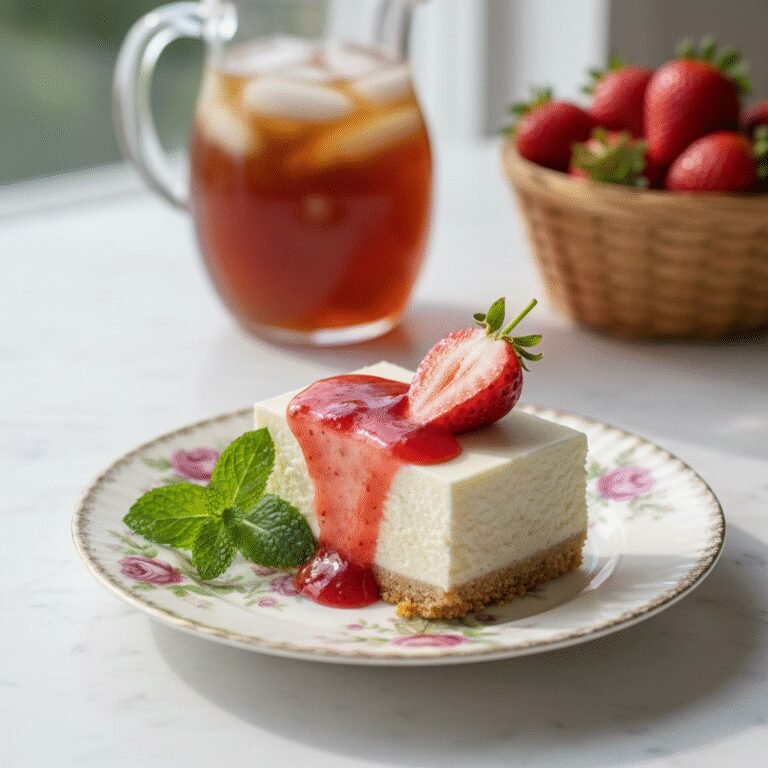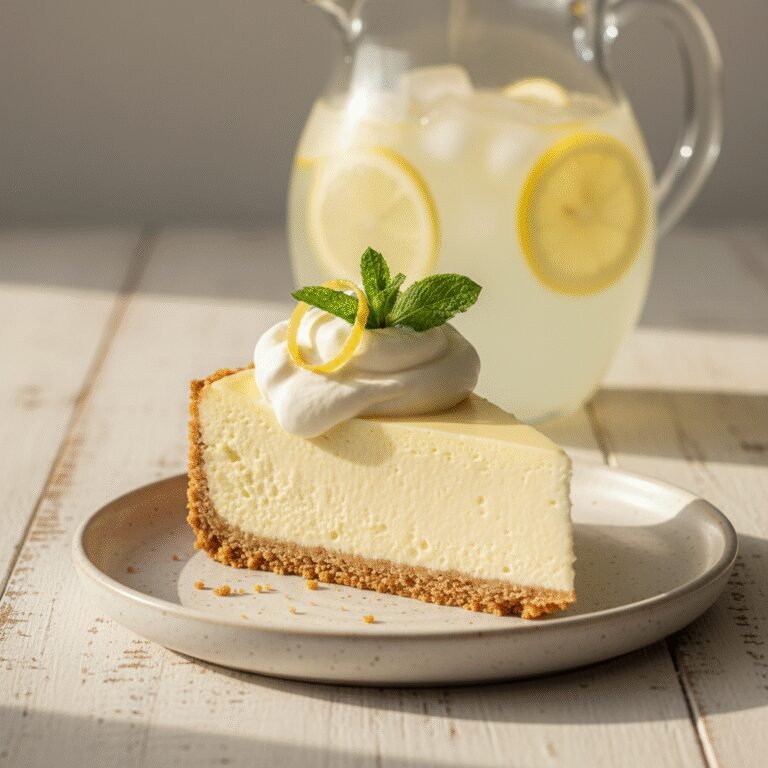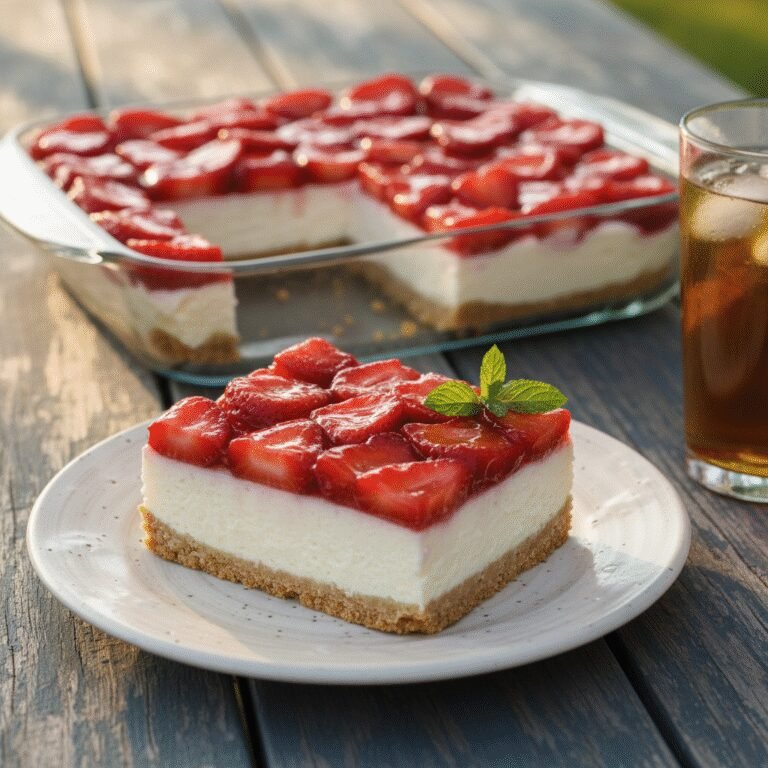
Easy No Bake Lemon Cheesecake In 9×13 Pan: The Ultimate Summer Dessert
Easy No Bake Lemon Cheesecake In 9×13 Pan Recipe
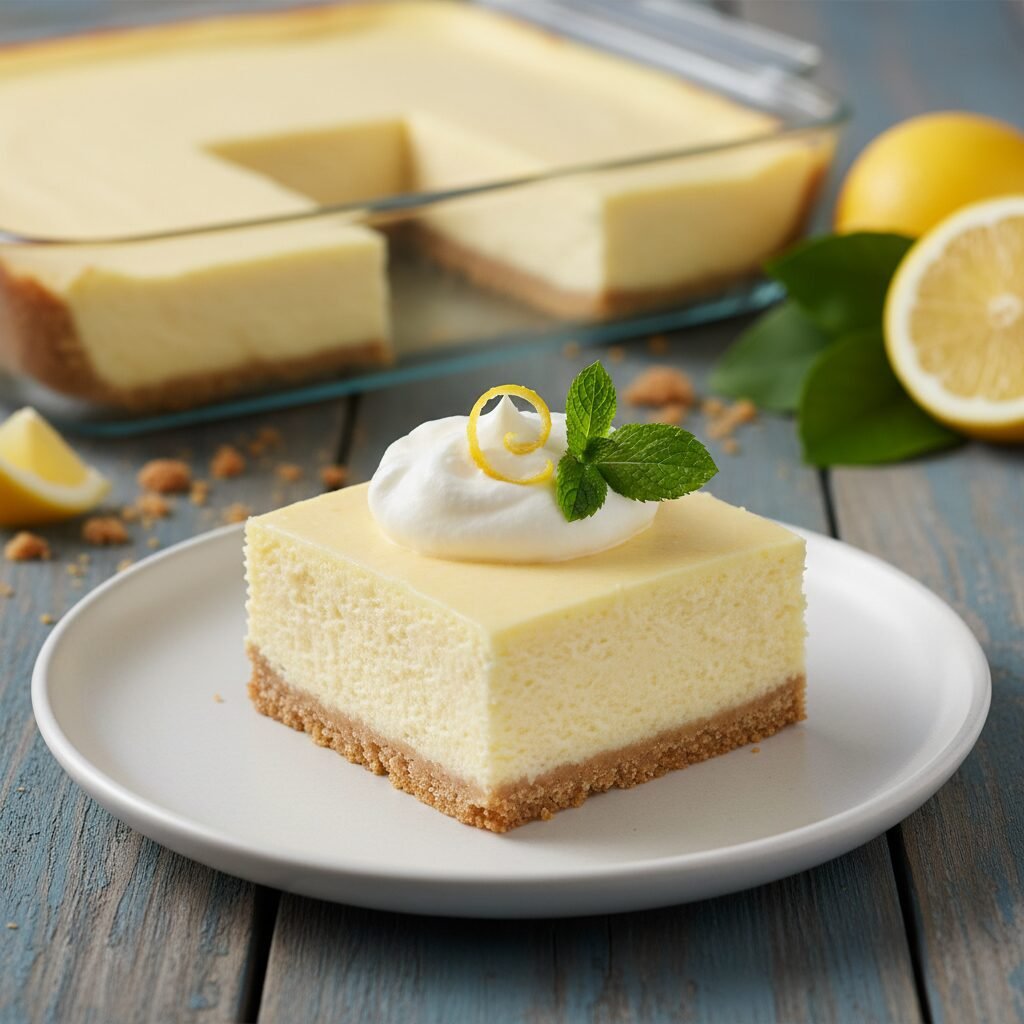
This Easy No Bake Lemon Cheesecake is a creamy, tart, and refreshing dessert that comes together in minutes without turning on the oven. Perfectly portioned in a 9×13 pan, it features a buttery graham cracker crust and a velvety lemon filling that is guaranteed to be the star of your next potluck or family gathering.
20 minutes
0 minutes
4 hours 20 minutes (includes chilling)
15-18 servings
Dessert
No-Bake / Chilling
American
Vegetarian
When the temperatures start to rise and the sun lingers a little longer in the evening sky, the last thing anyone wants to do is turn on a hot oven. Yet, the craving for a decadent, crowd-pleasing dessert never truly fades. Enter the Easy No Bake Lemon Cheesecake in a 9×13 pan—a dessert that perfectly bridges the gap between effortless preparation and gourmet flavor. This recipe is a celebration of bright, sunny citrus notes balanced against the rich, tangy creaminess of cream cheese, all resting on a classic, buttery graham cracker foundation. Unlike traditional cheesecakes that require water baths, precise baking times, and the constant fear of surface cracks, this no-bake version relies on the magic of kitchen chemistry and refrigeration to achieve its luscious texture.
Imagine a dessert that is light as air yet satisfyingly rich, where every bite delivers a zesty punch of fresh lemon followed by the smooth, sweet embrace of sweetened condensed milk and whipped cream. It is the kind of treat that cleanses the palate after a heavy barbecue meal and brings a smile to faces both young and old. The beauty of using a 9×13 pan cannot be overstated; it transforms a typically high-maintenance dessert into a practical, shareable sheet cake format that yields generous squares for a crowd. Whether you are hosting a Fourth of July backyard bash, a bridal shower, or simply need a sweet treat to keep in the fridge for late-night snacking, this lemon cheesecake is your answer. It captures the essence of summer in every slice—cool, creamy, and unapologetically zestful.
History & Origins
The history of cheesecake is a culinary journey that spans millennia, long before the invention of the modern refrigerator or the 9×13 baking pan. The earliest roots of cheesecake can be traced back to ancient Greece, specifically the island of Samos, where anthropologists have excavated cheese molds dating back to 2,000 B.C. These early versions were considered a potent source of energy and were even served to athletes during the first Olympic Games in 776 B.C. The Romans later adopted the recipe, spreading it across Europe as they expanded their empire, though their versions were often savory and sweetened with honey rather than sugar.
The modern cheesecake we know and love in the United States, however, owes its existence to a happy accident in 1872. A New York dairy farmer named William Lawrence was attempting to replicate the French cheese Neufchâtel. Instead, he added too much cream and created a richer, spreadable cheese that would eventually be branded as “Philadelphia Cream Cheese.” This invention revolutionized the dessert, leading to the dense, baked New York-style cheesecake.
The “no-bake” evolution gained significant traction in the mid-20th century, particularly during the post-war era when convenience cooking became fashionable. With the widespread availability of electric refrigerators and the marketing of products like sweetened condensed milk and gelatin, homemakers embraced “icebox cakes.” These desserts required no heat and could be prepared in advance, making them a staple of 1950s and 60s entertaining. The lemon variation became particularly popular as a palate cleanser, with the acidity of the fruit naturally thickening the filling without the need for eggs or flour. Today, the no-bake lemon cheesecake represents the perfect marriage of ancient tradition and modern convenience.
Why This Recipe Works
The success of this Easy No Bake Lemon Cheesecake lies in the specific interaction between the ingredients, creating a texture that is firm enough to slice yet melt-in-your-mouth creamy. Unlike baked cheesecakes which rely on eggs and heat for coagulation, this recipe utilizes the reaction between the acid in the lemon juice and the proteins in the sweetened condensed milk and cream cheese. When fresh lemon juice is introduced to the mixture, the acid causes the casein proteins to thicken, naturally setting the filling without the rubbery texture that gelatin can sometimes impart. This chemical thickening is supported by the fat content in the heavy cream and cream cheese, which solidifies when chilled, providing structural integrity.
Furthermore, the 9×13 pan format is superior for a no-bake recipe because it increases the surface area of the crust relative to the filling. This ensures that every bite has the perfect ratio of crunchy, salty-sweet graham cracker to smooth, tart filling. A thicker springform cheesecake can sometimes become too heavy or rich without the lightening effect of baking, but spreading the mixture into a rectangular pan keeps the dessert light and manageable. Additionally, using room-temperature cream cheese is crucial; it ensures that the sugar and lemon juice emulsify completely, preventing lumps and creating a silky, professional-quality mouthfeel. The addition of lemon zest adds essential aromatic oils that lemon juice alone cannot provide, giving the dessert a multi-dimensional citrus profile.
Why You’ll Love This Recipe
- ✓Requires absolutely no baking, keeping your kitchen cool.
- ✓Perfect 9×13 size yields enough to serve a large crowd.
- ✓Bright, zesty lemon flavor balances the rich cream cheese.
- ✓Can be made up to 2 days in advance for stress-free hosting.
- ✓Uses simple, accessible pantry staples.
- ✓Texture is mousse-like and velvety, never heavy.
Equipment You’ll Need
- ✓9×13 inch baking dish
- ✓Large mixing bowl
- ✓Electric hand mixer or stand mixer
- ✓Rubber spatula
- ✓Measuring cups and spoons
- ✓Zester or microplane
- ✓Food processor (for crumbs) or zip-top bag and rolling pin
Ingredients
- ✓3 cups graham cracker crumbs (approx. 2 sleeves)
- ✓3/4 cup unsalted butter, melted
- ✓1/2 cup granulated sugar (for crust)
- ✓24 oz (3 blocks) full-fat cream cheese, softened to room temperature
- ✓1 can (14 oz) sweetened condensed milk
- ✓1/2 cup fresh lemon juice (about 2-3 lemons)
- ✓1 tablespoon lemon zest
- ✓1 teaspoon pure vanilla extract
- ✓1 cup heavy whipping cream, cold
- ✓1/4 cup powdered sugar (for whipped cream)
Instructions
- Prepare the crust: In a medium bowl, combine the graham cracker crumbs, melted butter, and 1/2 cup granulated sugar. Stir until the mixture resembles wet sand.
- Press the mixture firmly and evenly into the bottom of a 9×13 inch pan. You can use the bottom of a measuring cup to pack it down tight. Place the pan in the freezer while you prepare the filling to help it set.
- In a large mixing bowl using a hand mixer (or stand mixer with paddle attachment), beat the softened cream cheese on medium speed until completely smooth and creamy, about 2-3 minutes. Scrape down the sides of the bowl.
- Slowly pour in the sweetened condensed milk while beating on low speed. Once incorporated, increase speed to medium and beat until combined.
- Add the fresh lemon juice, lemon zest, and vanilla extract. Beat until fully incorporated and the mixture begins to thicken slightly due to the acidity.
- In a separate cold bowl, whip the cold heavy cream and powdered sugar until stiff peaks form.
- Gently fold the whipped cream into the lemon cream cheese mixture using a rubber spatula. Be careful not to deflate the air; fold just until no white streaks remain.
- Remove the crust from the freezer. Pour the filling over the crust and spread it into an even layer using an offset spatula or the back of a spoon.
- Cover the pan tightly with plastic wrap and refrigerate for at least 4 hours, preferably overnight, to allow the cheesecake to set completely.
- Once set, slice into squares. Garnish with extra lemon zest, whipped cream, or fresh berries before serving.
Expert Cooking Tips
- ✓Ensure your cream cheese is truly at room temperature to avoid a lumpy filling.
- ✓Use fresh lemon juice, not bottled, for the brightest and most authentic flavor.
- ✓Chill the bowl and beaters before whipping the heavy cream to get volume faster.
- ✓Press the crust down very firmly; a loose crust will crumble when you try to serve slices.
- ✓Do not rush the chilling time; the cheesecake needs the cold to firm up for clean slicing.
- ✓Zest the lemons before you juice them—it is much harder to zest a squeezed lemon.
- ✓Wipe your knife with a warm, damp cloth between cuts for perfect, bakery-style squares.
Substitutions and Variations
This recipe is quite versatile regarding ingredient swaps. For the crust, you can substitute graham crackers with Golden Oreos, Nilla Wafers, or even ginger snaps for a spicy kick. If you need a gluten-free version, simply use gluten-free graham cracker crumbs; the filling is naturally gluten-free. For a lighter version, you can use Neufchâtel cheese (1/3 less fat) instead of full-fat cream cheese, though the set may be slightly softer. If sweetened condensed milk isn’t available, you cannot simply swap it for evaporated milk; however, a mixture of heavy cream and sugar can sometimes work in a pinch, though the texture will change. For the citrus element, this recipe works beautifully with lime juice (for a key lime pie vibe) or a mix of orange and lemon for a ‘citrus swirl’ flavor.
Common Mistakes to Avoid
The most common mistake is using cold cream cheese. If the cream cheese is cold, it will not blend smoothly with the condensed milk, leaving you with tiny white lumps in your filling that no amount of beating will remove. Another error is under-beating the heavy cream; it needs to reach stiff peaks to provide the necessary structure to hold up the cheesecake. Conversely, over-beating the final mixture after adding the whipped cream can deflate the air bubbles, resulting in a dense rather than fluffy texture. Finally, relying on bottled lemon juice is a flavor killer; it lacks the floral notes of fresh citrus and can impart a metallic or artificial aftertaste.
Serving Suggestions
This lemon cheesecake is stunning on its own, but garnishes can elevate it to show-stopper status. Serve each square with a dollop of freshly whipped cream and a twist of lemon peel. Fresh berries, particularly raspberries, blueberries, or sliced strawberries, provide a beautiful color contrast and a tartness that cuts through the creamy sweetness. For a refreshing herbal note, add a sprig of fresh mint to each plate. If you want to get fancy, a drizzle of raspberry coulis or a sprinkle of white chocolate shavings adds a lovely finishing touch. Serve chilled, straight from the fridge, as it softens quickly at room temperature.
Storage and Reheating Tips
This cheesecake should always be stored in the refrigerator. Cover the 9×13 pan tightly with plastic wrap or a fitted lid. It will stay fresh for up to 5 days. Do not leave it out at room temperature for more than an hour, as the dairy ingredients can spoil and the texture will become too soft. This dessert also freezes exceptionally well. To freeze, let it set completely in the fridge first. Then, wrap the entire pan (or individual slices) in a layer of plastic wrap followed by a layer of aluminum foil. It can be frozen for up to 3 months. Thaw overnight in the refrigerator before serving.
Nutrition Facts (Estimated)
| Serving Size | 1 square |
| Calories | 340 |
| Fat | 24g |
| Saturated Fat | 14g |
| Unsaturated Fat | 8g |
| Trans Fat | 0g |
| Cholesterol | 70mg |
| Sodium | 180mg |
| Carbohydrates | 28g |
| Fiber | 0.5g |
| Sugar | 22g |
| Protein | 4g |
Frequently Asked Questions
Can I use low-fat cream cheese?
Yes, you can use low-fat cream cheese or Neufchâtel cheese. However, full-fat cream cheese provides the best stability and richest mouthfeel. Fat-free cream cheese is not recommended as it contains stabilizers that may affect the set.
Why didn’t my cheesecake set?
The most likely reasons are that the chilling time was too short, or the heavy cream wasn’t whipped to stiff peaks before folding. The acid in the lemon juice helps thicken it, but the cold temperature is essential for the fats to solidify.
Can I make this in a round springform pan?
Absolutely. This quantity of filling fits well in a 9-inch or 10-inch springform pan. The slices will be thicker, so you may want to chill it for an extra hour or two to ensure the center is firm.
Do I need to use gelatin?
No, this specific recipe relies on the reaction between lemon acid and condensed milk, plus the structure of whipped cream and cream cheese, to set. No gelatin is required.
Can I use store-bought whipped topping instead of heavy cream?
Yes, you can substitute the 1 cup of heavy cream and powdered sugar with about 3 cups of thawed Cool Whip. The texture will be slightly sweeter and fluffier, but less rich.
How do I get clean slices?
Use a sharp chef’s knife. Run the blade under hot water, wipe it dry, make a cut, and wipe the blade clean. Repeat for every single cut. This prevents the crumbs and filling from smearing.
Is the raw flour in the crust safe?
Graham crackers are already baked, so there is no raw flour or raw egg in the crust. It is completely safe to eat without baking.
Can I add fruit inside the filling?
It is best to avoid adding fresh fruit directly into the filling as it releases water and can make the cheesecake runny. It is better to serve fruit on top or swirl in a cooked, thick fruit reduction.
Can I make this vegan?
You would need to use vegan cream cheese, vegan butter, coconut condensed milk, and a plant-based whipping cream. The setting properties might vary, so a recipe specifically designed for vegan ingredients is usually safer.
What if I don’t have a food processor for the crumbs?
Simply place the graham crackers in a large zip-top bag, seal it with as little air as possible, and crush them with a rolling pin or a heavy pot until they are fine crumbs.
Conclusion
The Easy No Bake Lemon Cheesecake in a 9×13 pan is the ultimate testament to the fact that delicious food doesn’t have to be complicated. It strips away the stress of water baths and oven timers, leaving you with pure, unadulterated enjoyment. The creamy, zesty layers atop the crunchy crust create a symphony of textures and flavors that feel sophisticated yet comforting. Whether you are a seasoned baker looking for a quick fix or a novice in the kitchen wanting to impress, this recipe is a foolproof addition to your repertoire. So grab those lemons, clear a spot in your fridge, and get ready to enjoy the most refreshing slice of summer you’ve ever tasted.