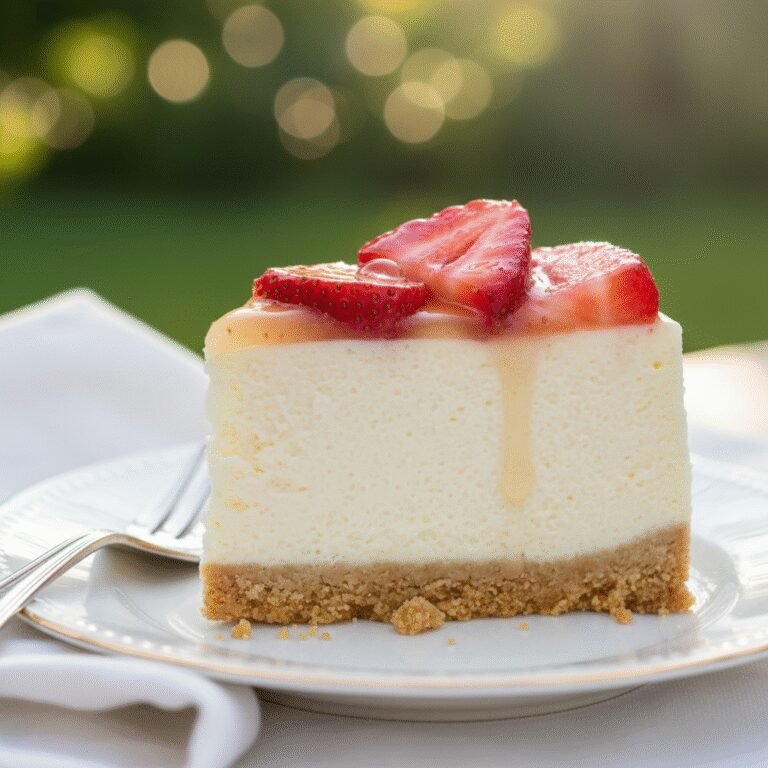
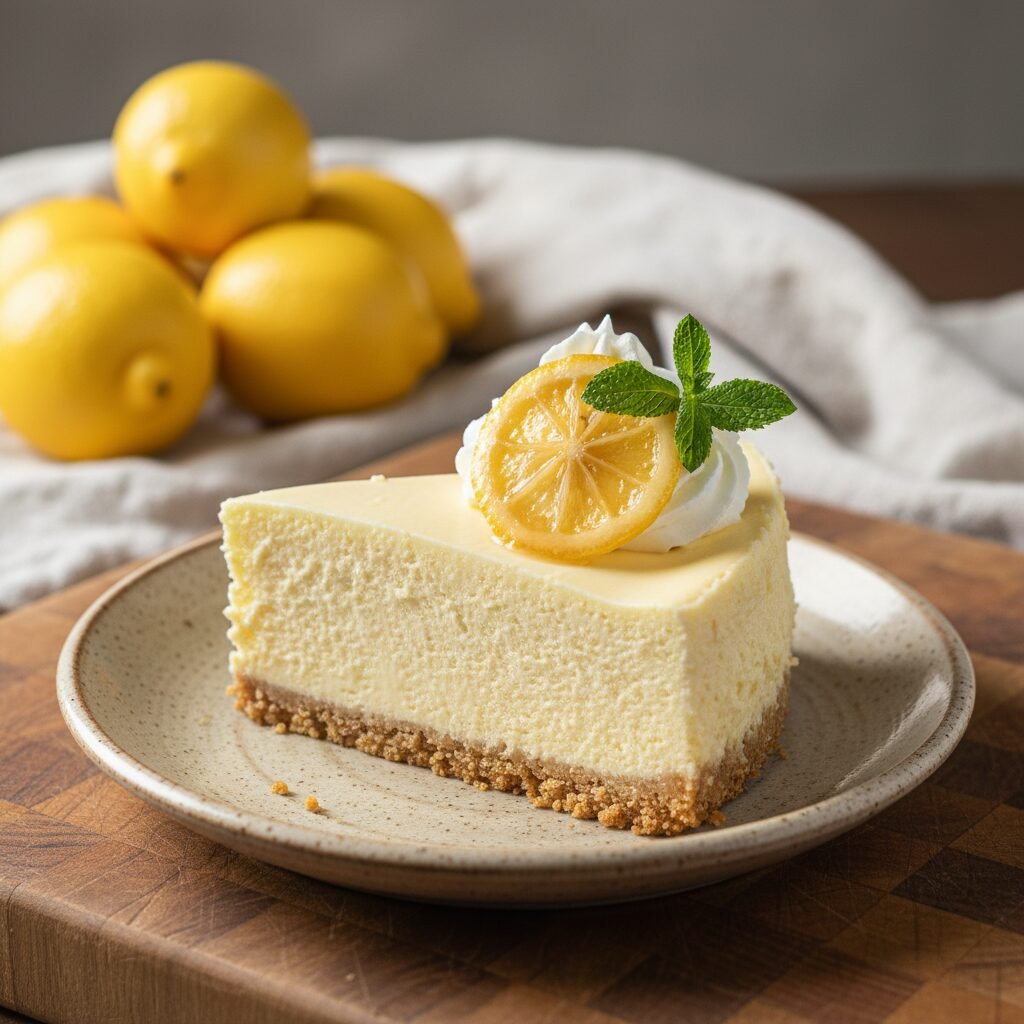
The Ultimate Easy No-Bake Lemon Cheesecake
Easy No Bake Lemon Cheesecake Recipe
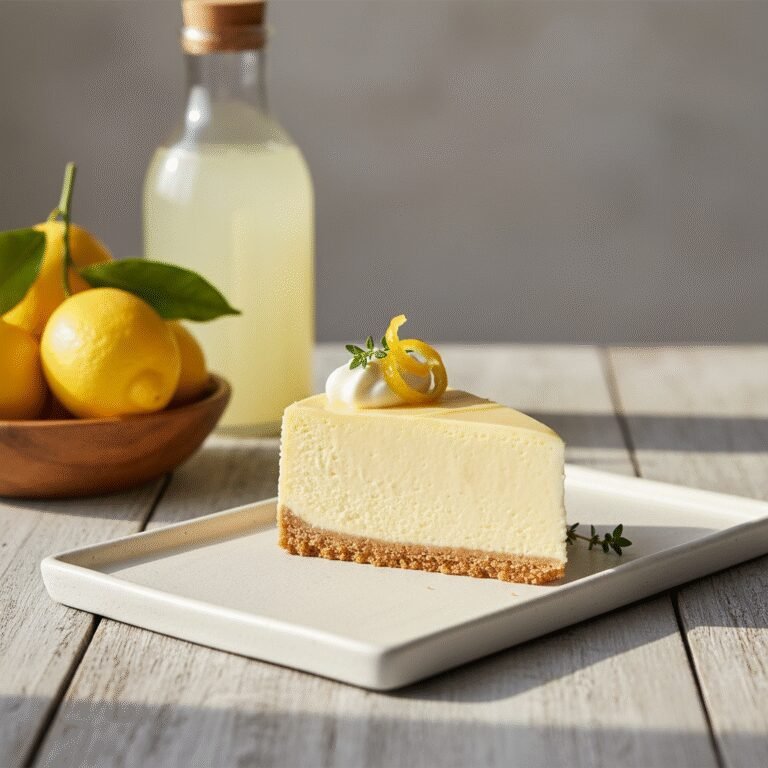
Bright, zesty, and impossibly creamy, this Easy No-Bake Lemon Cheesecake is the quintessential summer dessert. Featuring a buttery graham cracker crust and a silky, tart filling that sets perfectly in the fridge, this recipe delivers gourmet results with zero oven time.
20 minutes
0 minutes
6 hours 20 minutes (includes chilling)
12 servings
Dessert
No-Bake / Refrigeration
American
Vegetarian
There is something undeniably magical about a dessert that captures the essence of sunshine on a plate, and this Easy No-Bake Lemon Cheesecake does exactly that. As the warmer months roll in, the last thing anyone wants to do is turn on a hot oven, yet the craving for something indulgent and sweet never truly fades. This recipe bridges that gap perfectly, offering a decadent, restaurant-quality dessert that comes together entirely in the refrigerator. The texture is the star of the show here: unlike traditional baked cheesecakes, which can be dense and heavy, this no-bake version is light, airy, and cloud-like, melting on the tongue with a burst of citrusy freshness.
The flavor profile is a delicate balancing act. We aim for that sweet spot where the tangy brightness of fresh lemon juice cuts through the rich, velvety cream cheese, ensuring that every bite is refreshing rather than cloying. It is the kind of dessert that cleanses the palate after a heavy barbecue meal or shines as the centerpiece at a bridal shower or garden party. Because it requires several hours to set, it is the ultimate make-ahead candidate, freeing you up to enjoy your guests rather than fussing in the kitchen at the last minute. Whether you are a seasoned baker looking for a reliable classic or a novice wanting to impress without the risk of a water bath or cracked tops, this lemon cheesecake is your new secret weapon. It screams ‘effortless elegance’ and is guaranteed to have everyone asking for the recipe.
History & Origins
The history of cheesecake is a journey that spans millennia, originating far earlier than the New York delis of the 20th century. The earliest known cheesecakes date back to Ancient Greece, specifically on the island of Samos around 2,000 B.C. Physical anthropologists have excavated cheese molds from this period, and historical records indicate that a form of cheesecake was served to athletes during the first Olympic Games in 776 B.C. to provide them with energy. These early iterations were simple mixtures of flour, wheat, honey, and cheese, pounded together and baked on an earthenware griddle.
When the Romans conquered Greece, they adopted the recipe, modifying it with crushed cheese and eggs, and called it ‘libum’ or ‘savillum.’ As the Roman Empire expanded, the recipe traveled across Europe, evolving with local ingredients. However, the modern cheesecake as we know it—specifically the creamy, smooth variety—hinges on a crucial American invention: cream cheese. In 1872, a New York dairyman named William Lawrence accidentally invented cream cheese while attempting to replicate French Neufchâtel. This denser, richer cheese became the cornerstone of American cheesecake.
The ‘No-Bake’ evolution is a more recent mid-20th-century phenomenon, popularized alongside the widespread availability of household refrigeration and convenience products like sweetened condensed milk and gelatin. As home cooks sought quicker, easier ways to provide dessert without the labor-intensive water baths required for baked custards, the ‘icebox cake’ method was adapted for cheesecake. By relying on the chemical reaction between citrus acid and cream proteins, or the setting power of gelatin, the no-bake cheesecake cemented its place in the culinary canon as a distinct and beloved category separate from its baked cousin.
Why This Recipe Works
This recipe succeeds because it leverages food chemistry to create a stable structure without the need for eggs, flour, or heat. The primary mechanism at work here is the interaction between the acid in the fresh lemon juice and the proteins in the sweetened condensed milk and cream cheese. When the acid is introduced to the dairy mixture, it causes the casein proteins to coagulate and thicken effectively, ‘cooking’ the mixture without heat. This is similar to the process used in making key lime pie.
Furthermore, the use of full-fat block cream cheese at room temperature is non-negotiable. The fat content provides the necessary structure when chilled, ensuring the slice holds its shape. By beating the cream cheese until it is completely smooth before adding liquids, we emulsify the fats and prevent lumps, resulting in that luxurious, velvety mouthfeel. Sweetened condensed milk acts as both the sweetener and a thickening agent; its low water content prevents the formation of ice crystals, ensuring the texture remains smooth rather than grainy. Finally, the chilling time allows the fat molecules to recrystallize and firm up, turning a soft batter into a sliceable, sturdy dessert that maintains its integrity even when left out on a plate for a short period.
Why You’ll Love This Recipe
- ✓Requires absolutely zero baking or oven use.
- ✓Perfect balance of tart lemon and sweet cream.
- ✓Silky, mousse-like texture that is lighter than baked cheesecake.
- ✓Can be made up to 2 days in advance.
- ✓Foolproof recipe with no risk of cracking or sinking.
- ✓Uses simple, accessible pantry staples.
Equipment You’ll Need
- ✓9-inch Springform Pan
- ✓Electric Hand Mixer or Stand Mixer
- ✓Large Mixing Bowl
- ✓Medium Mixing Bowl
- ✓Rubber Spatula
- ✓Measuring Cups and Spoons
- ✓Zester or Microplane
- ✓Citrus Juicer
Ingredients
- ✓2 cups Graham Cracker Crumbs (approx. 14-15 full sheets)
- ✓1/2 cup Unsalted Butter, melted
- ✓1/4 cup Granulated Sugar (for crust)
- ✓24 oz (3 blocks) Full-Fat Cream Cheese, softened to room temperature
- ✓1 can (14 oz) Sweetened Condensed Milk
- ✓1/2 cup Fresh Lemon Juice (about 2-3 large lemons)
- ✓1 tablespoon Lemon Zest (freshly grated)
- ✓1 teaspoon Pure Vanilla Extract
- ✓1 cup Heavy Whipping Cream, cold (optional, for lighter texture)
- ✓Garnish: Fresh lemon slices, mint leaves, or whipped cream
Instructions
- Prepare the Crust: In a medium bowl, combine the graham cracker crumbs and 1/4 cup granulated sugar. Pour the melted butter over the mixture and stir until it resembles wet sand and clumps together when pressed.
- Form the Base: Pour the crumb mixture into a 9-inch springform pan. Use the bottom of a measuring cup or a glass to press the crumbs firmly and evenly into the bottom and slightly up the sides of the pan. Place the pan in the freezer for 10-15 minutes to set while you make the filling.
- Beat the Cheese: In a large mixing bowl using a hand mixer or stand mixer fitted with the paddle attachment, beat the softened cream cheese on medium-high speed for 3-4 minutes. It is crucial to beat until completely smooth and creamy, scraping down the sides of the bowl as needed.
- Add Sweetness: Reduce the mixer speed to medium-low and slowly pour in the sweetened condensed milk. Beat until fully combined and smooth.
- Add Flavor: Add the fresh lemon juice, lemon zest, and vanilla extract. Mix on medium speed until the mixture thickens slightly and is well incorporated. The acid from the lemon will start to thicken the mixture immediately.
- Whip the Cream (Optional Step): If you prefer an airier cheesecake, whip the cold heavy cream in a separate cold bowl until stiff peaks form. Gently fold this whipped cream into the lemon cheese mixture using a rubber spatula until no white streaks remain. If you prefer a denser, classic texture, skip this step.
- Assemble: Pour the filling over the prepared chilled crust. Use an offset spatula to smooth the top evenly.
- Chill: Cover the pan loosely with plastic wrap or aluminum foil. Refrigerate for a minimum of 6 hours, preferably overnight. This time is essential for the cheesecake to firm up properly for slicing.
- Serve: When ready to serve, run a thin knife or icing spatula around the inside edge of the rim to loosen the cheesecake. Release the springform latch and remove the ring. Garnish with fresh lemon slices, whipped cream, or mint before slicing.
Expert Cooking Tips
- ✓Room Temperature Ingredients: The cream cheese MUST be completely soft at room temperature before mixing to avoid a lumpy texture.
- ✓Fresh Juice Only: Do not use bottled lemon juice. The flavor difference is significant, and the acidity levels in bottled juice can vary, affecting the set.
- ✓Press Firmly: When making the crust, press down very firmly. A loose crust will crumble when you try to serve a slice.
- ✓Chill Time is Key: Do not rush the chilling process. 6 hours is the minimum; overnight is best for the cleanest slices.
- ✓Zest First: Always zest your lemons before juicing them; it is much harder to zest a squashed lemon.
- ✓Clean Slices: To get perfect bakery-style slices, dip your knife in hot water and wipe it dry between every single cut.
Substitutions and Variations
This recipe is quite versatile regarding dietary needs and pantry availability. For the crust, if you don’t have graham crackers, you can use digestive biscuits, vanilla wafers, or even crushed pretzels for a salty-sweet twist. For a Gluten-Free version, simply swap standard graham crackers for a certified gluten-free brand; the butter ratio usually remains the same. If you cannot find sweetened condensed milk, you cannot simply swap it for regular milk or cream, as the sugar and concentration are vital for the structure. However, you can make a homemade version by simmering milk and sugar. For a lighter calorie version, you can use Neufchâtel cheese (1/3 less fat), but avoid fat-free cream cheese as it contains stabilizers that prevent proper setting. If you aren’t a fan of lemon, this base works beautifully with lime juice (for a Key Lime version) or even orange juice, though lemon provides the strongest setting power due to its high acidity.
Common Mistakes to Avoid
The most common mistake with no-bake cheesecake is using cold cream cheese. If the cheese is cold, it will not blend smoothly with the condensed milk, resulting in small white lumps in your filling that no amount of mixing will remove. Another error is under-mixing the cream cheese initially; you want to aerate it well before adding liquids. Conversely, over-mixing after adding the heavy cream (if using) can deflate the air you’ve whipped in, making the cake heavy. Using bottled lemon juice is a flavor killer; it often has a metallic or artificial aftertaste that stands out in a recipe with so few ingredients. Finally, rushing the set time is a disaster. If you cut into it after only 2 or 3 hours, it will likely puddle on the plate. Patience is the most important ingredient.
Serving Suggestions
This cheesecake is stunning on its own, but a few garnishes can elevate it to showstopper status. Serve chilled, straight from the fridge. A dollop of homemade chantilly cream (sweetened whipped cream) on each slice balances the tartness. Fresh berries—particularly raspberries, blueberries, or strawberries—pair exceptionally well with lemon and add a pop of color. For a fancy touch, candied lemon slices or a drizzle of raspberry coulis look professional. If you want to add texture, sprinkle some toasted coconut flakes or white chocolate shavings on top just before serving. Pair this dessert with a hot cup of Earl Grey tea or a crisp, cold glass of Prosecco.
Storage and Reheating Tips
Store the cheesecake in the refrigerator, covered tightly with plastic wrap or in an airtight cake carrier, for up to 5 days. The crust may soften slightly over time, but the filling will remain delicious. This cheesecake also freezes beautifully. To freeze, let it set completely in the fridge first. Then, wrap the entire cheesecake (or individual slices) in a layer of plastic wrap followed by a layer of aluminum foil. It can be frozen for up to 3 months. Thaw the cheesecake in the refrigerator overnight before serving. Do not thaw it at room temperature or in the microwave, as it will become too soft and lose its structure.
Nutrition Facts (Estimated)
| Serving Size | 1 slice |
| Calories | 420 |
| Fat | 29g |
| Saturated Fat | 17g |
| Unsaturated Fat | 10g |
| Trans Fat | 0g |
| Cholesterol | 85mg |
| Sodium | 280mg |
| Carbohydrates | 36g |
| Fiber | 0.5g |
| Sugar | 28g |
| Protein | 6g |
Frequently Asked Questions
Can I use low-fat cream cheese?
You can use Neufchâtel cheese, but full-fat brick style cream cheese is highly recommended for the best stability and mouthfeel. Do not use tub cream cheese or fat-free versions, as they contain too much water and won’t set.
Why is my cheesecake runny?
This usually happens if the cheesecake wasn’t chilled long enough (needs 6+ hours) or if you used tub cream cheese instead of brick style. Also, ensure you used enough lemon juice, as the acid helps thicken the mixture.
Can I make this without a springform pan?
Yes! You can make this in a standard 9-inch pie dish or a square 8×8 baking dish. It will just be harder to remove cleanly, so you’ll likely serve it scooped or sliced directly from the dish.
Can I add gelatin for a firmer set?
This recipe relies on the acid reaction and fat for setting, which yields a creamy texture. If you need it to be very stiff (e.g., for sitting out in hot weather), you can dissolve 1 teaspoon of unflavored gelatin in 1 tablespoon of water and beat it into the mixture, but it changes the texture slightly.
Is this recipe gluten-free?
The filling is naturally gluten-free. To make the entire dessert gluten-free, simply use gluten-free graham crackers or cookies for the crust.
Can I use store-bought crust?
Absolutely. Using a pre-made graham cracker crust makes this recipe even faster. You will likely have some leftover filling, as store-bought crusts are often smaller than a 9-inch springform pan.
How do I get the cream cheese to room temperature quickly?
Cut the cream cheese blocks into small cubes and spread them on a plate. They should soften in about 15-20 minutes. Do not microwave them, as this can melt the fats unevenly.
Can I top this with lemon curd?
Yes, a layer of lemon curd on top adds an extra punch of tartness. Spread the curd over the cheesecake after it has chilled for at least an hour, then return to the fridge to finish setting.
Conclusion
There you have it—the secret to the most refreshing, stress-free dessert you will ever make. This Easy No-Bake Lemon Cheesecake proves that you do not need complicated techniques or hours of baking to create a masterpiece. It is the perfect blend of convenience and luxury, making it a staple for busy parents, party hosts, and anyone with a sweet tooth. Whether you are celebrating a special occasion or just treating yourself on a Tuesday, this zesty delight is sure to bring a smile to your face. Don’t forget to pin this recipe for later and share your creations with us on social media!