The Ultimate Creamy Lemon Cheesecake Bars (9×13 Pan Recipe)
Creamy Lemon Cheesecake In 9×13 Pan Recipe
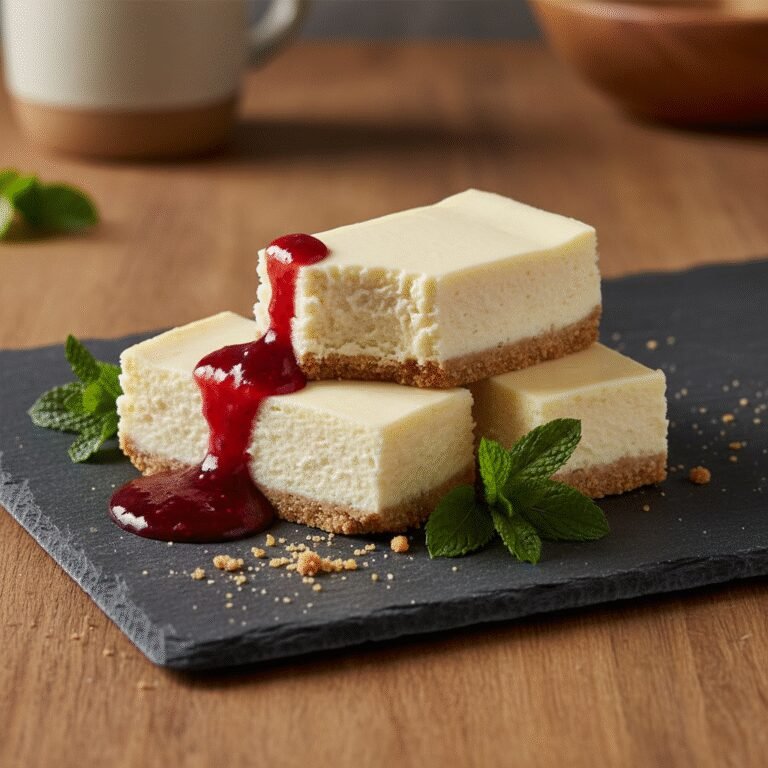
Experience the perfect balance of zesty citrus and rich creaminess with these easy-to-make Lemon Cheesecake Bars. Baked in a convenient 9×13 pan, this recipe yields perfectly sliceable squares that are ideal for parties, potlucks, or a refreshing weeknight dessert without the hassle of a water bath.
20 minutes
40 minutes
4 hours (includes cooling)
24 bars
Dessert
Baking
American
Vegetarian
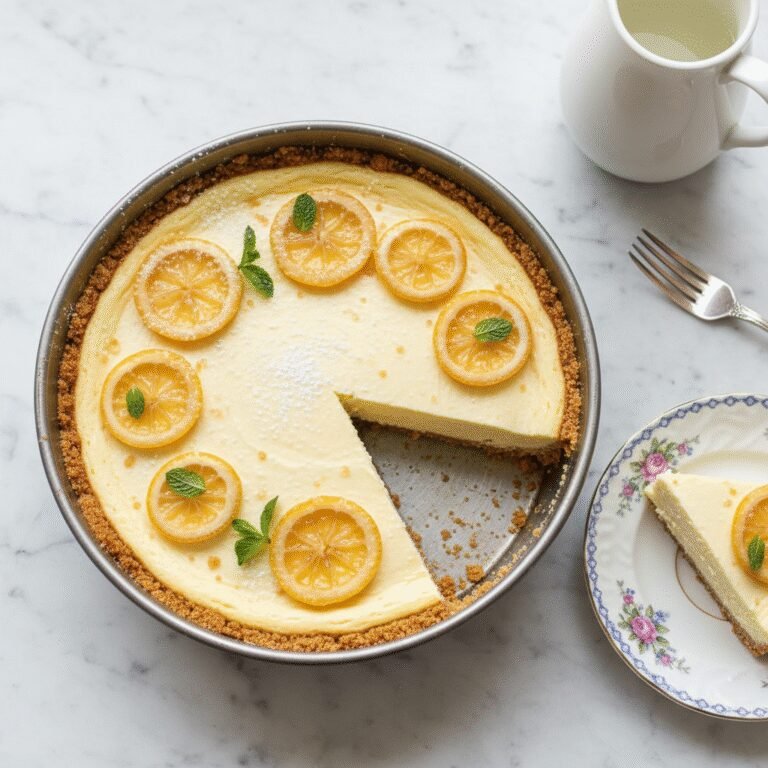
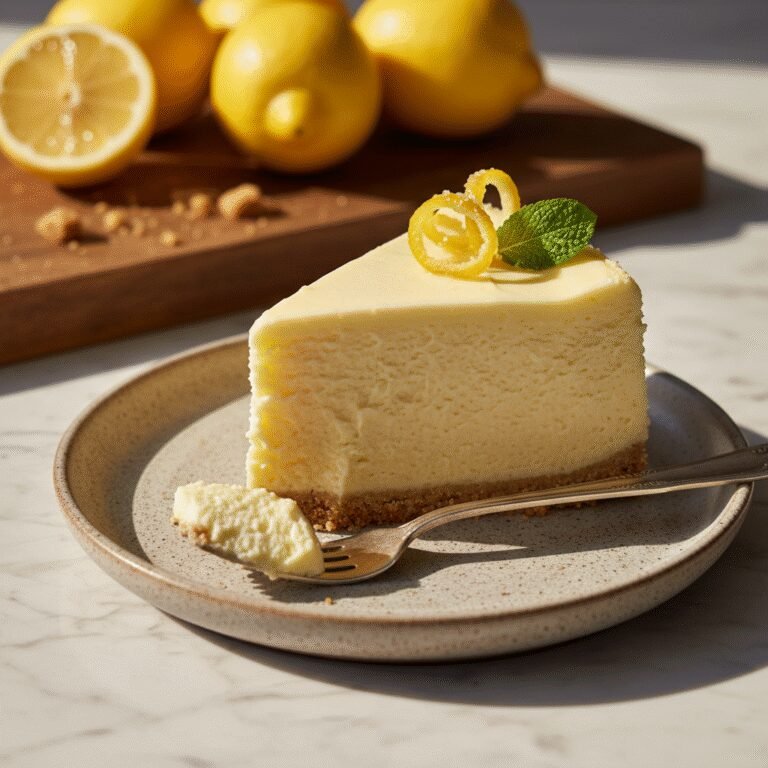
If you are looking for a dessert that screams sunshine and happiness, look no further than this Creamy Lemon Cheesecake made right in a 9×13 pan. There is something undeniably magical about the combination of tart, bright lemon and the smooth, velvety richness of cream cheese. It is a flavor profile that dances on the palate, offering a refreshing lift that cuts through the density typically associated with cheesecake. Unlike traditional round cheesecakes that require fussy springform pans and often intimidating water baths to prevent cracking, this 9×13 version is approachable, forgiving, and designed for sharing. Whether you are a seasoned baker or a novice in the kitchen, this recipe removes the stress while delivering a bakery-quality result.
The texture here is paramount; we are aiming for a filling that is dense yet creamy, firm enough to hold a sharp edge when sliced, but soft enough to melt in your mouth. The crust, a buttery graham cracker foundation, provides the necessary crunch and a hint of caramel-like sweetness that grounds the soaring citrus notes of the filling. This dish is particularly perfect for spring gatherings, Easter brunches, or summer barbecues where a heavy chocolate dessert might feel out of place. Furthermore, making cheesecake in a rectangular pan allows for easy portion control—you can cut them into generous squares or bite-sized delights for a grazing table. By using fresh lemon zest and juice, we avoid the artificial aftertaste of extracts, ensuring that every bite bursts with authentic, natural flavor. Prepare to fall in love with your new go-to lemon dessert.
History & Origins
The history of cheesecake is a journey that spans thousands of years, evolving from ancient energy fuel to the decadent dessert we know today. Believe it or not, the earliest attested mention of a cheesecake-like dish comes from ancient Greece. Physical anthropologists have excavated cheese molds dating back to 2,000 B.C., and it is believed that cheesecake was served to athletes during the first Olympic Games in 776 B.C. to provide them with energy. The Romans later adopted the recipe after conquering Greece, calling it ‘placenta’ (a type of flat cake) and spreading it across Europe as they expanded their empire.
However, the creamy, smooth style of cheesecake that Americans adore is a relatively modern invention. It wasn’t until the late 19th century in New York, with the invention of cream cheese by dairyman William Lawrence, that the dense, rich ‘New York Style’ cheesecake was born. Before this, cheesecakes were often made with curd cheese or cottage cheese, resulting in a grainier texture. The introduction of cream cheese revolutionized the dessert, creating the velvety consistency that is now the gold standard.
The infusion of lemon into cheesecake likely stems from the European tradition of using citrus to preserve freshness and cut through the heaviness of dairy-rich desserts. In Italian baking, ricotta cheesecakes are frequently flavored with lemon zest and vanilla. This 9×13 lemon cheesecake bars recipe marries the convenient American potluck culture—popularized in the mid-20th century with the rise of Pyrex and baking pans—with the timeless appeal of citrus-infused custard. It represents the evolution of a dessert that has traveled from the temples of Greece to the diners of New York, finally landing comfortably in the modern home baker’s 9×13 pan.
Why This Recipe Works
This recipe succeeds because it meticulously balances the ratio of fat, sugar, and acidity to create a structure that is both stable and luscious. The core of this success lies in the interplay between the cream cheese and the sour cream. While cream cheese provides the primary structure and fat content necessary for that classic dense mouthfeel, the addition of sour cream introduces a secondary type of dairy protein and acidity. This acidity softens the proteins in the eggs and cheese, preventing the mixture from becoming rubbery or tough during the baking process. It ensures the final product is silky rather than chewy.
Furthermore, the use of a 9×13 pan changes the thermodynamics of baking compared to a deep, round springform pan. Because the batter is spread thinner over a larger surface area, heat distributes more evenly and quickly to the center. This significantly reduces the risk of the dreaded ‘uncooked center’ while the edges burn. It also eliminates the absolute need for a water bath, which is often the most intimidating part of cheesecake baking. The steam generated from the filling itself is often sufficient in this shallower format to keep the top smooth. Finally, we use both lemon zest and lemon juice. The zest contains essential oils that provide a deep, aromatic lemon flavor that doesn’t bake out, while the juice provides the sharp, tart kick that balances the sugar. This dual-citrus approach ensures the flavor is multidimensional, not flat.
Why You’ll Love This Recipe
- ✓No water bath required for a crack-free surface.
- ✓Feeds a crowd easily with 24 generous servings.
- ✓Perfect balance of tart lemon and sweet cream.
- ✓Sturdy graham cracker crust that doesn’t get soggy.
- ✓Can be made ahead of time for stress-free hosting.
- ✓Uses fresh ingredients for a natural, bright flavor.
Equipment You’ll Need
- ✓9×13 inch baking pan
- ✓Electric hand mixer or stand mixer
- ✓Large mixing bowl
- ✓Medium mixing bowl
- ✓Rubber spatula
- ✓Microplane or zester
- ✓Parchment paper
- ✓Measuring cups and spoons
Ingredients
- ✓2 cups graham cracker crumbs (about 14-16 sheets)
- ✓1/2 cup unsalted butter, melted
- ✓1/4 cup granulated sugar (for crust)
- ✓4 packages (8 oz each) full-fat cream cheese, softened to room temperature
- ✓1 1/4 cups granulated sugar (for filling)
- ✓1/2 cup full-fat sour cream, room temperature
- ✓4 large eggs, room temperature
- ✓1 tablespoon vanilla extract
- ✓1/2 cup fresh lemon juice (approx. 2-3 lemons)
- ✓2 tablespoons fresh lemon zest
Instructions
- Preheat your oven to 325°F (163°C). Line a 9×13 inch baking pan with parchment paper, leaving an overhang on the sides to easily lift the bars out later. Lightly spray the paper with non-stick cooking spray.
- In a medium bowl, combine the graham cracker crumbs, melted butter, and 1/4 cup sugar. Stir until the mixture resembles wet sand.
- Press the crumb mixture firmly and evenly into the bottom of the prepared pan. You can use the bottom of a measuring cup or a glass to pack it down tight. Bake the crust for 8-10 minutes until slightly golden. Remove and let cool while you make the filling.
- In a large mixing bowl or the bowl of a stand mixer fitted with the paddle attachment, beat the softened cream cheese and 1 1/4 cups sugar on medium-low speed until completely smooth and creamy. Scrape down the sides of the bowl to ensure no lumps remain.
- Add the sour cream, vanilla extract, lemon juice, and lemon zest. Beat on low speed just until combined.
- Add the eggs one at a time, mixing on low speed after each addition just until the yolk disappears. Do not overmix, as incorporating too much air can cause cracks.
- Pour the filling over the slightly cooled crust and smooth the top with a rubber spatula or offset spatula.
- Bake in the preheated oven for 35-45 minutes. The edges should be set and slightly puffy, but the center should still have a slight jiggle (like Jell-O) when you gently shake the pan. It will firm up as it cools.
- Turn off the oven and crack the door open slightly. Let the cheesecake sit in the cooling oven for about 30 minutes. This gradual cooling helps prevent cracks.
- Remove from the oven and place on a wire rack to cool completely to room temperature (about 1 hour).
- Once at room temperature, cover the pan loosely with plastic wrap and refrigerate for at least 4 hours, preferably overnight, to allow the cheesecake to set fully.
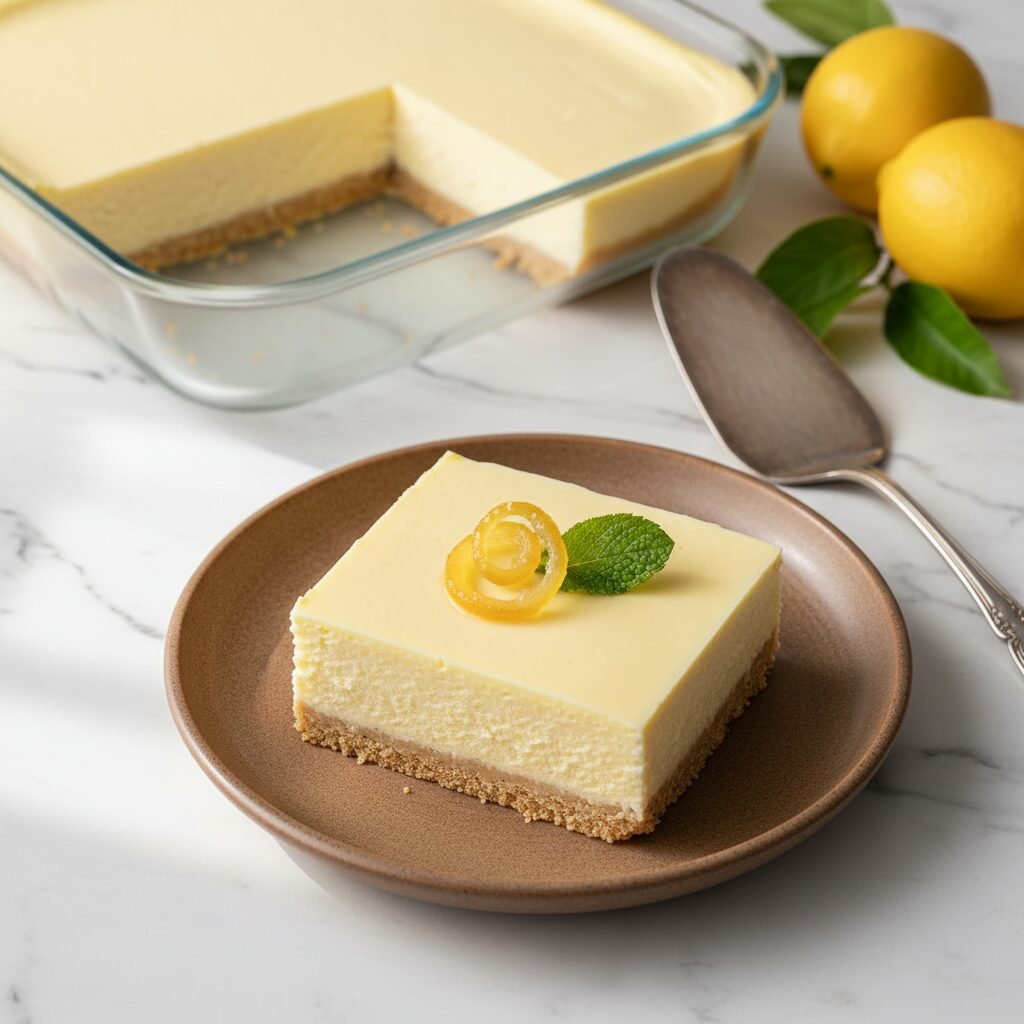
- Using the parchment paper overhang, lift the cheesecake out of the pan. Slice into squares using a sharp knife, wiping the blade clean between cuts for neat edges.
Expert Cooking Tips
- ✓Ensure all dairy ingredients (cream cheese, sour cream, eggs) are at room temperature before starting. This guarantees a lump-free batter.
- ✓Do not overbeat the eggs. Mixing too much air into the batter causes the cheesecake to rise rapidly and then collapse, leading to cracks.
- ✓Use fresh lemon juice, not bottled. The flavor difference is significant.
- ✓Press the crust down very firmly to prevent it from crumbling when you slice the bars.
- ✓Wiping your knife with a warm, damp cloth between slices ensures professional-looking, clean cuts.
- ✓If the top browns too quickly while baking, loosely tent the pan with aluminum foil.
Substitutions and Variations
For the crust, you can substitute graham crackers with vanilla wafers, digestive biscuits, or even gluten-free cookie crumbs for a gluten-free option. If you prefer a nuttier crust, almond flour mixed with butter works well for a low-carb variation, though the texture will be softer. For the filling, full-fat ingredients are highly recommended for the best texture, but you can use reduced-fat cream cheese (Neufchâtel) if necessary; avoid fat-free versions as they will not set properly. Greek yogurt can be substituted for sour cream in a 1:1 ratio, adding a slightly tangier profile and a bit more protein. If you want to vary the citrus flavor, this recipe works beautifully with lime or orange zest and juice, or even a combination for a citrus medley.
Common Mistakes to Avoid
The most common mistake is using cold ingredients. If the cream cheese is cold, it won’t blend smoothly with the sugar, resulting in a lumpy texture. Another major error is overmixing the batter once the eggs are added. High speed mixing incorporates air bubbles which expand in the oven and cause surface cracks. Opening the oven door frequently to check on the cheesecake causes temperature fluctuations that can sink the center. Lastly, rushing the cooling process is a recipe for disaster. If you put a hot cheesecake directly into the fridge, it will ‘sweat’ (condensation will form on top) and it is more likely to crack due to thermal shock. Patience is key.
Serving Suggestions
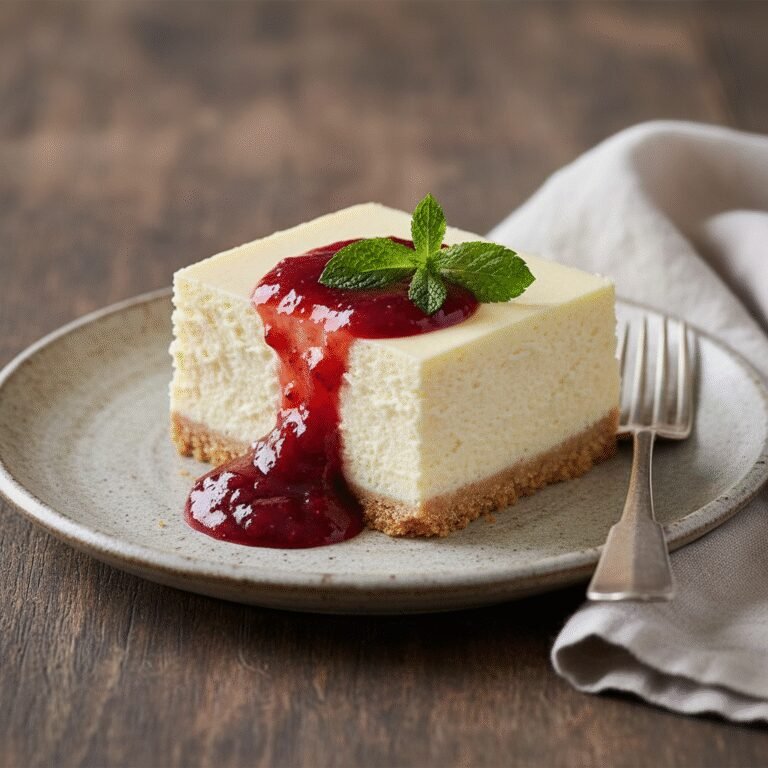
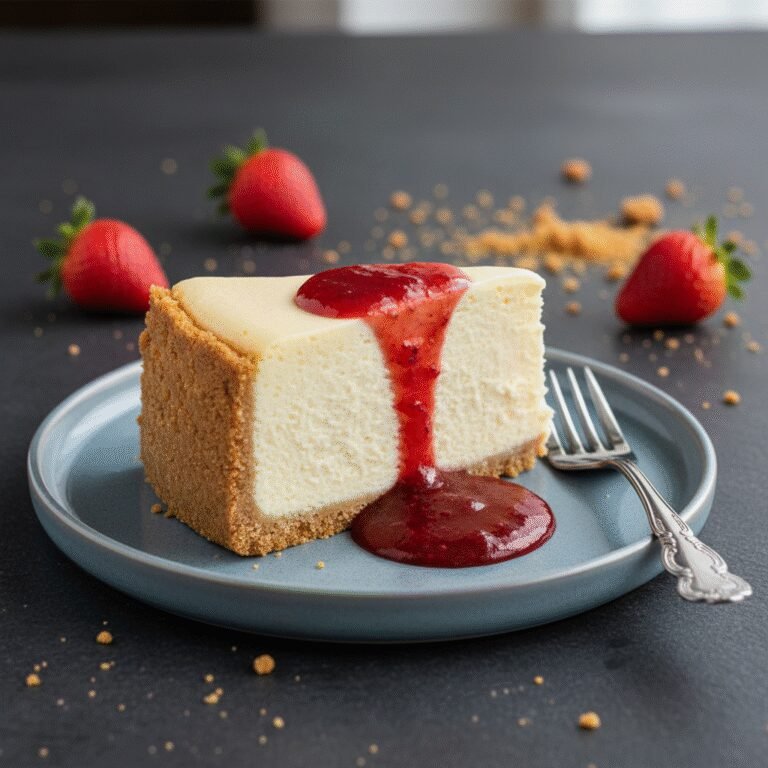
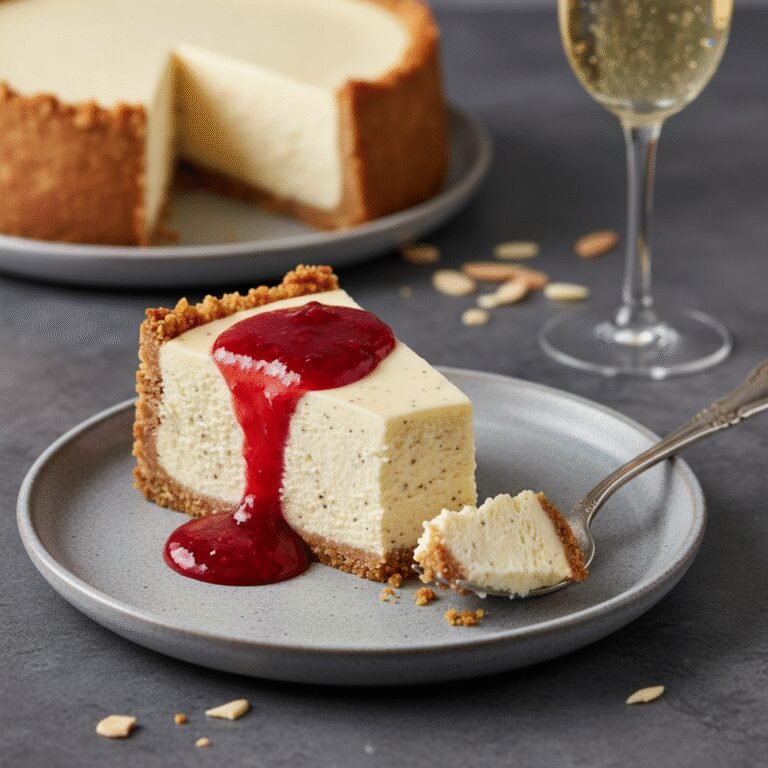
These lemon cheesecake bars are stunning on their own, but they can be elevated with a few simple garnishes. A dollop of freshly whipped cream and a twist of candied lemon peel make for an elegant presentation. Fresh berries, particularly raspberries or blueberries, offer a beautiful color contrast and a sweet-tart flavor that complements the lemon perfectly. For a more indulgent treat, drizzle a simple raspberry coulis or white chocolate ganache over the slices just before serving. Serve chilled for the best texture.
Storage and Reheating Tips
Store leftover cheesecake bars in an airtight container in the refrigerator for up to 5 days. To prevent the crust from getting soggy, you can place a paper towel in the container to absorb excess moisture. These bars also freeze exceptionally well. To freeze, wrap individual bars tightly in plastic wrap and then place them in a heavy-duty freezer bag or container. They can be frozen for up to 3 months. Thaw overnight in the refrigerator before serving. Do not refreeze after thawing.
Nutrition Facts (Estimated)
| Serving Size | 1 bar |
| Calories | 285 |
| Fat | 19g |
| Saturated Fat | 11g |
| Unsaturated Fat | 6g |
| Trans Fat | 0g |
| Cholesterol | 75mg |
| Sodium | 190mg |
| Carbohydrates | 24g |
| Fiber | 0.5g |
| Sugar | 18g |
| Protein | 4g |
Frequently Asked Questions
Can I use bottled lemon juice instead of fresh?
Technically yes, but it is not recommended. Bottled juice often contains preservatives that can give the cheesecake a slightly metallic or artificial taste. Fresh lemon juice provides a much brighter, cleaner flavor.
Why did my cheesecake crack?
Cracks usually happen due to overmixing the batter (too much air), overbaking (drying it out), or cooling it too quickly (thermal shock). Follow the cooling instructions carefully to avoid this.
How do I know when it is done baking?
The edges should be slightly puffy and set, but the center should still wobble slightly like gelatin when you gently shake the pan. It should not look liquid, but it shouldn’t be completely rigid either.
Can I make this recipe in a round springform pan?
Yes, but you will need to adjust the baking time. A 9-inch or 10-inch springform pan is deeper, so it will likely take 55-70 minutes to bake. You might also want to use a water bath for a round pan.
Can I leave the lemon out for a plain cheesecake?
Absolutely. Just omit the lemon zest and lemon juice. You might want to increase the vanilla extract to 1.5 tablespoons and perhaps add a tablespoon of milk or heavy cream to maintain the liquid ratio.
Do I really need to line the pan with parchment paper?
If you want to lift the bars out to cut them nicely, yes. If you don’t mind cutting them directly in the pan and serving them from there, you can just grease the pan well, though the first slice might be messy.
Can I use a hand mixer instead of a stand mixer?
Yes, a hand mixer works perfectly fine. Just ensure your cream cheese is very soft so you don’t burn out the motor or end up with lumps.
Is this recipe gluten-free?
The filling is naturally gluten-free, but the graham cracker crust is not. Use gluten-free graham crackers or gluten-free cookie crumbs for the crust to make the entire dish gluten-free.
Conclusion
There are few desserts as universally loved and refreshing as a lemon cheesecake. This 9×13 pan version takes all the intimidation out of the process, leaving you with a reliable, crowd-pleasing treat that looks as good as it tastes. The creamy texture, the bright pop of citrus, and the buttery crunch of the crust come together in a symphony of flavors that is hard to resist. Whether you are baking for a special occasion or just treating your family on a weekend, these bars are sure to disappear quickly. So, grab your lemons, soften that cream cheese, and get ready to bake a dessert that will have everyone asking for the recipe.