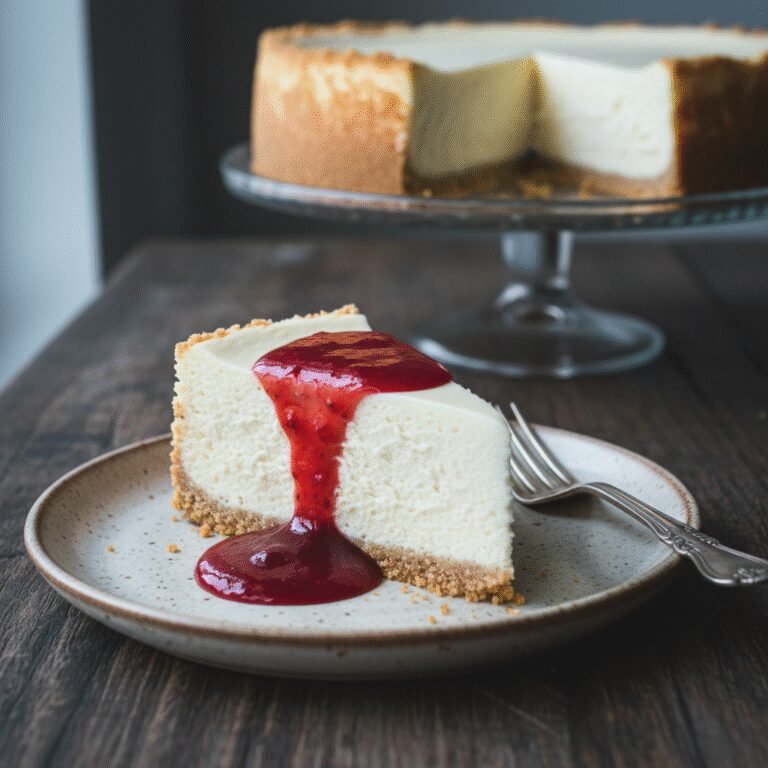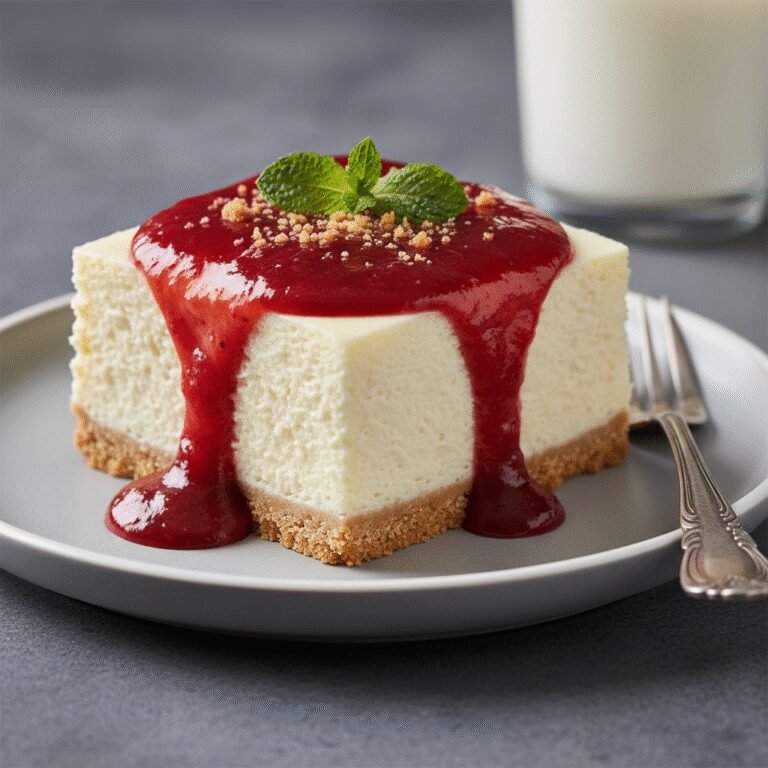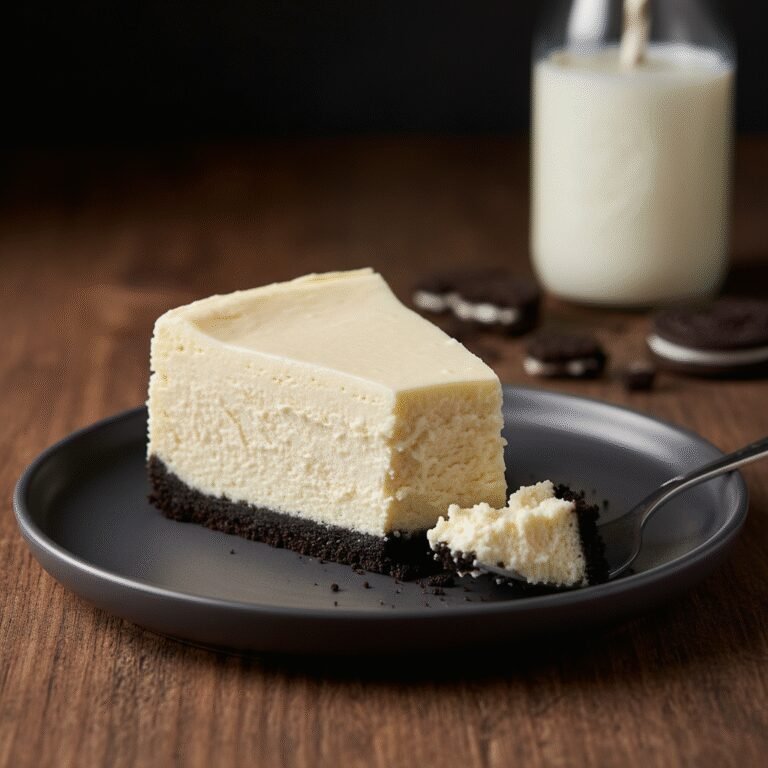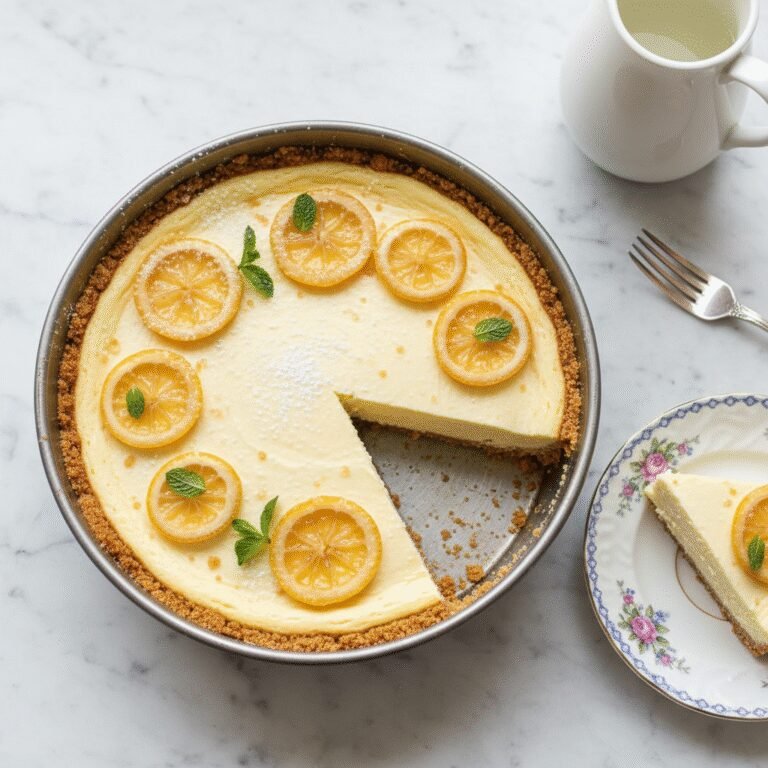
The Ultimate Creamy Lemon Cheesecake With Oreo Crust
Creamy Lemon Cheesecake With Oreo Crust Recipe
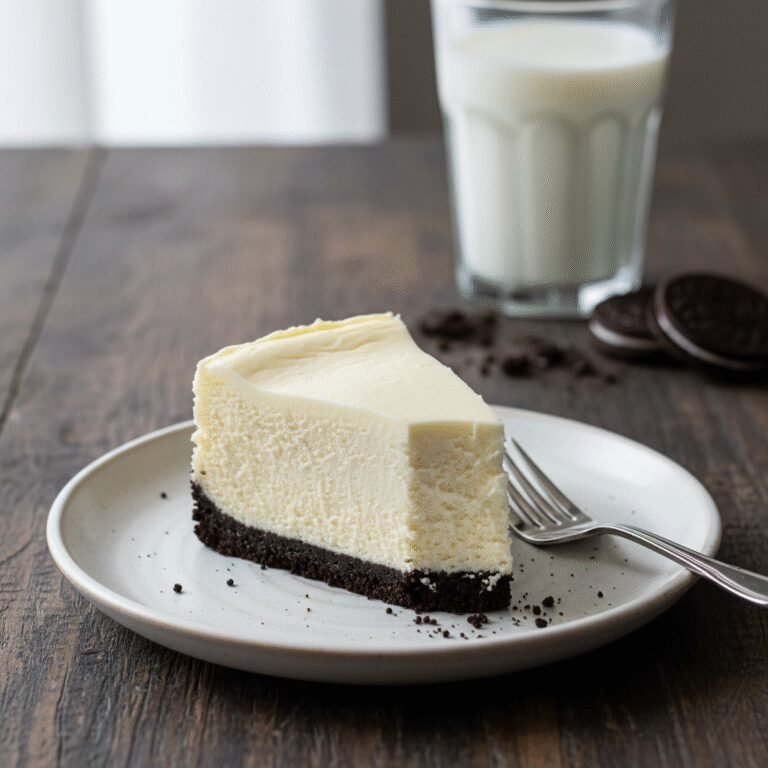
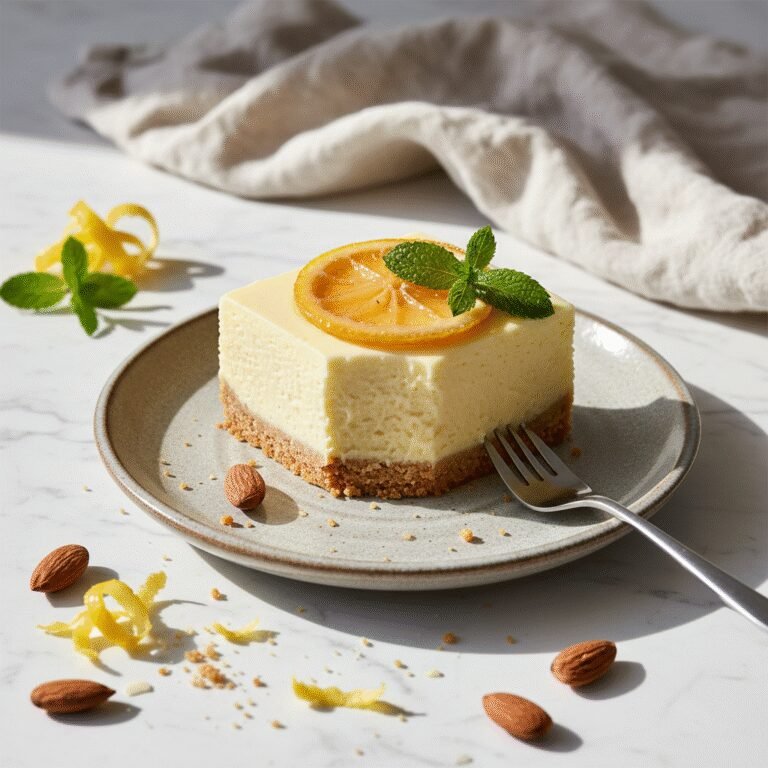
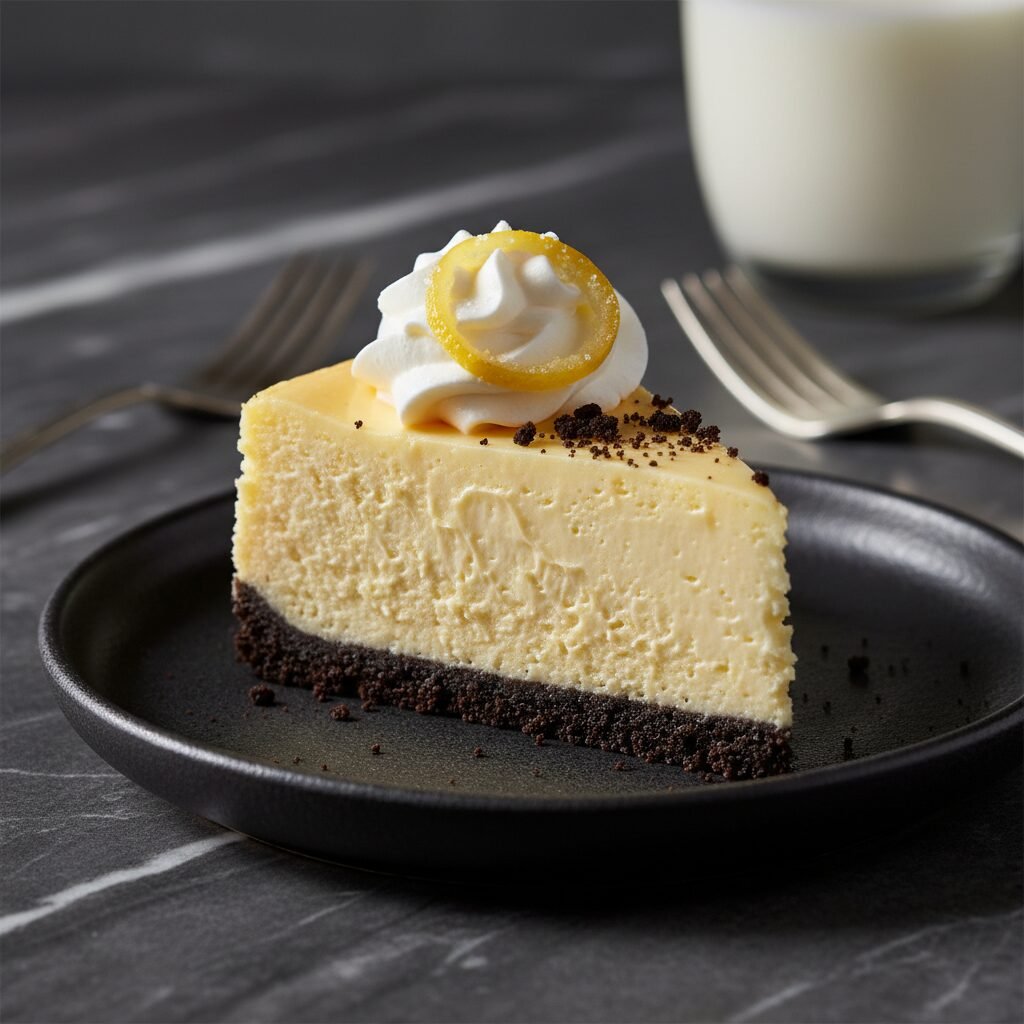
Experience the perfect marriage of zesty brightness and rich chocolate in this show-stopping dessert. This Creamy Lemon Cheesecake features a velvety, tart filling sitting atop a buttery, crunchy Oreo crust, creating a flavor contrast that is absolutely irresistible.
25 minutes
60 minutes
8 hours 25 minutes (includes cooling)
12 servings
Dessert
Baking
American
Vegetarian
There are few desserts that command attention quite like a perfectly baked cheesecake, but when you introduce the vibrant zest of fresh lemons and the nostalgic, deep cocoa crunch of an Oreo crust, you elevate a classic into something truly extraordinary. This Creamy Lemon Cheesecake with Oreo Crust is a study in contrasts. It is where the sharp, sunny disposition of citrus meets the dark, indulgent soul of chocolate cookies. The texture is equally dynamic; the filling is incredibly smooth, dense yet airy, melting on the tongue with a luxurious mouthfeel that only full-fat cream cheese and sour cream can provide. Beneath this silky layer lies the crust—a thick, sturdy foundation of crushed Oreos bound by melted butter, offering a satisfying snap and a bitter-sweet cocoa finish that cuts through the richness of the cheese.
For many home bakers, cheesecake can be intimidating. Visions of cracked tops or sunken centers often deter people from attempting this dessert at home. However, this recipe is designed to be foolproof. We strip away the complexity and focus on the science of baking: room temperature ingredients for a lump-free batter, a gentle baking temperature to ensure even setting, and a slow cooling process to prevent those dreaded cracks. Whether you are hosting a sophisticated dinner party, looking for a refreshing summer treat, or simply craving a slice of comfort, this cheesecake delivers on every front. It is sophisticated enough for adults yet playful enough for children, bridging the gap between high-end patisserie and beloved comfort food.
History & Origins
The history of cheesecake is a journey that spans millennia, originating long before the cream cheese blocks we know today lined supermarket shelves. The earliest iterations trace back to ancient Greece, specifically the island of Samos, where physical anthropologists have excavated cheese molds dated to circa 2,000 B.C. In ancient times, cheesecake was considered a prime source of energy, and there is evidence that it was served to athletes during the first Olympic Games in 776 B.C. The Romans later adopted the recipe, adding eggs and baking it under hot bricks, calling it ‘libum.’ As the Roman Empire expanded, so did the recipe, evolving as it reached Great Britain and Eastern Europe.
However, the modern cheesecake we know and love—specifically the New York style—was born out of an accidental invention in 1872. William Lawrence, a dairyman from Chester, New York, was attempting to recreate a soft French cheese known as Neufchâtel. Instead, he accidentally produced a richer, creamier ‘unripened cheese’ that eventually became the Philadelphia Cream Cheese brand. This revolutionized cheesecake, moving it away from the grainier curd textures of the past to the smooth, dense consistency we prize today.
The introduction of the Oreo cookie in 1912 by the National Biscuit Company (Nabisco) added another layer to American dessert culture. Initially sold in a tin with a glass top, Oreos quickly became the best-selling cookie in the United States. The fusion of these two culinary giants—the New York cheesecake and the Oreo cookie—represents a modern American innovation. By replacing the traditional graham cracker crust with Oreos, bakers introduced a chocolate element that pairs exceptionally well with fruit flavors, particularly the acidity of lemon, creating a dessert that honors ancient traditions while embracing modern indulgence.
Why This Recipe Works
This recipe succeeds because it meticulously balances the four pillars of a perfect cheesecake: fat, acid, sugar, and structure. First, the use of full-fat block cream cheese and sour cream is non-negotiable. The fat coats the flour proteins (if using a bit of flour or cornstarch) and egg proteins, preventing them from bonding too tightly, which ensures the texture remains creamy rather than rubbery. The sour cream specifically adds a tang that mirrors the lemon but also softens the density of the cream cheese, resulting in a lighter mouthfeel.
Secondly, the acidity from the fresh lemon juice and zest does more than just flavor the cake; it actually helps ‘set’ the proteins. When acid interacts with the proteins in the eggs and cheese, it encourages coagulation at a lower temperature, which helps the cake set firmly without needing to be overbaked. The zest contains the essential oils of the lemon, providing the aromatic top notes that juice alone cannot achieve.
Finally, the Oreo crust provides a structural and flavor counterpoint that a graham cracker crust simply cannot match. The cocoa in the wafers is slightly bitter, which helps cut through the intense sweetness and richness of the filling. Furthermore, the cream filling inside the Oreos acts as a binder when mixed with butter, creating a crust that is less likely to crumble when sliced. By baking at a moderate temperature and cooling gradually in the oven, we ensure the internal structure stabilizes slowly, preventing the thermal shock that causes cracks.
Why You’ll Love This Recipe
- ✓Perfect balance of tart lemon and sweet chocolate.
- ✓Ultra-creamy texture without being heavy.
- ✓No water bath required if you follow the cooling tips.
- ✓Sturdy Oreo crust that doesn’t crumble when sliced.
- ✓Can be made ahead of time, tasting better the next day.
Equipment You’ll Need
- ✓9-inch Springform Pan
- ✓Electric Stand Mixer or Hand Mixer
- ✓Food Processor (for crust)
- ✓Rubber Spatula
- ✓Zester/Microplane
- ✓Large Mixing Bowl
- ✓Measuring Cups and Spoons
Ingredients
- ✓24 Oreo cookies (regular, not double stuff)
- ✓5 tablespoons unsalted butter, melted
- ✓32 oz (4 blocks) full-fat cream cheese, softened to room temperature
- ✓1 1/4 cups granulated white sugar
- ✓1/2 cup full-fat sour cream, room temperature
- ✓2 teaspoons pure vanilla extract
- ✓4 large eggs, room temperature
- ✓1/4 cup fresh lemon juice (approx. 2 lemons)
- ✓2 tablespoons fresh lemon zest
Instructions
- Preheat your oven to 350°F (175°C). Grease the bottom and sides of a 9-inch springform pan lightly with butter or cooking spray.
- Place the Oreo cookies (filling included) into a food processor. Pulse until they are fine crumbs. Pour the melted butter over the crumbs and pulse again until the mixture resembles wet sand.
- Press the crumb mixture firmly into the bottom of the prepared springform pan. You can use the bottom of a measuring cup to pack it down evenly. Bake the crust for 8-10 minutes. Remove and set aside to cool. Reduce oven temperature to 325°F (163°C).
- In a large bowl or stand mixer fitted with the paddle attachment, beat the softened cream cheese and sugar on medium-low speed until completely smooth and creamy (about 2-3 minutes). Scrape down the sides of the bowl to ensure no lumps remain.
- Add the sour cream, vanilla extract, lemon juice, and lemon zest. Mix on low speed until combined. Do not overmix.
- Add the eggs one at a time, mixing on low speed just until each egg is incorporated. Stop mixing as soon as the last egg disappears. Overmixing at this stage introduces air bubbles which can cause cracks.
- Pour the batter over the slightly cooled crust. Tap the pan gently on the counter a few times to release any trapped air bubbles.
- Bake in the center of the oven at 325°F for 55-65 minutes. The cheesecake is done when the edges are set and slightly puffy, but the center still has a wobble (like Jell-O) when you gently shake the pan.
- Turn off the oven and crack the oven door open slightly (you can prop it with a wooden spoon). Let the cheesecake cool inside the oven for 1 hour. This slow cooling process prevents cracks.
- Remove from the oven and run a thin knife around the edge of the cake to loosen it from the pan sides (this helps as it shrinks while cooling). Let it cool completely to room temperature on a wire rack.
- Cover loosely with plastic wrap and refrigerate for at least 4 hours, preferably overnight, to set completely before slicing.
Expert Cooking Tips
- ✓Room Temperature Ingredients: This is critical. Cold cream cheese creates lumps, and cold eggs can curdle the batter. Set ingredients out 2 hours before baking.
- ✓Don’t Overmix: Once the eggs are added, keep the mixer on low. Incorporating too much air causes the cheesecake to rise rapidly and then collapse and crack.
- ✓The Wobble Test: Don’t wait for the center to look firm. If it looks firm in the oven, it is already overbaked and will be dry. Trust the wobble.
- ✓Press the Crust Firmly: A loose crust will crumble when you slice it. Pack it tight using a flat-bottomed glass.
- ✓Clean Slices: Dip your knife in hot water and wipe it dry between every single cut for professional-looking slices.
Substitutions and Variations
If you need to adapt this recipe, there are several viable substitutions. For the crust, if you cannot find Oreos, any chocolate sandwich cookie works well, or you can use chocolate graham crackers mixed with a tablespoon of sugar. For a gluten-free version, simply swap in Gluten-Free Oreos; the texture remains virtually identical. Regarding the dairy, while full-fat cream cheese is strongly recommended for the best texture, you can use Neufchâtel cheese for a slightly lower fat content, though the cake may be softer. Do not use tub cream cheese or whipped cream cheese, as they contain too much air and water. If you don’t have sour cream, full-fat Greek yogurt is an excellent substitute that maintains the tanginess and creamy texture. For the citrus, Meyer lemons can be used for a sweeter, more floral flavor profile, though you may want to reduce the sugar by a tablespoon.
Common Mistakes to Avoid
The most common mistake is baking the cheesecake until it looks completely solid. Remember, cheesecake is a custard; it finishes setting as it cools. If you bake it until the center is firm, the texture will be grainy and dry. Another frequent error is rushing the cooling process. Moving a hot cheesecake directly to the fridge causes thermal shock, leading to deep fissures across the surface. Always let it cool in the turned-off oven, then at room temperature, before chilling. Lastly, avoid opening the oven door frequently during baking. Drafts cause temperature fluctuations that can lead to sinking or cracking. Trust your timer and only check near the end of the estimated cooking time.
Serving Suggestions
This cheesecake is rich, so it pairs beautifully with garnishes that cut through the creaminess. Serve chilled slices topped with a dollop of homemade whipped cream and a twist of fresh lemon peel for elegance. Fresh berries, particularly raspberries or blueberries, offer a tart contrast that complements both the lemon and the chocolate. For a more decadent presentation, drizzle a thin layer of dark chocolate ganache over the top or sprinkle with extra crushed Oreo crumbs. A hot cup of espresso or a dark roast coffee is the perfect beverage accompaniment, as the bitterness balances the sweet and tart profile of the dessert.
Storage and Reheating Tips
Cheesecake must be stored in the refrigerator. Once the cake has fully set and chilled, cover it tightly with plastic wrap or aluminum foil to prevent it from absorbing fridge odors. It will stay fresh for up to 5 days. For longer storage, this cheesecake freezes exceptionally well. Slice the cooled cake, wrap each slice individually in plastic wrap, and then place them in a freezer-safe bag or container. They can be frozen for up to 3 months. To serve, thaw the slices in the refrigerator overnight or on the counter for about 30 minutes before eating. Do not microwave to thaw, as this will melt the cheese structure.
Nutrition Facts (Estimated)
| Serving Size | 1 slice |
| Calories | 480 |
| Fat | 34g |
| Saturated Fat | 19g |
| Unsaturated Fat | 12g |
| Trans Fat | 0g |
| Cholesterol | 115mg |
| Sodium | 310mg |
| Carbohydrates | 40g |
| Fiber | 1g |
| Sugar | 32g |
| Protein | 7g |
Frequently Asked Questions
Do I really need a water bath for this recipe?
Not strictly. While a water bath guarantees gentle heat and minimizes cracks, this recipe uses a low temperature (325°F) and a ‘cool in oven’ method that effectively prevents cracking without the hassle of a water bath.
Can I use bottled lemon juice instead of fresh?
It is highly recommended to use fresh lemon juice. Bottled juice often contains preservatives that give it a metallic or artificial taste, which will be very noticeable in a lemon-forward dessert.
Why did my cheesecake crack?
Cracks usually happen for two reasons: overmixing the batter (incorporating too much air) or cooling the cheesecake too quickly. Follow the instruction to cool it inside the turned-off oven.
How do I know when the cheesecake is done?
Gently shake the pan. The outer 2-3 inches should look set and firm, while the center should jiggle slightly like gelatin. It will firm up as it cools.
Can I make this recipe ahead of time?
Yes, in fact, you should! Cheesecake needs at least 4 hours to chill, but it tastes even better after 24 hours in the fridge as the flavors meld and the texture settles.
Why are my ingredients required to be at room temperature?
Room temperature cream cheese blends smoothly with sugar. If it’s cold, you’ll get little lumps of cheese in your batter that won’t bake out, affecting the texture.
Can I use Double Stuf Oreos for the crust?
It is better to use regular Oreos. The extra cream filling in Double Stuf adds too much fat and moisture, which can make the crust greasy or cause it to not hold together as well.
What if I don’t have a springform pan?
You can use a deep pie dish or a square baking pan lined with parchment paper leaving an overhang to lift the cake out. However, removing a whole cheesecake from a standard pan without damaging it is difficult.
Conclusion
Creating this Creamy Lemon Cheesecake with Oreo Crust is more than just following a recipe; it’s about crafting a moment of pure culinary delight. The brightness of the lemon lifts the spirit, while the rich chocolate crust grounds the palate, creating a dessert that is balanced, beautiful, and undeniably delicious. Whether you are a seasoned baker or trying your hand at cheesecake for the first time, this guide ensures you have all the tools and knowledge for success. Don’t be afraid to share this treat with friends and family—though, after one bite of that velvety filling and crunchy crust, you might be tempted to keep it all to yourself. Happy baking!