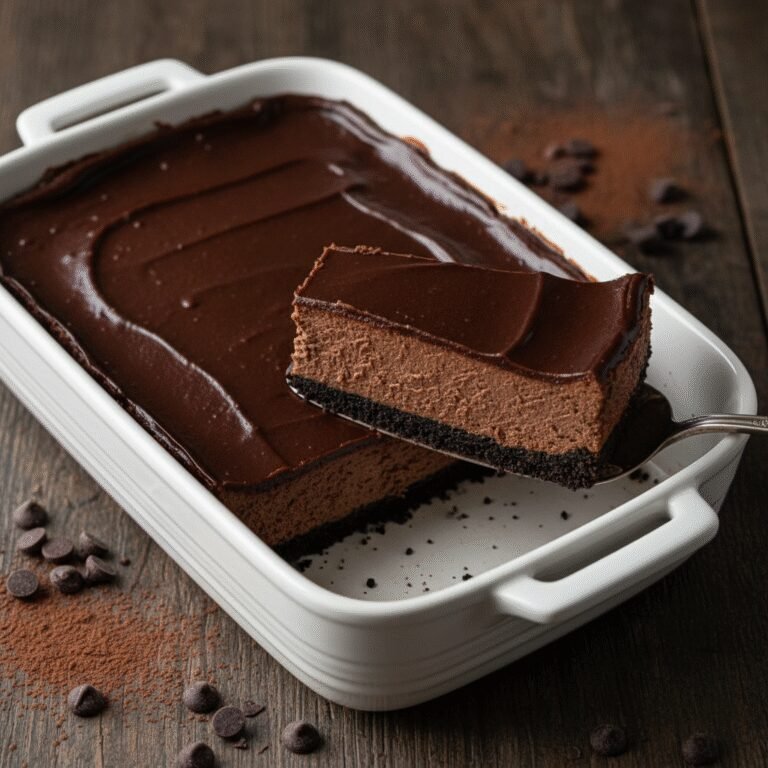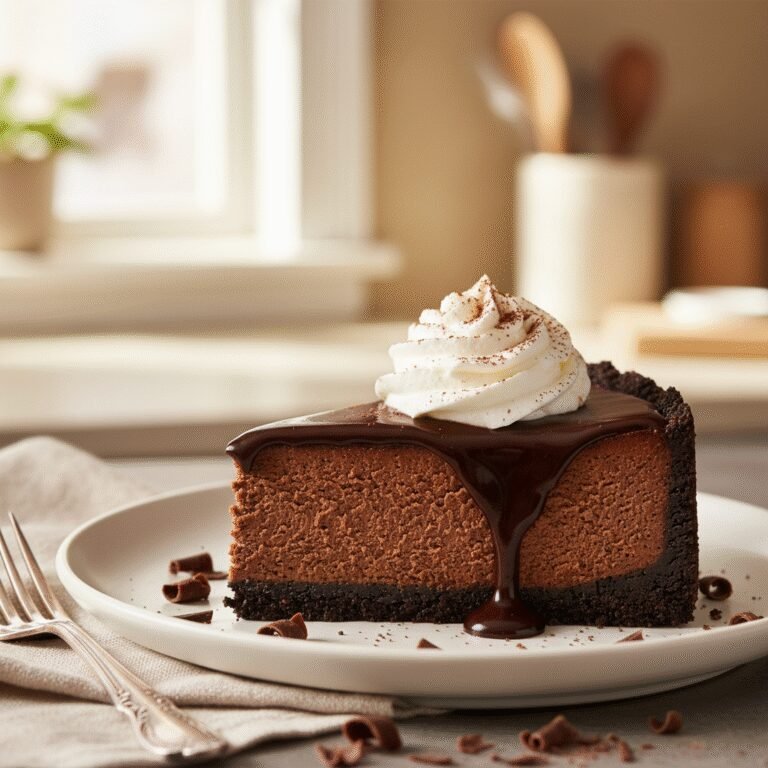
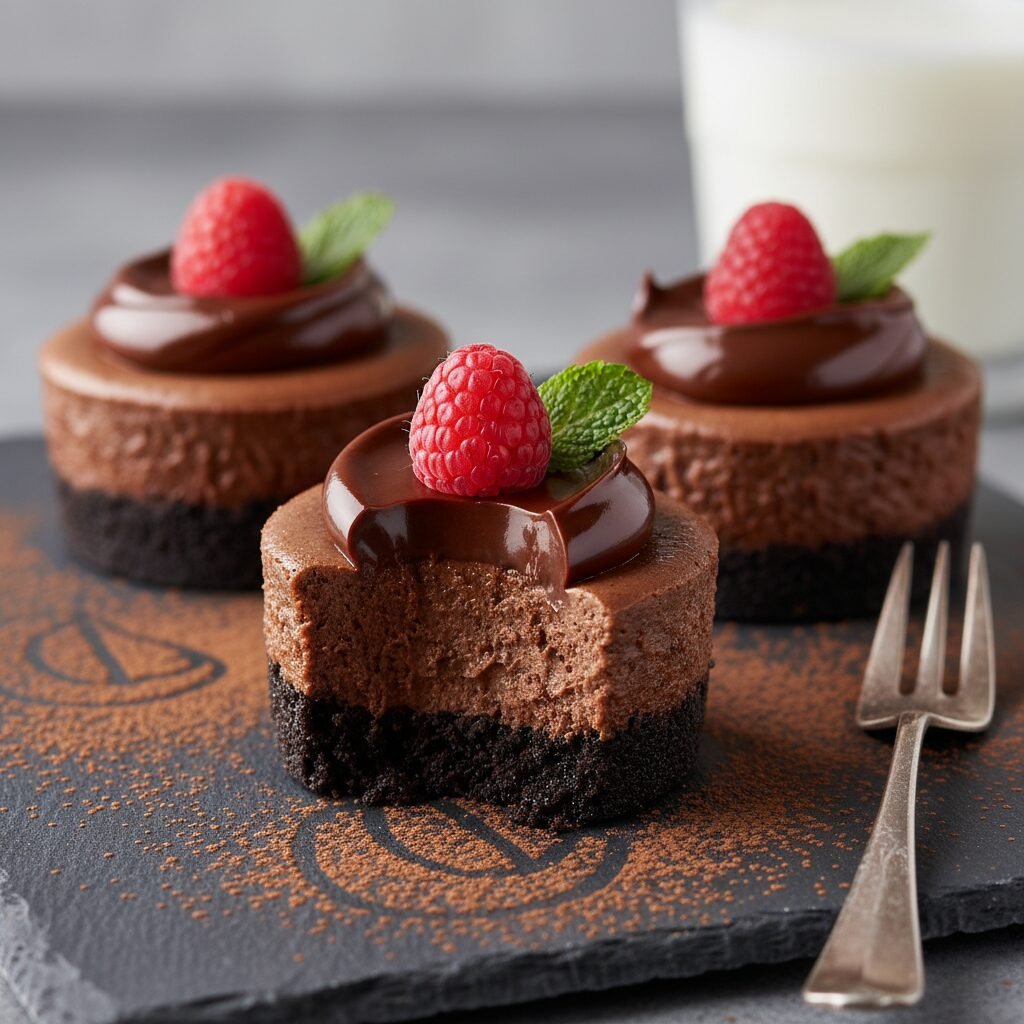
Decadent Creamy Chocolate Mini Cheesecakes: The Ultimate Bite-Sized Dessert
Creamy Chocolate Cheesecake Mini Cheesecake Recipe
Indulge in these perfectly portioned, velvety smooth chocolate mini cheesecakes that pack a powerful cocoa punch. Featuring a crunchy chocolate cookie crust and a rich, dense filling, they are the ultimate crowd-pleasing dessert that requires no water bath and minimal effort.
20 minutes
18 minutes
4 hours (includes cooling time)
12 mini cheesecakes
Dessert
Baking
American
Vegetarian
There is something undeniably magical about the combination of tangy cream cheese and deep, rich chocolate. While a classic New York-style cheesecake is a masterpiece of the culinary world, it can often be intimidating to bake at home, requiring water baths, long cooling times, and the constant fear of surface cracks. Enter the Creamy Chocolate Mini Cheesecake—a dessert that solves every single one of those problems while delivering an even more intense flavor experience. These bite-sized wonders are not just a convenient alternative to their full-sized counterparts; they are a distinct textural delight in their own right. Because they bake faster and cool quicker, the texture remains incredibly creamy and luscious without becoming heavy or cloying.
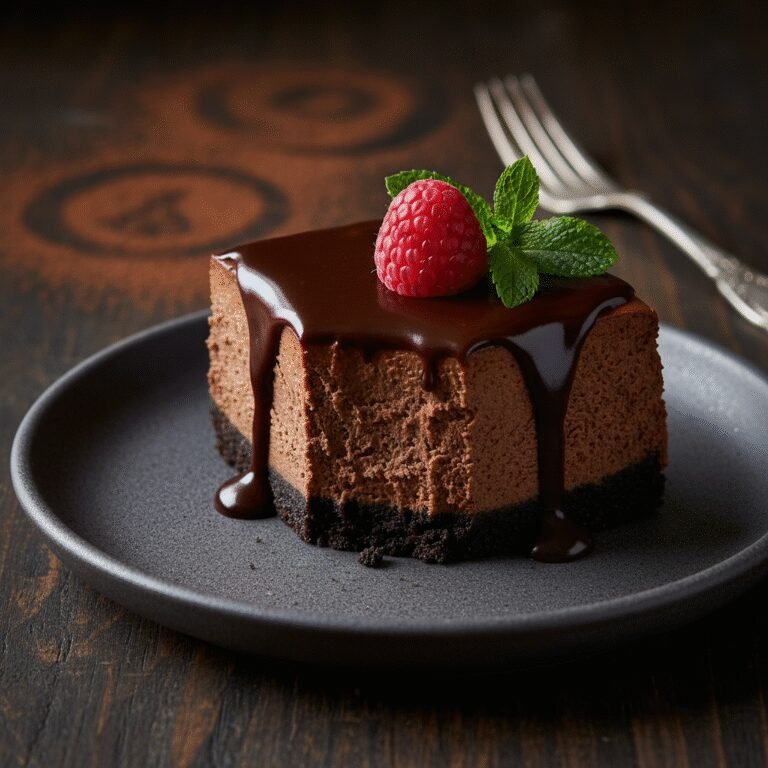
The foundation of this recipe starts with a dark, buttery Oreo cookie crust that provides a slight bitterness to offset the sweet filling. The batter itself is a dual-threat of chocolate, utilizing both high-quality cocoa powder and melted semi-sweet chocolate to ensure a depth of flavor that cocoa alone cannot achieve. When you take that first bite, you are greeted with a silky, ganache-like consistency that melts on the tongue, followed by the satisfying crunch of the base. These mini cheesecakes are perfect for dinner parties where slicing a large cake is cumbersome, or for simply keeping in the fridge when you need a moment of chocolatey bliss. Whether you are a seasoned baker or a novice in the kitchen, this recipe is designed to be foolproof, yielding bakery-quality results that will have your friends and family begging for the recipe.
History & Origins
The history of cheesecake is a journey that spans thousands of years, long before the invention of the smooth cream cheese we know and love today. Its origins can be traced back to ancient Greece, specifically the island of Samos, where physical anthropologists excavated cheese molds dating back to 2,000 B.C. In those times, cheesecake was considered a potent source of energy, and there is evidence that it was served to athletes during the first Olympic Games in 776 B.C. The Romans later adopted the recipe after conquering Greece, renaming it ‘libum’ and often serving it as an offering to their gods or at special occasions. As the Roman Empire expanded, so did the recipe, spreading across Europe where each culture added its own local twist, using ingredients like ricotta, quark, or curd cheese.
However, the creamy, dense cheesecake that Americans recognize today was born out of an accidental discovery in New York. In 1872, a dairyman named William Lawrence was attempting to replicate the French cheese Neufchâtel. Instead, he added too much cream and created a richer, spreadable cheese that eventually became the brand Philadelphia Cream Cheese. This revolutionized cheesecake making, leading to the iconic New York Style Cheesecake in the early 20th century. The concept of the ‘mini’ cheesecake is a much more modern evolution, born from the rise of the cupcake trend and the home baker’s desire for convenience and portion control. By adapting the classic custard technique to a muffin tin, bakers found they could achieve the same decadent results in a fraction of the time, making this ancient dessert accessible for modern, busy lifestyles.
Why This Recipe Works
This recipe succeeds where many others fail because it meticulously balances the moisture content and the fat ratios to prevent the dreaded ‘dry cheesecake’ syndrome. Chocolate is a drying ingredient; cocoa powder acts like flour, absorbing moisture from the batter. To counteract this, we incorporate full-fat sour cream and melted semi-sweet chocolate. The melted chocolate adds cocoa butter, which provides a silky mouthfeel that cocoa powder alone lacks, while the sour cream introduces acidity that tenderizes the protein structure of the eggs and cheese. This results in a filling that sets firmly but remains incredibly smooth.
Furthermore, the ‘mini’ format is actually superior for chocolate cheesecake specifically. Chocolate batters are denser and heavier than vanilla ones. In a large springform pan, the outer edges often overcook and become grainy before the center is fully set. By baking in muffin tins, heat penetrates the small volume of batter evenly and quickly. This ensures that the texture is consistent from the edge to the center. We also bake at a slightly lower temperature than standard muffins to gently set the eggs without shocking them, which is the primary cause of sinking and cracking. The result is a flawless, professional-looking dessert every time.
Why You’ll Love This Recipe
- ✓No water bath required, simplifying the baking process significantly.
- ✓Perfect portion control with individual servings.
- ✓Double chocolate flavor profile using both melted chocolate and cocoa powder.
- ✓Freezes beautifully for make-ahead desserts.
- ✓Rich, creamy texture that rivals high-end bakery cheesecakes.
Equipment You’ll Need
- ✓Standard 12-cup muffin tin
- ✓Paper cupcake liners
- ✓Electric hand mixer or stand mixer
- ✓Large mixing bowl
- ✓Medium microwave-safe bowl
- ✓Rubber spatula
- ✓Measuring cups and spoons
Ingredients
- ✓1 1/2 cups chocolate sandwich cookie crumbs (e.g., Oreos, filling included)
- ✓3 tablespoons unsalted butter, melted
- ✓16 oz (2 blocks) full-fat cream cheese, softened to room temperature
- ✓1/2 cup granulated sugar
- ✓1/4 cup sour cream, room temperature
- ✓1 teaspoon pure vanilla extract
- ✓2 tablespoons unsweetened cocoa powder
- ✓4 oz semi-sweet chocolate, melted and slightly cooled
- ✓2 large eggs, room temperature
Instructions
- Preheat your oven to 325°F (163°C). Line a standard 12-cup muffin tin with paper liners.
- To make the crust, combine the chocolate cookie crumbs and melted butter in a small bowl. Stir until the mixture resembles wet sand.
- Divide the crust mixture evenly among the 12 muffin cups (about 1 tablespoon per cup). Press the crumbs firmly into the bottom of each liner using the back of a spoon or a small glass. Bake for 5 minutes to set the crust, then remove and let cool slightly.
- In a large mixing bowl using a hand mixer or stand mixer fitted with the paddle attachment, beat the softened cream cheese and sugar on medium speed until completely smooth and creamy. Scrape down the sides of the bowl.
- Add the sour cream, vanilla extract, and cocoa powder. Beat again until combined, ensuring no lumps of cocoa remain.
- Pour in the melted semi-sweet chocolate (ensure it is not hot) and mix on low speed until fully incorporated.
- Add the eggs one at a time, mixing on low speed just until the yolk disappears. Do not overmix after adding the eggs, as incorporating too much air can cause cracks.
- Distribute the batter evenly over the prepared crusts, filling each liner almost to the top.
- Bake for 15-18 minutes. The centers should still have a slight jiggle when you gently shake the pan, but the edges should be set.
- Remove from the oven and allow the cheesecakes to cool in the pan at room temperature for at least 30 minutes. They will deflate slightly as they cool; this is normal.
- Transfer the cheesecakes to the refrigerator and chill for at least 3 hours (preferably overnight) to allow the texture to set completely before serving.
Expert Cooking Tips
- ✓Ensure all dairy ingredients (cream cheese, sour cream, eggs) are at room temperature before starting. This prevents lumps.
- ✓Do not overbeat the batter once the eggs are added. Too much air leads to rising and falling, causing cracks.
- ✓Use high-quality chocolate for melting; chips often contain stabilizers that affect the texture, so a baking bar is preferred.
- ✓Let the cheesecakes cool gradually. Sudden temperature changes can cause the surface to crack.
- ✓If the batter looks grainy after adding melted chocolate, your dairy was likely too cold, causing the chocolate to seize.
Substitutions and Variations
For the crust, if you prefer a less intense chocolate flavor, you can substitute graham cracker crumbs or digestive biscuits mixed with a tablespoon of cocoa powder. If you are gluten-free, simply use gluten-free chocolate sandwich cookies for the base. For the filling, full-fat ingredients are highly recommended for the proper texture, but you can use Neufchâtel cheese (1/3 less fat) if you accept a slightly softer set. Greek yogurt can be substituted for sour cream in a 1:1 ratio, though it adds a slightly tangier profile. If you prefer dark chocolate, you can use bittersweet chocolate (60-70% cocoa) instead of semi-sweet, but you may want to increase the sugar by a tablespoon to balance the bitterness.
Common Mistakes to Avoid
The most common mistake when making these mini cheesecakes is using cold ingredients. If the cream cheese is cold, it won’t blend smoothly with the sugar, leading to a lumpy batter. If the eggs are cold, they can shock the melted chocolate, causing it to harden in tiny flakes. Another major error is overbaking. Because they are small, they go from perfect to dry very quickly. Remember that cheesecake continues to cook as it cools; if it looks firm in the oven, it is likely already overdone. Pull them out when the center still looks a bit undercooked and wobbly. Finally, opening the oven door repeatedly to check on them causes temperature fluctuations that can lead to sinking centers.
Serving Suggestions
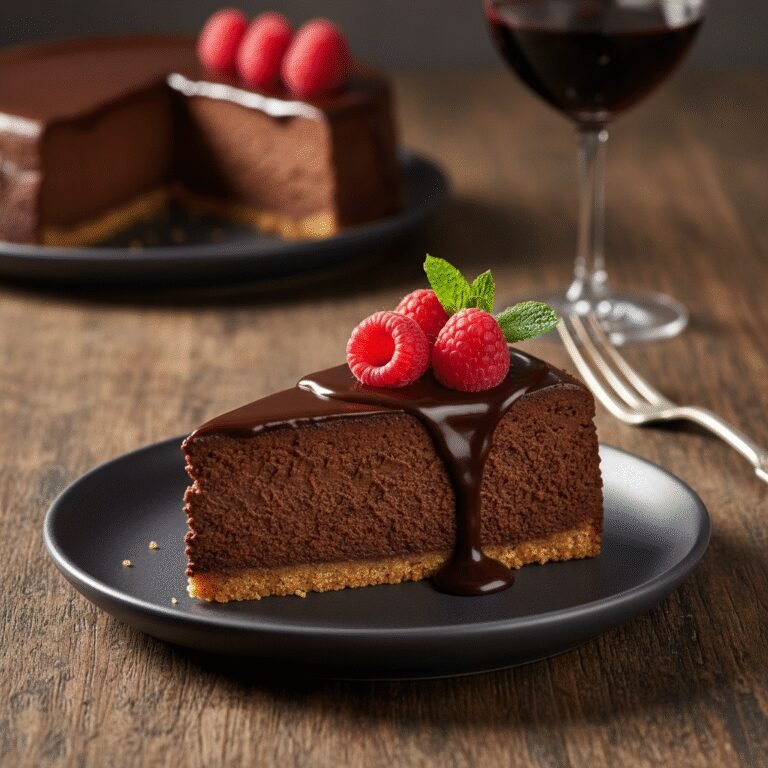
These mini cheesecakes are rich enough to be served on their own, but they dress up beautifully. A classic topping is a dollop of fresh whipped cream and a raspberry or strawberry to cut through the richness. For chocolate lovers, a drizzle of chocolate ganache or salted caramel sauce adds an extra layer of decadence. You can also sprinkle crushed peppermint candy on top for a holiday variation, or dust them with espresso powder for a mocha twist. Serve them chilled for the best texture, but let them sit out for 10 minutes before eating to unlock the full flavor profile.
Storage and Reheating Tips
Store the mini cheesecakes in an airtight container in the refrigerator for up to 5 days. The crust may soften slightly over time. These are also excellent candidates for freezing. To freeze, place the cooled cheesecakes (without toppings) on a baking sheet in the freezer for one hour until hard. Then, wrap each one individually in plastic wrap and place them in a heavy-duty freezer bag. They can be frozen for up to 3 months. Thaw them in the refrigerator overnight before serving. Do not microwave them to thaw, as the texture will separate.
Nutrition Facts (Estimated)
| Serving Size | 1 mini cheesecake |
| Calories | 280 |
| Fat | 19g |
| Saturated Fat | 11g |
| Unsaturated Fat | 7g |
| Trans Fat | 0g |
| Cholesterol | 65mg |
| Sodium | 160mg |
| Carbohydrates | 24g |
| Fiber | 2g |
| Sugar | 18g |
| Protein | 4g |
Frequently Asked Questions
Do I really need a water bath for these?
No! One of the best parts about mini cheesecakes is that they bake quickly and evenly enough that a water bath is not necessary to prevent cracking.
Why did my cheesecakes sink in the middle?
Sinking usually happens if there was too much air whipped into the batter (overmixing eggs) or if they were underbaked. A slight depression is normal for cheesecakes and is the perfect place to put whipped cream!
Can I make this recipe into a full-sized cheesecake?
Technically yes, but the baking time and temperature would need significant adjustment (usually 325°F for 60-70 minutes in a water bath). It is best to find a recipe specifically designed for a springform pan.
Can I use milk chocolate instead of semi-sweet?
It is not recommended. Milk chocolate has more sugar and milk solids, which can mess with the structure and make the cheesecake too sweet and soft. Stick to semi-sweet or dark.
How do I know when they are done?
Give the pan a gentle shake. The edges should be puffed and set, but the center dime-sized area should still jiggle like Jell-O.
Can I make the batter ahead of time?
It is best to bake the batter immediately after mixing. The leavening power of the eggs and the texture of the chocolate can change if the raw batter sits too long.
Why is my batter lumpy?
Lumps are almost always caused by cream cheese that wasn’t soft enough. Ensure it is completely at room temperature before you start mixing.
Do I have to use paper liners?
Yes, paper liners are highly recommended. Cheesecake is sticky, and trying to pry them out of a greased pan often results in them breaking apart.
Conclusion
These Creamy Chocolate Mini Cheesecakes are the ultimate proof that great things come in small packages. They offer all the sophistication and flavor of a high-end dessert with a fraction of the effort. Whether you are looking to impress guests at a dinner party or simply treating yourself after a long week, this recipe is a reliable, delicious choice that never disappoints. The rich, velvety texture combined with the deep cocoa flavor makes every bite a moment to savor. So grab your muffin tin, soften that cream cheese, and get ready to fall in love with your new favorite chocolate treat.