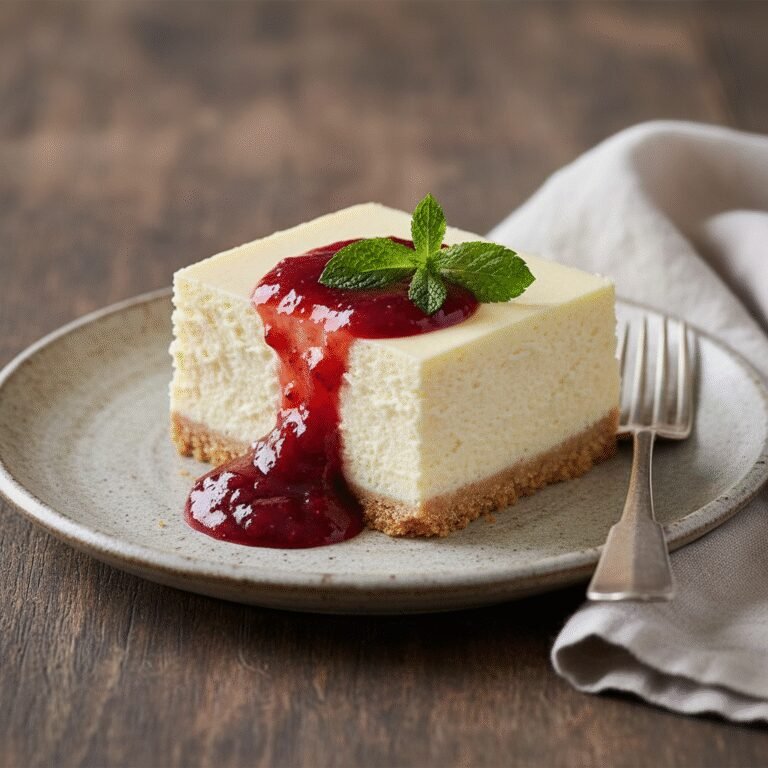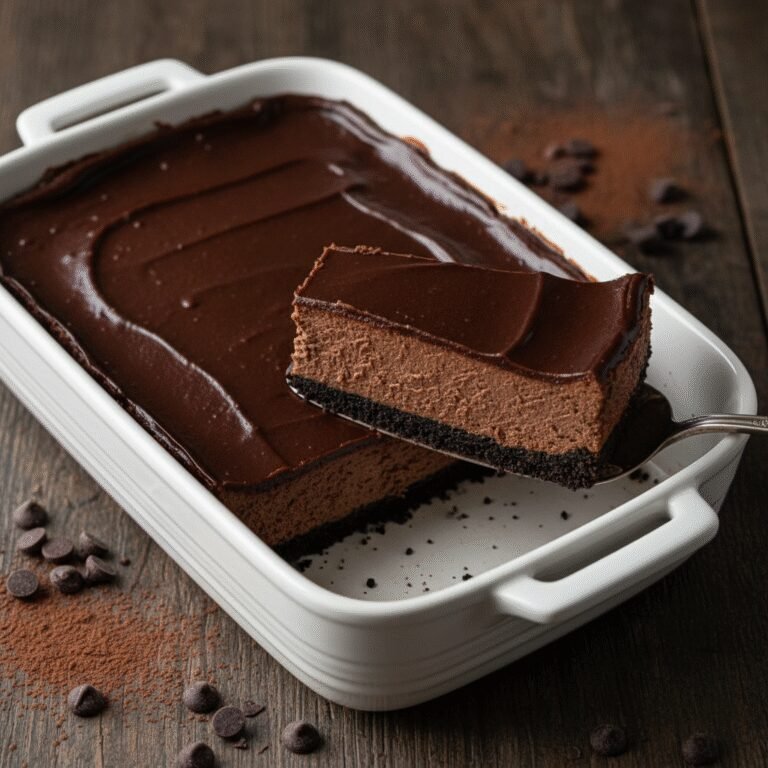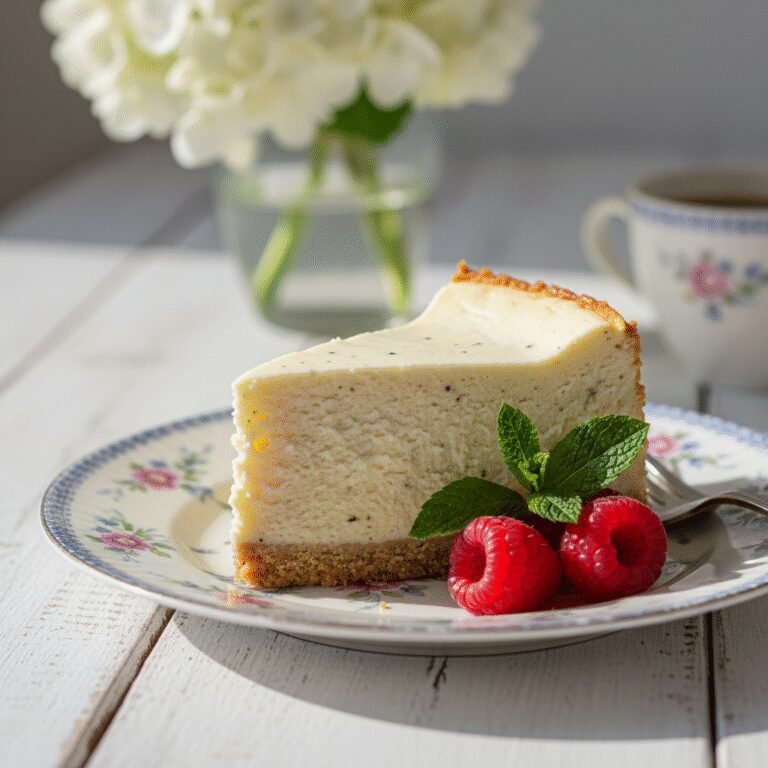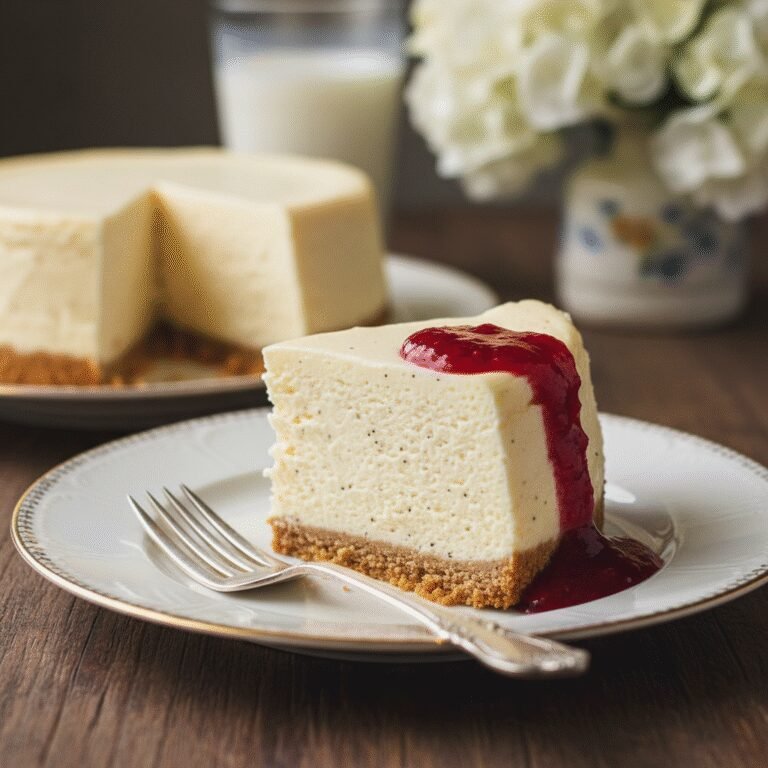
Ultimate Creamy Chocolate Cheesecake With Toasted Almond Crust
Creamy Chocolate Cheesecake With Almond Crust Recipe
Indulge in the velvety richness of this triple-chocolate cheesecake, resting on a nutty, gluten-free toasted almond crust. It is the perfect sophisticated dessert for holidays, dinner parties, or whenever you need a slice of pure chocolate bliss.
30 minutes
1 hour 15 minutes
8 hours (includes cooling)
12 servings
Dessert
Baking
American
Gluten-Free
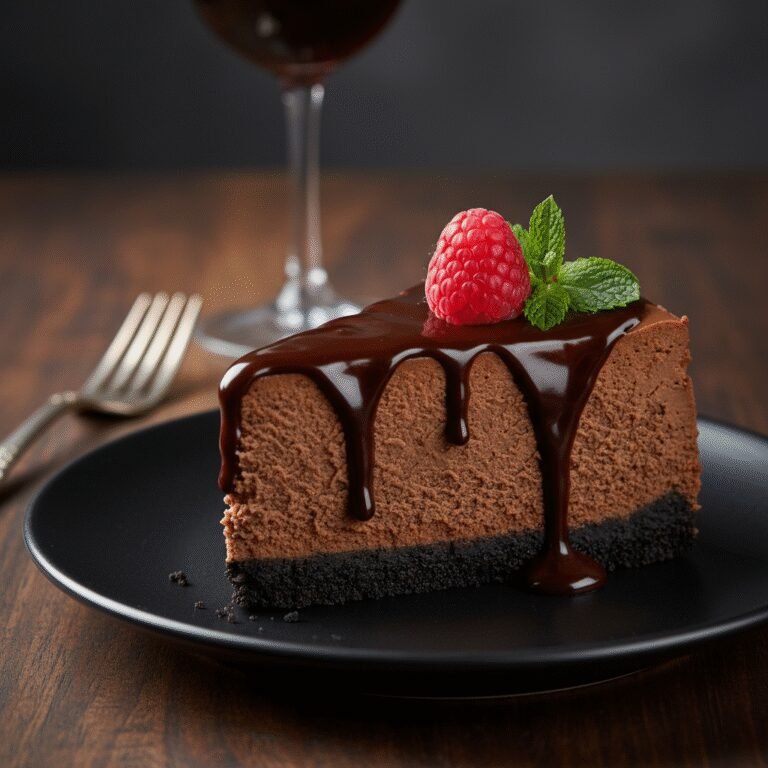
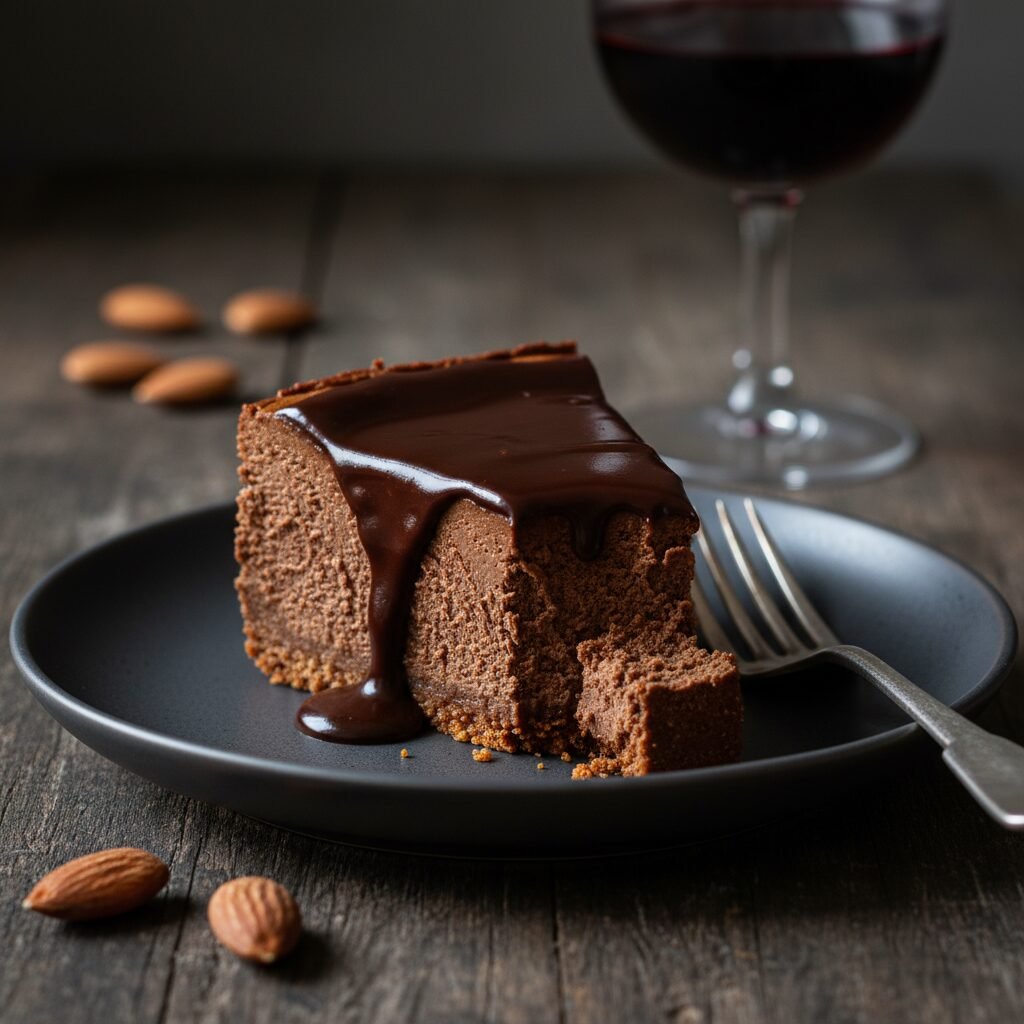
There are few desserts that command the room quite like a perfectly executed chocolate cheesecake. This recipe is not just another dessert; it is an experience in texture and flavor that bridges the gap between a dense New York-style slice and a delicate French chocolate mousse. The journey begins with the crust. While traditional cheesecakes rely on graham crackers, we have elevated the foundation with a toasted almond crust. The natural oils and nutty aroma of the almonds provide a savory counterpoint to the sweetness of the filling, adding a sophisticated depth that a simple cookie crumb cannot achieve. As you bite into a slice, the first thing you notice is the resistance of the ganache topping, followed immediately by the ultra-creamy, almost ethereal chocolate filling. This filling is achieved by carefully balancing high-quality semi-sweet chocolate with full-fat cream cheese and a touch of sour cream for tang. The result is a dessert that is intensely chocolatey without being cloying. It is the kind of recipe that food bloggers dream of—visually stunning with its dark, moody hues, yet approachable enough for the home baker to master. Whether you are looking to impress guests at a festive gathering or simply treating yourself to a weekend baking project, this Creamy Chocolate Cheesecake with Almond Crust is guaranteed to become a permanent fixture in your recipe binder. It captures the essence of comfort food while maintaining an air of elegance, making it a versatile showstopper for any occasion.
History & Origins
The history of cheesecake is a culinary voyage that spans thousands of years, originating long before cream cheese was even invented. The earliest attested mention of a cheesecake comes from the ancient Greek physician Aegimus, who wrote a book on the art of making cheesecakes in the 5th century BC. These early versions, served to athletes at the first Olympic Games in 776 BC, were simple mixtures of flour, wheat, honey, and cheese, baked into a cake. As the Roman Empire expanded, they adopted the recipe, adding crushed cheese and eggs, serving it warm under the name ‘libum.’ The recipe traveled across Europe, evolving with local ingredients. However, the modern cheesecake we know and love today is distinctly American. In 1872, a New York dairyman named William Lawrence accidentally invented cream cheese while trying to replicate French Neufchâtel. This creamy, tangy cheese became the base for the iconic New York Style cheesecake, popularized by Arnold Reuben in the 1920s. The introduction of chocolate to the batter is a more recent 20th-century innovation, born from the American love affair with chocolate bars and cocoa. The specific variation of using an almond crust likely stems from the late 20th and early 21st-century dietary shifts towards gluten-free and low-carb eating, where nut flours replaced wheat. This recipe honors that long lineage, combining the ancient technique of baked cheese custards with modern American creaminess and the timeless appeal of chocolate.
Why This Recipe Works
This recipe succeeds where many others fail because it meticulously addresses the science of custard baking. First, the almond crust is pre-baked. Almond flour has a high oil content; by toasting it in the oven before adding the wet filling, we develop a depth of flavor via the Maillard reaction and ensure the crust stays crisp rather than becoming soggy under the weight of the cheese. Second, the filling ratio is critical. Many chocolate cheesecakes turn out dry or chalky because the cocoa solids absorb moisture. To combat this, we utilize a combination of melted chocolate and a high-fat dairy profile (full-fat cream cheese, sour cream, and heavy cream). The sour cream acts as a tenderizer, breaking down protein chains to ensure a silky mouthfeel. Third, the baking method utilizes a water bath (bain-marie). Chocolate proteins are sensitive to heat and can easily seize or become grainy. The water bath generates gentle, moist steam, keeping the oven environment humid and the temperature around the cake stable. This prevents the outer edges from overcooking before the center is set, eliminating the dreaded surface cracks. Finally, cooling the cake gradually in the turned-off oven allows the structure to settle slowly, preventing thermal shock and sinking.
Why You’ll Love This Recipe
- ✓Naturally gluten-free almond crust adds a nutty crunch.
- ✓Triple chocolate threat: cocoa in the crust, melted chocolate in the filling, and ganache on top.
- ✓Water bath technique ensures a crack-free, silky surface.
- ✓Perfect balance of tangy cream cheese and deep cocoa notes.
- ✓Can be made up to 2 days in advance for stress-free hosting.
Equipment You’ll Need
- ✓9-inch Springform pan
- ✓Stand mixer or electric hand mixer
- ✓Large roasting pan (for water bath)
- ✓Aluminum foil (heavy duty)
- ✓Rubber spatula
- ✓Food processor (optional for crust)
- ✓Saucepan (for ganache)
Ingredients
- ✓2 cups almond flour
- ✓1/4 cup cocoa powder (for crust)
- ✓1/3 cup unsalted butter, melted
- ✓3 tbsp granulated sugar (for crust)
- ✓32 oz cream cheese, room temperature
- ✓1 1/2 cups granulated sugar (for filling)
- ✓3/4 cup sour cream, room temperature
- ✓1 tsp vanilla extract
- ✓4 large eggs, room temperature
- ✓10 oz semi-sweet chocolate, melted and slightly cooled
- ✓1/2 cup heavy cream (for ganache)
- ✓4 oz dark chocolate chopped (for ganache)
Instructions
- Preheat your oven to 325°F (163°C). Tightly wrap the bottom and sides of a 9-inch springform pan with 3-4 layers of heavy-duty aluminum foil to prevent water leakage.
- In a medium bowl, mix the almond flour, 1/4 cup cocoa powder, 3 tbsp sugar, and melted butter until the mixture resembles wet sand. Press this firmly into the bottom of the prepared pan. Bake for 10 minutes, then set aside to cool.
- In a large mixing bowl or stand mixer fitted with the paddle attachment, beat the room temperature cream cheese and 1 1/2 cups sugar on medium-low speed until completely smooth and creamy. Scrape down the sides of the bowl.
- Add the sour cream and vanilla extract, mixing until combined. Add the eggs one at a time, beating on low speed just until incorporated. Do not overmix, as this incorporates air which causes cracks.
- Fold in the melted semi-sweet chocolate using a rubber spatula until the batter is uniform in color.
- Pour the batter over the cooled crust. Tap the pan gently on the counter to release any trapped air bubbles.
- Place the springform pan inside the large roasting pan. Place the roasting pan in the oven and carefully pour boiling water into the roasting pan until it reaches halfway up the sides of the springform pan.
- Bake for 60-75 minutes. The center should still be slightly wobbly (like Jell-O) while the edges are set. Turn off the oven and crack the door open slightly. Let the cheesecake cool in the oven for 1 hour.
- Remove from the water bath and run a thin knife around the edge to loosen it from the pan. Let it cool completely to room temperature, then refrigerate for at least 6 hours or overnight.
- Before serving, make the ganache: Heat heavy cream until simmering, pour over chopped dark chocolate, let sit for 5 minutes, then whisk until smooth. Pour over the chilled cheesecake.
Expert Cooking Tips
- ✓Ensure all dairy ingredients are at room temperature to prevent a lumpy batter.
- ✓Use high-quality chocolate bars rather than chocolate chips for a smoother melt and better flavor.
- ✓Do not skip the water bath; it is the secret to that professional, crack-free texture.
- ✓Avoid overmixing the batter once the eggs are added to prevent the cheesecake from puffing up and then collapsing.
- ✓Use heavy-duty foil or a slow-cooker liner bag around the springform pan to guarantee no water seeps into the crust.
- ✓Slice with a knife dipped in hot water and wiped clean between cuts for perfect, sharp edges.
Substitutions and Variations
This recipe is quite versatile. If you need a nut-free option, you can replace the almond flour with an equal amount of crushed gluten-free chocolate sandwich cookies or traditional graham cracker crumbs mixed with a tablespoon of cocoa powder. For the sweetener, you can substitute granulated sugar with monk fruit sweetener or erythritol for a keto-friendly version, though the texture may be slightly less dense. If you prefer a lighter chocolate flavor, you can use milk chocolate instead of semi-sweet, but reduce the sugar in the filling by 1/4 cup to avoid it being too sweet. Greek yogurt can be substituted for sour cream in a pinch, provided it is full-fat and plain. For the ganache, coconut cream can replace heavy cream for a dairy-free topping, although the cheesecake itself relies heavily on dairy.
Common Mistakes to Avoid
The most common mistake is using cold ingredients. Cold cream cheese will not blend smoothly, leading to small white lumps in your chocolate batter. Another frequent error is overbaking. If the cheesecake looks completely firm in the oven, it is already overdone and will likely crack and have a grainy texture upon cooling. Trust the wobble! Also, rushing the cooling process is detrimental. Putting a hot cheesecake directly into the fridge will cause condensation to form on the surface, making the crust soggy and potentially causing the top to crack due to thermal shock. Finally, ensure your water bath doesn’t leak; a soggy crust ruins the entire dessert.
Serving Suggestions
Serve this rich dessert in thin slices, as it is quite dense. It pairs beautifully with fresh berries, particularly raspberries or strawberries, which provide a tart contrast to the rich chocolate. A dollop of unsweetened whipped cream or a dusting of espresso powder can also elevate the presentation. For beverages, a dark roast coffee, espresso, or a glass of red wine like Cabernet Sauvignon or a tawny port complements the chocolate notes perfectly.
Storage and Reheating Tips
Leftover cheesecake should be stored in the refrigerator, loosely covered with plastic wrap or in an airtight container, for up to 5 days. For longer storage, this cheesecake freezes exceptionally well. Wrap individual slices or the whole cake tightly in plastic wrap, followed by a layer of aluminum foil. It can be frozen for up to 3 months. Thaw overnight in the refrigerator before serving. Do not freeze with the ganache topping if possible, as the texture of the ganache may change; add fresh ganache after thawing.
Nutrition Facts (Estimated)
| Serving Size | 1 slice |
| Calories | 580 |
| Fat | 45g |
| Saturated Fat | 24g |
| Unsaturated Fat | 18g |
| Trans Fat | 0g |
| Cholesterol | 145mg |
| Sodium | 290mg |
| Carbohydrates | 38g |
| Fiber | 4g |
| Sugar | 32g |
| Protein | 10g |
Frequently Asked Questions
Can I make this cheesecake without a water bath?
Technically yes, but we highly recommend against it. Without a water bath, the texture will be closer to a dense torte, the edges may overcook, and the surface is very likely to crack.
Why did my cheesecake crack?
Cracks are usually caused by overbeating the eggs (adding air), overbaking (drying it out), or cooling it too quickly (thermal shock). Following the cooling steps in the recipe prevents this.
Is this recipe Keto-friendly?
The crust is low-carb due to the almond flour. To make the entire cake Keto, swap the sugar for a granular sweetener like Swerve or Allulose and use sugar-free chocolate.
Can I use cocoa powder instead of melted chocolate for the filling?
It is not recommended. Melted chocolate provides cocoa butter, which helps set the cheesecake and gives it that creamy, truffle-like texture. Cocoa powder alone would make it drier.
How do I know when it is done baking?
Gently shake the pan. The outer 2 inches should look set and matte, while the center 3-4 inches should jiggle like gelatin. It will firm up as it cools.
Can I make this ahead of time?
Yes, cheesecakes actually taste better after resting for 24 hours. You can make it up to 2 days before your event.
My springform pan leaks water. What can I do?
Wrap the pan in multiple layers of wide heavy-duty foil. Alternatively, place the springform pan inside a slightly larger solid cake pan, and place that nested set into the water bath.
Can I use milk chocolate?
Yes, but the cheesecake will be much sweeter and lighter in color. Reduce the added sugar in the recipe by about 1/4 cup if doing so.
Conclusion
Mastering this Creamy Chocolate Cheesecake with Almond Crust is a culinary achievement that pays off in every decadent bite. It is a testament to how simple, high-quality ingredients can come together to create something truly magical. The nutty, toasted aroma of the almond crust combined with the smooth, luxurious chocolate filling creates a harmony of flavors that is hard to beat. Whether you are a seasoned baker or trying your hand at a water bath for the first time, this recipe is designed to guide you to success. So, preheat that oven, melt that chocolate, and get ready to enjoy a dessert that is sure to become a legend in your kitchen. Happy baking!