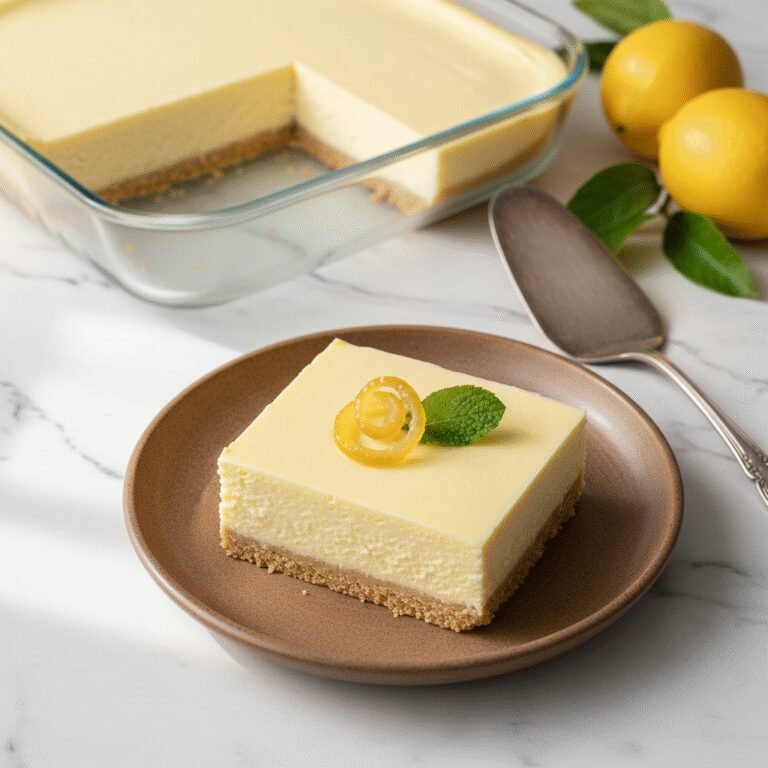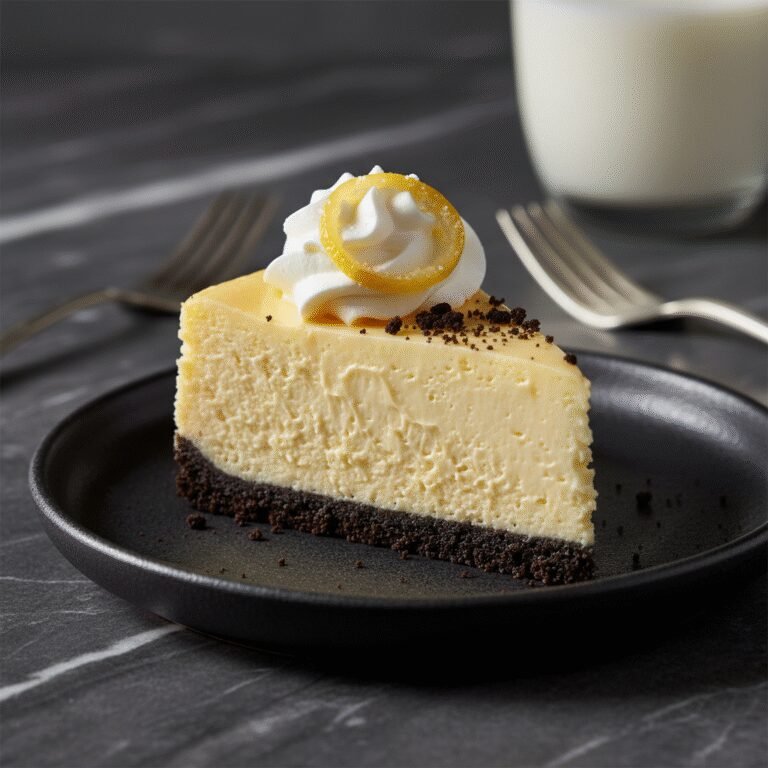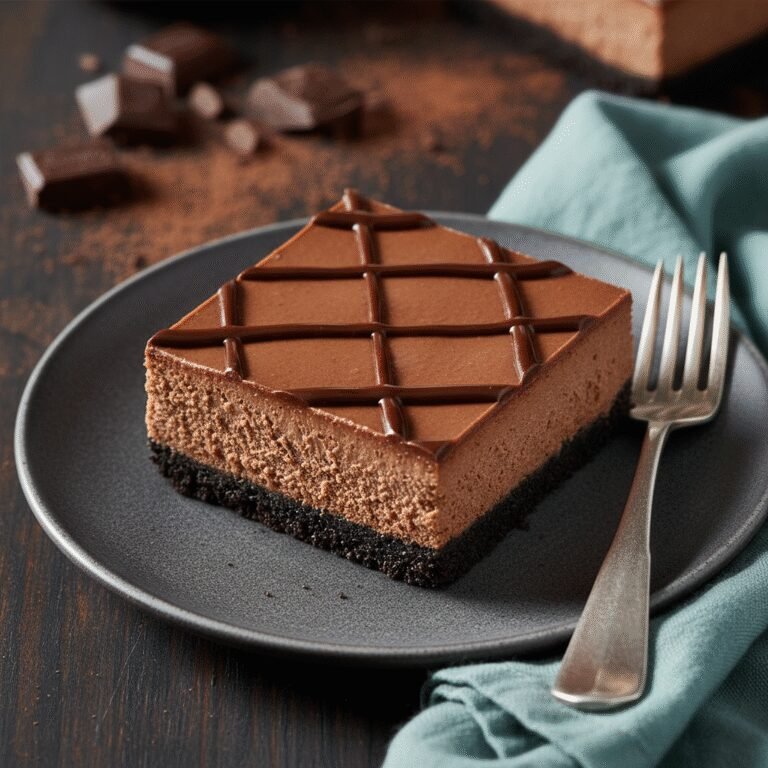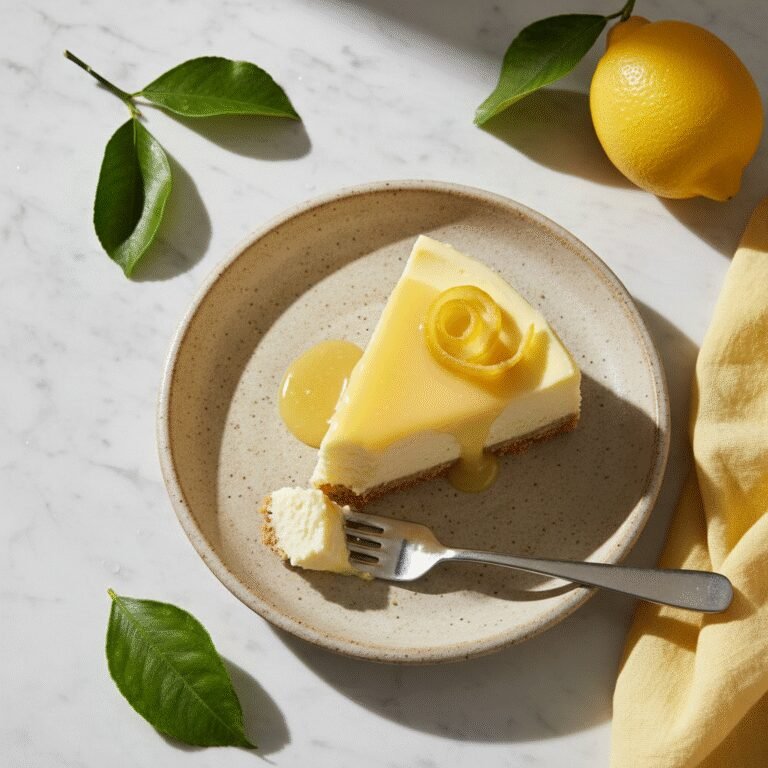
Ultimate Creamy Mini New York Cheesecakes with Graham Cracker Crust
Creamy New York Cheesecake Mini Cheesecake Recipe
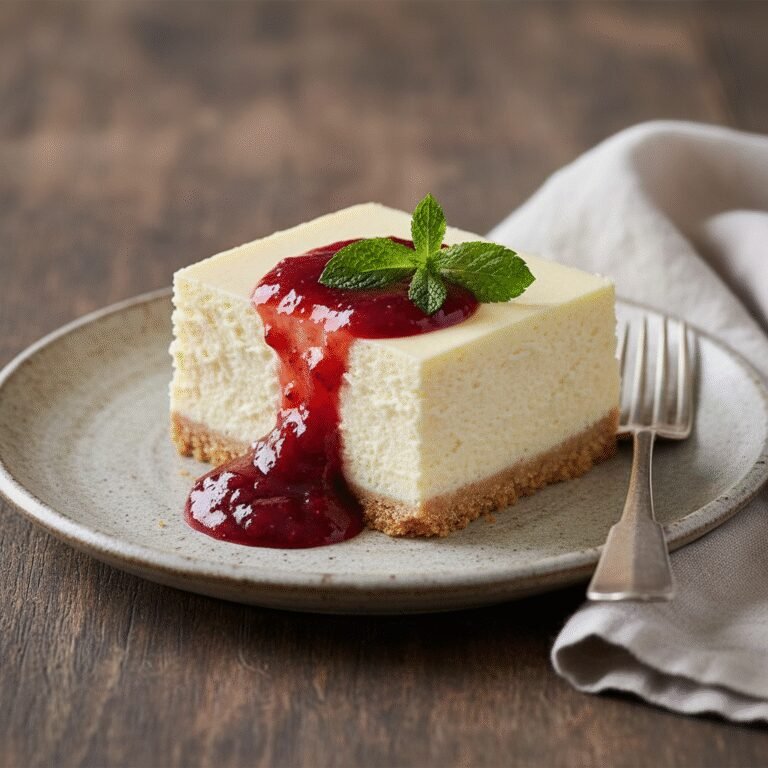
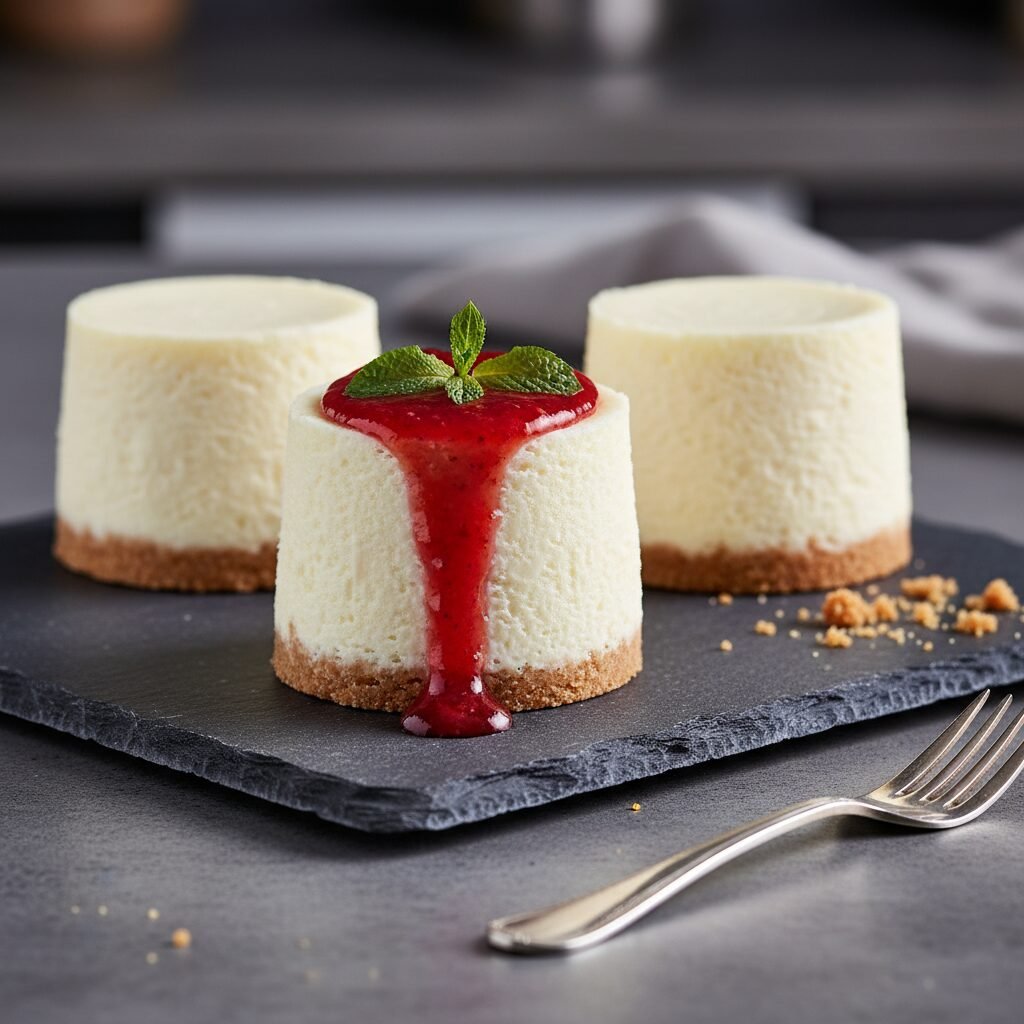
Experience the decadent richness of a classic New York cheesecake in a convenient, bite-sized format. These mini cheesecakes feature a buttery graham cracker crust and a dense, velvety filling that bakes to perfection without a water bath, making them the ultimate hassle-free dessert for any occasion.
20 minutes
18 minutes
3 hours (includes cooling time)
12 mini cheesecakes
Dessert
Baking
American
Vegetarian
There is something undeniably magical about a slice of New York cheesecake. It is the gold standard of desserts—dense, rich, tangy, and impossibly creamy. However, the prospect of baking a full-sized cheesecake can be daunting for even the most seasoned home bakers. Between the finicky water baths, the risk of the dreaded surface crack, and the hours of waiting for the center to set, it is often a labor of love that requires significant time and emotional energy. Enter the Mini New York Cheesecake: the perfect solution that delivers all the gourmet satisfaction of the original without the stress.
This recipe captures the very essence of the New York style, characterized by its heavy reliance on cream cheese and the addition of heavy cream or sour cream to create that signature satin-like texture. Unlike the fluffier, ricotta-based Italian versions, these mini cheesecakes are substantial and satisfying. By shrinking the portion size, we not only create a built-in portion control mechanism (though it is hard to eat just one!) but we also drastically reduce the baking time and eliminate the need for a bain-marie.
Whether you are hosting a sophisticated dinner party, preparing a dessert spread for a holiday gathering, or simply craving a sweet treat on a Tuesday night, these mini cheesecakes are your answer. They serve as a perfect blank canvas for a myriad of toppings—from a simple dollop of strawberry coulis or salted caramel to fresh berries and chocolate shavings. The result is a bakery-quality dessert that looks adorable, tastes luxurious, and is surprisingly simple to execute in a standard home kitchen.
History & Origins
The lineage of the cheesecake is as rich and layered as the dessert itself, tracing its roots back over 4,000 years to ancient Greece. While many associate the dessert with modern American indulgence, the earliest known reference comes from the physician Aegimus, who wrote a book on the art of making cheesecakes (plakous) in the 5th century BC. These early iterations were simple mixtures of cheese, honey, and wheat, often served to athletes during the first Olympic Games in 776 BC for energy.
As the Roman Empire expanded, they adopted the recipe, adding eggs and baking it under hot bricks, renaming it ‘libum.’ The Romans spread the concept of cheesecake across Europe as they conquered new territories. However, the cheesecake as we know it today began to take shape much later, specifically with the accidental invention of cream cheese in America. In 1872, a New York dairyman named William Lawrence was attempting to replicate the French cheese Neufchâtel. Instead, he created a richer, creamier ‘unripened cheese’ that would eventually be marketed as Philadelphia Cream Cheese.
The specific ‘New York Style’ cheesecake emerged in the early 20th century. While the exact origin is debated, Arnold Reuben, the owner of the legendary Turf Restaurant in NYC, is often credited with creating the first modern NY cheesecake recipe in 1929 after tasting a cheese pie at a dinner party. His version used cream cheese and eggs to create a dense, smooth consistency. This style was further popularized by Lindy’s restaurant in Midtown Manhattan, cementing the heavy, rich, cream-cheese-based cake as a culinary icon of the city. Today, the New York cheesecake stands apart from its counterparts due to its density, relying on heavy cream or sour cream and omitting the meringue-like fluffiness found in other variations.
Why This Recipe Works
Achieving the perfect cheesecake texture is often seen as the holy grail of baking, and this recipe is engineered to deliver that specific ‘New York’ density and creaminess with a fraction of the effort required for a full-sized cake. The primary reason this recipe works so well lies in the ratio of full-fat ingredients. We use brick-style cream cheese rather than tub spreads; the lower moisture content in the brick cheese ensures the filling sets firm but remains creamy, avoiding a soupy center.
Furthermore, the inclusion of sour cream is a critical chemical component. The acidity in the sour cream breaks down the protein strands in the cheese and eggs, resulting in a tender crumb that melts in your mouth rather than feeling rubbery. It also adds that subtle, signature tang that cuts through the richness of the sugar and fat.
The ‘mini’ format is not just about aesthetics; it is a superior cooking method for beginners. A standard 9-inch cheesecake requires a water bath to distribute heat gently and prevent the edges from overcooking before the center is done. In a muffin tin, the heat penetrates the smaller volume of batter much more evenly and quickly. This eliminates the need for steam, drastically reduces the risk of cracking, and ensures a uniform texture from edge to center. Finally, the two-stage cooling process—shutting the oven off and cracking the door—allows the proteins to settle slowly, preventing the thermal shock that causes sinking.
Why You’ll Love This Recipe
- ✓No water bath required, simplifying the baking process.
- ✓Perfectly portioned for parties and easy serving.
- ✓Dense, creamy, and authentic New York-style texture.
- ✓Highly customizable with various fruit or chocolate toppings.
- ✓Freezes beautifully for make-ahead dessert prep.
- ✓Uses simple pantry staples found in most kitchens.
Equipment You’ll Need
- ✓Standard 12-cup muffin tin
- ✓Paper cupcake liners
- ✓Electric hand mixer or stand mixer
- ✓Large mixing bowl
- ✓Medium mixing bowl
- ✓Measuring cups and spoons
- ✓Shot glass or small tamper (for pressing crust)
Ingredients
- ✓3/4 cup graham cracker crumbs (about 5-6 full sheets)
- ✓1 1/2 tablespoons granulated sugar (for crust)
- ✓3 tablespoons unsalted butter, melted
- ✓16 oz (2 blocks) full-fat cream cheese, softened to room temperature
- ✓1/2 cup granulated sugar (for filling)
- ✓1/2 cup sour cream, room temperature
- ✓1 teaspoon pure vanilla extract
- ✓2 large eggs, room temperature
- ✓Optional: Lemon zest (1 tsp) for brightness
Instructions
- Preheat your oven to 350°F (175°C). Line a standard 12-cup muffin tin with paper cupcake liners.
- To make the crust: In a medium bowl, combine the graham cracker crumbs, 1 1/2 tablespoons of sugar, and the melted butter. Stir until the mixture resembles wet sand.
- Evenly distribute the crust mixture among the 12 muffin cups (about 1 tablespoon per cup). Use a small glass or the back of a spoon to press the crumbs firmly into the bottom to form a compact base.
- Bake the crusts for 5 minutes. Remove from the oven and allow them to cool slightly while you prepare the filling. Keep the oven on.
- To make the filling: In a large bowl using a handheld mixer or the bowl of a stand mixer fitted with the paddle attachment, beat the softened cream cheese on medium speed until completely smooth and creamy. This usually takes about 2-3 minutes. Scrape down the sides of the bowl.
- Add the 1/2 cup sugar and beat again until combined and fluffy.
- Add the sour cream, vanilla extract, and lemon zest (if using). Mix until just combined, scraping down the sides of the bowl to ensure no lumps remain.
- Add the eggs one at a time, mixing on low speed just until incorporated. Do not overmix after adding the eggs, as this introduces air bubbles that can cause cracks.
- Divide the batter evenly over the pre-baked crusts, filling each liner almost to the top.
- Bake for 15-18 minutes. The cheesecakes are done when the edges are set but the centers still have a slight jiggle to them. Do not overbake.
- Turn off the oven and open the oven door slightly. Let the cheesecakes sit in the cooling oven for 10-15 minutes to cool gradually.
- Remove the muffin tin from the oven and let the cheesecakes cool completely in the tin at room temperature (about 30-60 minutes).
- Once cool, transfer the cheesecakes (still in liners) to an airtight container or cover the tin loosely with plastic wrap. Refrigerate for at least 2 hours, preferably overnight, to allow the flavor and texture to mature before serving.
Expert Cooking Tips
- ✓Room temperature ingredients are non-negotiable. Cold cream cheese will result in a lumpy batter.
- ✓Beat the cream cheese thoroughly before adding eggs; once eggs are added, mix as little as possible to avoid air bubbles.
- ✓Press the crust firmly. A loose crust will crumble when you peel off the wrapper.
- ✓Do not peek! Opening the oven door during baking causes temperature fluctuations that can lead to sinking.
- ✓Use full-fat ingredients. Low-fat cream cheese often contains fillers and water that prevent the cheesecake from setting properly.
- ✓Tap the bowl on the counter a few times before pouring batter to release trapped air bubbles.
- ✓If the tops crack slightly, don’t worry—topping them with fruit or whipped cream hides all imperfections.
Substitutions and Variations
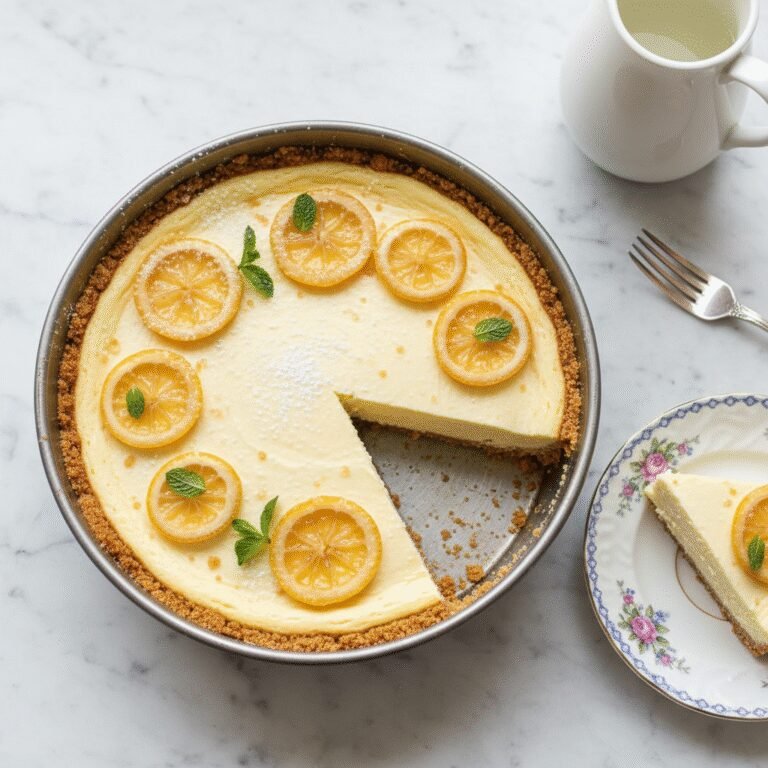
This recipe is quite versatile regarding dietary adjustments and flavor profiles. For the crust, if you cannot find graham crackers, digestive biscuits (common in the UK) or crushed vanilla wafers work perfectly. For a gluten-free version, simply swap the graham crackers for a gluten-free brand or use a nut-based crust made from almond flour and butter.
Regarding the filling, while full-fat cream cheese is standard, you can substitute the sour cream with full-fat plain Greek yogurt for a slightly tangier, protein-rich alternative. Do not substitute the cream cheese for whipped cream cheese varieties, as the air content will ruin the texture. If you want to flavor the cheesecake base, you can swirl in a tablespoon of fruit preserves, melted chocolate, or caramel sauce before baking, though this may slightly alter the baking time.
Common Mistakes to Avoid
The most common mistake when making cheesecakes is temperature management. Using cold ingredients is the number one culprit for lumpy batter. If your cream cheese is cold, it won’t emulsify with the sugar, leaving tiny white specks in your final product. Another major error is overmixing the batter after the eggs are added. Overmixing incorporates too much air, which causes the cheesecakes to puff up like soufflés in the oven and then collapse and crack as they cool.
Additionally, overbaking is a frequent issue. People often wait until the center looks firm, but by then, the residual heat will turn the texture dry and grainy. Trust the ‘jiggle’—the center should move like set gelatin when you shake the pan. Finally, rushing the cooling process by putting hot cheesecakes directly into the fridge will cause condensation to form, making the crusts soggy.
Serving Suggestions
These mini cheesecakes are delightful on their own, but they truly shine with toppings. For a classic approach, top with a spoonful of cherry or strawberry pie filling. For fresh elegance, arrange fresh raspberries, blueberries, and a sprig of mint on top. If you are feeling decadent, a drizzle of salted caramel sauce and a sprinkle of sea salt is divine.
For parties, create a ‘Cheesecake Bar’ where guests can customize their own. Put out bowls of crushed Oreos, chocolate chips, whipped cream, lemon curd, and various fruit coulis. Serve these chilled on a tiered platter for a beautiful presentation. They pair wonderfully with hot coffee, espresso, or a dessert wine like Moscato.
Storage and Reheating Tips
These mini cheesecakes store exceptionally well, making them a perfect make-ahead dessert. In the refrigerator, they should be kept in an airtight container to prevent them from absorbing fridge odors. They will stay fresh for up to 5 days.
For longer storage, they are freezer-friendly. Once completely chilled, place the cheesecakes (without toppings) on a baking sheet to freeze solid, then transfer them to a freezer-safe heavy-duty bag. They can be frozen for up to 3 months. To serve, thaw them in the refrigerator overnight. Do not microwave them to thaw, as the cheese will melt. Add your fresh toppings just before serving for the best texture.
Nutrition Facts (Estimated)
| Serving Size | 1 mini cheesecake |
| Calories | 210 |
| Fat | 15g |
| Saturated Fat | 9g |
| Unsaturated Fat | 5g |
| Trans Fat | 0g |
| Cholesterol | 55mg |
| Sodium | 160mg |
| Carbohydrates | 18g |
| Fiber | 0.5g |
| Sugar | 14g |
| Protein | 4g |
Frequently Asked Questions
Why did my mini cheesecakes sink in the middle?
Sinking is usually caused by overmixing the eggs, which incorporates too much air. The cakes puff up in the oven and then collapse. Cooling them too quickly can also cause sinking; try the oven-door-ajar method.
Can I make these without a muffin tin?
Technically yes, you could use silicone molds or ramekins placed on a baking sheet, but a muffin tin is the standard tool that ensures the correct shape and baking time.
How do I know exactly when they are done?
Look for the edges to be slightly puffed and set, while the center dime-sized area still wobbles slightly when you gently shake the pan. They will firm up as they cool.
Do I really need to use paper liners?
Yes, paper liners are highly recommended. Cheesecake is sticky, and trying to pry them out of an unlined metal tin often results in them breaking apart. Foil liners also work well.
Can I double this recipe?
Absolutely. This recipe doubles easily. Just ensure you have enough muffin tins or bake in batches. If baking two tins at once, rotate them halfway through baking.
Why is my crust soggy?
A soggy crust usually happens if the butter wasn’t mixed well or if the cheesecakes were covered while still warm, creating condensation. Pre-baking the crust helps keep it crisp.
Can I use low-fat cream cheese?
It is not recommended. Low-fat versions have higher water content and stabilizers that can affect the setting ability and creamy texture. For the best result, stick to full-fat brick style.
Can I leave the cheesecakes out overnight?
No. Since they contain a high amount of dairy and eggs, cheesecakes must be refrigerated. Do not leave them out for more than 2 hours at room temperature.
Conclusion
These Creamy New York Cheesecake Mini Cheesecakes are the epitome of high-reward, low-effort baking. They offer the sophisticated, velvety texture of a high-end bakery treat with the convenience of a cupcake. Whether you are a novice baker looking for a foolproof win or a pro looking for a quick dessert fix, this recipe is sure to earn a permanent spot in your collection. The versatility in toppings means you can reinvent them for every season—pumpkin spice in the fall, fresh berries in the summer, or peppermint chocolate in the winter. So, grab your muffin tin and get ready to impress your friends, family, and most importantly, your own taste buds with these little bites of heaven.