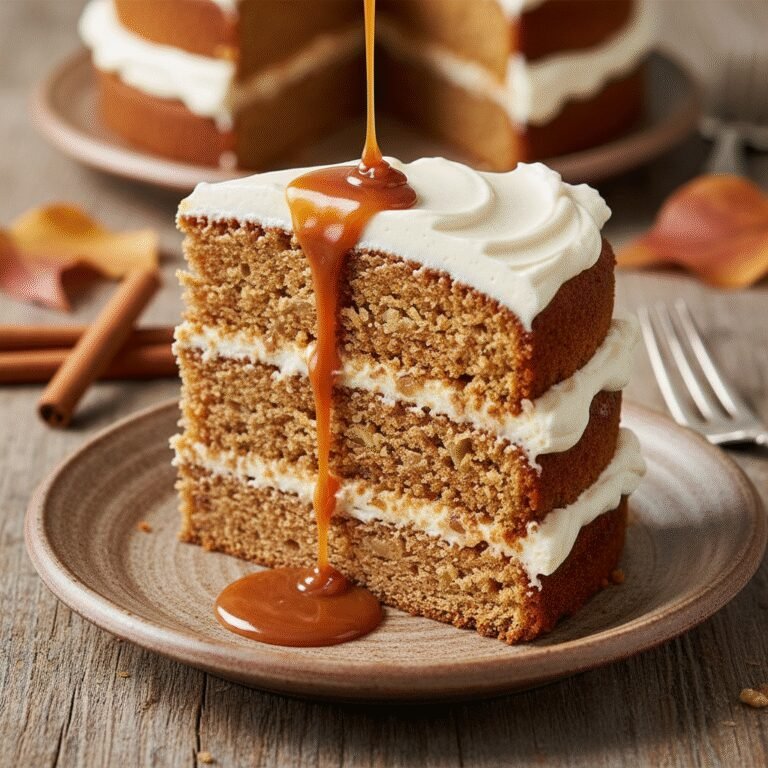

Incredibly Moist Chai Spice Loaf Cake with Vanilla Bean Glaze
Moist Chai Spice Cake Loaf Cake Recipe
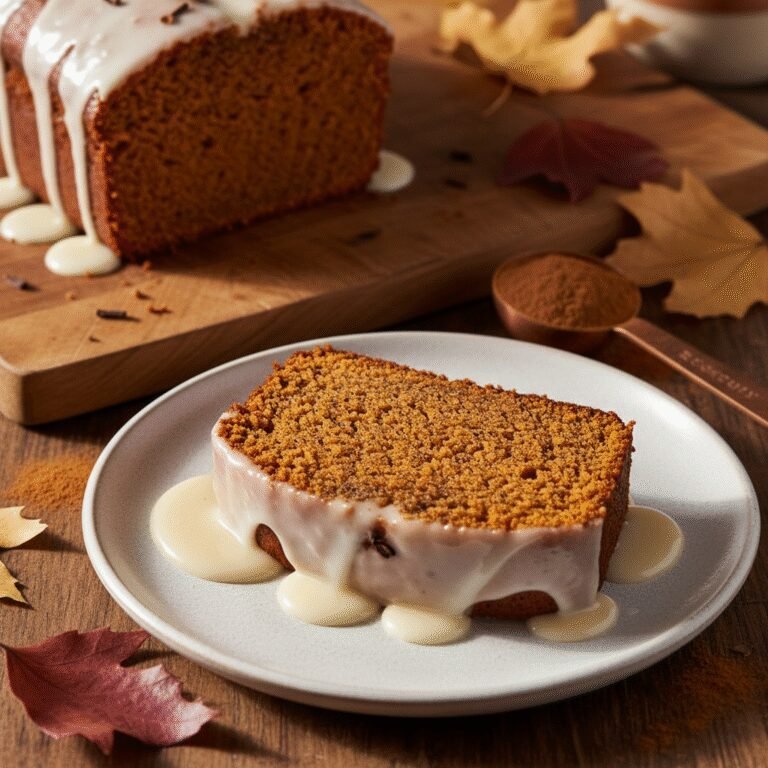
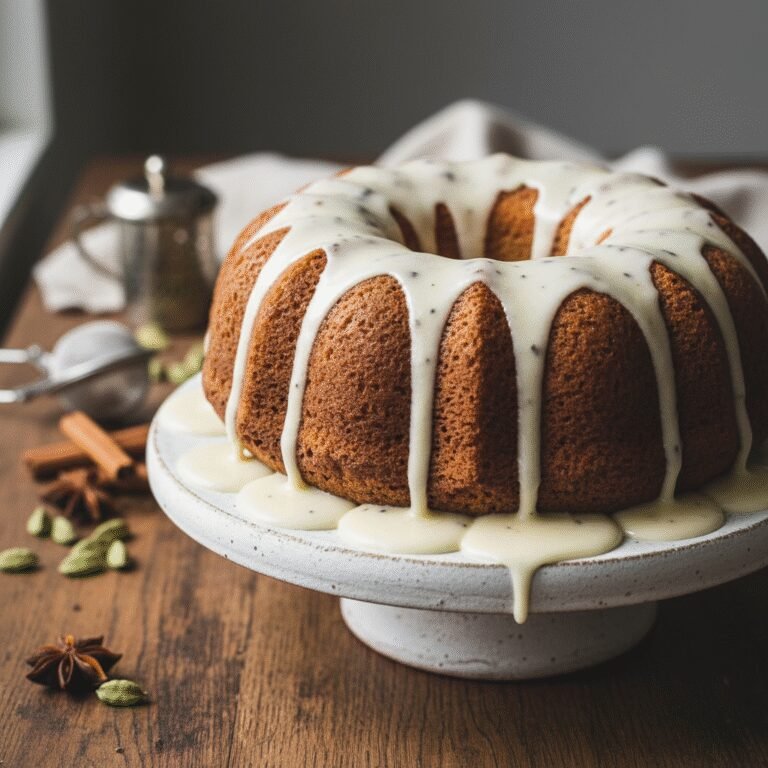
This incredibly moist Chai Spice Loaf Cake brings the cozy warmth of your favorite coffee shop latte into a tender, aromatic bake. Infused with a homemade masala spice blend and topped with a sweet vanilla bean glaze, it is the ultimate comfort food for crisp mornings or afternoon tea.
20 minutes
55 minutes
1 hour 15 minutes
1 Loaf (10-12 slices)
Dessert
Baking
American Fusion
Vegetarian
There is something undeniably magical about the aroma of chai spices wafting through a home kitchen. It signals comfort, warmth, and a slowing down of time. This Moist Chai Spice Loaf Cake is designed to capture that exact feeling in every bite. Unlike generic spice cakes that rely solely on cinnamon, this recipe dives deep into the complex flavor profile of traditional Masala Chai. We utilize a robust blend of cardamom, ginger, cloves, nutmeg, and black pepper to create a cake that sings with flavor without being overpowering.
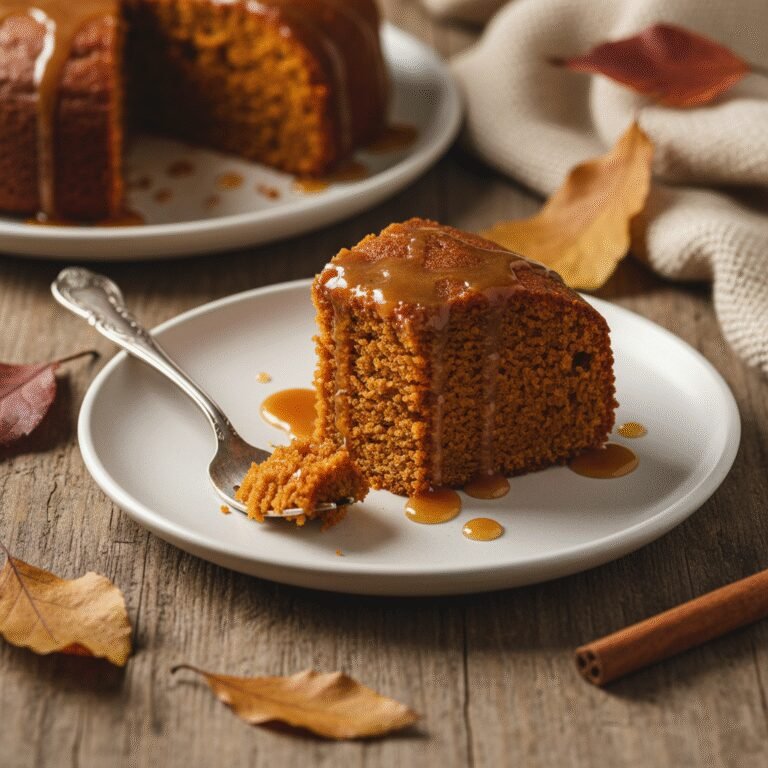
The texture here is just as important as the taste. Many loaf cakes suffer from being too dry or dense, but this recipe employs a specific combination of oil, butter, and sour cream to ensure a crumb that is velvety, tender, and stays moist for days. It is the kind of cake that slices perfectly, holding its shape while melting in your mouth. Whether you are looking for a sophisticated addition to a holiday brunch spread, a thoughtful homemade gift for a neighbor, or simply a sweet treat to enjoy alongside your morning coffee, this loaf delivers. The finishing touch—a thick, snowy white glaze speckled with real vanilla bean—adds a creamy sweetness that perfectly balances the spicy warmth of the crumb. Get ready to meet your new favorite fall and winter baking staple.
History & Origins
The origins of the flavor profile in this cake trace back thousands of years to the Indian subcontinent. ‘Chai’ simply translates to ‘tea’ in Hindi, derived from the Mandarin word ‘cha.’ However, what Westerners typically refer to as ‘Chai’ is actually ‘Masala Chai,’ meaning ‘mixed spice tea.’ Historically, the blend of spices—karha—was used in Ayurvedic medicine long before tea leaves were added. This ancient concoction of ginger, black pepper, cardamom, cloves, and cinnamon was brewed as a healing beverage to aid digestion, improve circulation, and boost immunity.
The introduction of black tea leaves happened much later, largely influenced by the British colonization of India in the 19th century. The British East India Company set up tea plantations in Assam to break the Chinese monopoly on tea. To popularize tea consumption locally, vendors (chai wallahs) began adding milk, sugar, and their traditional spices to the potent black tea, creating the Masala Chai we know today.
The transition of these flavors into Western baking is a relatively modern phenomenon, gaining traction in the late 20th century with the rise of global coffee shop culture in the United States. As the ‘Chai Tea Latte’ became a staple on café menus, bakers began experimenting with incorporating those same aromatic spices into scones, cookies, and cakes. This loaf cake represents a fusion of the traditional British ‘tea cake’ format—a dense, sweet bread meant to be eaten with afternoon tea—with the bold, ancient spice palette of India.
Why This Recipe Works
This recipe succeeds where many others fail due to three critical factors: the lipid balance, the spice blooming, and the acidity. First, regarding the fat content, we use a hybrid approach. Butter provides that classic, rich dairy flavor that we crave in baked goods, but oil is superior at coating flour proteins and preventing gluten formation, which keeps the cake tender. Oil also remains liquid at room temperature, meaning the cake stays moist significantly longer than an all-butter cake. By using both, we get the best of both worlds: flavor and texture longevity.
Secondly, this recipe doesn’t just ask you to dump dry spices into the flour. We encourage ‘blooming’ the spices or ensuring they are fresh, and in some variations, infusing the milk with tea bags. This hydration allows the essential oils in the spices (like the eugenol in cloves and cinnamaldehyde in cinnamon) to release more effectively, distributing flavor evenly throughout the batter rather than leaving you with pockets of blandness.
Finally, the inclusion of sour cream (or full-fat Greek yogurt) is a game-changer. The acidity in the cultured dairy reacts with the baking soda to create lift, ensuring the loaf isn’t heavy or brick-like. Furthermore, the protein structure of the yogurt helps tighten the crumb just enough so it doesn’t crumble apart when sliced, resulting in that professional bakery-style texture.
Why You’ll Love This Recipe
- ✓Authentic Masala Chai flavor using a custom spice blend.
- ✓Stays moist for up to 5 days thanks to sour cream and oil.
- ✓Quick preparation with no stand mixer required.
- ✓Perfect balance of spicy warmth and sweet vanilla glaze.
- ✓Fills your entire house with an incredible aromatic scent.
Equipment You’ll Need
- ✓9×5 inch Loaf Pan
- ✓Large Mixing Bowl
- ✓Medium Mixing Bowl
- ✓Whisk
- ✓Rubber Spatula
- ✓Measuring Cups and Spoons
- ✓Wire Cooling Rack
- ✓Parchment Paper
Ingredients
- ✓2 cups All-Purpose Flour
- ✓1 teaspoon Baking Powder
- ✓1/2 teaspoon Baking Soda
- ✓1/2 teaspoon Salt
- ✓2 teaspoons Ground Cinnamon
- ✓1 1/2 teaspoons Ground Cardamom
- ✓1 teaspoon Ground Ginger
- ✓1/2 teaspoon Ground Cloves
- ✓1/4 teaspoon Ground Nutmeg
- ✓1/4 teaspoon Ground Black Pepper
- ✓1 cup Granulated Sugar
- ✓1/2 cup Unsalted Butter, melted and slightly cooled
- ✓1/4 cup Vegetable Oil (or Canola)
- ✓2 Large Eggs, room temperature
- ✓1 teaspoon Pure Vanilla Extract
- ✓3/4 cup Sour Cream or Full-Fat Greek Yogurt, room temperature
- ✓1/4 cup Milk (optional: steeped with 1 bag of black tea for extra strength)
- ✓FOR THE GLAZE: 1 cup Powdered Sugar
- ✓FOR THE GLAZE: 2-3 tablespoons Milk or Heavy Cream
- ✓FOR THE GLAZE: 1/2 teaspoon Vanilla Bean Paste or Extract
Instructions
- Preheat your oven to 350°F (175°C). Grease a 9×5 inch loaf pan with butter or non-stick spray and line it with parchment paper, leaving an overhang on the long sides for easy removal.
- In a medium bowl, whisk together the flour, baking powder, baking soda, salt, cinnamon, cardamom, ginger, cloves, nutmeg, and black pepper. Ensure the spices are evenly distributed. Set aside.
- In a large mixing bowl, whisk together the melted butter, vegetable oil, and granulated sugar until well combined and slightly glossy.
- Add the eggs one at a time, whisking well after each addition. Stir in the vanilla extract.
- Whisk in the sour cream (or Greek yogurt) and the milk until the wet mixture is smooth and uniform.
- Gently fold the dry ingredients into the wet ingredients using a rubber spatula. Mix only until no streaks of flour remain. Do not overmix, or the cake will become tough.
- Pour the batter into the prepared loaf pan and smooth the top with the spatula. Tap the pan gently on the counter once to release any large air bubbles.
- Bake for 50-60 minutes, or until a toothpick inserted into the center comes out clean or with just a few moist crumbs attached. If the top starts browning too quickly after 40 minutes, loosely tent the pan with aluminum foil.
- Remove the cake from the oven and let it cool in the pan for 15 minutes. Then, use the parchment paper handles to lift the cake out and transfer it to a wire rack to cool completely before glazing.
- To make the glaze, whisk together the powdered sugar, vanilla bean paste, and 2 tablespoons of milk. Add more milk, a teaspoon at a time, until you reach a thick but pourable consistency.
- Drizzle the glaze over the completely cooled cake. Allow the glaze to set for 15 minutes before slicing.
Expert Cooking Tips
- ✓Room Temperature Ingredients: Ensure your eggs, sour cream, and milk are at room temperature. This helps them emulsify properly, creating a smooth batter and a better rise.
- ✓Don’t Skimp on Cardamom: Cardamom is the signature flavor of chai. If you can, buy whole pods and grind the seeds yourself for an explosion of flavor.
- ✓The Toothpick Test: Loaf cakes can be tricky. The top may look done while the middle is raw. Always test the very center of the loaf.
- ✓Tea Infusion: For an extra kick, heat the 1/4 cup of milk and steep a black tea bag in it for 5 minutes, then let it cool before adding to the batter.
- ✓Weigh Your Flour: If possible, use a kitchen scale (approx 120g per cup). If using cups, spoon the flour in and level it off rather than scooping, which packs the flour and leads to a dry cake.
- ✓Cool Completely: Do not glaze a warm cake. The glaze will simply melt and run off, soaking into the cake and making it soggy.
Substitutions and Variations
This recipe is quite resilient and allows for several substitutions. For a **gluten-free version**, swap the all-purpose flour for a high-quality 1:1 Gluten-Free Baking Flour blend (ensure it contains xanthan gum). To make this **dairy-free**, replace the butter with melted vegan butter or coconut oil, use a plant-based yogurt (like coconut or almond yogurt) instead of sour cream, and use almond or oat milk for the liquid. If you don’t have **sour cream**, full-fat plain Greek yogurt is the best alternative, but buttermilk can also work (though the batter will be thinner). Regarding the **spices**, if you don’t have individual spices on hand, you can use 3-4 teaspoons of a pre-made ‘Chai Spice Blend’ or ‘Pumpkin Pie Spice’ (though you may want to add extra cardamom and a pinch of pepper to get the authentic chai profile).
Common Mistakes to Avoid
The most common mistake with loaf cakes is **overmixing the batter**. Once the flour hits the liquid, gluten begins to develop. If you whisk vigorously, you will end up with a rubbery, dense loaf rather than a tender cake. Always switch to a spatula and fold gently. Another issue is **overbaking**. Because loaf pans are deep, the edges cook faster than the center. If you wait until the top is very dark, the cake might be dry. Trust the toothpick test and use foil to protect the top if needed. Finally, using **stale spices** is a recipe killer here. Since this cake relies entirely on spices for flavor, using cinnamon or cardamom that has been sitting in your cupboard for three years will result in a bland, lackluster cake.
Serving Suggestions
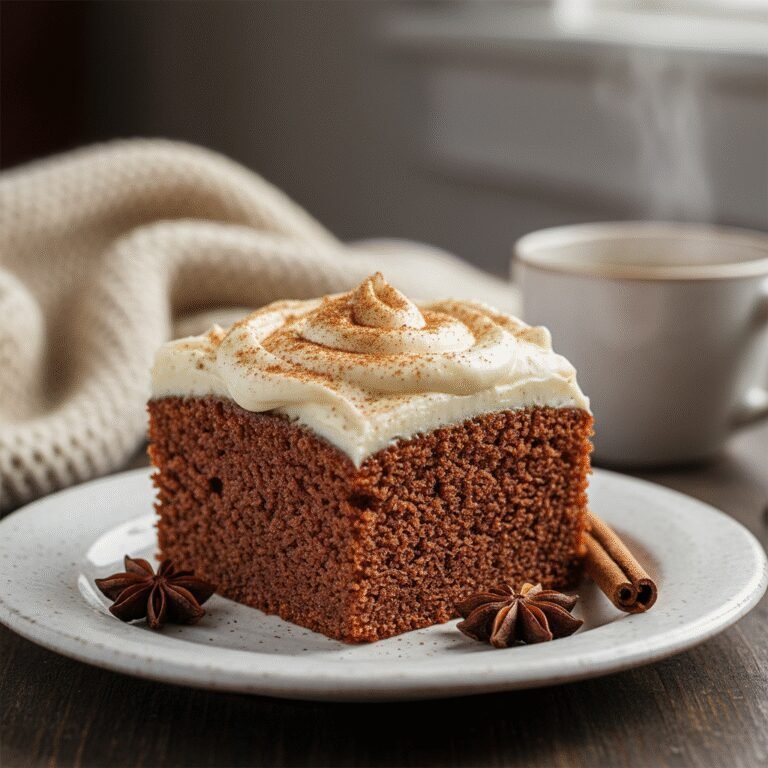
This Moist Chai Spice Loaf Cake is versatile enough for breakfast, snack time, or dessert. Serve a thick slice slightly warmed with a pat of salted butter to contrast the sweet glaze. It pairs exceptionally well with a hot cup of coffee, an Earl Grey tea, or, naturally, a hot Chai Latte. For a more decadent dessert presentation, serve a slice with a dollop of whipped cream and a dusting of cinnamon, or even a scoop of vanilla bean ice cream. It is also fantastic served alongside poached pears or stewed apples in the autumn months.
Storage and Reheating Tips
This cake stores beautifully and often tastes even better the next day as the spices have time to meld. Store the cake in an airtight container at **room temperature for up to 4 days**. If you live in a very hot or humid climate, you may want to store it in the refrigerator for up to a week, but bring it to room temperature before eating for the best texture. **To freeze**: Slice the cake (without glaze is best, but glazed works too) and wrap each slice tightly in plastic wrap, then place them in a freezer-safe bag. Freeze for up to 3 months. Thaw on the counter for 30 minutes before enjoying.
Nutrition Facts (Estimated)
| Serving Size | 1 slice |
| Calories | 340 |
| Fat | 16g |
| Saturated Fat | 6g |
| Unsaturated Fat | 9g |
| Trans Fat | 0g |
| Cholesterol | 45mg |
| Sodium | 180mg |
| Carbohydrates | 48g |
| Fiber | 1g |
| Sugar | 28g |
| Protein | 4g |
Frequently Asked Questions
Can I use a chai tea concentrate instead of spices?
While you can replace the milk with a strong chai concentrate, relying solely on liquid concentrate usually doesn’t provide enough flavor intensity for a baked good. Dry ground spices are much more potent and are recommended for the best result.
Why did my loaf cake sink in the middle?
Sinking usually happens for two reasons: the cake was underbaked (the structure hadn’t set yet) or there was too much leavening (baking powder/soda) which caused it to rise too fast and then collapse. Ensure your oven temperature is accurate and test the center for doneness.
Can I make this into muffins instead?
Yes! This batter works great for muffins. Line a muffin tin and bake at 350°F (175°C) for 18-22 minutes. The yield will be approximately 12-14 muffins.
Is this cake spicy?
It has a warmth to it, but it is not ‘spicy’ like a chili pepper. The black pepper and ginger add a pleasant heat that tickles the back of the throat, but the sugar and fat balance it out. It is generally very kid-friendly.
Can I reduce the sugar?
You can reduce the sugar by about 1/4 cup without ruining the structure, but keep in mind that sugar contributes to the moisture and tenderness of the cake, not just the sweetness. Reducing it too much may result in a drier loaf.
Do I have to use black pepper?
It is highly recommended for an authentic Chai profile! You won’t taste ‘pepper’ distinctly; it acts as a flavor enhancer that bridges the gap between the sweet cinnamon and the spicy ginger. However, you can omit it if you prefer.
Can I add nuts or mix-ins?
Absolutely. Chopped walnuts, pecans, or pistachios make a great addition. You could also add white chocolate chips or dried cranberries. Fold in up to 3/4 cup of mix-ins at the very end.
My glaze is too runny, what do I do?
Simply add more powdered sugar, a tablespoon at a time, whisking until it thickens. If it’s too thick, add a few drops of milk.
Conclusion
Baking this Moist Chai Spice Loaf Cake is an act of self-care. From the moment you begin measuring the aromatic spices to the final drizzle of the vanilla bean glaze, the process is as rewarding as the result. It captures the essence of the cooler seasons, wrapping you in a blanket of warmth and flavor. Whether you are a seasoned baker or a novice in the kitchen, this recipe is forgiving, reliable, and guaranteed to impress. So, put the kettle on, preheat your oven, and get ready to enjoy a slice of pure comfort. Don’t forget to pin this recipe for your next baking day!