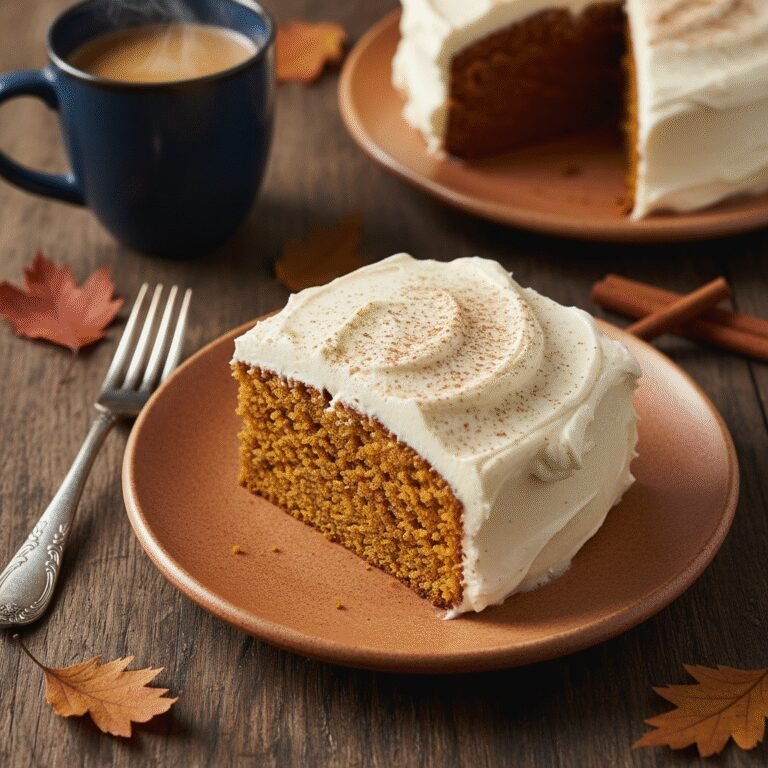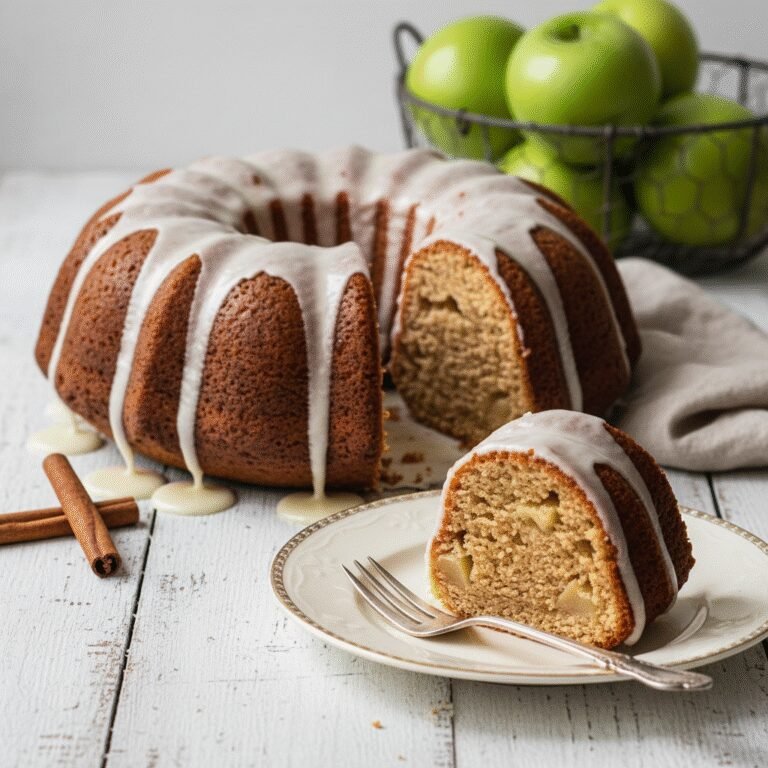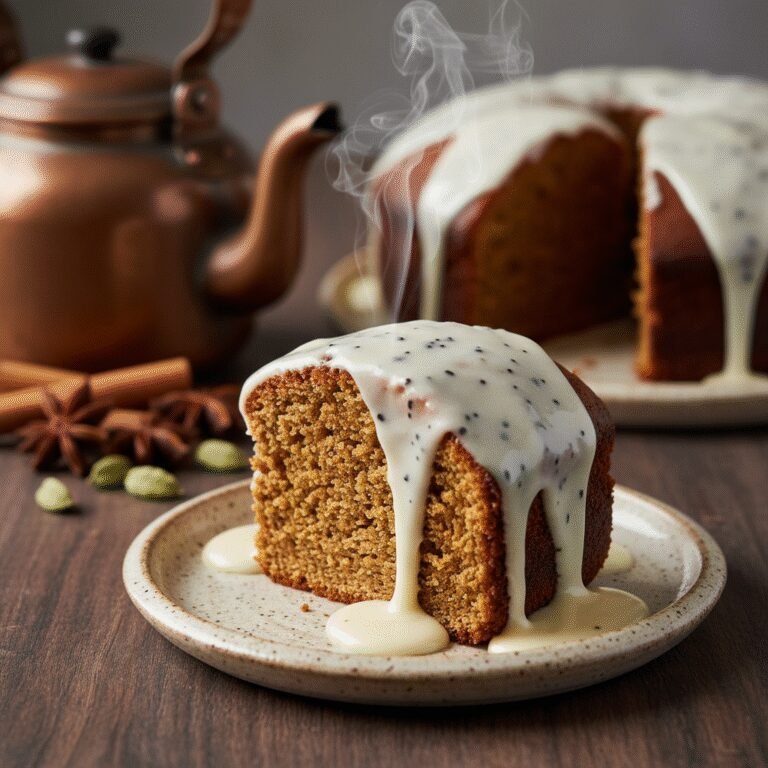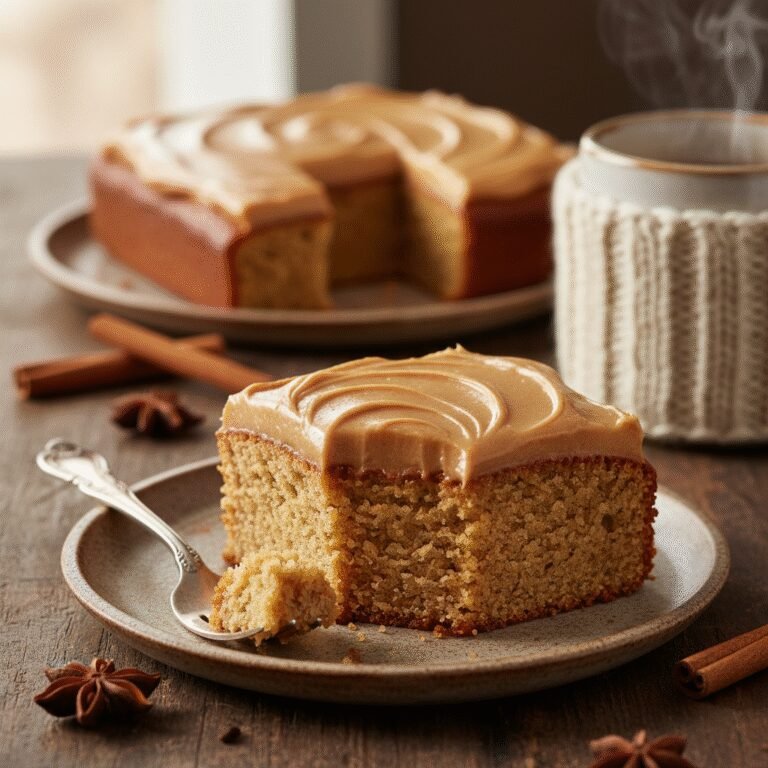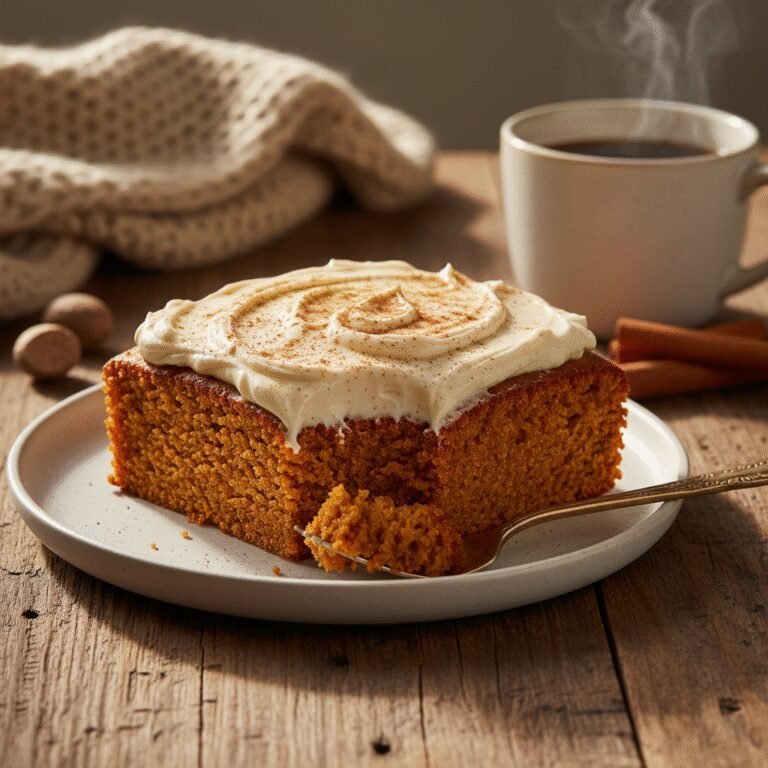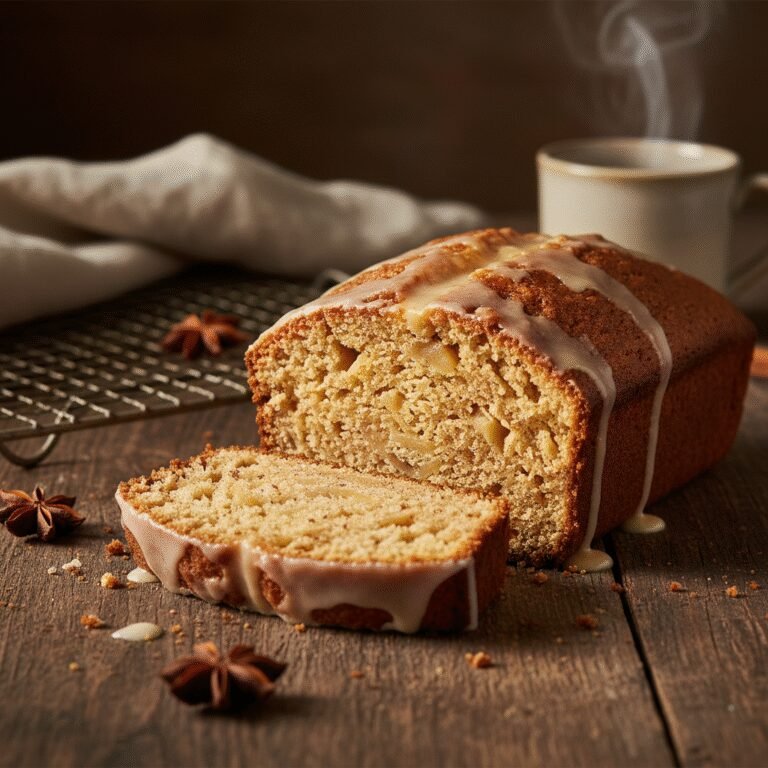
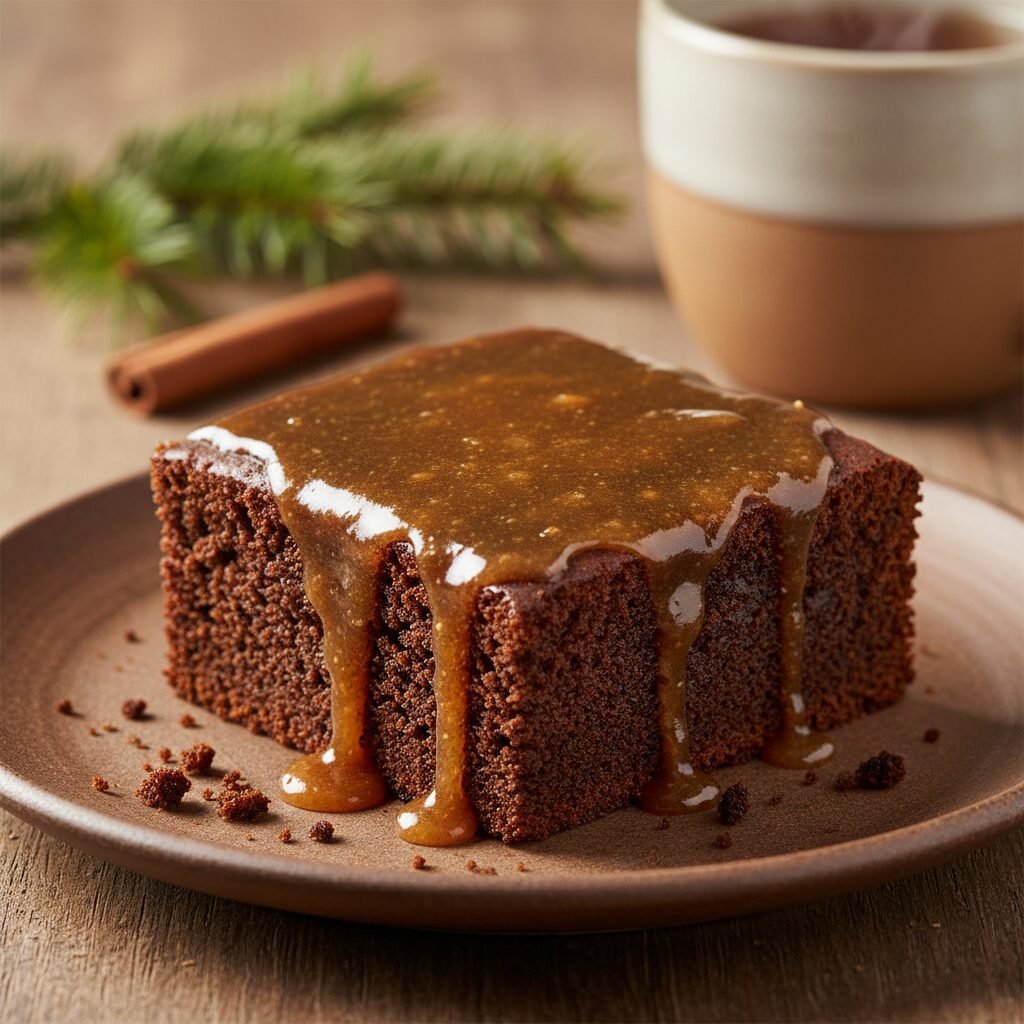
The Ultimate Moist Gingerbread Cake With Maple Glaze
Moist Gingerbread Cake With Maple Glaze Recipe
Embrace the cozy flavors of the season with this incredibly moist Gingerbread Cake, topped with a silky, sweet maple glaze. Infused with warm spices and rich molasses, this old-fashioned recipe is the perfect holiday dessert that actually tastes better the next day.
20 minutes
35 minutes
55 minutes
9 squares (8×8 pan) or 12 slices
Dessert
Baking
American / European
Vegetarian
There is something profoundly magical about the aroma of gingerbread baking in the oven. It is more than just a scent; it is a time machine that instantly transports you to cozy winter evenings, crackling fireplaces, and the anticipation of the holidays. This Moist Gingerbread Cake with Maple Glaze is the epitome of that nostalgic comfort, but elevated with a texture so tender and a flavor profile so robust, it puts dry, lackluster spice cakes to shame. Unlike the sturdy gingerbread men cookies built for decorating, this cake is all about the crumb—dark, dense yet fluffy, and incredibly moist.
The secret lies in the harmonious marriage of dark molasses and a blend of four essential spices: ginger, cinnamon, cloves, and nutmeg. The molasses provides that signature deep amber color and a slight bitterness that cuts through the sugar, while the spices bloom in the heat, creating a sensory experience that warms you from the inside out. But we didn’t stop at the cake. To balance the earthy spice, we’ve paired it with a luxurious Maple Glaze. The glaze is simple, whisked together in seconds, but it adds a sticky, sweet finish that settles into the nooks and crannies of the cake, creating a textural contrast that is absolutely addictive.
Whether you are hosting a festive Christmas dinner, looking for a comforting treat to pair with your morning coffee, or simply craving a slice of winter magic, this recipe is your new go-to. It is unfussy, requiring no mixer if you prefer the hand-whisked method, and it possesses the rare quality of improving with age. As the cake sits, the spices meld and the moisture redistributes, making the second day’s slice even better than the first. Get ready to fill your kitchen with the most inviting scent imaginable.
History & Origins
The history of gingerbread is as rich and complex as its flavor profile, spanning centuries and crossing continents. The root of the recipe, ginger, was first cultivated in ancient China and spread to Europe via the Silk Road. By the Middle Ages, preserved ginger was a high-status ingredient, often used to disguise the taste of preserved meats. However, the concept of ‘gingerbread’ as a sweet treat began to take shape in medieval Europe.
Early European gingerbread wasn’t the soft cake we know today; it was often a dense, honey-sweetened paste pressed into intricate wooden molds, serving as both food and art. In fact, the craft was so respected that specialized ‘Gingerbread Guilds’ formed in Germany and France, and only professional gingerbread bakers were permitted to bake it, except during Christmas and Easter when restrictions were lifted for the general public.
The transition from crisp cookies to the soft, loaf-like cake (often called ‘pain d’épices’ in France) is largely attributed to the introduction of chemical leaveners like pearl ash (a precursor to baking soda) and the widespread availability of molasses in the 17th and 18th centuries, particularly in America. Molasses, a byproduct of sugar refining, became a staple in American pantries. George Washington’s mother, Mary Ball Washington, was famously known for her soft gingerbread recipe, which she served to the Marquis de Lafayette. This recipe pays homage to that American tradition of soft, molasses-rich cakes, evolving from a colonial staple to a modern holiday essential.
Why This Recipe Works
This recipe succeeds where many others fail—specifically in the battle against dryness. Gingerbread contains a high volume of spices and molasses, which can sometimes lead to a tough or rubbery texture if not balanced correctly. Here is the science behind why this version works perfectly:
First, we utilize the ‘hot liquid’ method. By adding boiling water (or hot coffee) to the batter at the very end, we do two things: we bloom the cocoa and spices to intensify their flavor immediately, and we melt the fats to ensure they coat the flour proteins, inhibiting gluten formation. Less gluten means a more tender, melt-in-your-mouth crumb.
Secondly, the interaction between the acidic molasses and the baking soda is crucial. Baking soda requires an acid to activate. The robust acidity of the molasses reacts vigorously with the soda, creating carbon dioxide bubbles that lift the heavy batter. This reaction also encourages browning (Maillard reaction), giving the cake its stunning dark mahogany color.
Finally, the fat ratio is optimized. While butter provides flavor, oil provides sensation. We use a blend (or lean heavily on oil in variations) because oil remains liquid at room temperature, ensuring the cake feels moist on the palate days after baking. Topped with a glaze that uses real maple syrup instead of just water or milk, the flavor profile is bridged perfectly between the spicy cake and the sugary topping.
Why You’ll Love This Recipe
- ✓Incredibly moist texture that stays fresh for days.
- ✓Rich, authentic flavor using a blend of four warm spices.
- ✓Easy one-bowl mixing method—no fancy equipment needed.
- ✓The maple glaze adds a glossy, professional finish.
- ✓Perfect for holiday gifting or make-ahead entertaining.
- ✓Fills your entire home with the scent of Christmas.
Equipment You’ll Need
- ✓8×8 or 9×9 inch square baking pan
- ✓Large mixing bowl
- ✓Medium mixing bowl
- ✓Whisk
- ✓Rubber spatula
- ✓Measuring cups and spoons
- ✓Saucepan or kettle (for boiling water)
- ✓Wire cooling rack
Ingredients
- ✓1/2 cup unsalted butter, softened
- ✓1/2 cup granulated white sugar
- ✓1 large egg, room temperature
- ✓1 cup unsulphured molasses (mild or robust, not blackstrap)
- ✓2 1/2 cups all-purpose flour
- ✓1 1/2 teaspoons baking soda
- ✓1 teaspoon ground cinnamon
- ✓1 teaspoon ground ginger
- ✓1/2 teaspoon ground cloves
- ✓1/2 teaspoon salt
- ✓1 cup hot water (or hot brewed coffee for depth)
- ✓For the Glaze: 1 cup powdered sugar
- ✓For the Glaze: 3 tablespoons pure maple syrup
- ✓For the Glaze: 1-2 tablespoons heavy cream or milk (to adjust consistency)
Instructions
- Preheat your oven to 350°F (175°C). Grease an 8×8 or 9×9 inch square baking pan with butter or non-stick spray. For easy removal, you can also line it with parchment paper, leaving an overhang on two sides.
- In a large mixing bowl, cream together the softened butter and granulated sugar using a whisk or electric hand mixer until light and fluffy (about 2-3 minutes).
- Add the egg to the butter mixture and beat until fully incorporated. Then, pour in the molasses and mix well. The mixture may look slightly curdled or separated at this stage; this is normal.
- In a separate medium bowl, sift together the flour, baking soda, cinnamon, ginger, cloves, and salt. Sifting is important here to remove any hard lumps of baking soda or ginger.
- Gradually add the dry ingredients to the wet molasses mixture. Stir gently with a spatula or spoon until just combined. Do not overmix.
- Carefully pour the hot water (or hot coffee) into the batter. Stir gently until the batter is smooth and uniform. The batter will be very thin and liquid-like; do not be alarmed, this ensures a moist cake.
- Pour the batter into the prepared baking pan. Tap the pan gently on the counter to release any large air bubbles.
- Bake in the center of the preheated oven for 30 to 35 minutes. Test for doneness by inserting a toothpick into the center; it should come out clean or with just a few moist crumbs attached. Do not overbake.
- Remove the cake from the oven and place the pan on a wire rack. Let it cool completely in the pan. The cake is very tender when warm and needs to set.
- While the cake cools, prepare the glaze. In a small bowl, whisk together the powdered sugar and maple syrup. Add the heavy cream or milk one teaspoon at a time until you reach a thick but pourable consistency.
- Once the cake is cool, drizzle the glaze generously over the top. Let the glaze set for about 15 minutes before slicing into squares.
Expert Cooking Tips
- ✓Use fresh spices: Ground ginger loses potency quickly. Ensure your spices are fresh for the best kick.
- ✓Do not use Blackstrap Molasses: It is too bitter and less sweet than regular unsulphured molasses, which will alter the taste significantly.
- ✓Room temperature ingredients: Ensure your egg and butter are at room temperature to create a smooth emulsion before adding the hot liquid.
- ✓Don’t skip the hot liquid: The hot water activates the baking soda immediately and helps bloom the cocoa/spices.
- ✓Watch the oven time: Gingerbread can go from moist to dry quickly. Check it 5 minutes before the timer goes off.
- ✓Let it cool: This cake is fragile when hot. Cutting it too soon will result in a crumbly mess.
Substitutions and Variations
This recipe is quite forgiving and allows for several substitutions. If you do not have unsalted butter, you can use salted butter and reduce the added salt in the recipe to 1/4 teaspoon. For a dairy-free version, substitute the butter with coconut oil or a neutral vegetable oil, and use almond milk or oat milk in the glaze. If you want a deeper, more complex flavor, swap the hot water for hot brewed coffee; the coffee enhances the molasses and spices without making the cake taste like a latte. For the flour, a 1:1 gluten-free baking flour blend (that includes xanthan gum) works wonderfully for those with gluten sensitivities. If you run out of maple syrup for the glaze, honey or agave nectar are suitable alternatives, though the flavor profile will shift slightly.
Common Mistakes to Avoid
The most common mistake with gingerbread is using the wrong type of molasses. Blackstrap molasses is very concentrated and bitter; always look for ‘unsulphured’, ‘mild’, or ‘robust’ molasses found in the baking aisle. Another error is overmixing the batter after adding the flour. Because this is a chemical-leavened cake, overmixing develops gluten which leads to a tough, rubbery texture rather than a tender crumb. Lastly, do not be afraid of the thin batter. Many bakers panic and add extra flour when they see how liquid the batter is after adding the hot water. Trust the recipe—the flour will hydrate during baking, resulting in that perfect moist texture.
Serving Suggestions
This gingerbread cake is versatile enough for breakfast, tea time, or dessert. Serve a warm square with a dollop of freshly whipped cream (unsweetened works best to balance the sweet glaze) or a scoop of vanilla bean ice cream. For a festive touch, garnish with candied ginger pieces, a sprinkle of cinnamon, or pomegranate seeds for a pop of color. It pairs exceptionally well with a hot cup of chai tea, black coffee, or a tall glass of cold milk.
Storage and Reheating Tips
One of the best features of gingerbread is its keeping quality. Store the cake in an airtight container at room temperature for up to 4-5 days; the flavors will actually meld and improve after the first 24 hours. If you live in a very hot or humid climate, you may want to refrigerate it, but bring it to room temperature before serving for the best texture. To freeze, wrap individual unglazed slices tightly in plastic wrap and then foil. Freeze for up to 3 months. Thaw on the counter and add the glaze fresh before serving.
Nutrition Facts (Estimated)
| Serving Size | 1 slice |
| Calories | 340 |
| Fat | 14g |
| Saturated Fat | 8g |
| Unsaturated Fat | 5g |
| Trans Fat | 0g |
| Cholesterol | 45mg |
| Sodium | 210mg |
| Carbohydrates | 52g |
| Fiber | 1g |
| Sugar | 28g |
| Protein | 3g |
Frequently Asked Questions
Why did my gingerbread cake sink in the middle?
Sinking usually happens if the oven door was opened too early, causing a temperature drop before the structure set, or if the cake was underbaked. It can also happen if there was too much leavening (baking soda).
Can I make this into cupcakes or muffins?
Yes! You can bake this batter in a muffin tin lined with paper liners. Bake at 350°F for roughly 18-22 minutes. Watch them closely as they bake faster than a whole cake.
Is fresh ginger better than ground ginger?
For this specific cake texture, ground ginger is preferred as it distributes evenly. However, adding 1 tablespoon of freshly grated ginger in addition to the ground ginger adds a wonderful spicy ‘zing’ if you love heat.
Can I use brown sugar instead of white sugar?
Yes, brown sugar works well and will add even more moisture and caramel flavor, though the cake is already very moist from the molasses.
What is the difference between gingerbread and ginger cake?
Historically, gingerbread could refer to crisp cookies or soft cakes. In modern terms, ‘gingerbread’ often implies the cookies used for houses, while ‘ginger cake’ or ‘soft gingerbread’ refers to this loaf-style dessert.
Can I bake this in a bundt pan?
This recipe yields enough for a small bundt or a loaf pan, but for a standard large 10-12 cup bundt pan, you should double the recipe to ensure it fills the pan nicely. Adjust baking time to 45-55 minutes.
How do I know when it is done?
The toothpick test is best. Insert it into the center; it should come out clean. Also, the cake should pull away slightly from the edges of the pan.
Can I omit the molasses?
No. Molasses is foundational to the flavor, color, and chemistry (reacting with baking soda) of gingerbread. Honey or maple syrup are not direct 1:1 substitutes for the baking chemistry here.
Why use hot water?
Hot water helps to ‘bloom’ the spices, releasing their oils for more flavor, and helps disperse the molasses evenly into the batter.
Conclusion
This Moist Gingerbread Cake with Maple Glaze is more than just a recipe; it is a holiday tradition waiting to happen in your kitchen. With its deep, spicy flavor profile and undeniably tender crumb, it captures the essence of winter warmth in every bite. Whether you are a seasoned baker or a novice, this straightforward, one-bowl method ensures success. So, brew a pot of coffee, gather your spices, and treat yourself and your loved ones to a slice of homemade comfort. Don’t forget to save a piece for the next day—if you can resist eating it all at once!