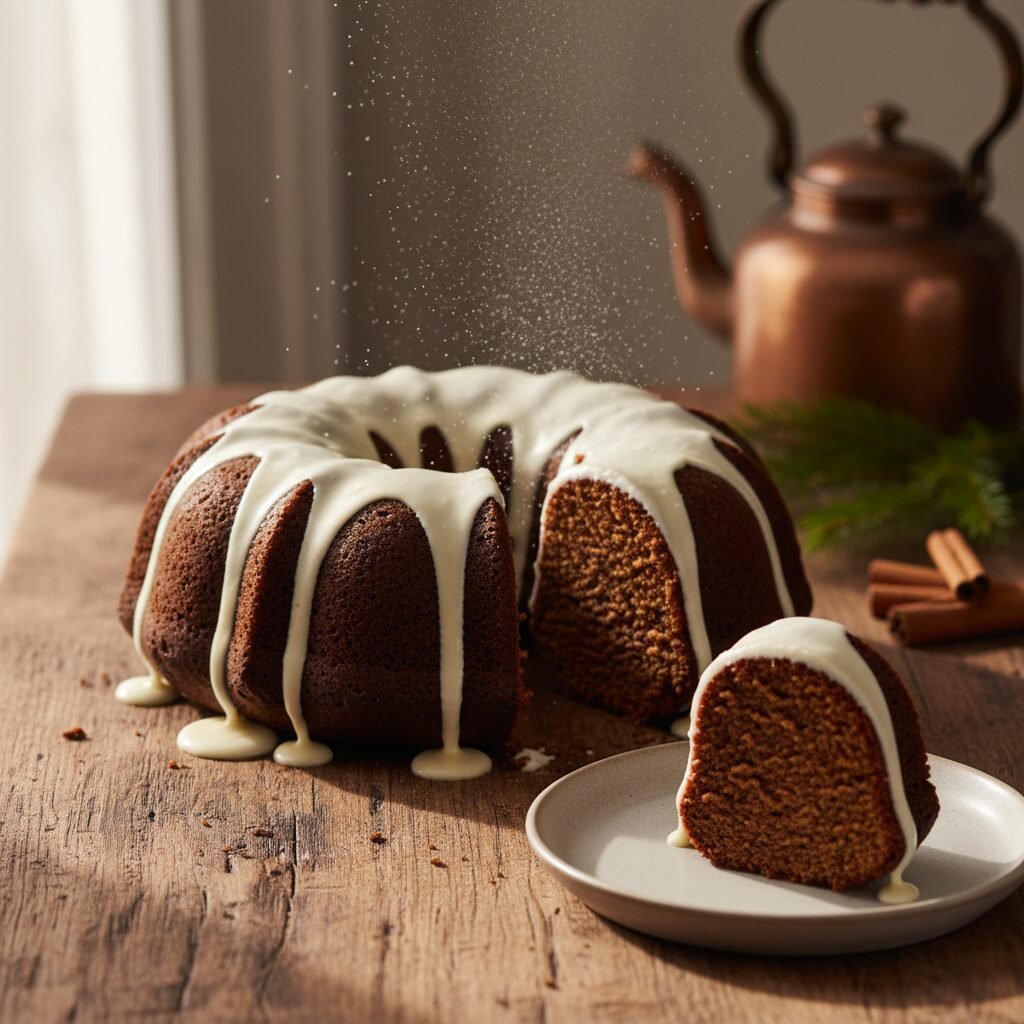
The Ultimate Moist Gingerbread Bundt Cake with Spiced Cream Cheese Glaze
Moist Gingerbread Cake Bundt Cake Recipe
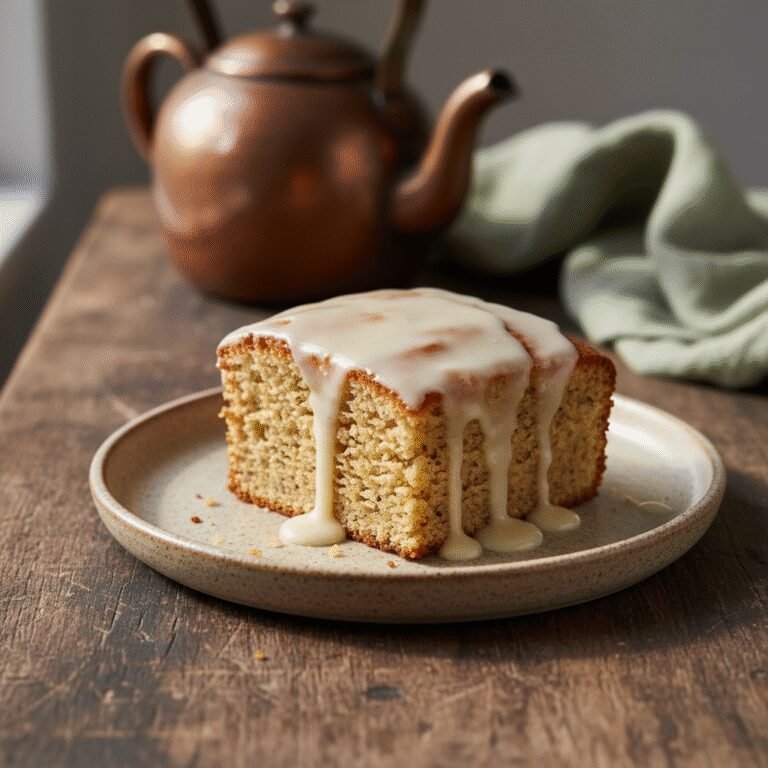
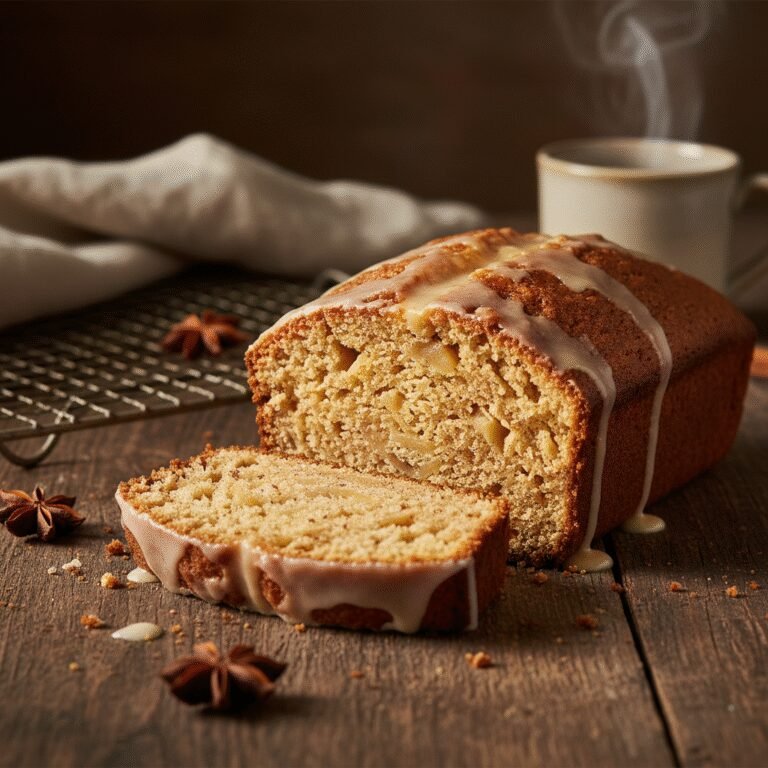
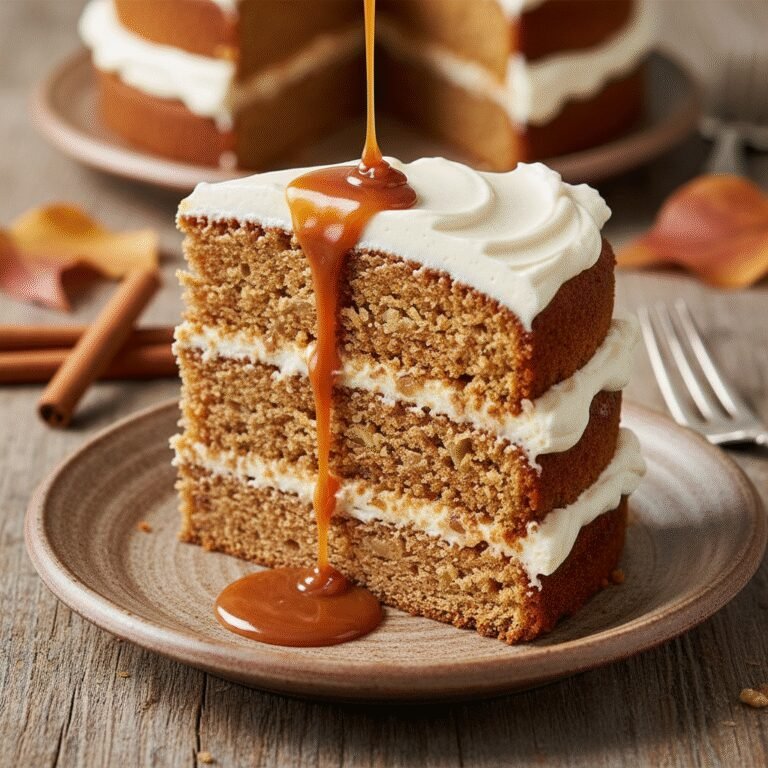
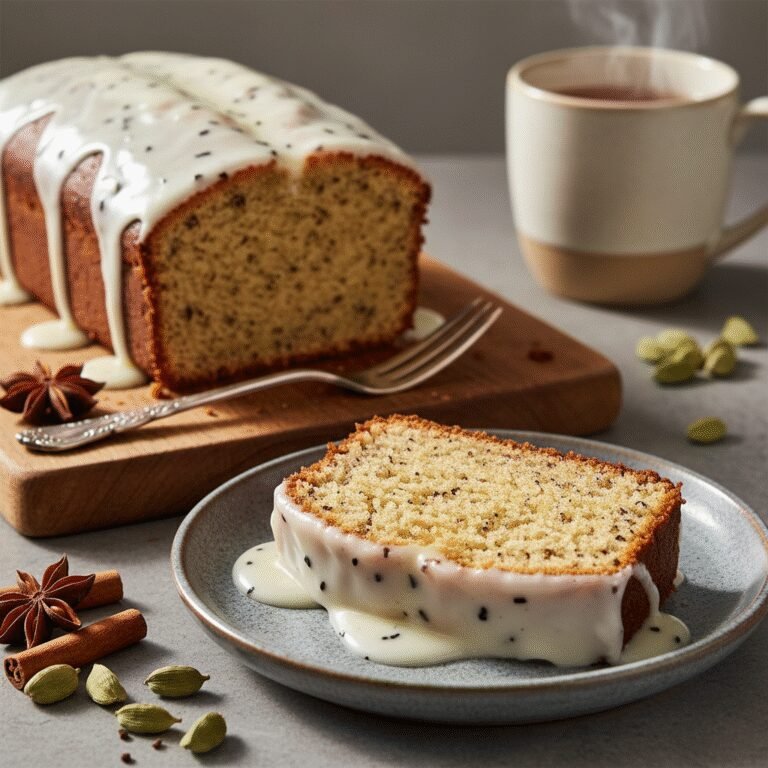
Embrace the holiday season with this incredibly moist gingerbread Bundt cake, infused with rich molasses and warm spices. Topped with a velvety spiced cream cheese glaze, it’s the perfect festive centerpiece that stays soft for days and fills your home with the scent of Christmas.
20 minutes
50 minutes
1 hour 10 minutes
12-14 servings
Dessert
Baking
American / European Fusion
Vegetarian
There is something undeniably magical about the scent of gingerbread baking in the oven. It’s not just a smell; it is a time machine that transports us instantly to cozy winter evenings, crackling fireplaces, and the anticipation of the holiday season. This Moist Gingerbread Bundt Cake is the embodiment of that nostalgia, but elevated to a level of culinary perfection that will surprise even the most seasoned bakers. Unlike dry, crumbly gingerbread cookies, this cake focuses entirely on texture and depth of flavor. We are talking about a crumb that is dark, dense, and incredibly moist, thanks to a generous amount of dark molasses and buttermilk.
What sets this recipe apart is the balance of spices. We don’t shy away from the ginger here—it provides a gentle heat that cuts through the sweetness of the molasses, while cinnamon, cloves, and allspice round out the profile with warm, woody notes. The Bundt shape adds an element of effortless elegance; the ridges of the pan catch the luscious spiced cream cheese glaze, creating pockets of frosting that make every bite a perfect ratio of cake to topping. Whether you are hosting a formal Christmas dinner or looking for a comforting slice to enjoy with your morning coffee, this gingerbread cake is a showstopper. It represents the very best of winter baking: hearty, warming, and deeply satisfying. Prepare to have your kitchen smell better than any holiday candle could ever achieve.
History & Origins
The history of gingerbread is as rich and complex as its flavor profile. Ginger root was first cultivated in ancient China and India, used primarily for medical purposes before making its way to Europe via the Silk Road. By the Middle Ages, preserved ginger was a high-status ingredient, and ‘gingerbread’ referred to preserved ginger itself, not the cake we know today. The transition to a baked good began in medieval Europe, where hard cookies shaped like animals or kings were popular at fairs. Queen Elizabeth I is famously credited with inventing the gingerbread man, serving them to visiting dignitaries.
However, the soft, cake-like gingerbread—often called ‘pain d’épices’ in France or parkin in Northern England—relies heavily on molasses (or treacle) and chemical leaveners like baking soda, which didn’t become popularized until the 19th century. In America, the availability of molasses, a byproduct of sugar refining, made soft gingerbread a staple in colonial kitchens. George Washington’s mother, Mary Ball Washington, even had a famous recipe for it. The Bundt pan itself is a much more modern addition, invented in 1950 by H. David Dalquist of Nordic Ware at the request of a Jewish women’s society in Minneapolis who wanted a pan for kugelhupf. Combining the ancient tradition of spiced cakes with the mid-century American innovation of the Bundt pan creates a dessert that honors centuries of culinary evolution while remaining a modern holiday staple.
Why This Recipe Works
This recipe succeeds where many others fail—specifically in the realm of moisture retention. Gingerbread can notoriously turn dry or rubbery, but this formula uses a specific combination of fats and liquids to prevent that. First, we use oil instead of butter for the batter. While butter adds flavor, it contains water that evaporates; oil is 100% fat and keeps the cake tender and moist for days, even when refrigerated. To compensate for the buttery flavor, we use buttermilk, which adds tang and tenderizes the gluten strands, resulting in a velvety crumb.
Secondly, we employ the ‘blooming’ technique. By mixing the spices with the hot liquid (often hot water or coffee) or simply ensuring they are well-hydrated in the wet ingredients, we intensify their flavor release. The chemical reaction between the acidic molasses and the baking soda is also crucial; it creates carbon dioxide bubbles that lift the heavy batter, ensuring the cake is dense but not brick-like. Finally, the use of dark brown sugar adds hygroscopic properties, meaning it draws moisture from the air into the cake, further guarding against dryness. The result is a cake that actually tastes better the next day as the flavors meld and the moisture redistributes.
Why You’ll Love This Recipe
- ✓Incredibly moist texture that stays soft for days.
- ✓Deep, complex flavor profile using molasses and four different spices.
- ✓Easy preparation with no electric mixer required for the cake batter.
- ✓Festive presentation perfect for holiday tables.
- ✓Versatile glaze that can be adjusted for sweetness.
- ✓Freezes beautifully for make-ahead holiday prep.
Equipment You’ll Need
- ✓10-12 cup Bundt pan
- ✓Large mixing bowl
- ✓Medium mixing bowl
- ✓Whisk
- ✓Rubber spatula
- ✓Measuring cups and spoons
- ✓Wire cooling rack
- ✓Small saucepan (optional for heating water)
Ingredients
- ✓2 1/2 cups All-purpose flour
- ✓2 tsp Ground ginger
- ✓1 1/2 tsp Ground cinnamon
- ✓1/2 tsp Ground cloves
- ✓1/2 tsp Ground nutmeg
- ✓1 tsp Baking soda
- ✓1/2 tsp Salt
- ✓3/4 cup Vegetable oil or canola oil
- ✓3/4 cup Granulated sugar
- ✓3/4 cup Dark brown sugar, packed
- ✓1 cup Unsulphured molasses (not blackstrap)
- ✓2 Large eggs, room temperature
- ✓1 cup Buttermilk, room temperature
- ✓1/2 cup Hot water or hot brewed coffee
- ✓4 oz Cream cheese, softened (for glaze)
- ✓2 tbsp Unsalted butter, softened (for glaze)
- ✓1 1/2 cups Powdered sugar (for glaze)
- ✓1-2 tbsp Milk (for glaze)
- ✓1/2 tsp Vanilla extract (for glaze)
Instructions
- Preheat your oven to 350°F (175°C). Thoroughly grease your Bundt pan with baking spray (the kind with flour in it) or butter and flour, ensuring you get into every crevice. This is critical for Bundt cakes.
- In a medium bowl, whisk together the flour, ground ginger, cinnamon, cloves, nutmeg, baking soda, and salt. Set this dry mixture aside.
- In a large mixing bowl, whisk together the vegetable oil, granulated sugar, and dark brown sugar until combined and no large lumps of brown sugar remain.
- Whisk in the molasses until the mixture is smooth and thick.
- Add the eggs one at a time, whisking well after each addition to fully incorporate.
- Whisk in the buttermilk and vanilla extract until the batter is uniform.
- Gently fold the dry ingredients into the wet ingredients using a spatula or whisk. Mix only until the flour streaks just begin to disappear; do not overmix.
- Carefully pour the hot water (or hot coffee) into the batter. Whisk gently until the water is fully incorporated and the batter is smooth. The batter will be quite thin; this is normal.
- Pour the batter into the prepared Bundt pan. Tap the pan gently on the counter a few times to release any large air bubbles.
- Bake for 45-55 minutes, or until a wooden skewer inserted into the center comes out clean or with just a few moist crumbs attached.
- Remove from the oven and let the cake cool in the pan for exactly 10 minutes. Do not let it cool completely in the pan, or it may stick.
- Invert the cake onto a wire cooling rack and lift the pan off. Allow the cake to cool completely before glazing.
- To make the glaze: Beat the softened cream cheese and butter together until smooth. Gradually add the powdered sugar, vanilla, and 1 tablespoon of milk. Whisk until pourable but thick. Add more milk if needed for desired consistency.
- Drizzle the glaze over the cooled cake and garnish with a sprinkle of cinnamon or crystallized ginger if desired.
Expert Cooking Tips
- ✓Use room temperature ingredients (eggs and buttermilk) to ensure the batter emulsifies properly without breaking.
- ✓Do not use blackstrap molasses; it is too bitter and savory for this cake. Look for ‘Grandma’s’ or ‘Brer Rabbit’ mild or full-flavor molasses.
- ✓Greasing the Bundt pan is the most stressful part, but essential. Use a pastry brush to paint melted shortening or butter into the grooves if you don’t have baking spray.
- ✓If your cake domes significantly while baking, you can trim the bottom with a serrated knife before inverting it so it sits flat on the plate.
- ✓Using hot coffee instead of hot water deepens the flavor profile without making the cake taste like coffee.
- ✓Let the cake cool completely before adding the cream cheese glaze, otherwise, the glaze will melt and run right off.
Substitutions and Variations
This recipe is quite robust, but there are several successful substitutions you can make. If you don’t have buttermilk, you can make a ‘sour milk’ substitute by adding 1 tablespoon of white vinegar or lemon juice to a cup of regular milk and letting it sit for 5 minutes. For a dairy-free version, use almond milk mixed with vinegar for the buttermilk, and use a dairy-free cream cheese/butter alternative for the glaze. You can substitute the vegetable oil with melted coconut oil, though this will impart a slight coconut flavor. For the flour, a 1:1 gluten-free flour blend (specifically one containing xanthan gum) works surprisingly well in this moist batter. If you are out of brown sugar, you can use all white sugar, though the cake will be slightly lighter in color and less chewy. Lastly, fresh grated ginger can be used in place of ground ginger for a sharper kick—use about 1 tablespoon of fresh for the 2 teaspoons of ground.
Common Mistakes to Avoid
The most common mistake with Bundt cakes is removing them from the pan too early or too late. Ten minutes is the golden rule; too early and the structure is too fragile and it will break; too late and the sugars solidify, gluing the cake to the pan. Another error is overmixing the batter after adding the flour. Because this is a liquid-heavy batter, it’s easy to over-activate the gluten, leading to a rubbery texture rather than a tender one. Always mix until ‘just combined.’ Finally, old baking soda is a recipe killer. Since the lift depends entirely on the reaction between the acidic molasses/buttermilk and the soda, ensure your leavening agent is fresh (less than 6 months old).
Serving Suggestions
This cake is stunning on its own, but it pairs beautifully with a variety of accompaniments. Serve slightly warm slices with a dollop of unsweetened whipped cream to cut the sweetness. A scoop of vanilla bean ice cream or cinnamon gelato turns it into a decadent dessert course. For a festive brunch, serve it alongside fresh berries—tart cranberries or pomegranate seeds look beautiful against the dark cake and white glaze. Beverage-wise, this pairs exceptionally well with dark roast coffee, chai tea, or a hot toddy.
Storage and Reheating Tips
Gingerbread cake is one of the few baked goods that improves with age. Store the cake in an airtight container or under a cake dome at room temperature for up to 3 days. The moisture will redistribute, making it even softer. If you have glazed the cake with the cream cheese mixture, it should be refrigerated after the first day, where it will keep for up to 5 days. Allow refrigerated slices to come to room temperature before eating for the best texture. To freeze, wrap unglazed slices individually in plastic wrap and then foil. They can be frozen for up to 3 months. Thaw at room temperature.
Nutrition Facts (Estimated)
| Serving Size | 1 slice |
| Calories | 420 |
| Fat | 18g |
| Saturated Fat | 4g |
| Unsaturated Fat | 13g |
| Trans Fat | 0g |
| Cholesterol | 45mg |
| Sodium | 210mg |
| Carbohydrates | 58g |
| Fiber | 1g |
| Sugar | 28g |
| Protein | 5g |
Frequently Asked Questions
Why did my Bundt cake stick to the pan?
Sticking usually happens because the pan wasn’t greased thoroughly enough, or the coating on the pan is worn out. It can also happen if the cake cooled in the pan for too long (sugars harden) or not long enough (cake is too fragile).
Can I use fresh ginger instead of ground?
Yes, you can. Use 1 tablespoon of freshly grated ginger to replace the 2 teaspoons of ground ginger. Note that fresh ginger has a sharper, more peppery bite.
Can I make this in a standard cake pan?
Absolutely. This recipe fits into a 9×13 inch rectangular pan or two 9-inch round pans. Reduce the baking time to 30-40 minutes and check for doneness early.
What is the difference between mild and blackstrap molasses?
Mild or ‘unsulphured’ molasses comes from the first or second boiling of sugar cane syrup and is sweet. Blackstrap is from the third boiling; it is very bitter, salty, and robust. Blackstrap is generally not recommended for cakes as it can be overpowering.
My cake sank in the middle. What happened?
Sinking often means the cake was underbaked (the center structure wasn’t set) or the oven door was opened too early, causing a temperature drop. It can also result from too much leavening (baking soda).
Can I skip the coffee?
Yes, you can use hot water instead. The coffee enhances the spice and molasses flavors without making the cake taste like coffee, but hot water works perfectly fine for moisture.
Is this cake extremely sweet?
The cake itself is moderately sweet but balanced by the spices and the slight bitterness of the molasses. The glaze adds significant sweetness, so you can drizzle less if you prefer a less sugary dessert.
How do I know when the cake is done?
A skewer inserted into the deepest part of the cake should come out clean. Also, the sides of the cake will just start to pull away from the edges of the pan.
Conclusion
This Moist Gingerbread Bundt Cake is more than just a recipe; it’s a holiday tradition waiting to happen. The ease of preparation combined with the sophisticated depth of flavor makes it a rare gem in the baking world—high reward for relatively low effort. Whether you are a novice baker looking to impress your in-laws or a pro looking for the ultimate gingerbread texture, this cake delivers every time. So, grab your molasses, dust off that Bundt pan, and get ready to fill your home with the warmth and spice of the season. Happy baking!