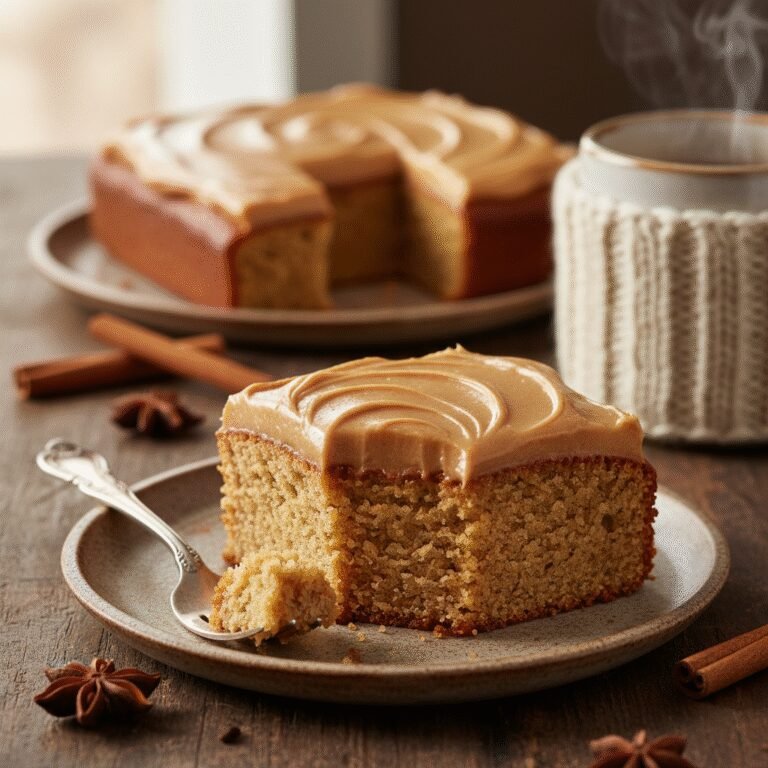
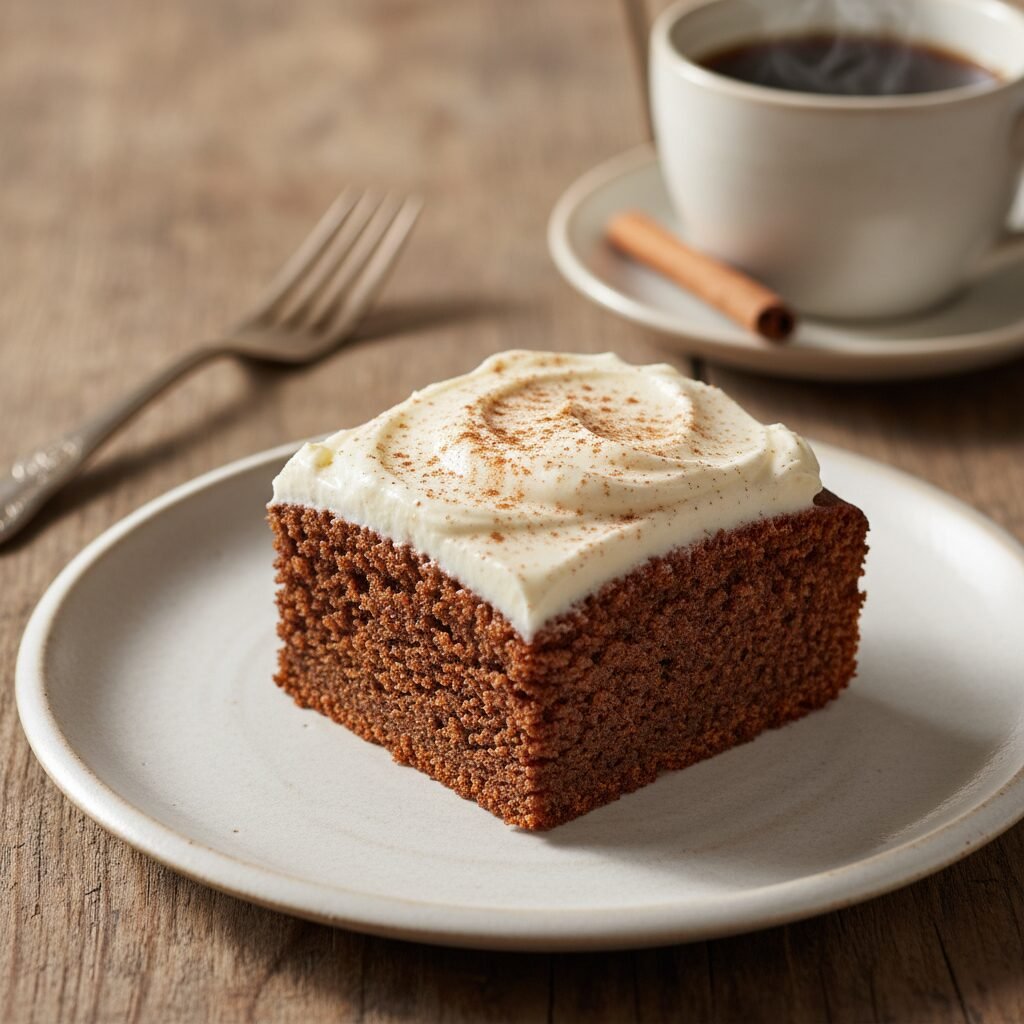
The Ultimate Moist Gingerbread Snack Cake with Cream Cheese Frosting
Moist Gingerbread Cake Snack Cake Recipe
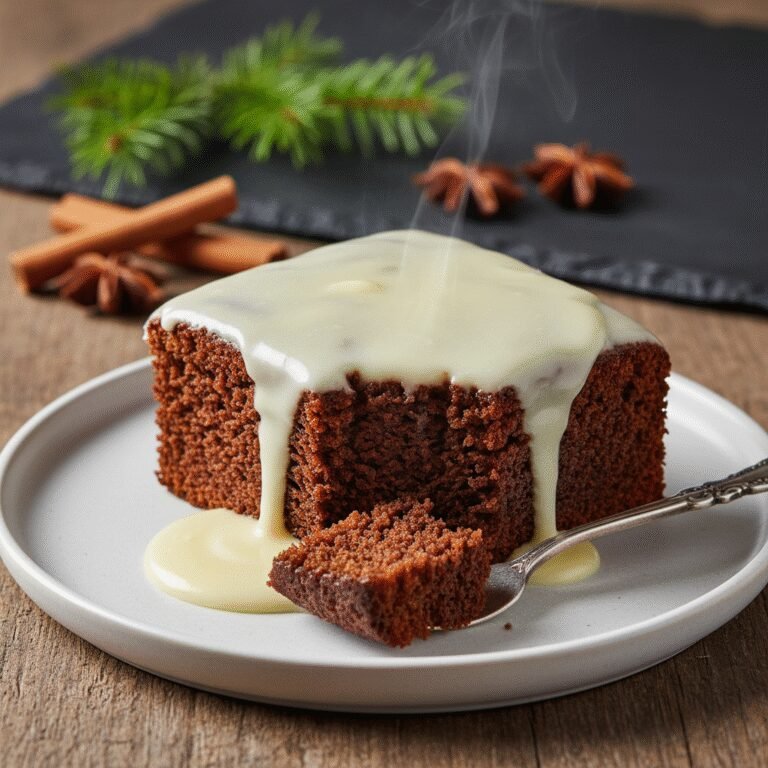
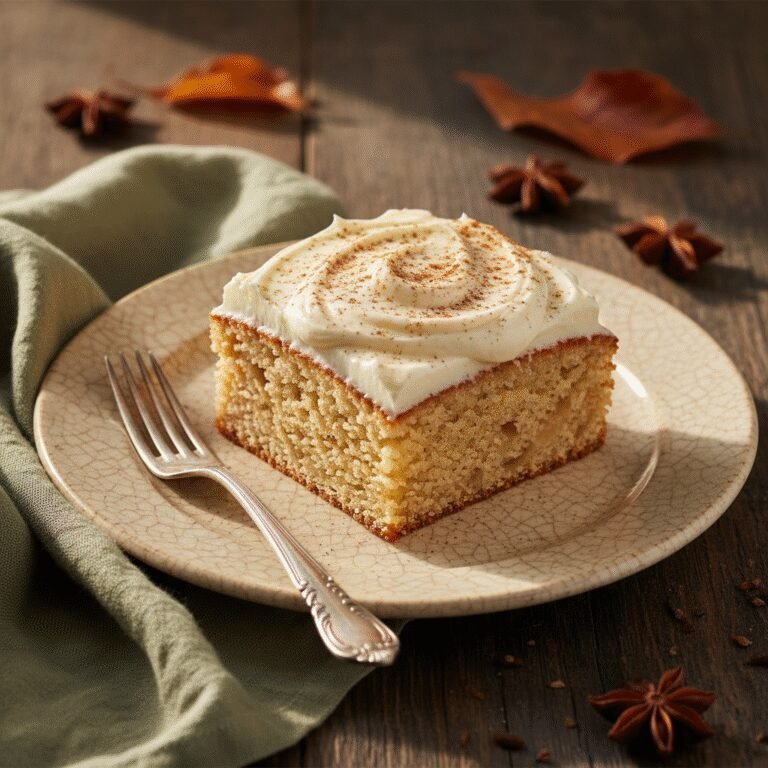
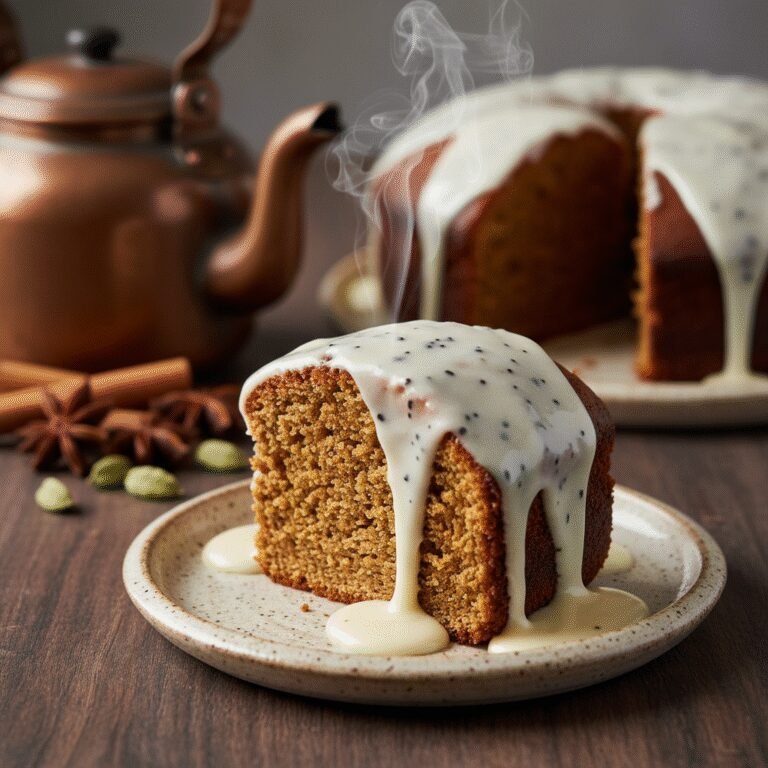
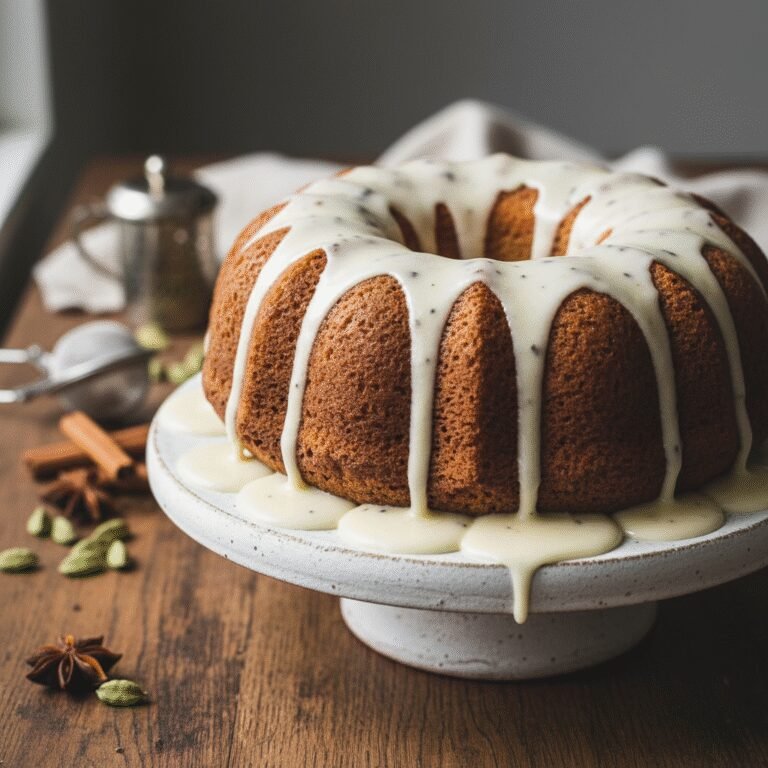
This incredibly moist gingerbread snack cake is the ultimate cozy treat, featuring a rich blend of molasses, warm spices, and a velvety crumb. Topped with a tangy cream cheese frosting, it is an easy, one-bowl dessert perfect for holiday gatherings or a quiet afternoon with coffee.
20 minutes
35 minutes
55 minutes
9-12 servings
Dessert
Baking
American
Vegetarian
There is something undeniably magical about the aroma of ginger, cinnamon, and cloves wafting through the house on a crisp afternoon. This Moist Gingerbread Snack Cake is more than just a dessert; it is a warm embrace in culinary form, designed to evoke deep nostalgia and comfort. Unlike the sturdy gingerbread men cookies we decorate during the holidays, this snack cake focuses entirely on texture and depth of flavor. The crumb is exceptionally dark, tender, and moist, owing its richness to a generous amount of dark molasses and a secret technique involving boiling water. It strikes the perfect balance between savory spice and sweet indulgence, making it versatile enough for a decadent breakfast, a midday pick-me-up, or a show-stopping after-dinner treat. The beauty of a snack cake lies in its simplicity. There are no precarious layers to stack or complex decorations required. It is baked in a single pan, meant to be sliced generously and enjoyed without pretension. We have topped this version with a luscious, tangy cream cheese frosting that cuts through the deep, earthy sweetness of the molasses, creating a flavor pairing that is simply irresistible. Whether you are a seasoned baker or a novice looking for a foolproof recipe to impress your friends, this gingerbread cake delivers high-impact flavor with minimal effort. It is the kind of recipe that earns a permanent spot in your collection, requested by family members year after year as soon as the leaves start to turn.
History & Origins
The history of gingerbread is as rich and complex as its flavor profile, spanning centuries and crossing continents. The journey begins with the ginger root itself, which was first cultivated in ancient China and later transported to Europe via the Silk Road. In medieval Europe, gingerbread was a high-status treat, often crafted by specialized guilds. It wasn’t always the soft cake we know today; early versions were often hard biscuits or honey-sweetened spice breads pressed into intricate wooden molds. The tradition of shaping gingerbread into figures is often attributed to the court of Queen Elizabeth I, who delighted dignitaries with likenesses of themselves. However, the transition from a hard cookie to the soft, moist cake featured in this recipe is largely an American evolution. As European settlers arrived in the New World, they brought their recipes but adapted them to local ingredients. Molasses, a byproduct of sugar refining, became a cheaper and more accessible sweetener than refined sugar in the American colonies. This abundance of molasses led to the development of softer, chemically leavened cakes that relied on the acidity of molasses reacting with baking soda (pearl ash in earlier times) to rise. This ‘soft gingerbread’ or ‘gingerbread cake’ became a staple of American home baking, particularly in New England. Today, this snack cake represents the culmination of that history—a modern, convenient take on a centuries-old tradition of celebrating winter spices.
Why This Recipe Works
This recipe succeeds where many dry, lackluster spice cakes fail because of a few key chemical reactions and ingredient choices. First and foremost is the use of boiling water. Adding boiling water to the batter serves a dual purpose: it melts the butter to ensure it is evenly distributed throughout the batter without requiring creaming, and more importantly, it ‘blooms’ the spices. The heat releases the essential oils in the ground ginger, cinnamon, and cloves immediately, intensifying their flavor before the cake even hits the oven. Secondly, the moisture content is heavily supported by dark molasses. Molasses is a hygroscopic sweetener, meaning it attracts and retains water, which keeps the cake soft for days after baking. We also use a specific balance of baking soda and molasses. Molasses is acidic, and when it interacts with the alkaline baking soda, it creates carbon dioxide bubbles that give the cake a significant lift, keeping the texture airy rather than dense and gummy. Finally, the ratio of brown sugar to white sugar adds another layer of moisture and a hint of caramel flavor that complements the spice blend perfectly. The result is a cake that is robustly flavored yet delicate in texture.
Why You’ll Love This Recipe
- ✓Incredibly moist texture that stays fresh for days.
- ✓Rich, deep flavor profile using dark molasses and three spices.
- ✓Easy one-bowl method with no electric mixer required for the batter.
- ✓Versatile snack cake format perfect for travel or potlucks.
- ✓Tangy cream cheese frosting balances the sweet spice perfectly.
- ✓Fills your kitchen with the ultimate holiday aroma.
Equipment You’ll Need
- ✓8×8 or 9×9 inch square baking pan
- ✓Large mixing bowl
- ✓Medium mixing bowl
- ✓Whisk
- ✓Rubber spatula
- ✓Measuring cups and spoons
- ✓Wire cooling rack
Ingredients
- ✓1/2 cup unsalted butter, melted
- ✓1/2 cup granulated sugar
- ✓1/2 cup dark brown sugar, packed
- ✓1 large egg, room temperature
- ✓1/2 cup dark molasses (unsulphured)
- ✓1 teaspoon pure vanilla extract
- ✓2 1/3 cups all-purpose flour
- ✓1 1/2 teaspoons baking soda
- ✓1/2 teaspoon salt
- ✓2 teaspoons ground ginger
- ✓1 1/2 teaspoons ground cinnamon
- ✓1/2 teaspoon ground cloves
- ✓1 cup boiling water
- ✓Frosting: 4 oz cream cheese, softened
- ✓Frosting: 2 tablespoons unsalted butter, softened
- ✓Frosting: 1 1/2 cups powdered sugar
- ✓Frosting: 1 teaspoon vanilla extract
- ✓Frosting: 1 tablespoon milk (optional, for consistency)
Instructions
- 1. Preheat your oven to 350°F (175°C). Grease an 8×8 or 9×9 inch square baking pan generously with butter or non-stick spray. For easier removal, you can also line the pan with parchment paper, leaving an overhang on two sides.
- 2. In a medium bowl, whisk together the flour, baking soda, salt, ground ginger, cinnamon, and cloves until well combined and no lumps of spice remain. Set aside.
- 3. In a large mixing bowl, combine the melted butter, granulated sugar, and packed brown sugar. Whisk vigorously until the mixture looks smooth and slightly glossy.
- 4. Add the egg, molasses, and vanilla extract to the sugar mixture. Whisk until fully incorporated. The mixture will look dark and thick.
- 5. Gradually add the dry ingredients to the wet ingredients in two or three batches, stirring gently with a spatula or wooden spoon. Do not overmix; just stir until the flour streaks mostly disappear.
- 6. Carefully pour the boiling water into the batter. Stir gently but thoroughly until the water is fully incorporated. The batter will be thin and liquidy; this is normal, so do not add more flour.
- 7. Pour the batter into the prepared baking pan. Tap the pan gently on the counter once to release any large air bubbles.
- 8. Bake for 30-35 minutes, or until a toothpick inserted into the center comes out clean or with just a few moist crumbs attached. Be careful not to overbake.
- 9. Remove the cake from the oven and place the pan on a wire rack. Allow the cake to cool completely in the pan before frosting. This usually takes about an hour.
- 10. While the cake cools, make the frosting. In a medium bowl, beat the softened cream cheese and softened butter together until smooth and creamy.
- 11. Gradually add the powdered sugar and vanilla extract. Beat until fluffy. If the frosting is too stiff, add milk one teaspoon at a time until it reaches your desired spreading consistency.
- 12. Once the cake is cool, spread the frosting evenly over the top. Slice into squares and serve.
Expert Cooking Tips
- ✓Ensure your molasses is ‘unsulphured’. Blackstrap molasses is too bitter for this recipe and will alter the flavor profile significantly.
- ✓Do not skip the boiling water step. It is essential for the chemical reaction with the baking soda and for blooming the spices.
- ✓Measure your flour correctly by spooning it into the measuring cup and leveling it off, rather than scooping directly from the bag, to prevent a dense cake.
- ✓Make sure the cake is completely cool before frosting. If the cake is even slightly warm, the cream cheese frosting will melt and slide off.
- ✓If you prefer a stronger spice kick, you can add 1/2 teaspoon of freshly grated ginger to the wet ingredients along with the ground spices.
Substitutions and Variations
This recipe is quite adaptable to various dietary needs and pantry limitations. For a gluten-free version, substitute the all-purpose flour with a high-quality 1:1 gluten-free baking flour blend that includes xanthan gum; the texture will remain surprisingly similar due to the moisture from the molasses. If you are out of brown sugar, you can use all white sugar, though the flavor will be slightly less complex. For a dairy-free cake, use vegetable oil or melted coconut oil instead of butter, and replace the frosting with a simple dusting of powdered sugar or a dairy-free glaze made from powdered sugar and almond milk. If you don’t have molasses, dark corn syrup or maple syrup can be used in a pinch, but be aware that this will significantly change the flavor, losing that classic gingerbread earthiness. You can also swap the spices; if you don’t have cloves, try allspice or nutmeg, or use a pre-made ‘pumpkin pie spice’ blend if you are in a hurry.
Common Mistakes to Avoid
The most common mistake with gingerbread cake is using expired baking soda. Since this recipe relies heavily on the reaction between the acidic molasses and the baking soda for lift, old leavening agents will result in a flat, dense, and rubbery cake. Another frequent error is overmixing the batter after adding the flour. Once the flour hits the liquid, gluten begins to form. Extensive mixing will result in a tough, chewy texture rather than a tender crumb. Stir just until combined. Additionally, be cautious with the type of molasses you buy. Blackstrap molasses is very concentrated and bitter; ensure the label says ‘fancy’ or ‘unsulphured’ molasses for the correct sweetness. Finally, do not be alarmed by the thinness of the batter after adding the water. Many bakers panic and add extra flour, which dries out the cake. Trust the process and the liquid ratio.
Serving Suggestions
This gingerbread snack cake is incredibly versatile. For a classic presentation, serve it at room temperature with the cream cheese frosting and a sprinkle of cinnamon or candied ginger on top. If you want to skip the frosting, the cake is delicious served warm with a dollop of whipped cream or a scoop of vanilla bean ice cream, which melts into the warm crumb. For a breakfast twist, serve a slice plain alongside a hot cup of coffee or chai tea. It also pairs beautifully with fruit; try serving it with warm sautéed apples or pears on the side for an elegant autumn dessert. A drizzle of warm caramel sauce or lemon curd can also elevate the flavors if you are serving this at a dinner party.
Storage and Reheating Tips
This cake is famous for its keeping qualities and actually tastes better the next day as the spices have time to meld. Store the frosted cake in an airtight container in the refrigerator for up to 5 days. If you have not frosted the cake, it can be stored at room temperature in an airtight container for up to 3 days. For longer storage, this cake freezes beautifully. You can freeze individual slices wrapped tightly in plastic wrap and then foil for up to 3 months. Thaw in the refrigerator overnight or on the counter for an hour before eating. If freezing the whole cake, it is best to freeze it unfrosted and add the frosting fresh after thawing.
Nutrition Facts (Estimated)
| Serving Size | 1 slice |
| Calories | 340 |
| Fat | 14g |
| Saturated Fat | 8g |
| Unsaturated Fat | 6g |
| Trans Fat | 0g |
| Cholesterol | 45mg |
| Sodium | 210mg |
| Carbohydrates | 48g |
| Fiber | 1g |
| Sugar | 28g |
| Protein | 4g |
Frequently Asked Questions
Can I bake this in a different size pan?
Yes, you can bake this in a 9×13 pan for a thinner bar, but you will need to double the recipe. If doing so, check for doneness around the 25-minute mark. You can also make cupcakes; bake for 18-22 minutes.
Why did my cake sink in the middle?
Sinking usually happens if the oven door was opened too early, causing a temperature drop, or if the cake was underbaked. It can also occur if there was too much leavening (baking soda) or if the batter stood too long before going into the oven.
Can I use fresh ginger instead of ground?
You can use fresh ginger for a sharper kick, but do not replace the ground ginger entirely. Use the ground ginger for the base flavor and add 1 teaspoon of grated fresh ginger for ‘zing’.
Is mild molasses okay to use?
Yes, mild or ‘light’ molasses works fine, though the color of the cake will be lighter and the flavor less intense than if you use dark molasses.
Can I make the batter ahead of time?
No. Because the baking soda reacts immediately with the acidic molasses and hot water, you must bake the batter right away. If it sits, the bubbles will escape and the cake will be flat.
My frosting is too runny, what do I do?
If your kitchen is warm or the cream cheese was too soft, the frosting might be runny. Add more powdered sugar, 1/4 cup at a time, or refrigerate the frosting for 20 minutes to firm it up.
Can I add mix-ins like nuts or raisins?
Absolutely. 1/2 cup of chopped walnuts, pecans, or raisins makes a great addition. Toss them in a teaspoon of flour before adding to prevent them from sinking to the bottom.
How do I know when it is exactly done?
The cake pulls away slightly from the edges of the pan, and the top should spring back when lightly touched. A toothpick is the most reliable test.
Conclusion
There are few recipes that deliver such a high reward for such little effort as this Moist Gingerbread Snack Cake. It captures the essence of comfort baking, bringing warmth and sweetness to your kitchen with reliable consistency. Whether you are baking for a holiday party, a school bake sale, or just a Tuesday night craving, this cake promises to be a hit. The deep, molasses-rich crumb combined with the creamy, tangy frosting is a timeless combination that never goes out of style. We hope this recipe becomes a cherished part of your baking repertoire, bringing joy and delicious smells to your home for years to come. Happy baking!