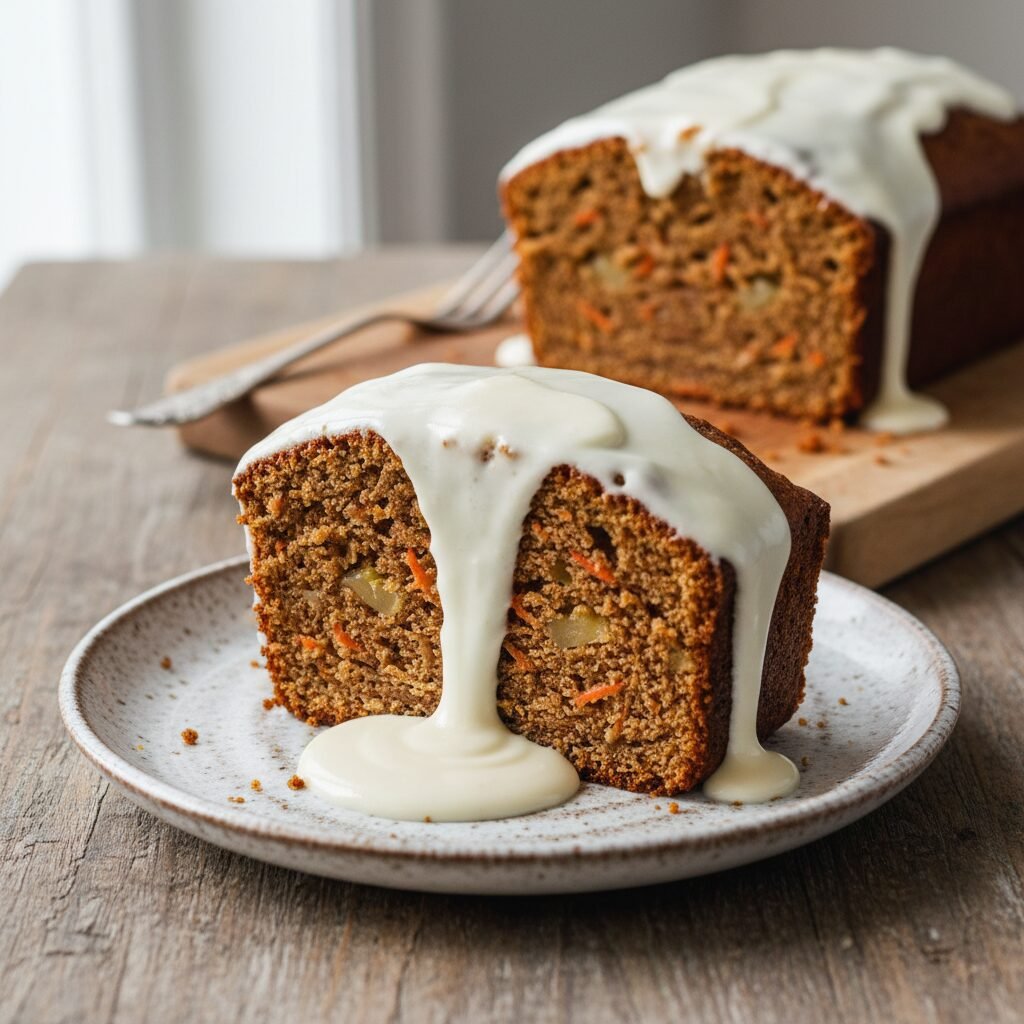
The Ultimate Moist Carrot Loaf Cake With Pineapple & Cream Cheese Glaze
Moist Carrot Loaf Cake With Pineapple Recipe
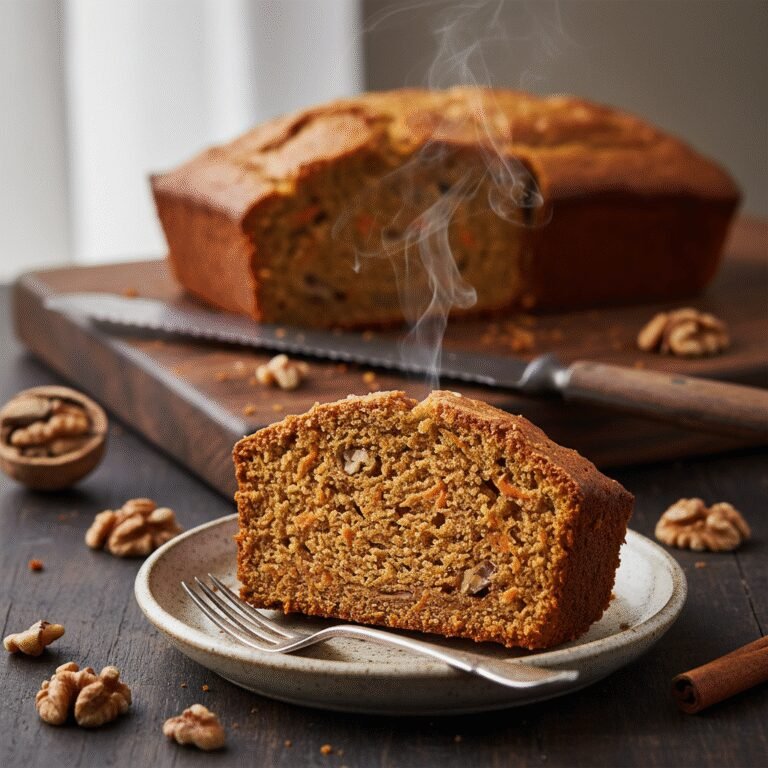
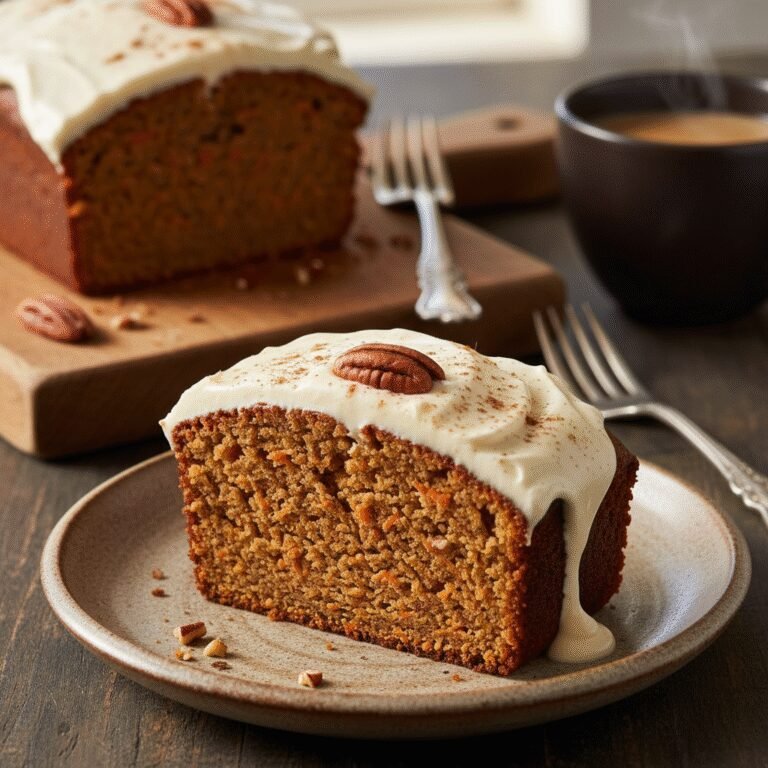
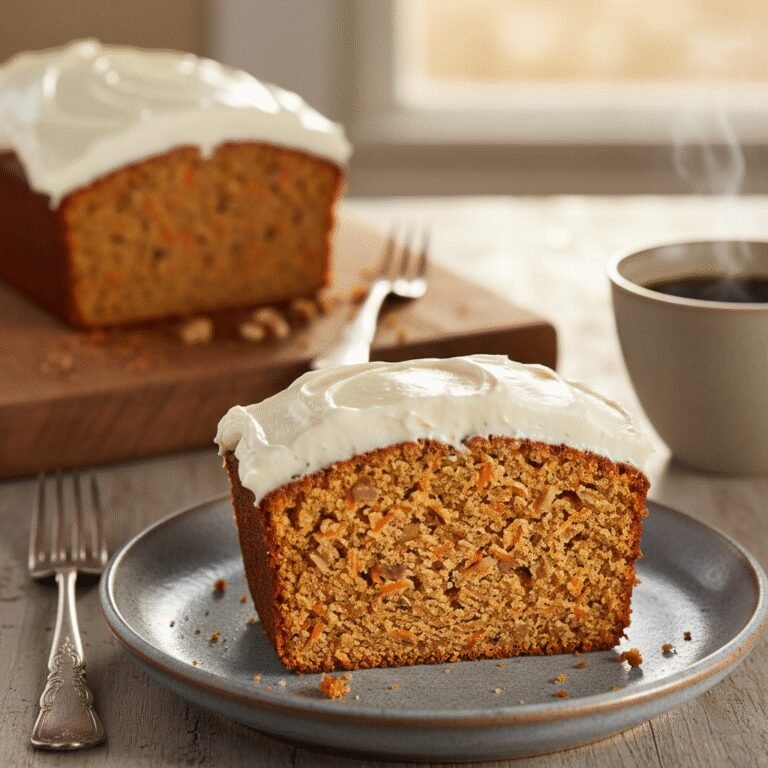
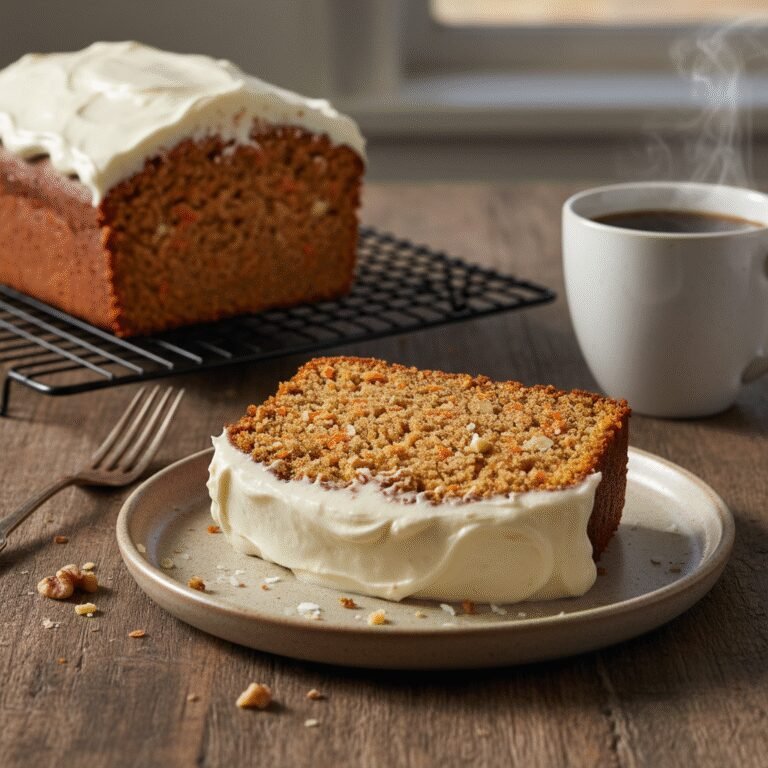
This isn’t just another carrot cake; it’s an ultra-moist loaf infused with crushed pineapple and warm spices for the tenderest crumb imaginable. Perfect for breakfast or dessert, this easy-to-make treat is topped with a luscious cream cheese glaze that makes every bite irresistible.
20 minutes
60 minutes
1 hour 35 minutes
1 Loaf (10-12 slices)
Dessert
Baking
American
Vegetarian
There is something undeniably comforting about the smell of cinnamon, nutmeg, and baking cake wafting through a kitchen. While traditional carrot cake is a staple of American baking, transforming it into a loaf cake simplifies the process without sacrificing any of the flavor. In fact, I would argue that this Moist Carrot Loaf Cake with Pineapple elevates the classic dessert to new heights. By baking it in a loaf pan, we create a denser, tighter crumb that holds moisture incredibly well, making it acceptable to eat for breakfast with coffee or as a decadent dessert after dinner.
The secret weapon in this recipe is, without a doubt, the crushed pineapple. Many carrot cakes suffer from being too dry or relying solely on vast amounts of oil for moisture. The pineapple acts as a natural tenderizer. Its acidity reacts with the baking soda to create a lift, while the fruit fibers hold onto liquid, ensuring the cake stays soft for days. When paired with the earthiness of freshly grated carrots and the crunch of toasted walnuts, the pineapple adds a subtle, tropical sweetness that cuts through the spice profile perfectly.
This recipe is designed for the home baker who wants high-reward results with minimal effort. There are no layers to stack, no crumb coats to manage, and no complex decorating skills required. It is a rustic, homestyle bake that looks beautiful simply poured over with our thick, tangy cream cheese glaze. Whether you are a seasoned baker or a novice, this carrot pineapple loaf will likely become your go-to recipe for potlucks, holiday mornings, or just a cozy weekend treat.
History & Origins
The history of carrot cake is a fascinating journey through necessity and culinary evolution. Long before it was the cream-cheese-frosted icon we know today, carrots were used in medieval Europe as a sweetener for puddings and cakes. Sugar was a rare and expensive luxury, imported from distant lands, but carrots were abundant, cheap, and naturally high in sugar. These early iterations were more akin to steamed puddings than the fluffy cakes of the modern era.
The concept of the carrot cake traveled to the New World, but it wasn’t until the 20th century that it began to resemble our current beloved dessert. During World War II, rationing in Great Britain and the United States once again forced bakers to be creative with sweeteners. The British government actually distributed recipes for carrot cake to help households cope with sugar shortages. However, the true explosion of carrot cake popularity occurred in the United States during the 1960s and 1970s. This era saw a shift towards ‘health foods’ and wholesome ingredients; cake made from a vegetable seemed to fit the bill perfectly, regardless of the oil and sugar content.
The addition of pineapple is a distinctly American twist, likely influenced by the popularity of the ‘Hummingbird Cake’ in the Southern United States. Hummingbird cake, a banana-pineapple-spice cake, gained massive popularity after a recipe was published in Southern Living magazine in 1978. Bakers began borrowing the pineapple element to add moisture and tang to their standard carrot cake recipes. This fusion created the incredibly moist, flavorful variation we are making today, bridging the gap between a traditional spice cake and a tropical fruit dessert.
Why This Recipe Works
This recipe succeeds where many others fail because of a precise balance of moisture-retaining ingredients and structural elements. First and foremost, the combination of oil and crushed pineapple ensures a crumb that is perpetually moist. Butter-based cakes can become firm and dry when refrigerated, but oil remains liquid at cool temperatures, meaning this cake stays soft even straight out of the fridge. The pineapple does double duty: it adds moisture, but the enzymes in the fruit also help to tenderize the gluten strands in the flour, preventing the loaf from becoming tough or rubbery.
Secondly, the spice blend is carefully calibrated. A common mistake in carrot cake is overpowering the delicate flavor of the carrots and fruit with too much clove or allspice. Here, we focus on cinnamon for warmth, ginger for a bit of heat, and nutmeg for aromatic depth, allowing the sweetness of the carrots and pineapple to shine through. We also use a mix of brown and white sugars; the molasses in the brown sugar adds a caramel-like undertone and acidity that reacts with the baking soda for a better rise.
Finally, the method matters. This is a ‘quick bread’ style method, meaning we mix wet and dry ingredients separately and combine them gently. This prevents over-mixing, which is the enemy of a tender cake. By folding in the heavy mix-ins (carrots, nuts, pineapple) at the very end, we ensure they are evenly distributed without deflating the batter.
Why You’ll Love This Recipe
- ✓Stays moist for days thanks to crushed pineapple and oil.
- ✓No mixer required – just two bowls and a whisk.
- ✓Rich, tangy cream cheese glaze that sets perfectly.
- ✓Deeply flavorful with a blend of cinnamon, ginger, and nutmeg.
- ✓Freezes beautifully for meal prep or future treats.
- ✓Versatile: works as a breakfast loaf or a dessert cake.
Equipment You’ll Need
- ✓9×5 inch Loaf Pan
- ✓Large Mixing Bowl
- ✓Medium Mixing Bowl
- ✓Whisk
- ✓Rubber Spatula
- ✓Box Grater (for carrots)
- ✓Wire Cooling Rack
- ✓Measuring Cups and Spoons
Ingredients
- ✓1 1/2 cups All-Purpose Flour
- ✓1 tsp Baking Soda
- ✓1/2 tsp Baking Powder
- ✓1/2 tsp Salt
- ✓1 1/2 tsp Ground Cinnamon
- ✓1/2 tsp Ground Ginger
- ✓1/4 tsp Ground Nutmeg
- ✓1/2 cup Granulated Sugar
- ✓1/2 cup Light Brown Sugar, packed
- ✓1/2 cup Vegetable Oil (or Canola)
- ✓2 Large Eggs, room temperature
- ✓1 tsp Pure Vanilla Extract
- ✓1 1/2 cups Freshly Grated Carrots (approx. 2-3 medium carrots)
- ✓1/2 cup Crushed Pineapple, drained (reserve 1 tbsp juice for glaze)
- ✓1/2 cup Chopped Walnuts or Pecans (optional)
- ✓4 oz Cream Cheese, softened (for glaze)
- ✓2 tbsp Unsalted Butter, softened (for glaze)
- ✓1 cup Powdered Sugar (for glaze)
- ✓1-2 tbsp Milk or Reserved Pineapple Juice (for glaze)
Instructions
- 1. Preheat your oven to 350°F (175°C). Grease a 9×5 inch loaf pan generously with butter or non-stick spray, and line it with parchment paper leaving an overhang on the sides for easy removal.
- 2. In a medium bowl, whisk together the flour, baking soda, baking powder, salt, cinnamon, ginger, and nutmeg until well combined and no lumps remain.
- 3. In a large bowl, whisk together the vegetable oil, granulated sugar, brown sugar, eggs, and vanilla extract. Whisk vigorously for about 1-2 minutes until the mixture is smooth and slightly emulsified.
- 4. Pour the dry ingredients into the wet ingredients. Using a rubber spatula, gently mix until just combined. Do not overmix; a few streaks of flour are okay at this point.
- 5. Add the grated carrots, drained crushed pineapple, and chopped nuts (if using). Fold them into the batter gently until evenly distributed and no flour streaks remain.
- 6. Pour the batter into the prepared loaf pan and smooth the top with your spatula. Tap the pan on the counter once to release any large air bubbles.
- 7. Bake for 55 to 65 minutes. Test for doneness by inserting a toothpick into the center of the loaf; it should come out clean or with just a few moist crumbs attached. If the top is browning too quickly, cover loosely with aluminum foil after 40 minutes.
- 8. Remove from the oven and let the loaf cool in the pan for 15 minutes. Then, use the parchment paper handles to lift it out and transfer it to a wire rack to cool completely before glazing.
- 9. To make the glaze: In a medium bowl, beat the softened cream cheese and butter until smooth and creamy. Gradually add the powdered sugar and 1 tablespoon of milk (or pineapple juice). Whisk until smooth. Add more liquid if you prefer a thinner glaze.
- 10. Pour the glaze over the completely cooled loaf, allowing it to drip down the sides. Top with extra chopped nuts if desired. Slice and serve.
Expert Cooking Tips
- ✓Grate your own carrots: Pre-shredded carrots from the store are dry and hard. Hand-grating ensures maximum moisture and sweetness.
- ✓Drain the pineapple: You want the fruit, not the syrup. Place the crushed pineapple in a fine-mesh sieve and press down gently to remove excess liquid, otherwise, the cake may be soggy.
- ✓Room temperature ingredients: Ensure your eggs, cream cheese, and butter are at room temperature. This prevents the batter from seizing and ensures a silky smooth glaze.
- ✓Don’t overmix: Once the flour hits the wet ingredients, mix gently. Overworking the gluten results in a tough, rubbery loaf.
- ✓Check your oven: Loaf cakes take a long time to bake. If your oven runs hot, check at the 45-minute mark to prevent burning the crust.
- ✓Cool completely: Do not glaze a warm cake. The cream cheese frosting will melt and slide right off the loaf.
Substitutions and Variations
This recipe is quite forgiving and allows for several substitutions. For the flour, you can use a 1:1 Gluten-Free All-Purpose Baking flour blend if you are avoiding gluten. If you want a whole-grain touch, you can swap half of the all-purpose flour for white whole wheat flour. For the oil, melted coconut oil or applesauce can be used; using applesauce for half the oil will reduce the fat content but may make the texture slightly spongier. If you dislike pineapple, you can substitute it with an equal amount of applesauce or finely chopped apple, though you will lose the specific tropical tang. For the nuts, pecans, walnuts, or even pistachios work great, or you can omit them entirely for a nut-free version. You can also add raisins or dried cranberries if you enjoy dried fruit in your carrot cake.
Common Mistakes to Avoid
The most common mistake with carrot cake is using pre-bagged shredded carrots. These are treated to stay dry and crisp, which is the opposite of what you want in a cake. Always peel and grate fresh carrots. Another frequent error is opening the oven door too often. This causes the temperature to fluctuate and can cause the center of the loaf to sink. Trust the timer and only check towards the end. Additionally, failing to properly measure flour (scooping the cup into the bag compacts it) can lead to a dry cake. Use the spoon-and-level method or a kitchen scale. Finally, do not rush the cooling process. This loaf is dense and holds heat; cutting into it while hot can cause it to crumble apart.
Serving Suggestions
This loaf is versatile enough for various settings. For a cozy breakfast, serve a slice slightly warmed with a pat of salted butter (if you haven’t glazed it) alongside a hot mug of coffee or chai tea. As a dessert, it shines when served chilled or at room temperature, perhaps with a side of vanilla bean ice cream or a dollop of whipped cream. It also makes a fantastic addition to a brunch spread, sliced thick and arranged on a wooden board with fresh fruit. If you are hosting a party, you can bake this in mini-loaf pans for individual servings; just reduce the baking time to about 30-35 minutes.
Storage and Reheating Tips
Because of the cream cheese glaze and the high moisture content from the fruit, this cake is best stored in the refrigerator. Place the cake in an airtight container or wrap it tightly in plastic wrap. It will keep fresh in the fridge for up to 5-6 days. In fact, the flavors often meld and improve on the second day. If you want to freeze it, it is best to do so without the glaze. Wrap the cooled, unglazed loaf in plastic wrap and then foil, and freeze for up to 3 months. Thaw overnight in the refrigerator and glaze before serving. If you have already glazed it, you can still freeze individual slices wrapped in parchment and plastic, though the glaze texture may change slightly upon thawing.
Nutrition Facts (Estimated)
| Serving Size | 1 Slice |
| Calories | 345 |
| Fat | 18g |
| Saturated Fat | 4g |
| Unsaturated Fat | 13g |
| Trans Fat | 0g |
| Cholesterol | 35mg |
| Sodium | 210mg |
| Carbohydrates | 42g |
| Fiber | 2g |
| Sugar | 24g |
| Protein | 5g |
Frequently Asked Questions
Can I use fresh pineapple instead of canned?
Yes, you can use fresh pineapple, but you must crush it or pulse it in a food processor to match the texture of canned crushed pineapple. Also, fresh pineapple contains an enzyme called bromelain that is stronger than in canned (cooked) pineapple, which might slightly alter the texture, but it generally works fine.
Why did my loaf sink in the middle?
Sinking usually happens if the cake was underbaked or if the oven door was opened too early, causing a temperature drop. It can also happen if there was too much leavening (baking soda/powder) or too much liquid (pineapple not drained enough).
Can I make this into muffins instead?
Absolutely! This batter works great for muffins. Line a standard muffin tin and bake at 375°F (190°C) for 18-22 minutes. This recipe should yield about 12-14 muffins.
Do I have to use both brown and white sugar?
For the best texture and flavor depth, we recommend both. However, in a pinch, you can use all white sugar (cake will be lighter and less moist) or all brown sugar (cake will be denser and darker).
Is this recipe dairy-free?
The cake batter itself is dairy-free! The glaze contains cream cheese and butter. To make the whole dish dairy-free, simply omit the glaze or use vegan cream cheese and butter substitutes for the topping.
Can I reduce the sugar in this recipe?
You can reduce the sugar by about 1/4 cup without disastrous results, but keep in mind that sugar provides moisture and structure, not just sweetness. Reducing it too much will result in a tougher, drier loaf.
How finely should I grate the carrots?
Use the standard holes on a box grater. If you grate them too finely (like a mush), they will disappear into the cake completely. If too coarse, you’ll have crunchy bits. The standard shred is perfect for texture.
Can I use olive oil instead of vegetable oil?
Yes, but olive oil has a strong flavor. If you use a light or mild olive oil, it works well. Extra virgin olive oil might impart a savory taste that clashes with the sweet spices.
Conclusion
This Moist Carrot Loaf Cake with Pineapple is truly a testament to how a few simple ingredients can come together to create something spectacular. It bridges the gap between a wholesome morning snack and a decadent dessert, offering a texture that is unmatched by traditional dry carrot cakes. The burst of pineapple, the warmth of the spices, and the tang of the cream cheese glaze create a symphony of flavors that your family and friends will love. So, grab your box grater and your loaf pan—it’s time to fill your kitchen with the cozy, irresistible aroma of the best carrot cake you’ll ever bake. Enjoy every crumb!