The Ultimate Moist Chocolate Sheet Cake for Church Gatherings
Moist Chocolate Sheet Cake For Church Gathering Recipe
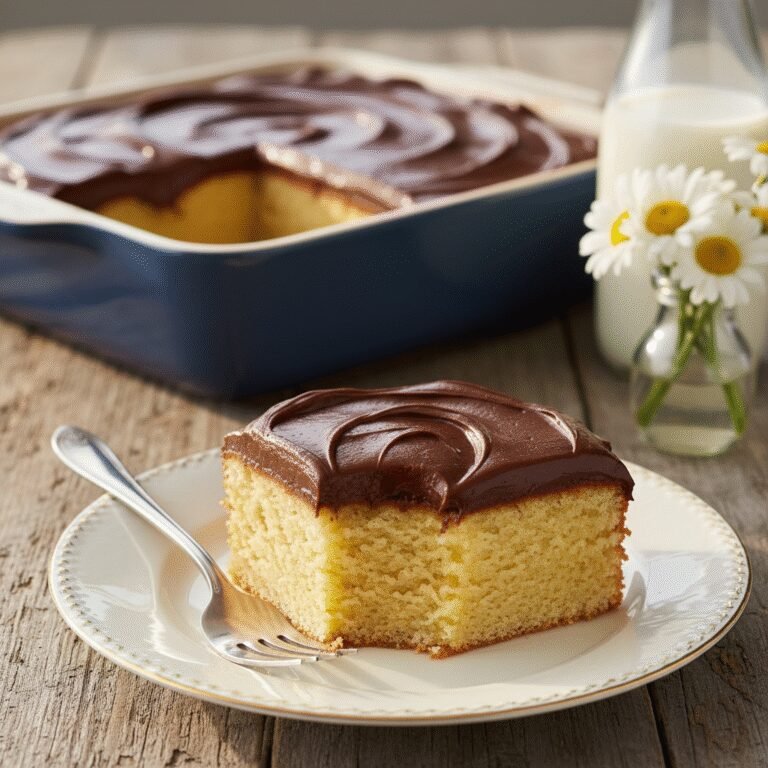
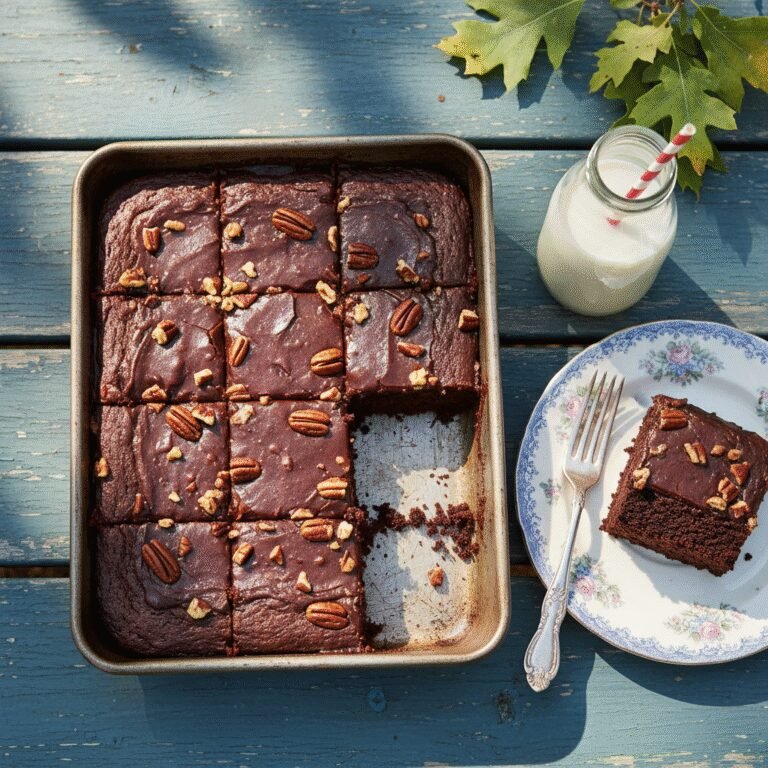
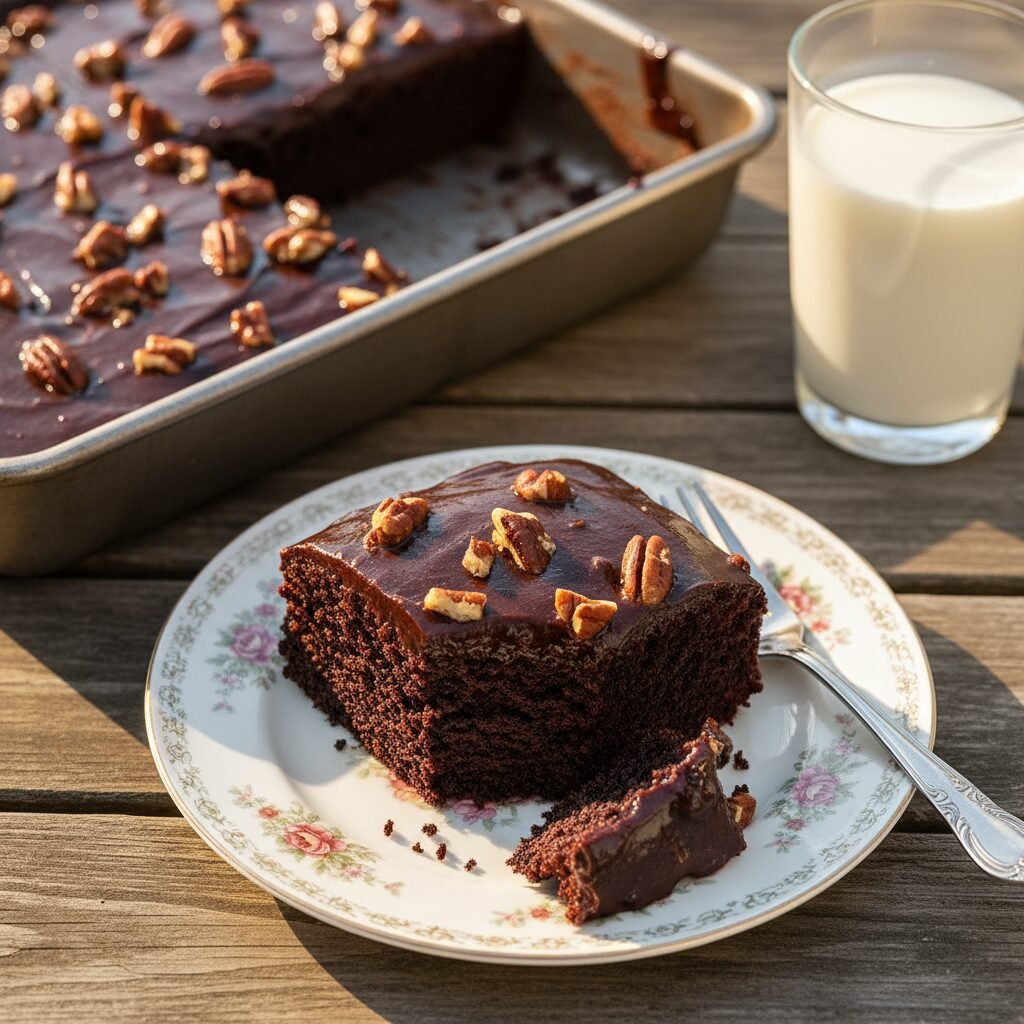
This crowd-pleasing chocolate sheet cake is the undisputed champion of potlucks and church socials. With its incredibly moist crumb and rich, fudgy poured icing that sets to perfection, it feeds a crowd and travels beautifully, making it the go-to dessert for any large gathering.
20 minutes
20 minutes
45 minutes
24 servings
Dessert
Baking
American
Vegetarian
If you grew up attending church potlucks, community picnics, or large family reunions in the South or Midwest, you likely have a core memory involving a large, rectangular pan of chocolate cake. It’s not just any cake—it’s that specific, impossibly moist, thin layer of chocolate sponge topped with a warm, poured fudge icing that cracks slightly when you cut into it. Often called Texas Sheet Cake, or simply ‘Church Cake,’ this dessert is a staple for a reason. It is the ultimate answer to the question, ‘What should I bring?’
Unlike towering layer cakes that require architectural skills and hours of cooling time, this sheet cake celebrates simplicity and speed without sacrificing flavor. In fact, the flavor is superior. The method involves boiling butter, water, and cocoa powder, which blooms the chocolate, intensifying its depth before it even hits the oven. But the real magic happens at the end. You pour the hot, pecan-studded chocolate icing directly over the warm cake. This technique allows the frosting to seep slightly into the top layer of the sponge, creating a transitional zone of gooey, fudgy deliciousness that defines the texture of this classic dessert.
In this guide, we aren’t just making a cake; we are recreating a tradition. This recipe is scaled to feed a crowd, perfect for a standard jelly roll pan or a large rimmed baking sheet. It cuts easily into 24 to 48 slices, depending on how generous you are feeling. Whether you are looking to impress the ladies at the church auxiliary or simply need a reliable birthday cake that transports easily in the trunk of your car, this Moist Chocolate Sheet Cake is your new best friend. Let’s dive into the rich history and the science behind why this cake remains a timeless favorite.
History & Origins
The origins of the chocolate sheet cake, widely known as Texas Sheet Cake, are somewhat shrouded in the mists of mid-20th-century American culinary history, but its cultural footprint is undeniable. While the connection to Texas is often attributed to the cake’s sheer size—’big as Texas’—or the inclusion of pecans (a native Texas nut), the recipe likely evolved from earlier versions of buttermilk chocolate cakes that appeared in community cookbooks throughout the 1900s.
Food historians have traced similar recipes back to the 1930s, but the specific iteration we know and love today—baked in a sheet pan with boiled icing—surged in popularity during the 1950s and 60s. This was the golden era of the ‘community cookbook,’ spiral-bound collections of recipes submitted by church members and Junior Leagues. In these books, efficiency and yield were king. Post-war American housewives valued recipes that used pantry staples and could feed a multitude.
The ‘Church Gathering’ moniker comes from the cake’s ubiquity at religious and social functions. Its practicality is unmatched: it bakes in 20 minutes, frosts instantly, and cools rapidly. Furthermore, baking it in a sheet pan meant it was low-profile and easy to stack or slide onto a crowded buffet table. Over decades, it became a symbol of hospitality and comfort. In many Southern communities, showing up to a funeral reception or a church homecoming without this cake would be considered a break in protocol. It represents a time when dessert was meant to be shared, passed down the table, and enjoyed by everyone from the toddler to the eldest deacon.
Why This Recipe Works
This recipe succeeds where others fail due to a few key scientific principles involving temperature and fat emulsion. First, the ‘boiling method.’ By bringing the butter, water, and cocoa powder to a boil before mixing, you are essentially ‘blooming’ the cocoa. Heat releases the volatile flavor compounds in the cocoa powder, resulting in a more profound chocolate taste than you would get by simply whisking dry cocoa into flour.
Secondly, the use of buttermilk and baking soda is crucial. Buttermilk is acidic, which reacts with the alkaline baking soda to create carbon dioxide gas. This reaction provides the lift needed for the cake. However, beyond leavening, the acidity of the buttermilk tenderizes the gluten strands in the flour, ensuring the crumb remains soft and velvety rather than chewy or tough.
Finally, the frosting technique is the game-changer. Most cakes require complete cooling before frosting to prevent melting. Here, we intentionally pour hot icing over a warm cake. As the cake cools, it contracts slightly, and the warm liquid icing bonds with the surface of the cake. This prevents the ‘separation’ often seen in layer cakes and creates a seal that locks in moisture. The icing then sets up with a sugary, slightly crisp crust on top while remaining soft underneath, providing a textural contrast that is absolutely addictive.
Why You’ll Love This Recipe
- ✓Feeds a large crowd (20+ people) easily.
- ✓Incredibly moist texture that stays fresh for days.
- ✓No fancy equipment required—just a saucepan and a bowl.
- ✓Travels perfectly without sliding or toppling.
- ✓Rich, fudgy frosting is poured warm for a perfect finish.
- ✓Ready from start to finish in under an hour.
Equipment You’ll Need
- ✓18×13 inch rimmed baking sheet (jelly roll pan)
- ✓Large saucepan
- ✓Large mixing bowl
- ✓Whisk
- ✓Measuring cups and spoons
- ✓Rubber spatula
Ingredients
- ✓2 cups all-purpose flour
- ✓2 cups granulated sugar
- ✓1 teaspoon baking soda
- ✓1/2 teaspoon salt
- ✓1 cup unsalted butter (2 sticks)
- ✓1 cup water
- ✓1/4 cup unsweetened cocoa powder
- ✓1/2 cup buttermilk, room temperature
- ✓2 large eggs, room temperature
- ✓1 teaspoon pure vanilla extract
- ✓— FOR THE FROSTING —
- ✓1/2 cup unsalted butter (1 stick)
- ✓1/4 cup unsweetened cocoa powder
- ✓6 tablespoons buttermilk
- ✓1 teaspoon pure vanilla extract
- ✓3 cups powdered sugar, sifted
- ✓1 cup chopped pecans (optional but recommended)
Instructions
- Preheat your oven to 350°F (175°C). Grease an 18×13 inch rimmed baking sheet (jelly roll pan) thoroughly with butter or non-stick cooking spray.
- In a large mixing bowl, whisk together the flour, granulated sugar, baking soda, and salt. Set aside.
- In a large saucepan over medium-high heat, combine 1 cup of butter, 1 cup of water, and 1/4 cup of cocoa powder. Whisk constantly until the mixture comes to a rolling boil.
- Remove the saucepan from the heat and immediately pour the boiling chocolate mixture over the dry ingredients in the mixing bowl. Whisk gently until just combined and no large lumps of flour remain.
- In a separate small bowl or measuring cup, whisk together the 1/2 cup buttermilk, eggs, and vanilla extract until smooth.
- Pour the buttermilk mixture into the chocolate batter. Whisk until fully incorporated and the batter is smooth and glossy.
- Pour the batter into the prepared baking sheet. Use a spatula to spread it evenly into the corners.
- Bake for 18-22 minutes, or until a toothpick inserted into the center comes out clean or with just a few moist crumbs. Do not overbake.
- While the cake is in the final 5 minutes of baking, make the frosting. In the same saucepan (wipe it out if needed), combine 1/2 cup butter, 1/4 cup cocoa powder, and 6 tablespoons buttermilk. Bring to a boil over medium heat, whisking constantly.
- Once boiling, remove from heat. Whisk in the vanilla extract and the powdered sugar. Add the sugar one cup at a time, whisking vigorously to remove lumps. Fold in the chopped pecans.
- As soon as the cake comes out of the oven, immediately pour the warm frosting over the hot cake. Use an offset spatula to spread it gently to the edges.
- Allow the cake to cool completely in the pan on a wire rack before slicing. The frosting needs time to set and crystallize.
Expert Cooking Tips
- ✓Sift your powdered sugar before making the frosting to ensure a lump-free, glossy finish.
- ✓Don’t skip the buttermilk; its acidity is necessary for the baking soda to activate and rise the cake.
- ✓Toast the pecans lightly in a dry skillet before adding them to the frosting for a deeper, nuttier flavor.
- ✓Use a standard 18×13 jelly roll pan; using a smaller pan will result in a thicker cake that may overflow or bake unevenly.
- ✓Work quickly when frosting; the icing sets fast as it cools, so you want to spread it while it’s hot and pourable.
- ✓Room temperature eggs incorporate better into the batter, preventing the butter from seizing up.
Substitutions and Variations
This recipe is quite robust, but there are ways to adapt it if you are missing ingredients. If you don’t have buttermilk, you can make a quick substitute by adding 1 tablespoon of white vinegar or lemon juice to a cup of regular milk and letting it sit for 5 minutes until it curdles. For a deeper flavor profile, substitute the 1 cup of water in the cake batter with hot brewed coffee; this enhances the chocolate intensity without making the cake taste like coffee. If you need to be nut-free, simply omit the pecans or swap them for sprinkles or mini chocolate chips (added after the frosting cools slightly so they don’t melt). For a gluten-free version, swap the all-purpose flour for a high-quality 1:1 gluten-free flour blend that includes xanthan gum. Dairy-free bakers can use plant-based butter sticks and almond milk mixed with vinegar for the buttermilk, though the texture of the frosting may be slightly less glossy.
Common Mistakes to Avoid
The most common mistake with sheet cake is overbaking. Because the cake layer is thin, it transitions from moist to dry very quickly. Start checking at the 18-minute mark. Another pitfall is letting the cake cool before frosting. This specific recipe relies on the heat transfer between the cake and the icing to bond them together; if you wait, the frosting will just sit on top and may crack off when cut. Additionally, failing to measure flour correctly can lead to a dense cake. Avoid scooping the flour directly with the measuring cup, which packs it down. Instead, spoon the flour into the cup and level it off with a knife. Finally, do not reduce the sugar in the frosting too drastically, as the sugar structure is what allows the icing to set into that characteristic fudge-like consistency.
Serving Suggestions
This cake is rich and sweet, so it pairs beautifully with something to cut the richness. A scoop of vanilla bean ice cream is the classic accompaniment, melting slightly against the room-temperature cake. For a church gathering or potluck, it is usually served as is, perhaps with a cold glass of milk or a hot cup of coffee. If you want to elevate the presentation for a dinner party, garnish each square with a fresh raspberry or a sprig of mint. Because it feeds so many, it’s perfect for cutting into smaller, bite-sized squares for a dessert buffet, allowing guests to grab a quick treat without committing to a massive slice.
Storage and Reheating Tips
One of the best qualities of this cake is its shelf life. It can be stored right in the baking pan, covered tightly with plastic wrap or aluminum foil, at room temperature for up to 3-4 days. In fact, many argue it tastes even better the second day as the moisture redistributes. If you live in a very hot or humid climate, you might want to refrigerate it to keep the frosting firm, but bring it back to room temperature before serving for the best texture. For long-term storage, you can freeze individual slices wrapped in parchment paper and foil for up to 3 months. Thaw on the counter for an hour before enjoying.
Nutrition Facts (Estimated)
| Serving Size | 1 slice |
| Calories | 380 |
| Fat | 18g |
| Saturated Fat | 9g |
| Unsaturated Fat | 8g |
| Trans Fat | 0g |
| Cholesterol | 45mg |
| Sodium | 180mg |
| Carbohydrates | 52g |
| Fiber | 2g |
| Sugar | 34g |
| Protein | 4g |
Frequently Asked Questions
Can I use a 9×13 pan instead of a jelly roll pan?
Technically yes, but the baking time will increase significantly (likely 35-45 minutes), and the texture will be more like a traditional cake than a sheet cake. You might have leftover frosting as the surface area is smaller.
Why is my frosting grainy?
Grainy frosting usually happens if the sugar wasn’t dissolved properly or if the powdered sugar wasn’t sifted. Make sure the butter mixture is hot when you add the sugar, and whisk vigorously.
Can I make this cake ahead of time?
Absolutely. This cake stays moist for days. Making it one day before your event is actually recommended as the flavors meld together beautifully overnight.
Do I have to use pecans?
No, pecans are traditional for Texas Sheet Cake, but walnuts work just as well, or you can omit nuts entirely for a nut-free version.
Can I use Dutch-process cocoa?
Yes, Dutch-process cocoa will give a darker color and a smoother, less acidic flavor. Natural cocoa powder works fine too and is what was traditionally used.
How do I transport this without ruining the frosting?
Since the frosting sets firm, you can cover the pan with foil once cool. Many jelly roll pans come with snap-on lids, which are perfect for transport.
Why does the recipe call for boiling water?
Boiling water helps bloom the cocoa powder, releasing its full flavor potential, and ensures the butter melts evenly for a uniform batter.
Can I halve the recipe?
Yes, you can halve the ingredients and bake it in a 9×13 pan. Check the baking time around 18-20 minutes, as the thickness will be similar to the full sheet version.
Conclusion
The Moist Chocolate Sheet Cake is more than just a recipe; it is a reliable companion for life’s gatherings, big and small. Its enduring popularity at church socials and family reunions speaks to its universal appeal—simple, honest ingredients coming together to create something comforting and deeply satisfying. Whether you are a novice baker or a seasoned pro, the ease of this ‘boil and bake’ method ensures success every time. So, the next time you need to bring a dessert that guarantees empty plates and requests for the recipe, look no further. Preheat your oven, grab your largest sheet pan, and get ready to make some memories with this timeless classic.