The Ultimate Moist Chocolate Sheet Cake with Glossy Fudge Frosting
Moist Chocolate Sheet Cake With Chocolate Frosting Recipe
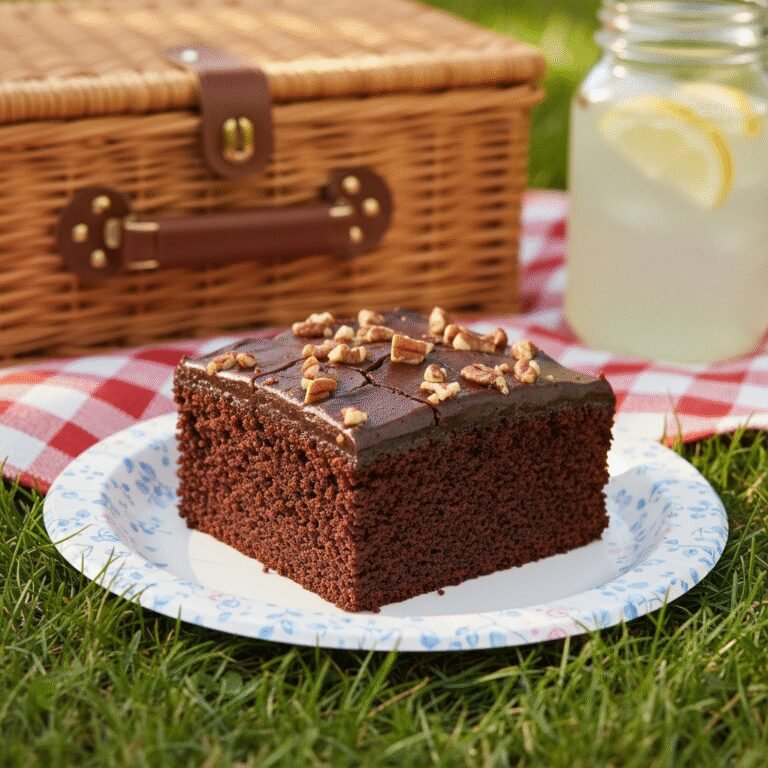
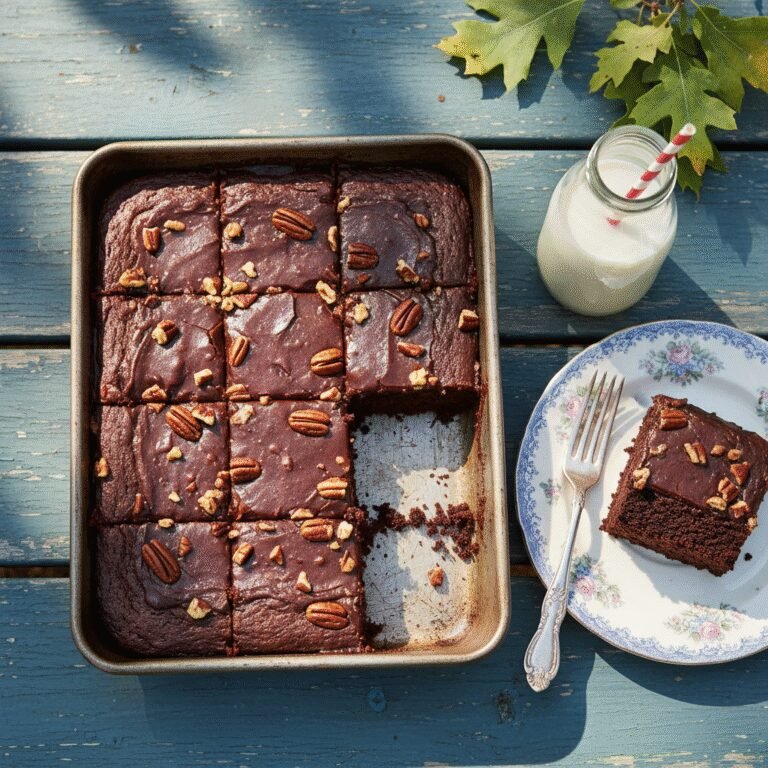
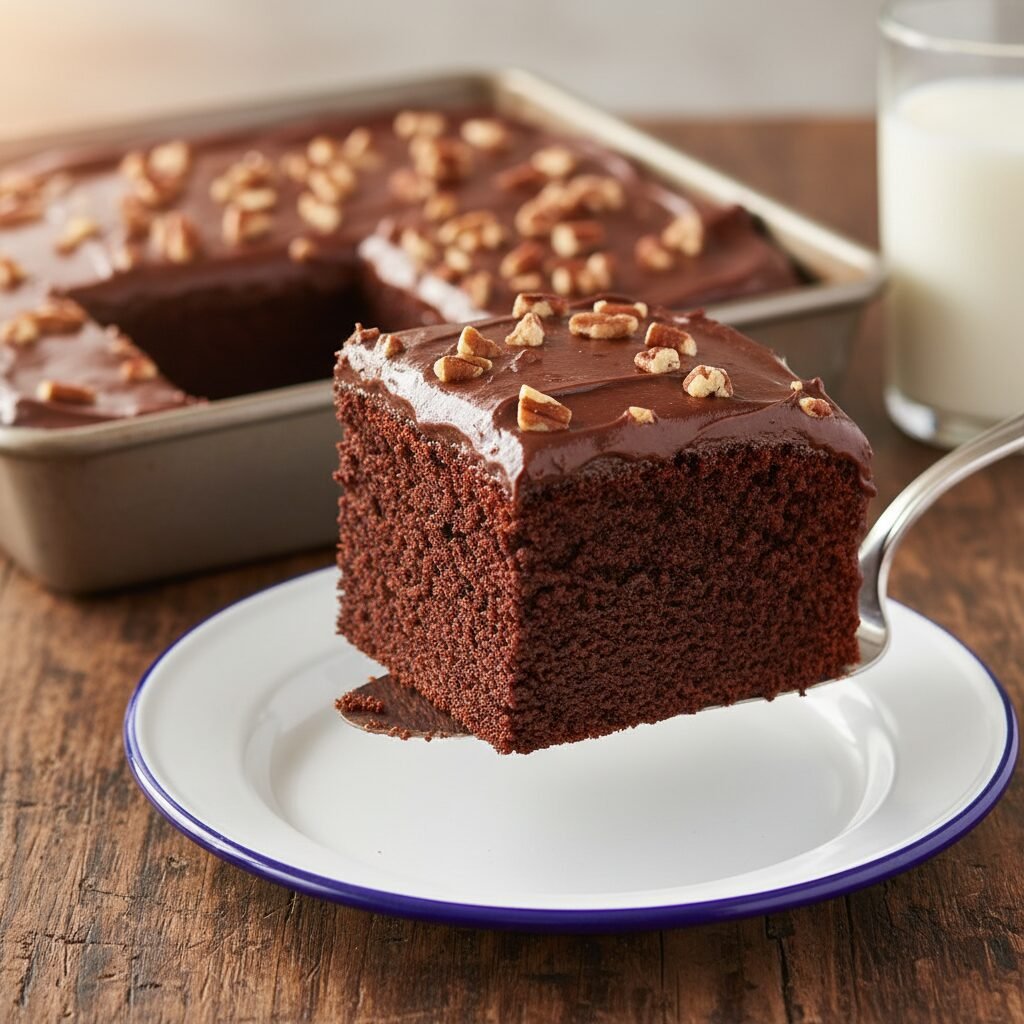
This is hands-down the easiest and most decadent chocolate cake you will ever bake. With a tender, melt-in-your-mouth crumb and a rich, glossy fudge frosting poured warm over the top, it’s the perfect dessert for potlucks, birthdays, and serious chocolate cravings.
20 minutes
25 minutes
45 minutes
24 servings
Dessert
Baking
American
Vegetarian
There is something profoundly comforting about a classic chocolate sheet cake. Unlike towering layer cakes that require structural integrity and precise frosting techniques, the humble sheet cake is all about texture and flavor. This recipe represents the pinnacle of home baking: it is unfussy, incredibly forgiving, and delivers a depth of chocolate flavor that rivals any high-end bakery. The magic lies in the crumb—it is impossibly moist, almost pudding-like, yet light enough to eat a second slice without hesitation. As you bite into it, you’re met with the deep, roasted notes of cocoa bloomed in hot coffee, balanced by the tang of buttermilk and the richness of pure vanilla.
But the cake is only half the story. The crowning glory is the warm chocolate frosting, poured directly over the hot cake the moment it leaves the oven. This technique allows the frosting to seep slightly into the surface, creating a gooey, fudge-like interface between the sponge and the glaze that is pure bliss. As it sets, the frosting develops a delicate, sugary crust that cracks satisfyingly under your fork, revealing the velvety chocolate beneath. Whether you are a seasoned baker or a complete novice, this recipe is designed to be your go-to standard. It feeds a crowd, travels well, and somehow tastes even better the next day. So, grab your favorite 9×13 pan and prepare to fill your kitchen with the intoxicating aroma of warm chocolate, butter, and vanilla. This isn’t just a cake; it’s a warm hug in dessert form.
History & Origins
The concept of the sheet cake, particularly the chocolate variety often known as ‘Texas Sheet Cake,’ is deeply rooted in mid-20th-century American culinary history. While the exact origins are somewhat murky, food historians often trace the popularity of large, shallow rectangular cakes to the post-war era when convenience and feeding large crowds became a priority for suburban families. The specific style of chocolate sheet cake—characterized by boiling liquids (butter, water, and cocoa) and pouring warm frosting over a hot cake—began appearing in community cookbooks and newspapers around the 1950s and 60s.
One theory suggests the name ‘Texas Sheet Cake’ comes from the sheer size of the cake, embodying the ‘everything is bigger in Texas’ motto. Others speculate it was first published in a Texas newspaper, cementing the regional association. Interestingly, a recipe for ‘German Sweet Chocolate Cake’ published by Baker’s Chocolate in 1957 shares some similarities in richness, though the technique differs. The sheet cake’s rise to fame coincided with the explosion of potlucks, church socials, and backyard barbecues. Its ability to be baked, frosted, and served from a single pan made it the ultimate utilitarian dessert. Over the decades, the recipe has seen minor tweaks—some add cinnamon, others swap water for coffee, and many insist on pecans—but the soul of the dish remains the same. It stands as a testament to American home baking: simple ingredients, straightforward methods, and a result that brings people together.
Why This Recipe Works
This recipe succeeds where others fail due to a few key scientific principles of baking. First and foremost is the ‘blooming’ of the cocoa powder. By mixing the cocoa with boiling hot coffee (or water), we dissolve the cocoa butter and release the full flavor potential of the chocolate, eliminating any chalky texture. The acidity of the coffee also enhances the chocolate flavor without making the cake taste like mocha.
Secondly, the fat profile is carefully balanced. We use oil rather than just butter in the batter. Oil remains liquid at room temperature, which ensures the cake stays moist for days, whereas butter-based cakes can dry out as they sit. However, we use butter in the frosting to provide that classic creamy mouthfeel and rich flavor.
Third is the use of buttermilk and baking soda. The acidity in the buttermilk reacts vigorously with the baking soda, creating carbon dioxide bubbles that give the cake its lift and tender, airy structure. This reaction is immediate, which is why the batter is liquid and easy to mix. Finally, the technique of frosting the cake while it is hot is crucial. It locks in the steam escaping from the cake, effectively sealing in moisture, while the heat helps the frosting bond to the cake layer, preventing it from sliding off.
Why You’ll Love This Recipe
- ✓Incredibly moist texture that stays fresh for days
- ✓Rich, deep chocolate flavor enhanced by hot coffee
- ✓Easy one-bowl batter method requires no mixer
- ✓Warm frosting creates a unique fudge-like layer
- ✓Perfect for feeding large crowds or potlucks
- ✓Ready from start to finish in under an hour
Equipment You’ll Need
- ✓9×13 inch baking pan or 18×13 inch sheet pan
- ✓Large mixing bowl
- ✓Medium saucepan
- ✓Whisk
- ✓Rubber spatula
- ✓Measuring cups and spoons
- ✓Wire cooling rack
Ingredients
- ✓2 cups all-purpose flour
- ✓2 cups granulated sugar
- ✓1 teaspoon baking soda
- ✓1/2 teaspoon salt
- ✓1 cup unsalted butter (for batter)
- ✓1 cup water or strong hot coffee
- ✓1/4 cup unsweetened cocoa powder (for batter)
- ✓1/2 cup buttermilk, room temperature
- ✓2 large eggs, room temperature
- ✓1 teaspoon vanilla extract
- ✓1/2 cup unsalted butter (for frosting)
- ✓1/4 cup unsweetened cocoa powder (for frosting)
- ✓6 tablespoons whole milk
- ✓3 cups powdered sugar, sifted
- ✓1 teaspoon vanilla extract (for frosting)
- ✓1 cup chopped pecans or walnuts (optional)
Instructions
- Preheat your oven to 350°F (175°C). Grease a 9×13 inch baking pan or a standard 18×13 inch jelly roll pan generously with butter or cooking spray.
- In a large mixing bowl, whisk together the flour, granulated sugar, baking soda, and salt until well combined. Set aside.
- In a medium saucepan over medium heat, combine 1 cup of butter, water (or coffee), and 1/4 cup cocoa powder. Whisk constantly until the butter is melted and the mixture comes to a gentle boil.
- Remove the saucepan from the heat and immediately pour the hot chocolate mixture over the dry ingredients. Whisk gently until just combined and no large flour streaks remain.
- In a separate small bowl or measuring cup, whisk together the buttermilk, eggs, and 1 teaspoon vanilla extract.
- Pour the buttermilk mixture into the chocolate batter and whisk until fully incorporated and smooth. The batter will be thin; this is normal.
- Pour the batter into the prepared baking pan and smooth the top with a spatula.
- Bake for 20-25 minutes for a sheet pan, or 30-35 minutes for a 9×13 pan, until a toothpick inserted into the center comes out clean or with just a few moist crumbs.
- While the cake is in the final 5 minutes of baking, prepare the frosting. In a clean saucepan, melt 1/2 cup butter over medium heat.
- Whisk in 1/4 cup cocoa powder and the milk. Cook, stirring constantly, until the mixture begins to simmer. Remove from heat.
- Gradually whisk in the sifted powdered sugar and vanilla extract until the frosting is smooth and glossy. Stir in the chopped nuts if using.
- Remove the cake from the oven and immediately pour the warm frosting over the hot cake. Use a spatula to spread it gently to the edges.
- Allow the cake to cool completely in the pan on a wire rack before slicing. The frosting will set as it cools.
Expert Cooking Tips
- ✓Measure your flour correctly by spooning it into the cup and leveling it off, rather than scooping directly, to avoid a dense cake.
- ✓Don’t skip the sifting of the powdered sugar for the frosting; this prevents lumps that are hard to whisk out later.
- ✓Use room temperature eggs and buttermilk to ensure they emulsify properly into the warm batter without scrambling.
- ✓If you don’t have buttermilk, make a substitute by adding 1 tablespoon of lemon juice or vinegar to 1/2 cup of milk and letting it sit for 5 minutes.
- ✓Pouring the frosting while the cake is hot is critical for that signature fudgy interface between cake and icing.
- ✓Using hot coffee instead of water intensifies the chocolate flavor significantly without making the cake taste like espresso.
- ✓Keep an eye on the cake during the last few minutes of baking; overbaking is the enemy of a moist sheet cake.
Substitutions and Variations
This recipe is quite versatile if you need to swap ingredients. For the flour, a 1:1 gluten-free all-purpose baking blend works surprisingly well, though the texture may be slightly less fluffy. If you are out of buttermilk, you can use a mixture of sour cream and milk (50/50 ratio) or plain yogurt thinned with a little water. For a dairy-free version, substitute the butter with a high-quality plant-based butter stick or coconut oil, and use almond or soy milk mixed with a teaspoon of vinegar in place of buttermilk. The eggs can be replaced with flax eggs (2 tbsp ground flaxseed meal + 6 tbsp water) for a vegan option, though the cake will be denser. You can also swap the pecans for walnuts, toasted almonds, or omit nuts entirely for a nut-free version. If you prefer a darker chocolate taste, use Dutch-processed cocoa powder, but keep in mind it reacts differently with baking soda, so you might want to add a pinch of baking powder.
Common Mistakes to Avoid
The most common mistake with this cake is overbaking. Because the batter is dark, it’s hard to see browning, so rely on the toothpick test. If the toothpick comes out bone dry, it’s likely already overdone; aim for a few moist crumbs attached. Another pitfall is letting the cake cool before frosting. The unique texture of this sheet cake relies on the thermal interaction between the hot sponge and the warm icing. If you wait, the frosting will just sit on top rather than melding with the cake. Additionally, rushing the mixing of the dry and wet ingredients can lead to lumps of flour. Whisk thoroughly but gently. Finally, using cold ingredients (eggs/buttermilk) when mixing with the hot boiled chocolate mixture can sometimes cause the butter to seize or the eggs to cook prematurely, so temper your ingredients or whisk quickly.
Serving Suggestions
This cake is rich and sweet, so it pairs beautifully with something to cut the intensity. A scoop of high-quality vanilla bean ice cream is the classic choice, creating a delightful hot-and-cold contrast if served slightly warm. A dollop of unsweetened freshly whipped cream is also excellent. For a fruitier contrast, serve with fresh raspberries or strawberries, which add a tart brightness that balances the heavy chocolate notes. A tall glass of cold milk or a hot cup of black coffee is the perfect beverage accompaniment. If you are serving this for a holiday or celebration, you can garnish the top with chocolate shavings, sprinkles, or even a dusting of sea salt to enhance the chocolate flavor.
Storage and Reheating Tips
One of the best features of this sheet cake is its shelf life. It can be stored at room temperature, covered tightly with plastic wrap or a lid, for up to 3 days. In fact, many find it tastes even better on day two as the flavors meld. For longer storage, keep it in the refrigerator for up to a week, though the cold will firm up the texture slightly—just bring it to room temperature before serving for the best experience. You can also freeze individual slices. Wrap each slice tightly in plastic wrap and then foil. They will keep in the freezer for up to 3 months. Thaw on the counter for an hour before eating.
Nutrition Facts (Estimated)
| Serving Size | 1 slice |
| Calories | 380 |
| Fat | 18g |
| Saturated Fat | 8g |
| Unsaturated Fat | 9g |
| Trans Fat | 0g |
| Cholesterol | 45mg |
| Sodium | 210mg |
| Carbohydrates | 52g |
| Fiber | 2g |
| Sugar | 35g |
| Protein | 4g |
Frequently Asked Questions
Can I make this cake in a different size pan?
Yes, you can use a standard 9×13 pan for a thicker cake (bake for 30-35 mins) or a larger 18×13 jelly roll pan for a thinner, traditional Texas-style sheet cake (bake for 20-25 mins).
Why do I need to use hot coffee?
Hot coffee ‘blooms’ the cocoa powder, releasing more flavor and dissolving it completely. It deepens the chocolate taste without making the cake taste like coffee.
Can I reduce the sugar in this recipe?
You can reduce the sugar in the cake batter by about 1/2 cup without ruining the structure, but reducing sugar in the frosting will affect its ability to set properly.
My frosting is too stiff/runny, what do I do?
If it’s too stiff, whisk in an extra teaspoon of milk at a time. If it’s too runny, whisk in a little more powdered sugar until you reach a pourable but thick consistency.
Do I have to use pecans?
Not at all! Pecans are traditional for Texas Sheet Cake, but you can omit them completely or substitute with walnuts, sprinkles, or coconut flakes.
Can I make the batter ahead of time?
Because this recipe relies on the reaction between baking soda and buttermilk, it is best to bake it immediately after mixing. The leavening power fades if the batter sits.
Why is my cake dry?
Dry cake is usually the result of overbaking or measuring flour incorrectly (packing it into the cup). Check the cake 5 minutes before the timer goes off.
Can I use Dutch-process cocoa?
Yes, but since Dutch-process is less acidic, the baking soda might not react as strongly. The cake will still be delicious but might be slightly denser.
Conclusion
In a world of complicated mousses and multi-tiered confections, the Moist Chocolate Sheet Cake stands apart as a champion of simplicity and satisfaction. It proves that you don’t need fancy equipment or hours of decorating time to create a dessert that people will remember. Whether you are celebrating a birthday, bringing a dish to a neighbor, or just treating yourself on a Friday night, this cake delivers every single time. The combination of the tender, moist crumb and the rich, crackly fudge frosting is timeless. We hope this recipe becomes a cherished staple in your kitchen, just as it has in ours. Happy baking!