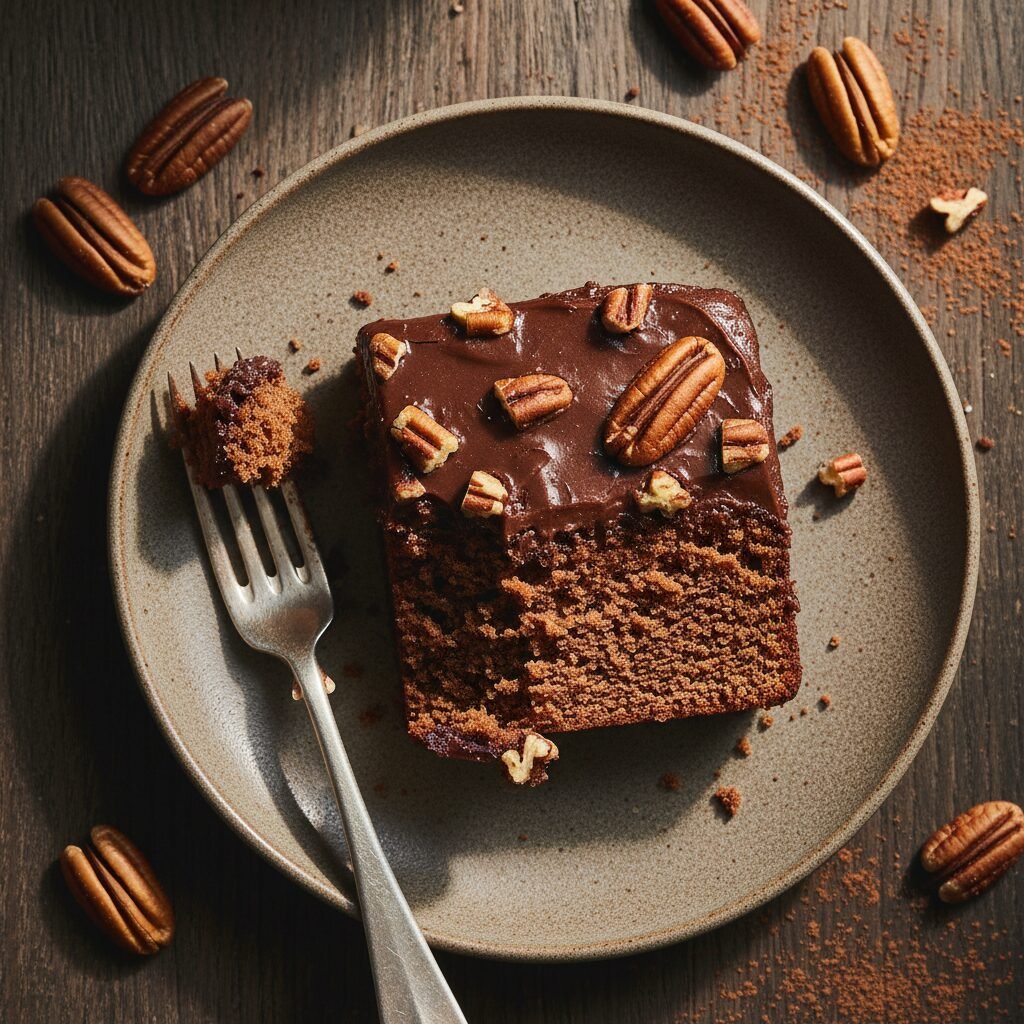
The Ultimate Moist Chocolate Sheet Cake with Fudgy Pecan Frosting
Moist Chocolate Sheet Cake Recipe
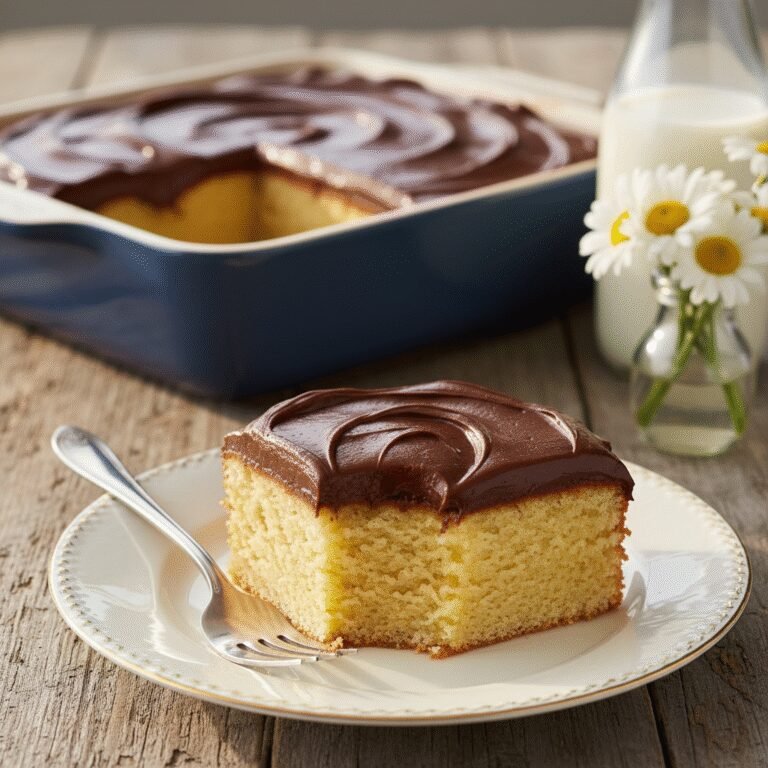
This is the definitive recipe for the classic Chocolate Sheet Cake, often known as Texas Sheet Cake. It features an incredibly tender, melt-in-your-mouth crumb topped with a warm, pour-over fudge frosting that sets into a decadent, sugary crust. It is the perfect crowd-pleaser for potlucks and parties.
20 minutes
20 minutes
40 minutes
24 servings
Dessert
Baking
American
Vegetarian
If there is one dessert that defines the concept of comfort baking, it is the classic chocolate sheet cake. Unlike towering layer cakes that require patience, precision, and a steady hand for decoration, this cake is unapologetically rustic, sprawling across a large sheet pan in a glorious expanse of dark, rich chocolate. The magic of this recipe lies not just in its simplicity, but in the unique texture that sets it apart from any other chocolate cake you have ever tasted. It is not merely a cake; it is a hybrid between a brownie and a sponge, possessing a density that is satisfying without being heavy, and a moisture level that is practically unparalleled in the world of baking. The secret weapon here is the technique of boiling the liquid ingredients before mixing them with the dry, a method that blooms the cocoa powder to its fullest potential, releasing deep, complex chocolate notes that cold mixing simply cannot achieve. But let’s be honest, the real star of the show is the frosting. This isn’t a fluffy buttercream that sits passively on top. This is a cooked fudge icing, poured hot over the warm cake. As it hits the surface, it seeps slightly into the tender crumb, creating a transitional layer of gooey goodness before setting into a glossy, slightly crackly shell that shatters delicately when you bite into it. Whether you know it as Texas Sheet Cake, Sheath Cake, or just the best chocolate cake ever, this recipe is designed to feed a crowd and vanish within minutes. It evokes memories of church picnics, backyard barbecues, and family reunions, proving that sometimes, the most humble-looking desserts are the ones that steal the show.
History & Origins
The origins of the chocolate sheet cake are somewhat shrouded in the mists of 20th-century American culinary history, but it is most famously associated with the state of Texas. Often called ‘Texas Sheet Cake,’ food historians debate whether the name comes from its massive size (as big as Texas) or if it truly originated in the Lone Star State. The recipe gained significant traction in the mid-20th century, appearing in community cookbooks and local newspapers across the South and Midwest. One of the earliest printed references that closely resembles the modern iteration appeared in the Dallas Morning News in 1957, though similar recipes for ‘sheath cakes’ (likely a misspelling of sheet) were circulating earlier. The rise of this cake coincided with the post-war boom of convenience cooking and the popularization of the jelly roll pan or baking sheet as a vessel for more than just cookies. During the 1960s, the recipe became a staple of American potluck culture. Its popularity was driven by the availability of pantry staples like buttermilk, pecans, and cocoa powder, and the fact that it could be whipped up in a single saucepan and a bowl without the need for an electric mixer. Interestingly, some historians draw a line back to ‘German’s Chocolate Cake,’ suggesting that the sheet cake was a simplified, frosting-heavy adaptation that swapped the coconut-pecan filling for a quicker, pour-over fudge frosting, making it easier to transport to social gatherings.
Why This Recipe Works
This recipe succeeds where many other chocolate cakes fail due to the specific chemistry of the ‘boiling water’ method. By bringing the butter, water, and cocoa powder to a boil before adding them to the flour mixture, you are effectively blooming the cocoa. Heat releases the flavor compounds in cocoa powder, making the chocolate taste more intense and less chalky. Furthermore, this hot liquid gelatinizes the starches in the flour immediately upon contact, which contributes to that distinctively velvety, moist crumb that stays soft for days. The inclusion of buttermilk is another critical factor; its acidity reacts with the baking soda to create carbon dioxide, giving the cake lift, while simultaneously breaking down long strands of gluten to ensure the cake remains tender rather than tough. Finally, the frosting technique is scientifically designed to lock in moisture. Pouring hot icing over a hot cake creates a seal. As the cake cools, it releases steam, but the heavy layer of fudge frosting traps that steam inside the crumb, preventing it from drying out. This symbiotic relationship between the warm cake and the warm frosting is why this specific method yields a dessert that is significantly moister than a standard creaming-method cake.
Why You’ll Love This Recipe
- ✓Requires no electric mixer—just a saucepan and a whisk.
- ✓Feeds a large crowd, yielding up to 24 generous slices.
- ✓The frosting is poured warm, creating a unique fudgy barrier.
- ✓Uses pantry staples you likely already have on hand.
- ✓Ready from start to finish in under 45 minutes.
- ✓Stays moist for days thanks to the buttermilk and boiling water method.
Equipment You’ll Need
- ✓13×18 inch sheet pan (half sheet) or 10×15 inch jelly roll pan
- ✓Large saucepan
- ✓Whisk
- ✓Large mixing bowl
- ✓Rubber spatula
- ✓Measuring cups and spoons
- ✓Sifter (for powdered sugar)
Ingredients
- ✓2 cups all-purpose flour
- ✓2 cups granulated sugar
- ✓1 teaspoon baking soda
- ✓1/2 teaspoon salt
- ✓1 cup unsalted butter (2 sticks)
- ✓1 cup water
- ✓1/4 cup unsweetened cocoa powder
- ✓2 large eggs, room temperature
- ✓1/2 cup buttermilk, room temperature
- ✓1 teaspoon vanilla extract
- ✓FOR THE FROSTING: 1/2 cup unsalted butter (1 stick)
- ✓1/4 cup unsweetened cocoa powder
- ✓1/3 cup whole milk
- ✓1 teaspoon vanilla extract
- ✓3 cups powdered sugar, sifted
- ✓1 cup chopped pecans (optional)
Instructions
- Preheat your oven to 350°F (175°C). Grease a 13×18 inch baking sheet (or a 10×15 inch jelly roll pan for a thicker cake) with butter or non-stick cooking spray. Set aside.
- In a large mixing bowl, whisk together the flour, granulated sugar, baking soda, and salt until well combined.
- In a large saucepan over medium-high heat, combine 1 cup of butter, water, and 1/4 cup cocoa powder. Bring the mixture to a rolling boil, whisking constantly.
- Once boiling, remove the saucepan from the heat and immediately pour the hot chocolate mixture over the dry ingredients in the mixing bowl. Whisk gently until the mixture is smooth and no large lumps of flour remain. The batter will be thin.
- In a separate small bowl or measuring cup, whisk together the eggs, buttermilk, and vanilla extract. Pour this into the chocolate batter and whisk until fully incorporated.
- Pour the batter into the prepared baking sheet, using a spatula to spread it evenly into the corners.
- Bake for 18-22 minutes. The cake is done when a toothpick inserted into the center comes out clean or with just a few moist crumbs. Do not overbake.
- About 5 minutes before the cake is done baking, start the frosting. In the same saucepan used earlier (rinsed out), combine 1/2 cup butter, 1/4 cup cocoa powder, and milk. Bring to a boil over medium heat.
- Remove from heat and whisk in the vanilla extract and sifted powdered sugar. Whisk vigorously until the frosting is glossy and smooth. Fold in the chopped pecans if using.
- Immediately pour the hot frosting over the hot cake as soon as you remove it from the oven. Use an offset spatula to spread the frosting gently to the edges.
- Allow the cake to cool for at least 20 minutes before slicing. The frosting will set into a delicate, fudge-like crust.
Expert Cooking Tips
- ✓Sift your powdered sugar before making the frosting to avoid white lumps in your smooth chocolate glaze.
- ✓Use room temperature eggs and buttermilk to ensure they emulsify properly into the warm batter without scrambling.
- ✓If you don’t have buttermilk, make a substitute by adding 1/2 tablespoon of lemon juice or vinegar to 1/2 cup of milk and letting it sit for 5 minutes.
- ✓Do not overbake the cake; check it at the 18-minute mark. Since the cake is thin, it dries out quickly if left too long.
- ✓Toast the pecans lightly in a dry skillet before adding them to the frosting for a deeper, nuttier flavor and extra crunch.
- ✓Pour the frosting immediately. If it cools down in the pan, it will stiffen and become difficult to spread evenly over the cake.
Substitutions and Variations
This recipe is quite robust, but there are several substitutions you can make depending on your dietary needs or pantry inventory. For the fat, you can substitute the butter in the cake batter with margarine or even coconut oil, though real butter provides the best flavor. If you want to intensify the chocolate flavor, substitute the 1 cup of water with 1 cup of hot brewed coffee; the coffee enhances the cocoa notes without making the cake taste like a latte. For a gluten-free version, use a high-quality 1:1 gluten-free all-purpose flour blend that contains xanthan gum. The texture will remain surprisingly similar due to the moisture content. If you are nut-free, simply omit the pecans in the frosting or swap them for sprinkles or mini chocolate chips (add chips after the frosting cools slightly so they don’t melt completely). For the buttermilk, sour cream or plain Greek yogurt thinned with a little milk works as an excellent alternative.
Common Mistakes to Avoid
The most common mistake with sheet cake is overbaking. Because the batter is spread so thin, the difference between moist and dry is a matter of two or three minutes. Watch the oven closely. Another frequent error is letting the cake cool before frosting it. The unique texture of this dessert relies on the ‘hot-on-hot’ method; the warm cake absorbs a tiny bit of the frosting, bonding them together. If you wait, the frosting sits on top like a separate layer. Additionally, failing to sift the powdered sugar is a rookie mistake that results in lumpy, unattractive frosting. Finally, ensure you use a pan with sides that are at least 1 inch high; using a completely flat cookie sheet will result in batter overflowing into your oven.
Serving Suggestions
This cake is incredibly rich, so it is best served in modest squares. It pairs beautifully with a scoop of vanilla bean ice cream, which cuts through the intense chocolate sweetness. A dollop of unsweetened whipped cream and fresh raspberries or strawberries also adds a nice freshness and acidity to balance the sugar. For a cozy winter treat, serve a slice with a hot cup of black coffee or a cold glass of milk. It is the ultimate potluck dessert because you can slice it into small finger-food portions or larger dessert plates depending on the crowd.
Storage and Reheating Tips
One of the best qualities of this cake is how well it stores. It can be kept at room temperature, covered tightly with plastic wrap or foil (or a fitted lid), for up to 3-4 days. The high sugar and fat content acts as a preservative. For longer storage, you can refrigerate it for up to a week, though this may dry the crumb slightly; bring it to room temperature before eating for the best texture. This cake also freezes exceptionally well. You can freeze individual slices wrapped in parchment and foil, or freeze the whole sheet pan. Thaw on the counter for a few hours before serving.
Nutrition Facts (Estimated)
| Serving Size | 1 slice |
| Calories | 420 |
| Fat | 22g |
| Saturated Fat | 10g |
| Unsaturated Fat | 11g |
| Trans Fat | 0g |
| Cholesterol | 45mg |
| Sodium | 180mg |
| Carbohydrates | 52g |
| Fiber | 2g |
| Sugar | 38g |
| Protein | 4g |
Frequently Asked Questions
Can I use a 9×13 pan instead of a sheet pan?
Yes, but it will significantly change the baking time and texture. A 9×13 pan will create a much thicker, more traditional cake. You will likely need to bake it for 35-45 minutes. The ratio of frosting to cake will also be different.
Why do I have to boil the butter and water?
Boiling the liquid melts the butter evenly and, more importantly, blooms the cocoa powder. Adding the hot liquid to the flour also gelatinizes the starches instantly, contributing to the unique moist texture.
Can I use Dutch-process cocoa powder?
Yes, you can use Dutch-process cocoa for a darker color and smoother flavor, but regular natural unsweetened cocoa powder works perfectly fine and is traditional for this recipe. The baking soda reacts well with natural cocoa.
My frosting is grainy, what happened?
Grainy frosting usually happens if the sugar wasn’t sifted or if the butter and milk mixture wasn’t hot enough to dissolve the sugar slightly. Ensure you whisk vigorously.
Can I make this cake ahead of time?
Absolutely. In fact, many people find this cake tastes even better the next day as the flavors have time to meld and the moisture equalizes throughout the cake.
Is this the same as a Texas Sheet Cake?
Yes, this recipe is essentially the classic Texas Sheet Cake. The defining characteristics are the large sheet pan, the buttermilk batter, and the boiled fudge frosting containing pecans.
Can I cut the recipe in half?
Yes, you can halve the ingredients and bake it in a 9×13 pan for a thinner sheet-style cake, or a smaller quarter sheet pan. Watch the baking time closely.
Why is my cake soggy?
If the cake is soggy, it might be underbaked. Make sure the toothpick comes out clean. Also, ensure you measured the liquids correctly; too much buttermilk or water can prevent it from setting.
Conclusion
This Moist Chocolate Sheet Cake is more than just a recipe; it is a reliable friend in the kitchen. Whether you are a novice baker looking for an easy win or a seasoned pro needing a quick dessert for a gathering, this cake delivers every single time. The combination of the warm, nutty fudge frosting and the incredibly tender chocolate sponge creates a texture sensation that is impossible to resist. Don’t be surprised if this becomes the most requested recipe in your repertoire. So, grab your saucepan, preheat that oven, and get ready to make the best chocolate cake of your life.