The Ultimate Moist Vanilla Sheet Cake: Perfect for Picnics & Potlucks
Moist Vanilla Sheet Cake For Picnic Recipe
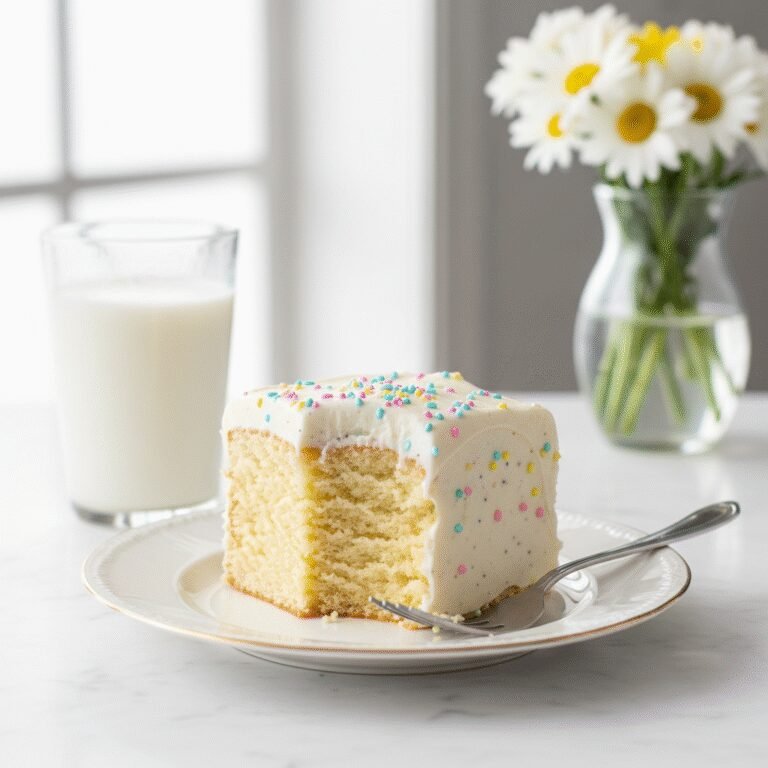
This incredibly moist vanilla sheet cake is the crowd-pleasing hero your picnic basket has been waiting for. With a tender, plush crumb and a rich vanilla buttercream that holds up beautifully outdoors, it is the quintessential dessert for feeding a crowd without the fuss of layer cakes.
20 minutes
25 minutes
45 minutes
24 servings
Dessert
Baking
American
Vegetarian
There is something profoundly nostalgic about a classic vanilla sheet cake. It evokes memories of childhood birthdays, community potlucks, and sunny afternoons spent on a checkered blanket in the park. While layer cakes often steal the show with their architectural height, the humble sheet cake is the unsung hero of the baking world—especially when it comes to picnics. This Moist Vanilla Sheet Cake specifically bridges the gap between convenience and gourmet flavor. Unlike dry, lackluster sponge cakes that rely heavily on syrup for moisture, this recipe is engineered to remain tender and velvety on its own for days. The beauty of a sheet cake lies in its transportability; there are no precarious layers to slide apart during a car ride, and it serves a multitude of guests with ease.
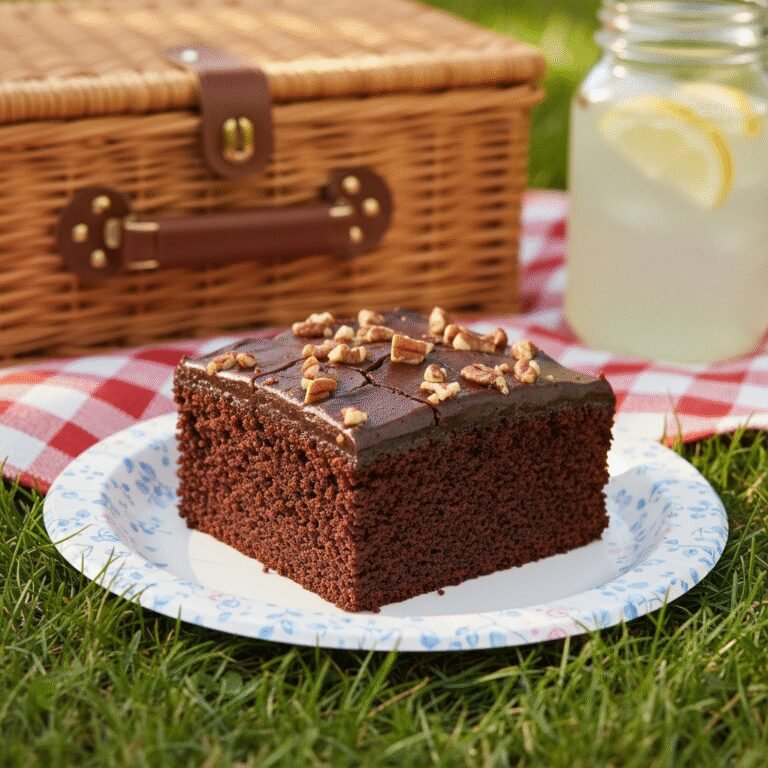
When planning a picnic, you want a dessert that is robust enough to travel but delicate enough to melt in your mouth. This cake features a tight yet soft crumb structure, achieved through a precise balance of fat and liquid. The flavor profile is pure, unadulterated vanilla—a blank canvas that is anything but boring. It is sweet, buttery, and aromatic, paired with a frosting that is creamy without being cloyingly sweet. Whether you are hosting a Fourth of July barbecue, a family reunion, or a simple Sunday afternoon picnic, this cake promises to be the slice of comfort everyone reaches for. It is the kind of recipe that gets requested over and over again, proving that simplicity, executed perfectly, is the ultimate sophistication.
History & Origins
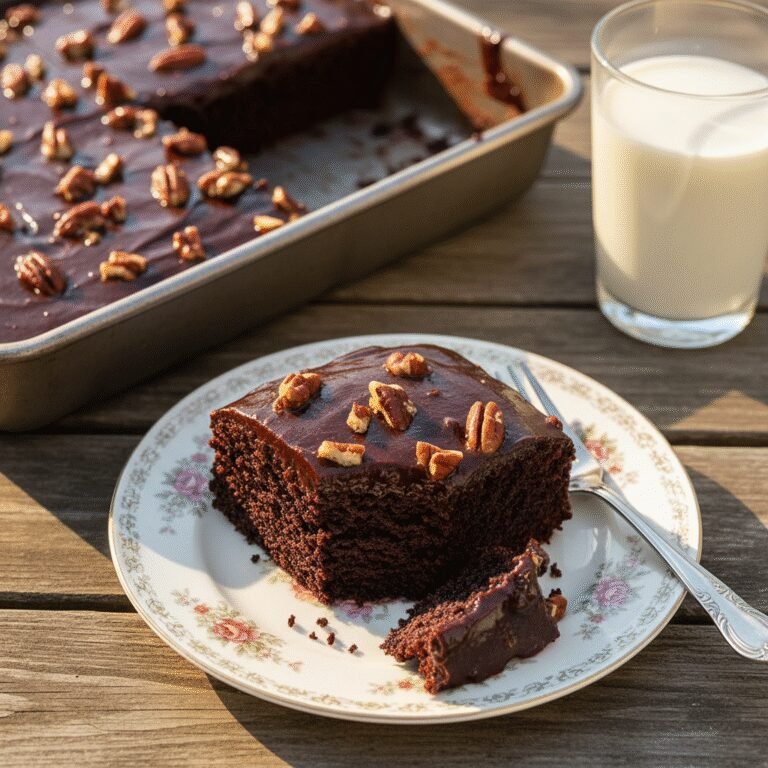
The concept of the sheet cake is deeply rooted in American baking traditions, evolving significantly throughout the 20th century. While cakes baked in shallow, rectangular pans have existed for centuries, the modern ‘sheet cake’ gained massive popularity in the mid-20th century with the rise of suburban entertaining and the need to feed large groups efficiently. It is a close cousin to the famous ‘Texas Sheet Cake,’ which is traditionally chocolate and poured with a warm fudge icing. The vanilla version, often referred to as ‘White Texas Sheet Cake’ or simply a vanilla slab cake, emerged as a lighter, equally delicious alternative for those who preferred buttery vanilla notes over cocoa.
Historically, these cakes became staples at church socials, funeral receptions, and school bake sales across the Southern and Midwestern United States because of their high yield and low maintenance. The transition from complex, multi-layered European tortes to the single-layer American sheet cake mirrors the post-war cultural shift towards casual dining and community gatherings. The use of ingredients like sour cream or buttermilk in these recipes also harkens back to times when bakers used acidic dairy to tenderize gluten strands, a technique passed down through generations of home cooks. Today, the vanilla sheet cake stands as a testament to communal eating, representing a lineage of hospitality where the goal is to share something homemade and heartfelt with as many people as possible.
Why This Recipe Works
This recipe succeeds where many vanilla cakes fail—moisture retention and flavor depth—thanks to a few key food science principles. First, we utilize a combination of butter and oil. Butter provides that undeniable, rich flavor that we crave in a vanilla cake, while vegetable oil ensures the crumb stays moist and soft even after the cake has cooled. Butter is solid at room temperature, which can sometimes lead to a drier texture, but oil remains liquid, coating the flour proteins and preventing them from forming a tough gluten network. This duality gives you the best of both worlds: taste and texture.
Secondly, the inclusion of sour cream is a game-changer. Sour cream is high in fat and acidity. The acidity reacts with the baking soda (if used) and helps break down gluten, resulting in a tenderer crumb, while the thickness of the sour cream adds body to the batter without thinning it out like milk might. We also use the ‘reverse creaming’ method or a modified mixing technique where we don’t over-aerate the eggs. By avoiding excessive air incorporation, we create a dense, velvety texture rather than a fluffy, airy sponge that dries out quickly. Finally, the frosting is applied to the cake while it is still completely cool, sealing the surface, but the ratio of butter to sugar in the frosting is tweaked to ensure it crusts slightly, making it perfect for transport without melting into a mess.
Why You’ll Love This Recipe
- ✓Incredibly moist crumb that stays soft for days.
- ✓Sturdy enough to transport for picnics and potlucks.
- ✓Feeds a large crowd easily (20-24 servings).
- ✓Rich, authentic vanilla flavor using pure extract.
- ✓Simple preparation with no complex layering required.
- ✓Versatile base that pairs with fruit, sprinkles, or chocolate.
Equipment You’ll Need
- ✓13×18 inch Jelly Roll Pan or 9×13 inch baking pan
- ✓Stand mixer or electric hand mixer
- ✓Large mixing bowls
- ✓Whisk
- ✓Rubber spatula
- ✓Measuring cups and spoons
- ✓Offset spatula for frosting
- ✓Wire cooling rack
Ingredients
- ✓2 cups granulated sugar
- ✓2 1/2 cups all-purpose flour
- ✓1/2 teaspoon salt
- ✓1 cup unsalted butter
- ✓1 cup water
- ✓1/2 cup vegetable oil
- ✓1/2 cup sour cream, room temperature
- ✓2 large eggs, lightly beaten
- ✓1 teaspoon baking soda
- ✓2 teaspoons pure vanilla extract
- ✓FOR THE FROSTING: 1/2 cup unsalted butter
- ✓1/4 cup milk (whole is best)
- ✓3-4 cups powdered sugar, sifted
- ✓1 teaspoon pure vanilla extract
- ✓Pinch of salt
- ✓Optional: Sprinkles or fresh berries for garnish
Instructions
- Preheat your oven to 375°F (190°C). Grease a 13×18 inch jelly roll pan (or a 9×13 pan for a thicker cake) generously with butter or non-stick spray.
- In a large mixing bowl, whisk together the granulated sugar, flour, and salt until well combined. Set this dry mixture aside.
- In a medium saucepan over medium heat, combine the 1 cup of butter, 1 cup of water, and vegetable oil. Bring this mixture to a boil, stirring occasionally.
- Once boiling, remove the saucepan from the heat and carefully pour the hot liquid over the dry flour and sugar mixture. Whisk gently by hand or beat on low speed until the ingredients are just combined and smooth. Let it cool slightly for 2-3 minutes.
- In a separate small bowl, whisk together the sour cream, beaten eggs, baking soda, and vanilla extract until smooth.
- Pour the sour cream mixture into the batter. Stir or beat gently until everything is fully incorporated and the batter is uniform. It will be thin; this is normal.
- Pour the batter into the prepared baking pan, using a rubber spatula to spread it evenly into the corners.
- Bake for 20-25 minutes, or until the cake is golden brown and a toothpick inserted into the center comes out clean. Do not overbake.
- While the cake is baking (or right as it comes out if you prefer a glazed style, though for buttercream wait until cool), prepare the frosting. Melt the 1/2 cup butter in a saucepan over medium heat. Stir in the milk and bring to a simmer.
- Remove from heat and gradually whisk in the powdered sugar and vanilla extract until smooth. If you want a fluffier buttercream, wait for the butter to soften instead of melting, and whip all ingredients in a mixer.
- For a traditional sheet cake finish: Pour the warm frosting over the warm cake and spread gently. For a fluffy frosting finish: Let the cake cool completely, then spread whipped buttercream over the top.
- Allow the cake to set (and cool completely if hot) before slicing into squares to serve.
Expert Cooking Tips
- ✓Room temperature ingredients (eggs and sour cream) are crucial for a smooth, emulsion-friendly batter.
- ✓Do not overmix the batter once the flour is added; stop as soon as streaks of flour disappear to keep the cake tender.
- ✓If using a dark metal pan, reduce the oven temperature by 25°F to prevent the edges from burning before the center is done.
- ✓Sift your powdered sugar before making the frosting to avoid grainy lumps in your finish.
- ✓For the best vanilla flavor, use high-quality vanilla bean paste instead of extract.
- ✓Check the cake 5 minutes before the timer goes off; sheet cakes are thin and can go from perfect to dry very quickly.
- ✓Bang the pan on the counter once before baking to release any large air bubbles.
Substitutions and Variations
This recipe is quite resilient, but careful substitutions are key to maintaining the texture. If you don’t have sour cream, full-fat Greek yogurt or buttermilk are excellent alternatives that provide the necessary acidity and fat content. For a gluten-free version, substitute the all-purpose flour with a high-quality 1:1 gluten-free baking flour blend that includes xanthan gum; the texture will be slightly different but still delicious. You can swap the vegetable oil for melted coconut oil or canola oil, though vegetable oil has the most neutral flavor. If you need to be dairy-free, use a plant-based butter stick alternative and a dairy-free sour cream or coconut yogurt, and swap the milk in the frosting for almond or oat milk. Note that dairy-free frostings may be slightly softer at room temperature.
Common Mistakes to Avoid
The most common mistake with sheet cakes is overbaking. Because the batter is spread thin, it cooks much faster than a standard round cake. Watch it like a hawk; even two extra minutes can dry it out. Another pitfall is measuring flour incorrectly. Scooping flour directly with the measuring cup packs it down, leading to too much flour and a dense, dry cake. Always spoon the flour into the cup and level it off, or use a kitchen scale. Finally, rushing the cooling process before frosting (if using a fluffy buttercream) will result in a melted, sliding mess. Ensure the cake is cool to the touch in the center before applying any whipped frosting.
Serving Suggestions
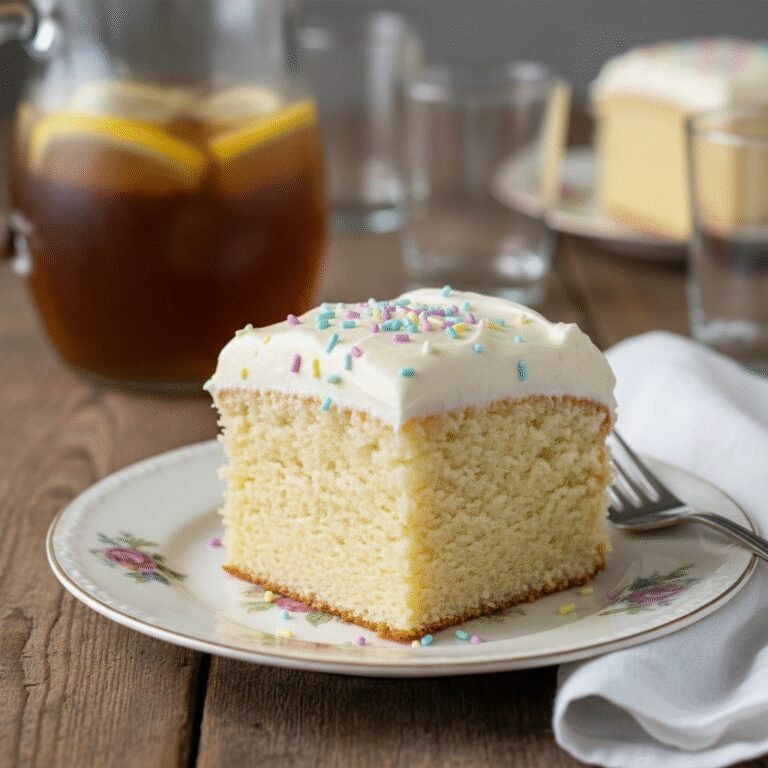
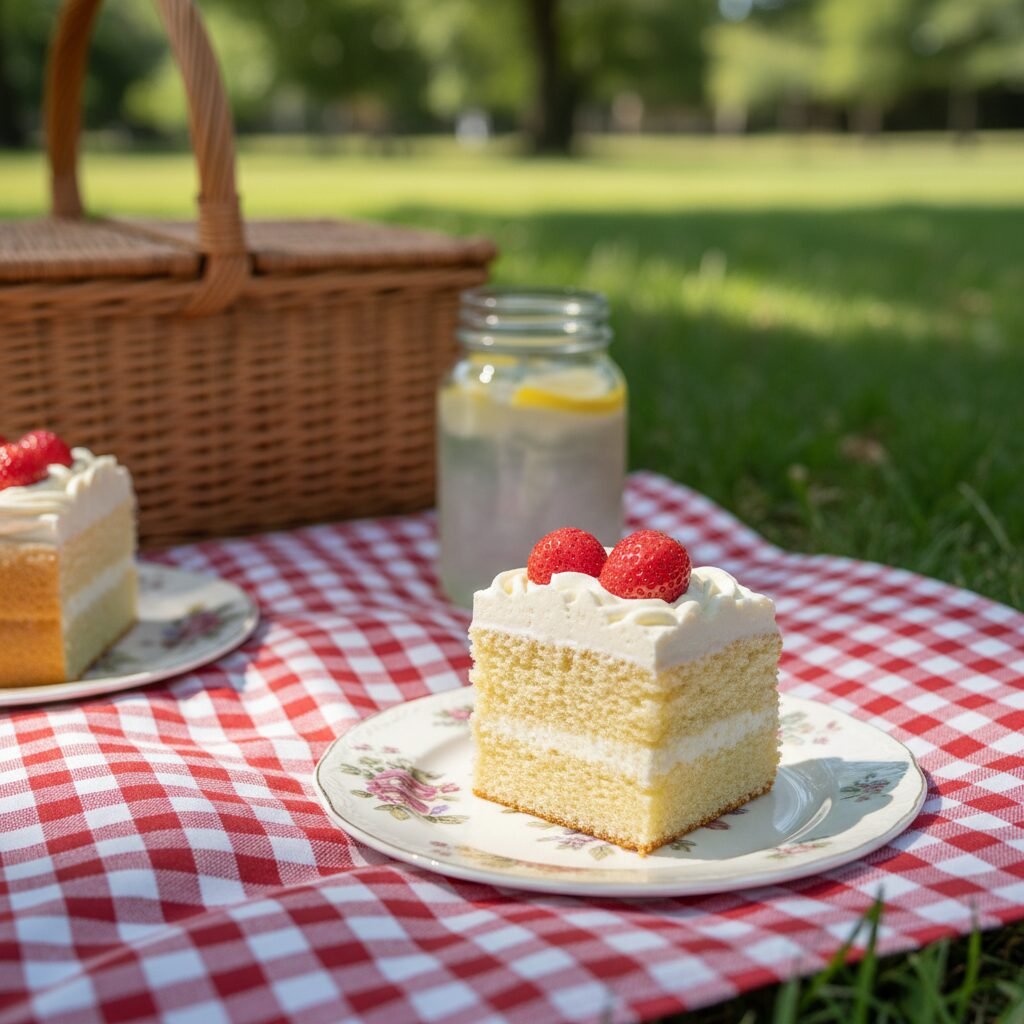
This cake is a versatile canvas perfect for any picnic setting. Serve it simply as is, or dress it up with fresh seasonal berries like strawberries, blueberries, or raspberries to cut through the sweetness. A dollop of lightly sweetened whipped cream or a scoop of vanilla bean ice cream is divine if you are serving it indoors. For a festive touch, use colorful sprinkles that match the theme of your picnic or holiday. If you are feeling adventurous, a drizzle of salted caramel or a smear of lemon curd on the side adds a sophisticated twist. Serve with cold brew coffee, iced tea, or homemade lemonade for the perfect summer pairing.
Storage and Reheating Tips
One of the best features of this sheet cake is how well it stores. It can be kept at room temperature in an airtight container or covered tightly with plastic wrap for up to 3 days. The oil in the batter keeps it moist. If you are in a very hot or humid climate, it is safer to store it in the refrigerator for up to 5 days, but let it come to room temperature before serving for the best texture. This cake also freezes exceptionally well. You can freeze individual slices wrapped in plastic wrap and foil for up to 3 months, or freeze the entire cake (unfrosted is best, but frosted works too if flash-frozen first) for a future event.
Nutrition Facts (Estimated)
| Serving Size | 1 slice |
| Calories | 320 |
| Fat | 16g |
| Saturated Fat | 9g |
| Unsaturated Fat | 6g |
| Trans Fat | 0g |
| Cholesterol | 45mg |
| Sodium | 180mg |
| Carbohydrates | 42g |
| Fiber | 0.5g |
| Sugar | 28g |
| Protein | 3g |
Frequently Asked Questions
Can I make this cake ahead of time?
Absolutely! In fact, this cake often tastes even better the next day as the flavors have time to meld and the moisture distributes evenly. You can bake it 1-2 days before your picnic.
Why is my cake dense?
Density usually comes from overmixing the batter, which develops too much gluten, or using expired baking soda that failed to rise the cake. Ensure your leavening agents are fresh.
Can I use a 9×13 pan instead of a jelly roll pan?
Yes, you can. The cake will be significantly thicker and will require a longer baking time, likely around 30-35 minutes. Keep an eye on it and test with a toothpick.
How do I transport this for a picnic?
The best way is to leave the cake in the baking pan. Many pans come with snap-on lids which are perfect for travel. If yours doesn’t, cover the pan tightly with foil, ensuring the foil doesn’t touch the frosting.
Can I add nuts to the batter?
Yes, 1/2 cup of chopped pecans or walnuts folded into the batter or sprinkled on top of the frosting adds a lovely crunch and flavor.
What if I don’t have a stand mixer?
This recipe is very forgiving and can easily be mixed by hand with a whisk and a spatula. Just be sure to mix thoroughly without overbeating.
Is the frosting supposed to be poured warm?
Traditionally, Texas-style sheet cakes have warm frosting poured over warm cake. This creates a fudgy interface. However, if you prefer a fluffy buttercream, wait until both are cool.
Why does the recipe call for boiling water?
Boiling water helps to bloom the cocoa in chocolate versions, but in this vanilla version, it helps to melt the butter and emulsify the liquids, creating a very smooth and unique batter consistency.
Conclusion
This Moist Vanilla Sheet Cake is more than just a dessert; it is a reliable companion for your best gatherings. Whether you are laying it out on a picnic blanket under the summer sun or serving it at a cozy family dinner, its simplicity and perfection will win over every palate. The ease of preparation combined with the complex, comforting flavors makes it a recipe you will want to laminate and keep in your family binder forever. So, preheat that oven, gather your ingredients, and get ready to bake the most crowd-pleasing vanilla cake you have ever tasted. Happy baking!