The Ultimate Moist Vanilla Sheet Cake For Church Gatherings
Moist Vanilla Sheet Cake For Church Gathering Recipe
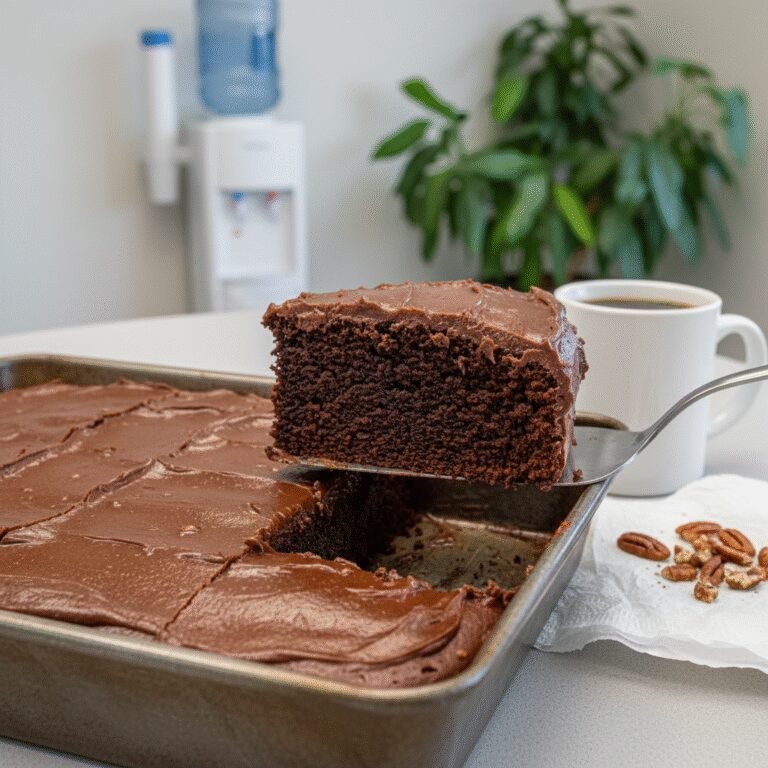
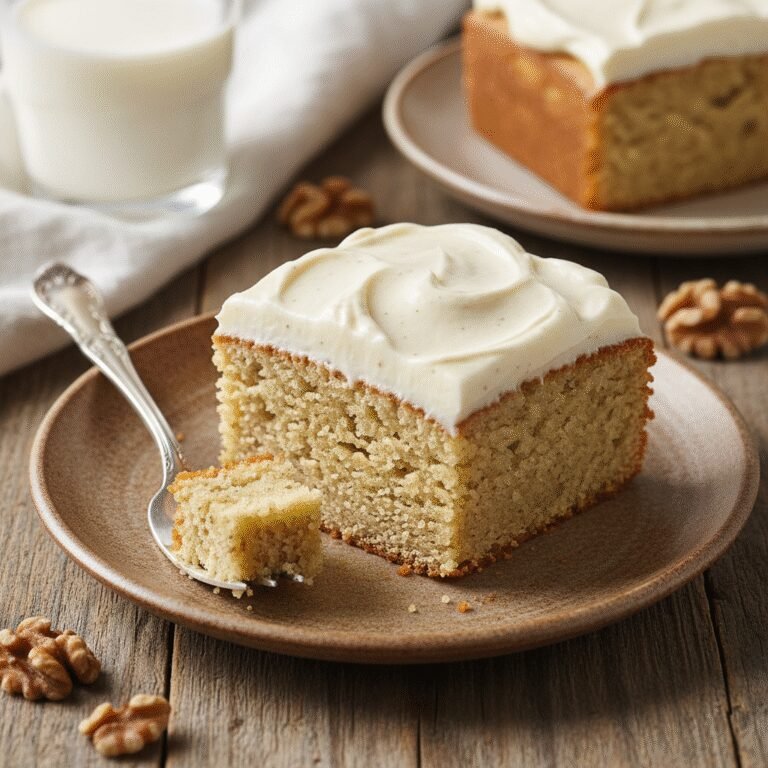
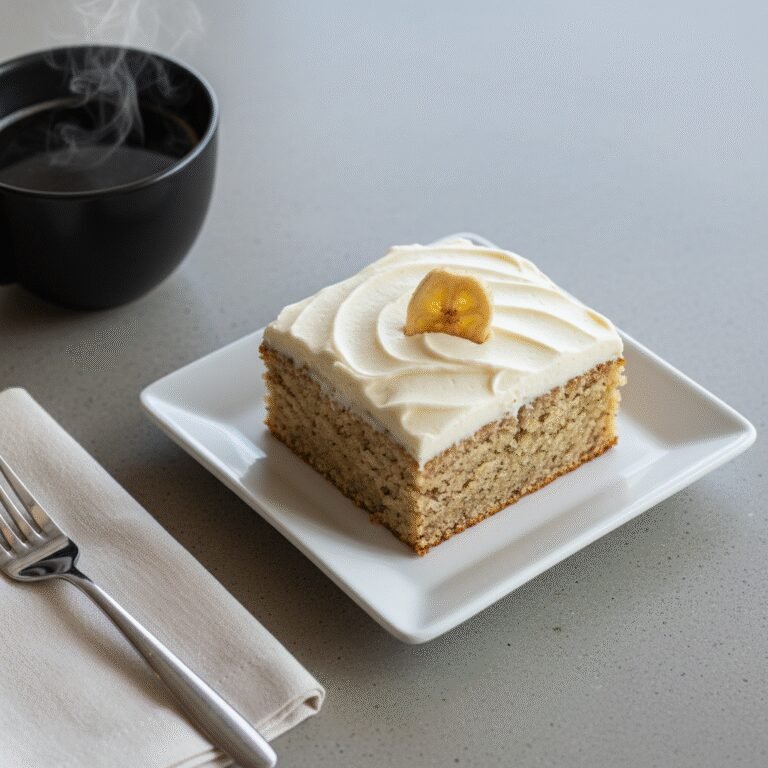
This incredibly moist vanilla sheet cake is the undisputed champion of potlucks and church socials. Featuring a tender, velvety crumb and a rich vanilla buttercream, it is designed to feed a crowd and stays fresh for days, making it the perfect make-ahead dessert for any large gathering.
20 minutes
30 minutes
50 minutes
20-24 Servings
Dessert
Baking
American
Vegetarian
There is something profoundly nostalgic about the dessert table at a church gathering or community potluck. Amidst the sea of ambrosia salads, lemon bars, and brownie bites, there is always one anchor: the classic vanilla sheet cake. However, we have all suffered through dry, lackluster squares of cake that rely entirely on the frosting for moisture. This recipe is the antidote to those disappointments. This is the Moist Vanilla Sheet Cake that will have the entire fellowship hall asking for the recipe before the benediction is even read.
Creating a vanilla cake that is both fluffy and moist is a delicate balancing act in baking science. Chocolate cakes have it easy; cocoa powder and blooming liquids hide a multitude of textural sins. Vanilla has nowhere to hide. This recipe achieves its legendary status by utilizing a specific combination of fats—butter for that unmistakable flavor and vegetable oil to ensure the crumb remains soft even when refrigerated. We also incorporate full-fat sour cream, which adds a subtle tang that cuts through the sweetness and tenderizes the gluten strands.
The result is a cake that is dense enough to hold a generous layer of frosting but light enough to melt in your mouth. It transports beautifully in a standard 9×13 pan or jelly-roll pan, making it the ultimate travel-friendly dessert. Whether you are celebrating a baptism, a wedding shower, or simply enjoying coffee hour after the service, this cake brings a sense of home, comfort, and celebration to the table. It is uncomplicated, unpretentious, and utterly delicious—exactly what a church gathering cake should be.
History & Origins
The concept of the ‘sheet cake’ is deeply deeply woven into the fabric of mid-20th-century American culture, rising in popularity alongside the post-war suburban boom and the expansion of community-centric events. While the ‘Texas Sheet Cake’ (typically chocolate and poured with warm icing) is perhaps the most famous iteration, the vanilla sheet cake has historically been the unsung hero of the South and Midwest. These cakes became staples in the 1950s and 60s when aluminum baking pans became affordable and standard in American kitchens, and the ‘potluck’ became a primary mode of social dining.
Historically, these cakes were often referred to as ‘sheath cakes’ in old community cookbooks—a mispronunciation or colloquialism for ‘sheet’ that persists in some rural areas today. They were designed for utility and economy; a single batter could be spread thin to feed 20 to 30 people, maximizing ingredients for large families and congregations. In the context of church gatherings, specifically in the Southern United States, the sheet cake holds a special significance. It is often the centerpiece of ‘Dinner on the Grounds’ or ‘Homecoming’ Sundays. Unlike elaborate layer cakes which require careful slicing and plating, the sheet cake is democratic and efficient. It can be cut into small squares or generous slabs depending on the attendance, and it requires no special equipment to serve. Over decades, the recipe has evolved from simple sponge cakes to richer, denser batters that incorporate modern conveniences like sour cream or pudding mixes, though this recipe relies on scratch ingredients to honor the traditional flavor profile while utilizing modern baking science for texture.
Why This Recipe Works
This recipe triumphs where others fail because it addresses the two biggest enemies of vanilla cake: dryness and lack of flavor depth. Most standard butter cakes rely solely on butter for fat. While butter tastes amazing, it is about 15-20% water and solidifies at room temperature, which can lead to a stiffer, drier crumb once the cake cools. Vegetable oil, on the other hand, remains liquid at room temperature, guaranteeing a sensation of moistness, but it lacks flavor. By using a 50/50 split of unsalted butter and neutral vegetable oil, we get the best of both worlds: the rich, creamy taste of butter and the lasting, plush texture provided by the oil.
Furthermore, the inclusion of sour cream is non-negotiable. Sour cream is acidic, and this acidity reacts with the baking powder and baking soda to create a superior lift and a tender crumb structure. It also adds fat and viscosity to the batter, preventing the flour from developing too much tough gluten during the mixing process. We also use a ‘two-stage’ or modified mixing method where we ensure the eggs and sugar are aerated sufficiently before adding the wet and dry ingredients alternatively. This traps air for fluffiness while the heavy fats weigh it down just enough to create that velvety ‘sheet cake’ density that sets it apart from a light sponge cake. Finally, the ratio of sugar to flour is high, which creates a tender crust and helps the cake retain water molecules, keeping it fresh for days rather than hours.
Why You’ll Love This Recipe
- ✓Stays incredibly moist for up to 4 days thanks to the oil-butter blend.
- ✓Feeds a large crowd (15-24 servings) easily.
- ✓Sturdy enough to transport without sliding or cracking.
- ✓Perfect balance of density and fluffiness.
- ✓Versatile base that pairs with any frosting or fruit topping.
Equipment You’ll Need
- ✓9×13 inch baking pan (metal preferred)
- ✓Stand mixer or electric hand mixer
- ✓Large mixing bowl
- ✓Medium mixing bowl
- ✓Whisk
- ✓Rubber spatula
- ✓Offset spatula for frosting
- ✓Wire cooling rack
Ingredients
- ✓2 1/2 cups All-Purpose Flour, spooned and leveled
- ✓2 cups Granulated Sugar
- ✓2 1/2 tsp Baking Powder
- ✓1/2 tsp Salt
- ✓3/4 cup Unsalted Butter, room temperature
- ✓1/2 cup Vegetable Oil (or Canola Oil)
- ✓3 large Eggs, room temperature
- ✓2 large Egg Yolks, room temperature
- ✓1 tbsp Pure Vanilla Extract
- ✓1 cup Full-Fat Sour Cream, room temperature
- ✓FOR THE FROSTING:
- ✓1 cup Unsalted Butter, softened
- ✓4-5 cups Powdered Sugar
- ✓1/4 cup Heavy Cream
- ✓2 tsp Pure Vanilla Extract
- ✓Pinch of salt
Instructions
- Preheat your oven to 350°F (175°C). Grease a 9×13 inch baking pan generously with butter or non-stick baking spray, and line the bottom with parchment paper for easy removal.
- In a medium bowl, whisk together the flour, baking powder, and salt until well combined. Set this dry mixture aside.
- In the bowl of a stand mixer fitted with the paddle attachment (or a large bowl using a hand mixer), beat the 3/4 cup room temperature butter and vegetable oil together on medium-high speed for about 2 minutes until the mixture is creamy and well-blended.
- Gradually pour in the granulated sugar while continuing to mix. Beat on high speed for another 3-4 minutes. The mixture should look pale and fluffy. This aeration is crucial for the cake’s lift.
- Reduce the mixer speed to medium-low. Add the eggs and extra egg yolks one at a time, beating well after each addition. Scrape down the sides and bottom of the bowl with a rubber spatula to ensure everything is incorporated.
- Mix in the vanilla extract and the sour cream until just combined.
- Turn the mixer to the lowest speed. Add the dry ingredients in three parts, mixing only until the flour streaks disappear. Do not overmix at this stage, or the cake will be tough. Finish mixing by hand with a spatula to ensure no flour pockets remain at the bottom.
- Pour the batter into the prepared baking pan and smooth the top with an offset spatula or the back of a spoon. Tap the pan gently on the counter twice to release large air bubbles.
- Bake for 28-32 minutes. The cake is done when the top is golden and a toothpick inserted into the center comes out clean or with just a few moist crumbs attached. Avoid overbaking.
- Remove the cake from the oven and place the pan on a wire rack. Let the cake cool completely in the pan. It must be cool to the touch before frosting.
- While the cake cools, make the buttercream. Beat the 1 cup of softened butter on high speed for 5 minutes until it is almost white in color. Reduce speed to low and gradually add powdered sugar, one cup at a time.
- Add the vanilla extract, salt, and heavy cream. Increase speed to high and whip for another 3-4 minutes until the frosting is light, airy, and creamy.
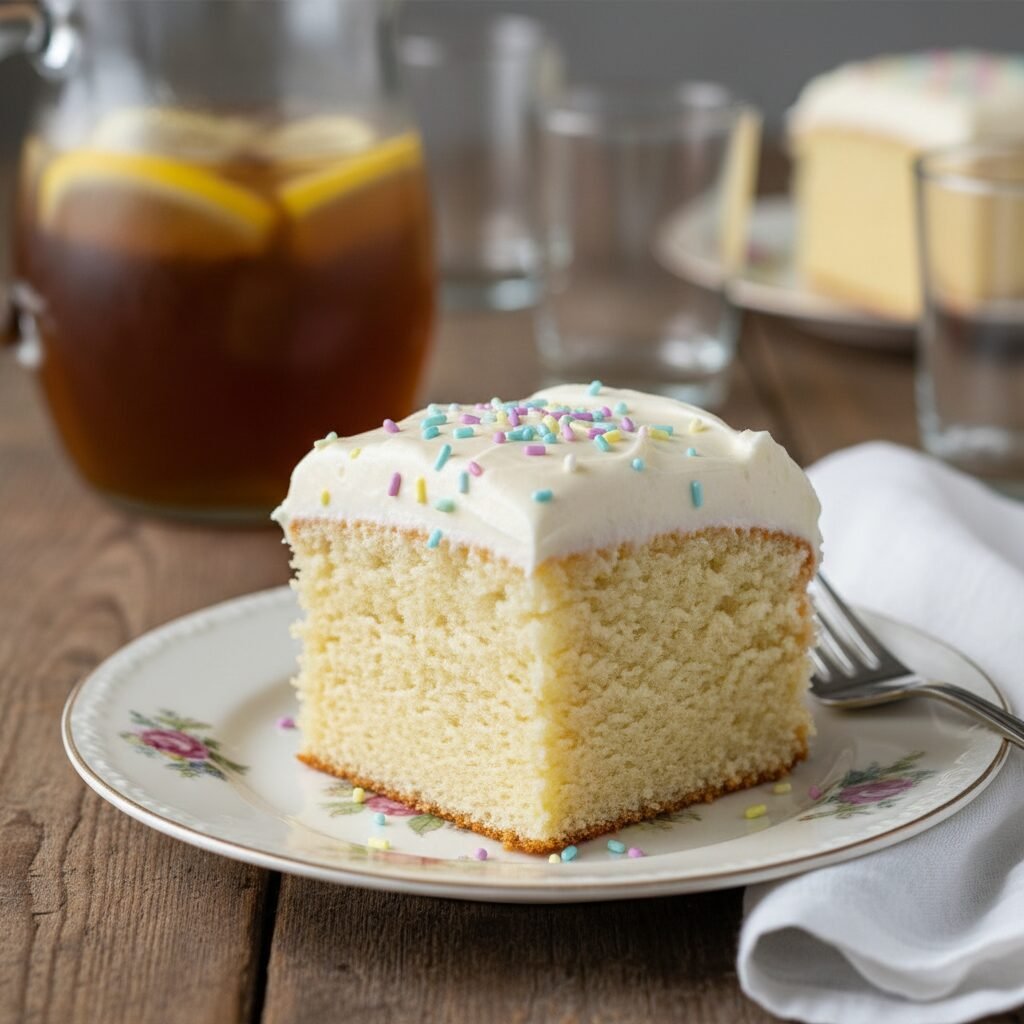
- Spread the frosting generously over the cooled cake. Top with sprinkles if desired. Slice into squares and serve.
Expert Cooking Tips
- ✓Room Temperature Ingredients: Ensure your butter, eggs, and sour cream are at room temperature. This allows them to emulsify properly, creating a smooth batter that rises evenly.
- ✓Don’t Overmix: Once the flour is added, mix gently. Overworking the gluten will turn your tender cake into a chewy bread-like texture.
- ✓Measure Flour Correctly: Don’t scoop the flour directly with the measuring cup. Spoon it into the cup and level it off with a knife to avoid packing it down, which leads to a dry cake.
- ✓Use Metal Pans: Metal baking pans conduct heat better than glass. If using glass, reduce the oven temperature by 25°F and watch the baking time closely.
- ✓The Toothpick Test: Check the cake at the 28-minute mark. You want moist crumbs on the toothpick, not wet batter, but definitely not a bone-dry stick.
- ✓Cool Completely: Do not rush the cooling process. If the cake is even slightly warm, the butter in the frosting will melt and slide off.
Substitutions and Variations
Baking is a science, but there is room for flexibility if you are in a pinch. If you do not have sour cream, you can substitute it with full-fat plain Greek yogurt or buttermilk. If using buttermilk, the batter will be slightly thinner, but the result will still be delicious. For the vegetable oil, you can use melted coconut oil, though it may impart a slight coconut flavor, or grapeseed oil for a neutral taste. If you prefer a lighter cake, you can use cake flour instead of all-purpose flour; use 2 3/4 cups of cake flour to replace the 2 1/2 cups of all-purpose. For the frosting, if you don’t have heavy cream, whole milk works, though the frosting won’t be quite as fluffy. You can also swap the vanilla extract for almond extract for a ‘wedding cake’ flavor profile that is very popular at church gatherings.
Common Mistakes to Avoid
The most common mistake with sheet cakes is overbaking. Because the surface area is large, the edges can dry out before the center is done if the temperature is too high. Rely on an oven thermometer to ensure your oven is truly at 350°F. Another mistake is using cold ingredients. If you add cold eggs to creamed butter, the butter will seize up and look curdled, preventing the batter from holding air bubbles. Finally, do not skimp on the creaming time for the sugar and fat. That 3-4 minutes of beating is what creates the structure of the cake. If you rush this step, the cake will be dense and heavy rather than fluffy and moist.
Serving Suggestions
This cake is traditionally served right from the pan, cut into squares. For a church gathering, it pairs perfectly with a hot cup of coffee or sweet iced tea. To elevate the presentation, you can garnish each square with a fresh raspberry or a sprig of mint. If serving at a summer potluck, offer a side of macerated strawberries or peaches. For a winter gathering, a dusting of cinnamon or nutmeg on top of the vanilla buttercream adds a warming touch. It is best served at room temperature, not cold from the fridge, to ensure the buttercream is soft and the cake is tender.
Storage and Reheating Tips
One of the best features of this cake is its shelf life. It can be stored at room temperature in an airtight container (or covered tightly with plastic wrap and foil in the pan) for up to 4 days. The oil in the batter keeps it moist. If you need to keep it longer, you can refrigerate it for up to a week, but be sure to let it come to room temperature before serving for the best texture. You can also freeze the baked, unfrosted cake for up to 3 months. Wrap it in two layers of plastic wrap and one layer of foil. Thaw overnight on the counter before frosting.
Nutrition Facts (Estimated)
| Serving Size | 1 square |
| Calories | 380 |
| Fat | 18g |
| Saturated Fat | 8g |
| Unsaturated Fat | 9g |
| Trans Fat | 0g |
| Cholesterol | 55mg |
| Sodium | 180mg |
| Carbohydrates | 48g |
| Fiber | 0.5g |
| Sugar | 32g |
| Protein | 4g |
Frequently Asked Questions
Can I make this cake in a jelly roll pan (10×15)?
Yes, you can. A 10×15 pan will result in a slightly thinner cake, which is more traditional for ‘Texas Sheet Cake’ styles. You will need to reduce the baking time to approximately 20-25 minutes since the batter is spread thinner.
Why did my cake sink in the middle?
Cakes usually sink because they were underbaked in the center, or the oven door was opened too early, causing a sudden temperature drop that collapsed the rising structure. It can also happen if there was too much leavening (baking powder).
Can I make this recipe into cupcakes?
Absolutely. This batter makes excellent cupcakes. Line a muffin tin with paper liners and fill them 2/3 full. Bake at 350°F for 18-22 minutes. This recipe yields about 24-30 cupcakes.
Is salted butter okay to use?
We recommend unsalted butter to control the sodium level. However, if you only have salted butter, omit the 1/2 tsp of salt listed in the dry ingredients.
How do I make the frosting less sweet?
American buttercream is naturally sweet. To cut the sweetness, add a pinch more salt, or add a tablespoon of lemon juice. You can also swap the buttercream for a Swiss Meringue Buttercream or a Cream Cheese frosting for a tangier finish.
Can I prepare the batter ahead of time?
It is best to bake the batter immediately after mixing because the baking powder begins to react as soon as it gets wet. If you wait too long, the cake won’t rise as high.
How do I get the frosting so white?
To get white buttercream, beat the butter alone for at least 5 minutes until it becomes very pale before adding sugar. You can also add a tiny drop of violet food coloring to counteract the yellow tone of the butter, or use clear vanilla extract.
Can I add sprinkles to the batter?
Yes! To make this a ‘Funfetti’ style cake, gently fold in 1/2 cup of rainbow sprinkles (jimmies, not nonpareils) at the very end of the mixing process.
Conclusion
In a world of complicated desserts and fleeting food trends, the Moist Vanilla Sheet Cake remains a steadfast classic. It represents the heart of hospitality—simple ingredients transformed into something comforting and communal. Whether you are tasked with bringing a dessert to the next church social, a school fundraiser, or a neighbor’s BBQ, this recipe will not let you down. Its tender crumb, rich vanilla flavor, and crowd-pleasing nature make it a recipe you will laminate and tape to the inside of your cabinet door. Bake it with love, share it with friends, and enjoy the fellowship that comes with a truly great slice of cake.