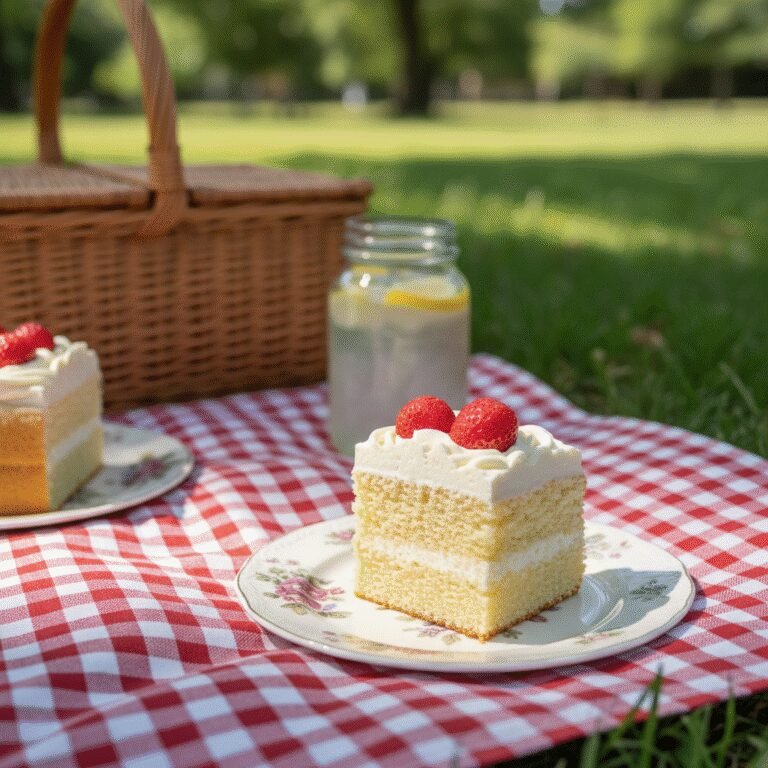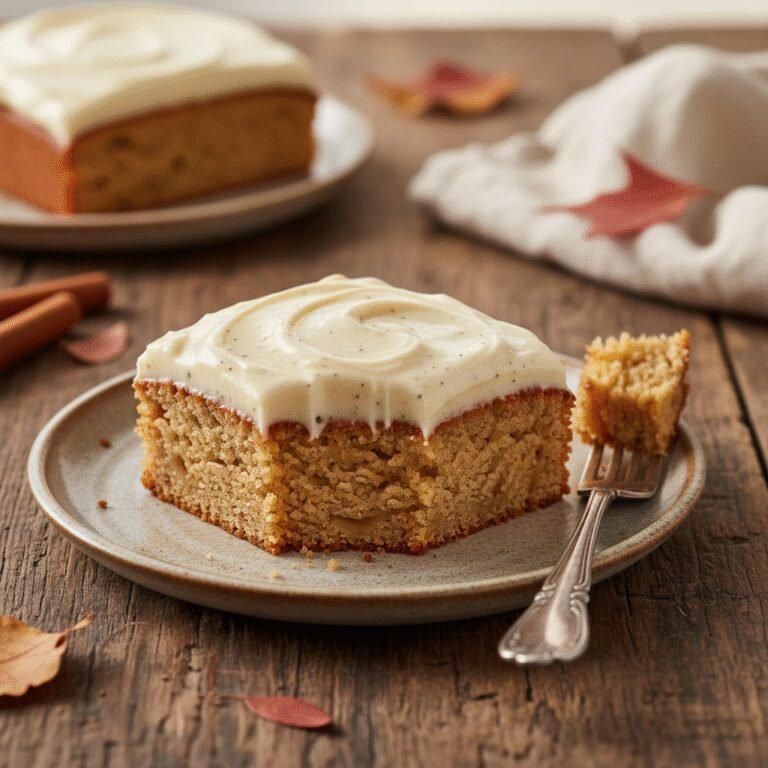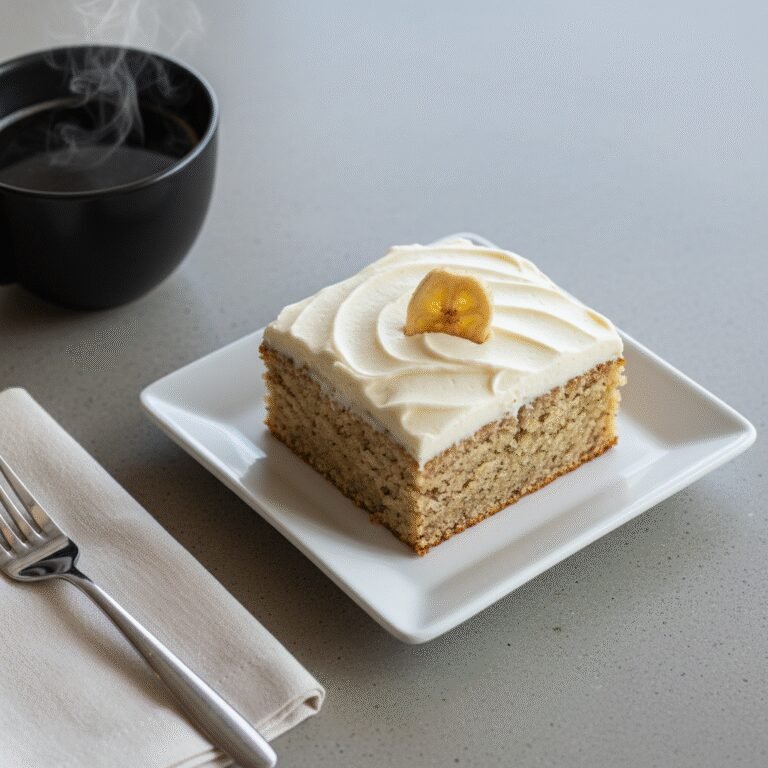
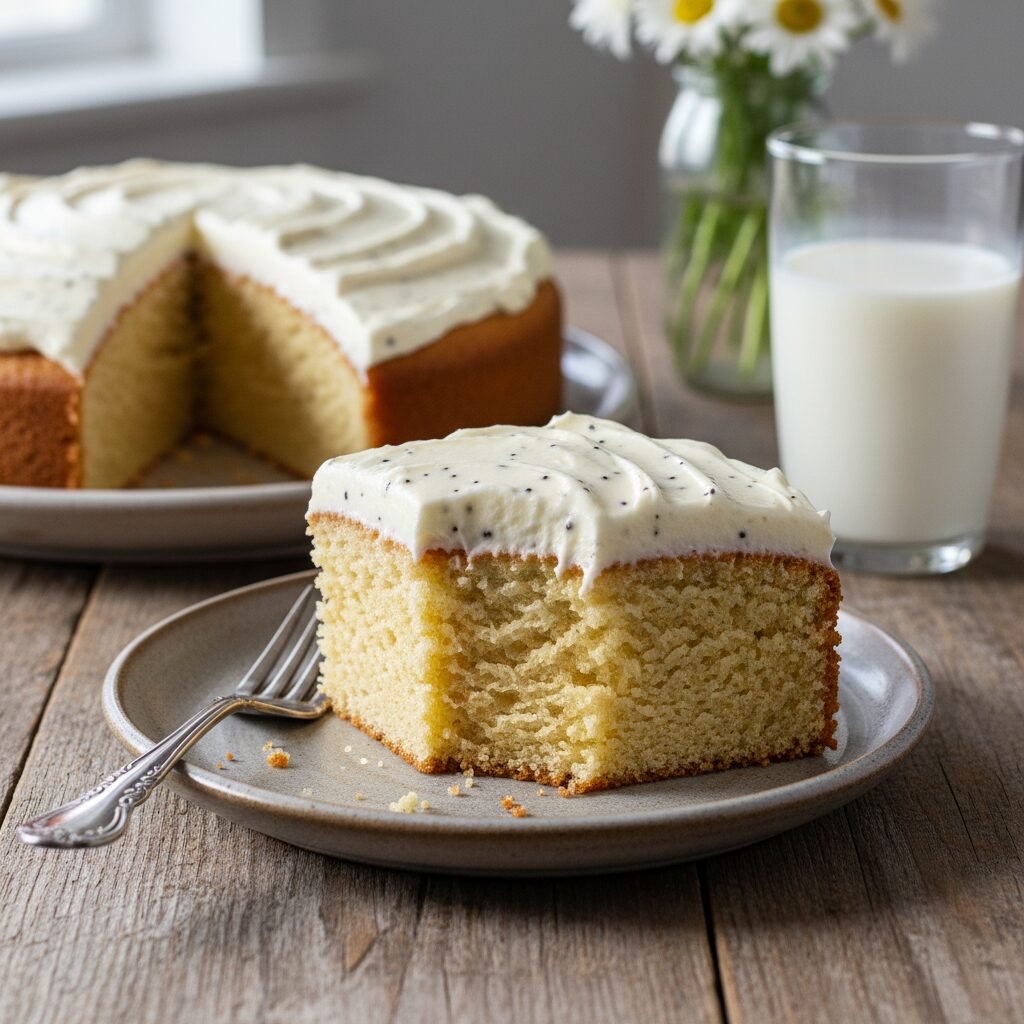
Best Ever Moist Vanilla Sheet Cake With Cream Cheese Frosting
Moist Vanilla Sheet Cake With Cream Cheese Frosting Recipe
Discover the ultimate crowd-pleaser: a melt-in-your-mouth vanilla sheet cake that pairs a tender, buttery crumb with tangy, velvety cream cheese frosting. Perfectly simple to bake in a single pan yet elegant enough for celebrations, this recipe guarantees moist results every single time.
20 minutes
30 minutes
50 minutes
24 squares
Dessert
Baking
American
Vegetarian
There is something undeniably nostalgic and comforting about a classic vanilla sheet cake. While towering layer cakes often steal the show at weddings and bakeries, the humble sheet cake is the unsung hero of home baking. It represents the perfect intersection of convenience and indulgence, offering a depth of flavor and a plush texture that rivals even the most complicated patisserie creations. This specific recipe for Moist Vanilla Sheet Cake with Cream Cheese Frosting was born out of a desire to create a vanilla cake that didn’t suffer from the common pitfalls of being dry or bland. We all know the disappointment of biting into a beautiful slice of cake only to find it crumbly and lacking in moisture.
This recipe changes the narrative entirely. By utilizing a specific blend of fats and dairy, we create a crumb that is incredibly soft, almost velvety, and stays moist for days. The vanilla flavor is prominent, not hidden, shining through as the star of the show. But a cake is only as good as its frosting, and the cream cheese frosting paired here is the perfect counterpoint. Where a standard buttercream might be cloyingly sweet, the slight tang of cream cheese cuts through the sugar, providing a sophisticated balance that keeps you coming back for ‘just one more thin slice.’ Whether you are baking for a child’s birthday party, a summer potluck, or simply a Tuesday night craving, this sheet cake delivers high-impact flavor with low-stress preparation. It is the kind of recipe that gets requested again and again, eventually becoming a tattered, batter-stained index card in your family recipe box.
History & Origins
The history of the sheet cake is deeply intertwined with the evolution of American home baking in the mid-20th century. While cakes have existed for centuries, the rise of the 9×13-inch baking pan in post-World War II America revolutionized how desserts were prepared. As suburban life expanded and social gatherings like potlucks and church picnics became staples of community life, the need for desserts that traveled well and fed a crowd increased. The ‘Texas Sheet Cake,’ typically a chocolate buttermilk cake poured warm into a jelly roll pan, is perhaps the most famous ancestor of the modern sheet cake. However, the vanilla variant has always held its own ground, often referred to as ‘White Texas Sheet Cake’ or simply ‘Kitchen Cake’ in older community cookbooks.
Simultaneously, the popularization of cream cheese frosting can be traced back to the marketing efforts of major dairy brands in the 1930s and 40s, though it became inextricably linked with carrot cake and red velvet cake in the 1960s. Combining a dense, moist vanilla butter cake with this rich frosting is a distinctively American innovation, prioritizing texture and richness over the airy, sponge-like textures preferred in European baking. Over the decades, the vanilla sheet cake has evolved from a simple convenience item using boxed mixes to a scratch-made delicacy where the quality of vanilla and butter takes center stage. It represents a culinary heritage of hospitality, efficiency, and the simple joy of sharing a large pan of sweets with neighbors and friends.
Why This Recipe Works
This recipe succeeds where many others fail due to the precise science of its ingredient ratios, specifically the ‘fat blend’ and the ‘acid interaction.’ First, we use a combination of unsalted butter and neutral oil. Butter provides that unmistakable, rich flavor that oil simply cannot replicate. However, butter is 15-20% water and solid at room temperature, which can sometimes lead to a drier texture if used alone. Oil remains liquid at room temperature, coating the flour proteins and ensuring the cake stays incredibly moist and tender sensationally long after baking. By using both, we get the best of both worlds: the taste of butter and the texture of oil.
Secondly, the inclusion of sour cream (or full-fat Greek yogurt) is crucial. The acidity in the sour cream tenderizes the gluten strands in the flour, preventing the cake from becoming tough or chewy. Furthermore, the thick consistency of sour cream adds body to the batter without thinning it out like milk or water would, resulting in a plush, dense crumb rather than an airy, dry sponge. Finally, the reverse creaming method—or a modified version where fats are well-integrated before liquid saturation—ensures a uniform crumb structure that supports the weight of the luscious cream cheese frosting without collapsing.
Why You’ll Love This Recipe
- ✓Incredibly moist texture thanks to a butter-oil blend
- ✓Tangy cream cheese frosting balances the sweetness
- ✓Feeds a large crowd easily (20-24 servings)
- ✓No specialized cake decorating skills required
- ✓Stays soft for days at room temperature
- ✓Perfect canvas for sprinkles, fruit, or nuts
Equipment You’ll Need
- ✓9×13 inch baking pan
- ✓Stand mixer or electric hand mixer
- ✓Large mixing bowls
- ✓Rubber spatula
- ✓Offset spatula for frosting
- ✓Measuring cups and spoons
- ✓Wire cooling rack
Ingredients
- ✓2 1/2 cups All-purpose flour
- ✓2 cups Granulated sugar
- ✓2 1/2 tsp Baking powder
- ✓1/2 tsp Salt
- ✓3/4 cup Unsalted butter, room temperature
- ✓1/4 cup Vegetable or Canola oil
- ✓3 Large eggs, room temperature
- ✓1 tbsp Vanilla bean paste or pure vanilla extract
- ✓1 cup Sour cream, full fat, room temperature
- ✓1/2 cup Whole milk, room temperature
- ✓8 oz Cream cheese, brick style, softened (for frosting)
- ✓1/2 cup Unsalted butter, softened (for frosting)
- ✓4 cups Powdered sugar
- ✓1 tsp Vanilla extract (for frosting)
- ✓1-2 tbsp Heavy cream or milk (if needed for consistency)
Instructions
- Preheat your oven to 350°F (175°C). Grease a 9×13 inch baking pan with butter or non-stick spray and line the bottom with parchment paper for easy removal.
- In a medium bowl, whisk together the flour, baking powder, and salt. Set aside.
- In the bowl of a stand mixer fitted with the paddle attachment, beat the 3/4 cup butter, oil, and granulated sugar on medium-high speed until light and fluffy, about 3-4 minutes. Scrape down the sides of the bowl.
- Add the eggs one at a time, beating well after each addition. Stir in the vanilla bean paste.
- In a small bowl or jug, whisk together the sour cream and whole milk.
- Reduce the mixer speed to low. Add the dry ingredients in three parts, alternating with the sour cream mixture, beginning and ending with the dry ingredients. Mix only until just combined—do not overmix.
- Pour the batter into the prepared pan and smooth the top with a spatula. Tap the pan gently on the counter to release any large air bubbles.
- Bake for 28-32 minutes, or until a toothpick inserted into the center comes out clean or with just a few moist crumbs. The top should be pale golden.
- Remove from the oven and allow the cake to cool completely in the pan on a wire rack. This usually takes about 1 to 1.5 hours. The cake must be cool before frosting.
- To make the frosting: In a clean mixing bowl, beat the softened cream cheese and 1/2 cup butter together on medium-high speed until smooth and creamy (about 3 minutes).
- Gradually add the powdered sugar, one cup at a time, mixing on low speed until incorporated. Add the vanilla extract and a pinch of salt.
- Increase speed to high and whip for 2-3 minutes until fluffy. If the frosting is too stiff, add 1 tablespoon of heavy cream at a time until desired consistency is reached.
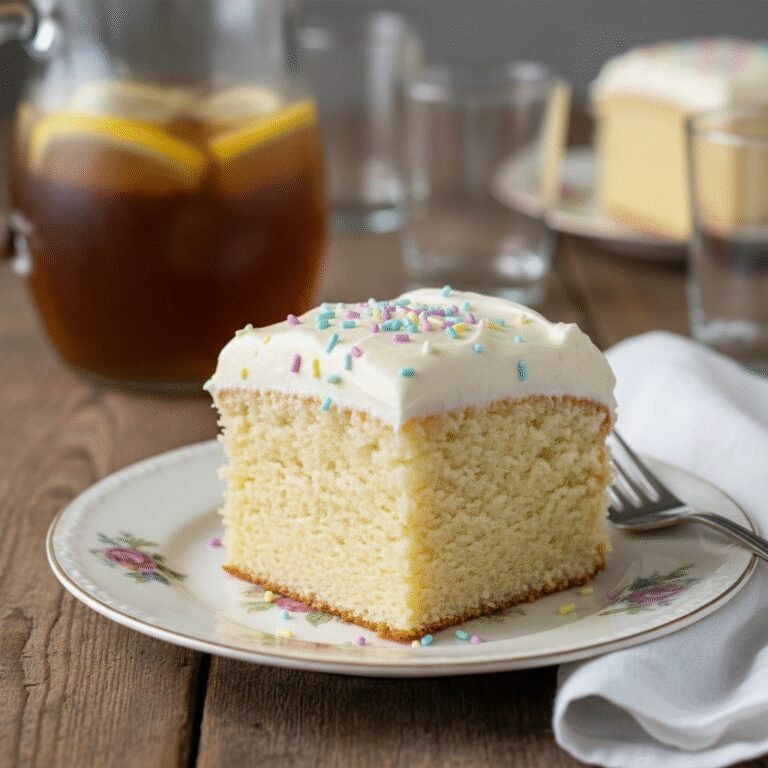
- Spread the frosting generously over the cooled cake using an offset spatula. Top with sprinkles if desired. Slice into squares and serve.
Expert Cooking Tips
- ✓Ensure all dairy ingredients (butter, eggs, sour cream, milk) are at room temperature. This creates a smooth emulsion and prevents the batter from curdling.
- ✓Do not overmix the batter once the flour is added. Overmixing develops gluten, which leads to a tough, rubbery cake.
- ✓Use brick-style cream cheese for the frosting, not the spreadable kind in a tub. Tub cream cheese has higher water content and will make the frosting runny.
- ✓Invest in vanilla bean paste for the cake batter; the tiny black specks add a gourmet look and a more intense vanilla flavor.
- ✓If your oven has hot spots, rotate the pan halfway through the baking time to ensure an even rise.
Substitutions and Variations
This recipe is quite adaptable. If you do not have sour cream, you can substitute an equal amount of full-fat plain Greek yogurt or buttermilk. If using buttermilk, the batter will be slightly thinner, but the result will still be moist. For a gluten-free version, substitute the all-purpose flour with a high-quality 1:1 gluten-free baking flour blend that includes xanthan gum. To make this dairy-free, use plant-based butter sticks and a dairy-free sour cream alternative, though the texture may vary slightly. For the frosting, vegan cream cheese and butter alternatives work well, but you may need to add more powdered sugar to stabilize it. If you prefer a less sweet frosting, you can reduce the powdered sugar by half a cup, though the texture will be softer.
Common Mistakes to Avoid
The most common mistake is frosting the cake while it is still warm. Even a slightly warm cake will melt the butter in the cream cheese frosting, causing it to slide off and become a greasy mess. Another frequent error is scooping flour directly with the measuring cup, which packs it down and leads to too much flour and a dry cake. Always spoon the flour into the cup and level it off, or use a kitchen scale for accuracy. Finally, overbaking is a killer for vanilla cakes. Start checking the cake 2-3 minutes before the timer goes off; vanilla cake dries out much faster than chocolate cake.
Serving Suggestions
This cake is versatile enough for any occasion. For a birthday, top with colorful confetti sprinkles. For a more elegant presentation, garnish with fresh berries (strawberries, raspberries, or blueberries) and a sprig of mint. It pairs beautifully with a hot cup of dark roast coffee or a cold glass of milk. For a summer twist, serve with a side of lemon curd or a drizzle of raspberry coulis to cut through the richness of the frosting.
Storage and Reheating Tips
Because of the cream cheese in the frosting, this cake should be stored in the refrigerator if kept for more than 24 hours. It can stay at room temperature for the day of serving. To store, cover the pan tightly with plastic wrap or transfer slices to an airtight container. It will keep in the fridge for up to 5 days. This cake also freezes beautifully. Freeze individual slices on a baking sheet until solid, then wrap them tightly in plastic wrap and aluminum foil. Thaw in the refrigerator overnight or on the counter for 30 minutes before eating.
Nutrition Facts (Estimated)
| Serving Size | 1 square |
| Calories | 340 |
| Fat | 18g |
| Saturated Fat | 9g |
| Unsaturated Fat | 8g |
| Trans Fat | 0g |
| Cholesterol | 55mg |
| Sodium | 180mg |
| Carbohydrates | 42g |
| Fiber | 0.5g |
| Sugar | 28g |
| Protein | 4g |
Frequently Asked Questions
Can I make this cake ahead of time?
Yes! You can bake the cake one day in advance and keep it covered at room temperature. Make the frosting the day you plan to serve it, or frost it and refrigerate it overnight, taking it out 30 minutes before serving to soften.
Why did my cake sink in the middle?
Sinking usually happens if the oven door was opened too early, causing a temperature drop, or if the cake was underbaked. It can also result from over-leavening (too much baking powder).
Can I use a glass pan instead of metal?
Yes, but glass conducts heat differently. You may need to lower the oven temperature by 25°F and bake it for slightly longer. Keep an eye on the edges to ensure they don’t burn.
My frosting is too runny, how do I fix it?
This often happens if the cream cheese or butter was melted rather than softened, or if the kitchen is very hot. Add more powdered sugar, 1/4 cup at a time, or refrigerate the frosting for 20 minutes to firm up.
Can I turn this into cupcakes?
Absolutely. This recipe will make approximately 24 standard cupcakes. Bake them at 350°F for 18-22 minutes.
Do I have to use oil? Can I use all butter?
You can use all butter, but the cake will be slightly denser and may dry out faster. The oil is specifically added to maintain moisture over several days.
What if I don’t have vanilla bean paste?
Regular high-quality vanilla extract works perfectly fine. Use the same amount. The taste will be excellent, you just won’t have the visual specks of vanilla bean.
Can I double this recipe?
Yes, but you will need a very large commercial mixer or you should make it in two batches. A standard home stand mixer might overflow with a double batch.
Why is my cake dense?
Dense cake is usually a sign of overmixing the batter after adding the flour, or your baking powder is expired and didn’t provide lift.
Can I add nuts or chips to the batter?
Yes, you can fold in up to 1 cup of chopped pecans, walnuts, or white chocolate chips before pouring the batter into the pan.
Conclusion
In a world of complex desserts and viral food trends, this Moist Vanilla Sheet Cake with Cream Cheese Frosting stands as a testament to the power of classics executed perfectly. It is a recipe that invites you to slow down, enjoy the process of baking, and share a genuinely delicious moment with the people you love. The combination of the plush, aromatic vanilla base and the tangy, creamy frosting creates a harmony of flavors that is simple yet deeply satisfying. Whether you are an experienced baker or a novice in the kitchen, this sheet cake is designed to be foolproof and rewarding. We hope it becomes a staple in your kitchen, bringing joy to your celebrations for years to come.