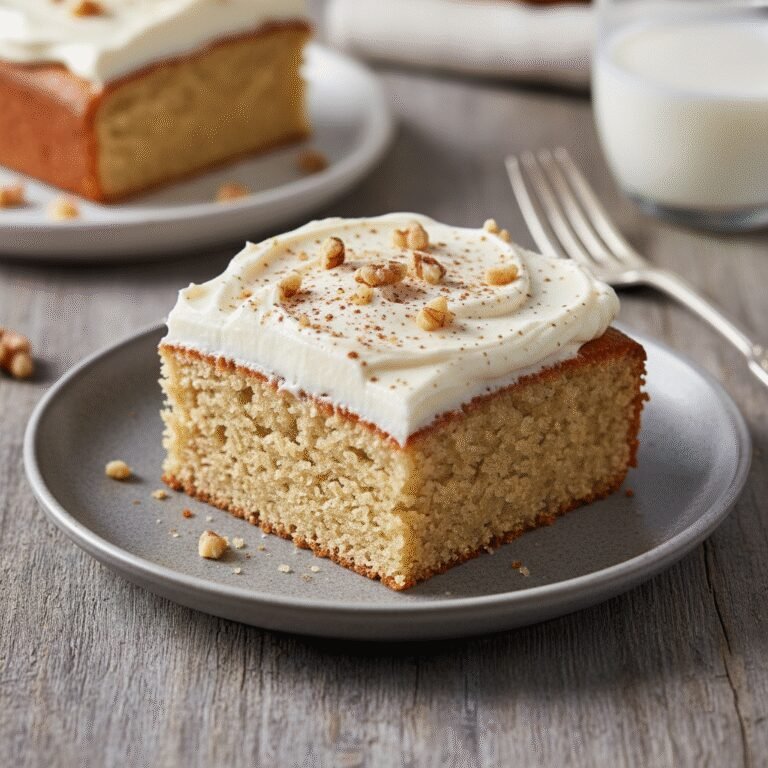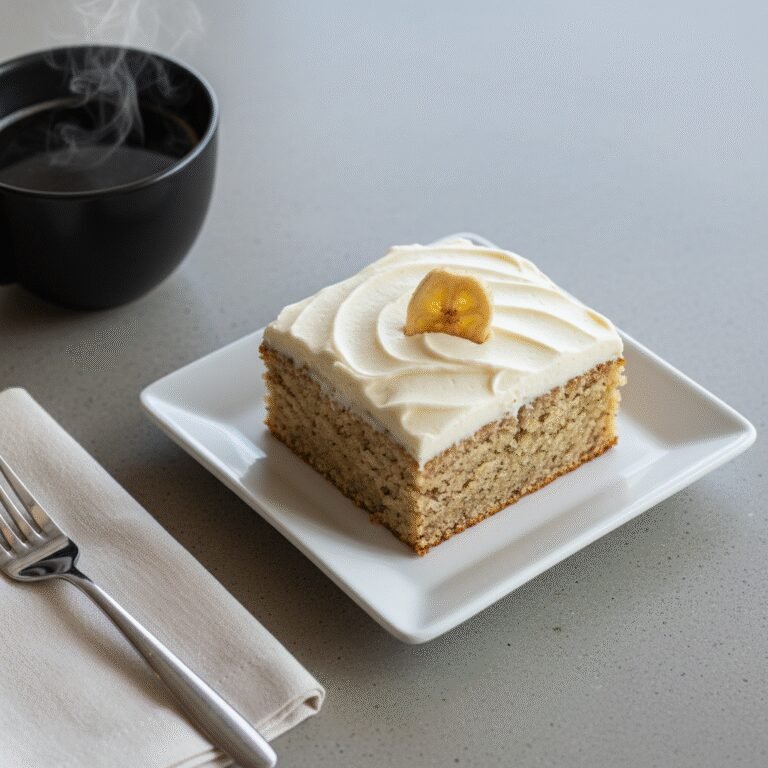
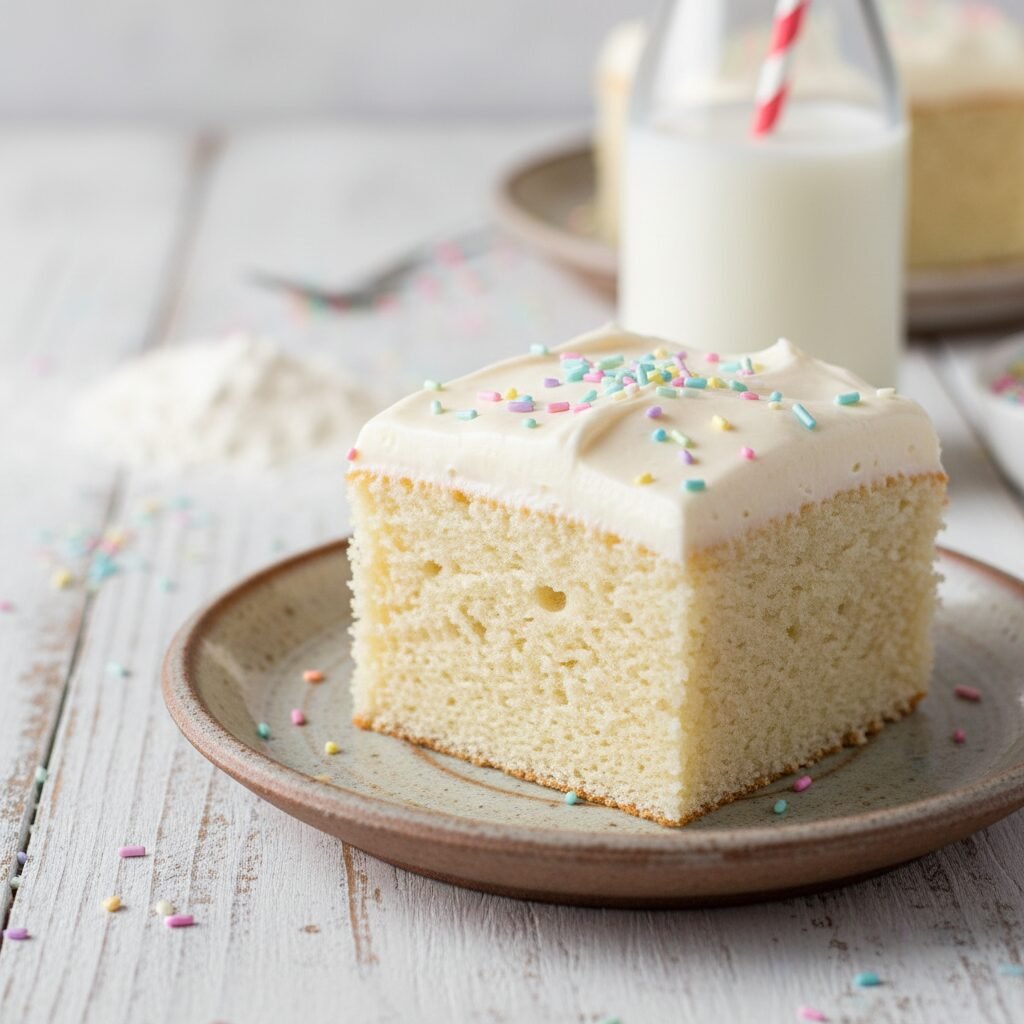
The Ultimate Moist Vanilla Sheet Cake with Whipped Buttercream
Moist Vanilla Sheet Cake Recipe
Discover the secret to the perfect vanilla cake that stays moist for days. This easy sheet cake recipe combines the richness of butter with the tenderness of oil and sour cream, topped with a cloud of fluffy vanilla buttercream.
20 minutes
30 minutes
50 minutes
15 servings
Dessert
Baking
American
Vegetarian
In the world of baking, the quest for the perfect vanilla cake is often the most elusive. We have all experienced the disappointment of a dry, crumbly sponge that relies entirely on frosting for moisture, or a dense, heavy block that lacks that delicate, airy lift we crave. This Moist Vanilla Sheet Cake recipe is the answer to those baking woes, designed specifically to bridge the gap between a convenient weeknight dessert and a bakery-quality masterpiece. Unlike complex layer cakes that require leveling, stacking, and crumb-coating, the humble sheet cake offers a rustic elegance and an approachable method that invites bakers of all skill levels to the kitchen. The magic of this particular recipe lies in its meticulously balanced fat ratio and the inclusion of tangy sour cream, which breaks down gluten strands to ensure a melt-in-your-mouth texture. As you bake this, your kitchen will fill with the nostalgic, intoxicating aroma of warm sugar and pure vanilla, promising a slice of comfort that feels like a warm hug. Whether you are celebrating a birthday, bringing a dish to a potluck, or simply satisfying a Tuesday night craving, this cake delivers high-impact flavor with low-stress preparation. It is the quintessential crowd-pleaser, offering a plush, velvety crumb that pairs perfectly with the sweet, creamy decadence of homemade buttercream.
History & Origins
The concept of the cake has evolved significantly over centuries, transforming from the bread-like, yeast-leavened sweet loaves of ancient civilizations to the light, chemically-leavened sponges we know today. The pivotal moment in cake history arrived in the mid-19th century with the invention of baking powder and baking soda, which allowed home cooks to achieve a consistent rise without the laborious process of beating eggs for hours or relying on fickle yeast. However, the specific rise of the ‘sheet cake’ is deeply tied to the post-World War II era in the United States. As suburban life expanded and social gatherings like church potlucks, block parties, and backyard barbecues became a staple of American culture, the need for desserts that were easy to transport and could feed a crowd grew. The 9×13 inch baking pan became a standard fixture in American kitchens during the 1950s, leading to a boom in recipes designed specifically for this rectangular format. While the chocolate ‘Texas Sheet Cake’ often steals the spotlight in culinary history books with its boiled icing and pecans, the vanilla sheet cake has always been its quieter, elegant counterpart. Historically, vanilla was once a rare and exotic spice from Mexico, but as it became more accessible, it solidified its place as the standard bearer of American desserts. This recipe pays homage to that mid-century tradition of community and sharing, updating the classic methods with modern understanding of food science to ensure a moistness that 1950s recipes could sometimes lack.
Why This Recipe Works
This recipe succeeds where many others fail because it fundamentally understands the science of moisture retention and crumb structure. Many vanilla cake recipes rely solely on butter. While butter is unbeatable for flavor, it is 80-82% fat and about 15-18% water; when that water evaporates during baking, the cake can become dry. Oil, on the other hand, is 100% fat and remains liquid at room temperature, coating the flour proteins and preventing them from bonding too strongly with the liquid, which inhibits tough gluten formation. By using a hybrid mix of unsalted butter (for that distinct, rich flavor) and neutral vegetable oil (for lasting moisture), we get the best of both worlds: a cake that tastes buttery but stays soft for days. Furthermore, the addition of sour cream is critical. Sour cream is acidic, and that acidity reacts with the baking soda to create lift, while the extra fat content adds richness. The thickness of the sour cream also adds body to the batter, supporting the structure so it doesn’t collapse under the weight of the sugar. Finally, we use cake flour instead of all-purpose flour. Cake flour has a lower protein content (usually around 7-8%), which means less gluten development, resulting in a finer, tighter, and more velvety crumb that feels professional rather than bread-like.
Why You’ll Love This Recipe
- ✓Hybrid butter-oil method ensures maximum moisture and flavor.
- ✓Uses sour cream for a tender, velvety crumb structure.
- ✓Simple one-pan preparation means no leveling or stacking layers.
- ✓Stays soft and delicious for up to 4 days at room temperature.
- ✓Versatile base that pairs with any frosting or fruit topping.
- ✓Feeds a crowd easily, making it perfect for parties.
Equipment You’ll Need
- ✓9×13 inch baking pan
- ✓Stand mixer or electric hand mixer
- ✓Large mixing bowl
- ✓Medium mixing bowl
- ✓Sifter or fine-mesh sieve
- ✓Rubber spatula
- ✓Wire cooling rack
- ✓Measuring cups and spoons
Ingredients
- ✓2 1/2 cups cake flour, spooned and leveled
- ✓2 cups granulated sugar
- ✓2 1/2 teaspoons baking powder
- ✓1/2 teaspoon baking soda
- ✓1 teaspoon salt
- ✓3/4 cup unsalted butter, room temperature
- ✓1/4 cup vegetable oil (or canola oil)
- ✓3 large eggs, room temperature
- ✓2 teaspoons pure vanilla extract
- ✓1/2 cup sour cream, room temperature
- ✓1 cup whole milk, room temperature
- ✓1 cup unsalted butter, softened (for frosting)
- ✓4 cups powdered sugar (for frosting)
- ✓1/4 cup heavy cream (for frosting)
- ✓1 tablespoon vanilla bean paste or extract (for frosting)
- ✓Pinch of salt (for frosting)
Instructions
- Preheat your oven to 350°F (175°C). Grease a 9×13 inch baking pan generously with butter or non-stick spray, and line the bottom with parchment paper for easy removal.
- In a medium bowl, sift together the cake flour, baking powder, baking soda, and salt. Whisk to ensure the leavening agents are evenly distributed. Set aside.
- In the bowl of a stand mixer fitted with the paddle attachment (or a large bowl with a hand mixer), beat the 3/4 cup room temperature butter, vegetable oil, and granulated sugar on medium-high speed for about 3-4 minutes until the mixture is pale, light, and fluffy. Scrape down the sides of the bowl as needed.
- Add the eggs one at a time, beating well after each addition. Mix in the 2 teaspoons of vanilla extract and the sour cream until fully combined.
- Reduce the mixer speed to low. Add the dry ingredients in three parts, alternating with the milk in two parts, starting and ending with the dry ingredients. Mix only until just combined and no streaks of flour remain. Do not overmix.
- Pour the batter into the prepared baking pan and smooth the top with a spatula. Tap the pan gently on the counter twice to release any large air bubbles.
- Bake for 28-32 minutes, or until a toothpick inserted into the center comes out clean or with just a few moist crumbs attached. The edges should be lightly golden and pulling away slightly from the pan.
- Remove the cake from the oven and let it cool completely in the pan on a wire rack. The cake must be cool before frosting to prevent melting.
- While the cake cools, make the frosting. Beat the 1 cup softened butter on medium-high speed for 5 minutes until it is nearly white and creamy.
- Gradually add the powdered sugar, one cup at a time, mixing on low speed until incorporated. Add the heavy cream, vanilla bean paste, and pinch of salt.
- Increase the speed to high and whip the frosting for another 3-4 minutes until it is exceptionally light and airy.
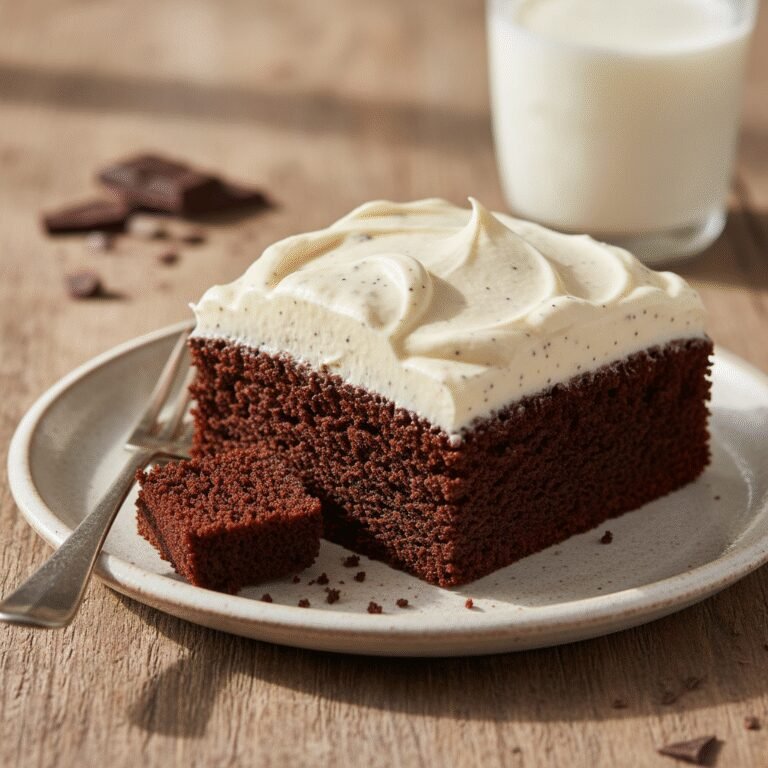
- Once the cake is cool, spread the frosting generously over the top using an offset spatula. Top with sprinkles if desired and slice into squares to serve.
Expert Cooking Tips
- ✓Room temperature ingredients are non-negotiable. Cold eggs or milk can curdle the batter and result in a dense cake.
- ✓Measure flour correctly by spooning it into the cup and leveling it off, or use a scale. Scooping directly packs the flour and leads to dryness.
- ✓Do not overmix the batter once the flour is added. Overmixing develops gluten, which makes the cake tough instead of tender.
- ✓If you don’t have cake flour, you can make a substitute: for every cup of all-purpose flour, remove 2 tablespoons of flour and replace with 2 tablespoons of cornstarch. Sift 3 times.
- ✓Keep an eye on the oven. All ovens vary, so start checking for doneness at the 28-minute mark to avoid overbaking.
Substitutions and Variations
Baking is a science, but there is some room for flexibility if you find yourself missing an ingredient. If you do not have sour cream, full-fat plain Greek yogurt is an excellent 1:1 substitute that provides similar acidity and texture. In a pinch, buttermilk can also work, though the batter will be slightly thinner. For the vegetable oil, you can use any neutral oil like canola, grapeseed, or even melted coconut oil (though coconut may impart a slight flavor). If you need to make this dairy-free, substitute the butter with a high-quality plant-based butter block (not a tub spread) and use unsweetened almond or soy milk and a dairy-free yogurt alternative. For the frosting, heavy cream can be replaced with whole milk, though the texture will be slightly less rich. We highly recommend using real vanilla extract or vanilla bean paste, but imitation vanilla can be used if necessary, though the flavor profile will be less complex.
Common Mistakes to Avoid
The most common mistake is using cold ingredients. When butter, eggs, and dairy are cold, they do not emulsify properly, leading to a batter that breaks and a cake that bakes unevenly. Another frequent error is opening the oven door too often. This releases heat and can cause the cake to sink in the middle before the structure has set. Avoid using old baking powder or soda; if they have expired, the cake will be dense and flat. Finally, frosting the cake while it is still warm is a recipe for disaster; the butter in the frosting will melt, causing it to slide off or soak into the cake, ruining the fluffy texture of the buttercream.
Serving Suggestions
This sheet cake is incredibly versatile. For a classic look, serve it straight from the pan with a generous layer of vanilla buttercream and rainbow sprinkles, perfect for birthdays. For a more elegant presentation, serve a square on a dessert plate alongside fresh berries like strawberries or raspberries to cut through the sweetness. A scoop of vanilla bean ice cream or a dollop of freshly whipped cream is always a welcome addition. If you are serving this at a coffee hour or brunch, it pairs beautifully with a dark roast coffee or an Earl Grey tea, as the bitterness of the beverage balances the sweet richness of the frosting.
Storage and Reheating Tips
This cake stores beautifully, which is one of its best qualities. It can be kept at room temperature in an airtight container (or tightly covered in the pan) for up to 4 days. The oil in the recipe keeps it moist. If you live in a very hot or humid climate, you may want to store it in the refrigerator to prevent the buttercream from melting, but be sure to let it come to room temperature before serving for the best texture. For long-term storage, you can freeze the cake. Flash freeze individual slices on a baking sheet for an hour, then wrap them tightly in plastic wrap followed by aluminum foil. They will keep in the freezer for up to 3 months. Thaw on the counter for 1-2 hours before eating.
Nutrition Facts (Estimated)
| Serving Size | 1 slice |
| Calories | 420 |
| Fat | 22g |
| Saturated Fat | 12g |
| Unsaturated Fat | 9g |
| Trans Fat | 0g |
| Cholesterol | 65mg |
| Sodium | 180mg |
| Carbohydrates | 52g |
| Fiber | 0.5g |
| Sugar | 35g |
| Protein | 4g |
Frequently Asked Questions
Can I make this cake ahead of time?
Yes! You can bake the cake 1-2 days in advance and keep it covered at room temperature. In fact, the flavors often meld and the crumb softens even more the next day. You can also make the frosting ahead and store it in the fridge, just rewhip it before using.
Why did my cake sink in the middle?
Sinking usually happens if the oven door was opened too early, letting cool air in, or if the cake was underbaked. It can also be caused by over-leavening (too much baking powder) or over-beating the batter which incorporates too much air that collapses.
Can I use all-purpose flour instead of cake flour?
You can, but the texture will be slightly denser and more bread-like. If you must use all-purpose flour, use a ‘DIY cake flour’ method by removing 2 tablespoons of AP flour per cup and replacing it with cornstarch, then sifting well.
Can I bake this in round pans for a layer cake?
Absolutely. This recipe yields enough batter for two 8-inch round pans or two 9-inch round pans. You will need to reduce the baking time to approximately 20-25 minutes. Keep an eye on them as they bake faster than the large sheet.
Is salted or unsalted butter better?
We recommend unsalted butter so you can control the sodium level. If you only have salted butter, omit the extra salt added in the recipe ingredients to prevent the cake from tasting savory.
How do I make the frosting less sweet?
American buttercream is naturally sweet. To balance it, add a pinch of salt (which cuts sweetness) or a teaspoon of lemon juice. Ensure you whip the butter long enough before adding sugar; airy butter requires less sugar to reach a good consistency.
Can I add mix-ins like chocolate chips?
Yes, you can fold in about 1 cup of chocolate chips, nuts, or sprinkles (for Funfetti) into the batter just before pouring it into the pan. Toss them in a little flour first to prevent them from sinking to the bottom.
Why is my cake dry?
Dryness is usually caused by overbaking or measuring flour incorrectly (packing it down). Ensure you check the cake a few minutes before the timer goes off and use the spoon-and-level method for flour.
Can I make this recipe gluten-free?
Yes, by using a high-quality 1:1 gluten-free baking flour blend that contains xanthan gum. The texture may be slightly different, but the sour cream helps keep it moist.
What is the best way to transport this cake?
One of the benefits of a sheet cake is transportability. Many 9×13 pans come with snap-on lids. If yours doesn’t, use toothpicks to tent plastic wrap over the frosting so it doesn’t stick, or place the pan in a cardboard cake box.
Conclusion
The Moist Vanilla Sheet Cake is more than just a recipe; it is a reliable companion for life’s celebrations, big and small. By combining the best techniques of modern baking with the nostalgic simplicity of the sheet cake format, you achieve a dessert that is both effortless and extraordinary. The tender crumb, rich vanilla flavor, and creamy frosting come together to create a treat that lingers in your memory long after the last bite is gone. We hope this cake becomes a staple in your kitchen, bringing joy to your family and friends for years to come. Happy baking!