The Best Moist Sour Cream Pound Cake With Vanilla Bean Glaze
Moist Sour Cream Pound Cake With Vanilla Glaze Recipe
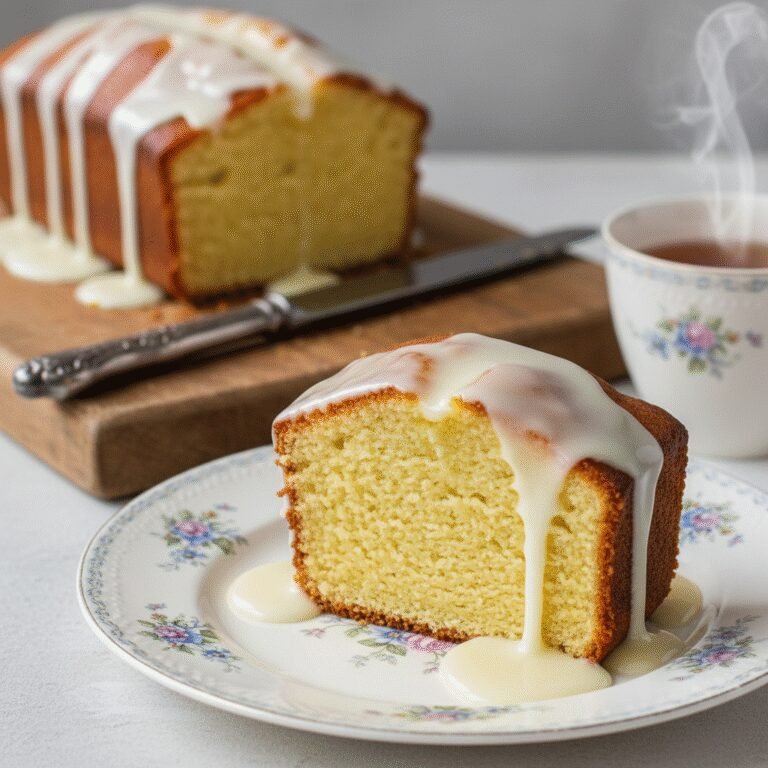
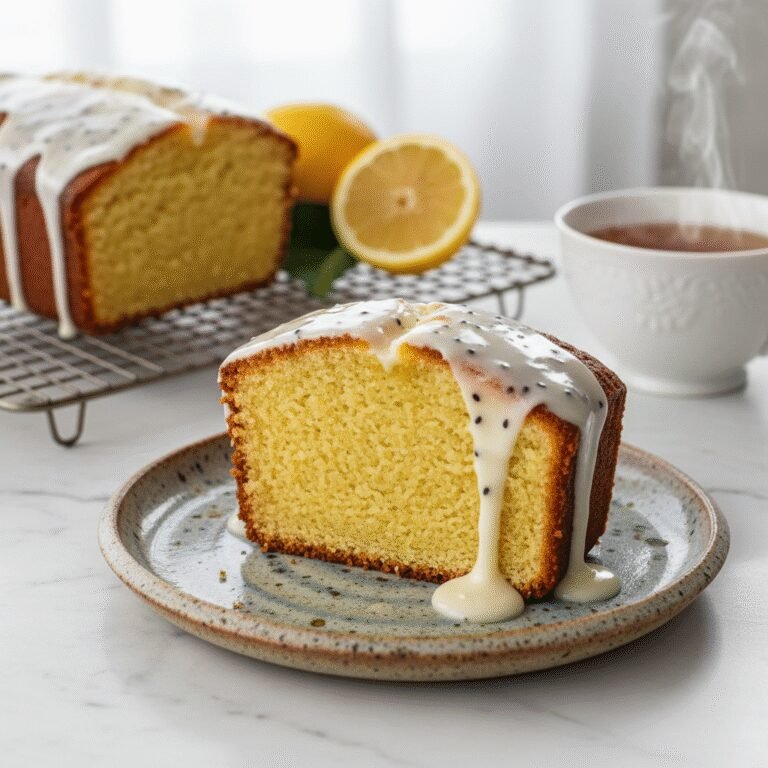
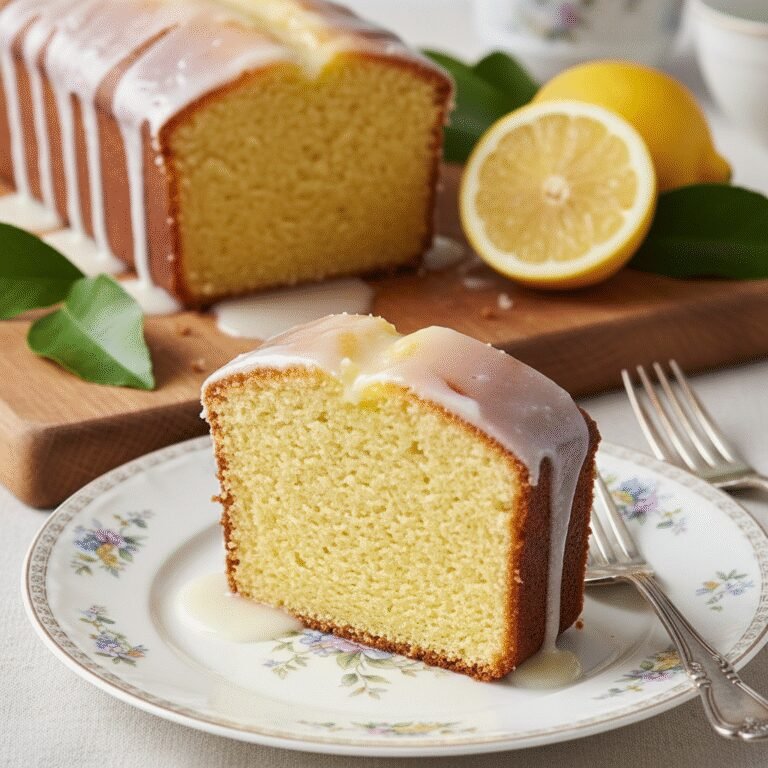
Experience the ultimate comfort dessert with this incredibly moist Sour Cream Pound Cake. Infused with rich butter and tangy sour cream, and topped with a silky vanilla bean glaze, this old-fashioned recipe delivers a dense, velvety crumb that melts in your mouth.
20 minutes
1 hour 15 minutes
1 hour 45 minutes
12-16 servings
Dessert
Baking
American / Southern
Vegetarian
There is something profoundly comforting about a classic pound cake. It doesn’t rely on flashy decorations or complex assembly techniques; it stands tall on the merit of its texture and flavor alone. This Moist Sour Cream Pound Cake is the epitome of that baking tradition. Unlike airy sponge cakes or delicate chiffons, this cake boasts a tight, dense crumb that is famously velvety, owing its luxurious texture to the addition of full-fat sour cream. The sour cream doesn’t just add moisture; its acidity works magic on the gluten strands, tenderizing the flour to ensure every bite is soft rather than chewy.
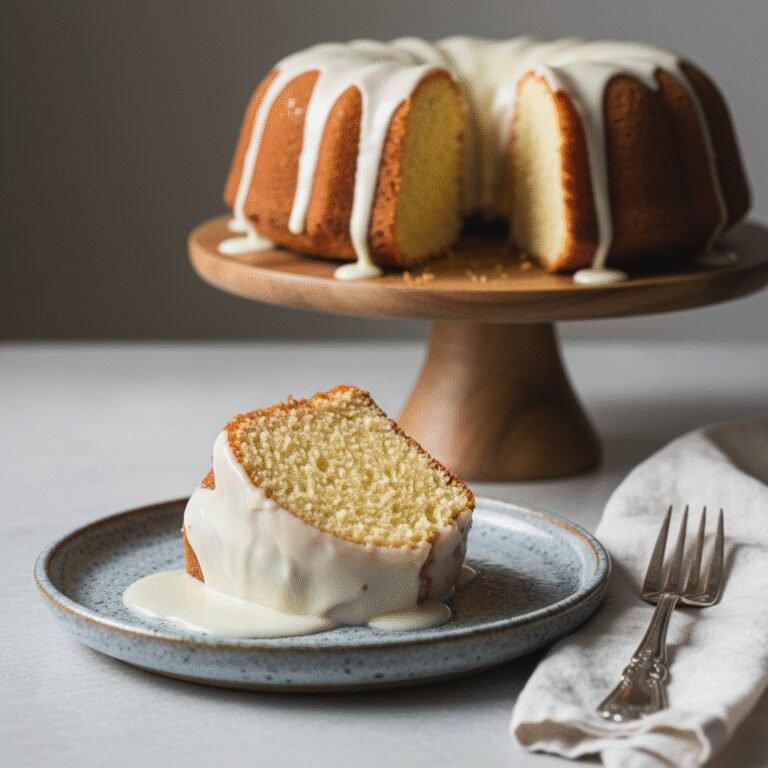
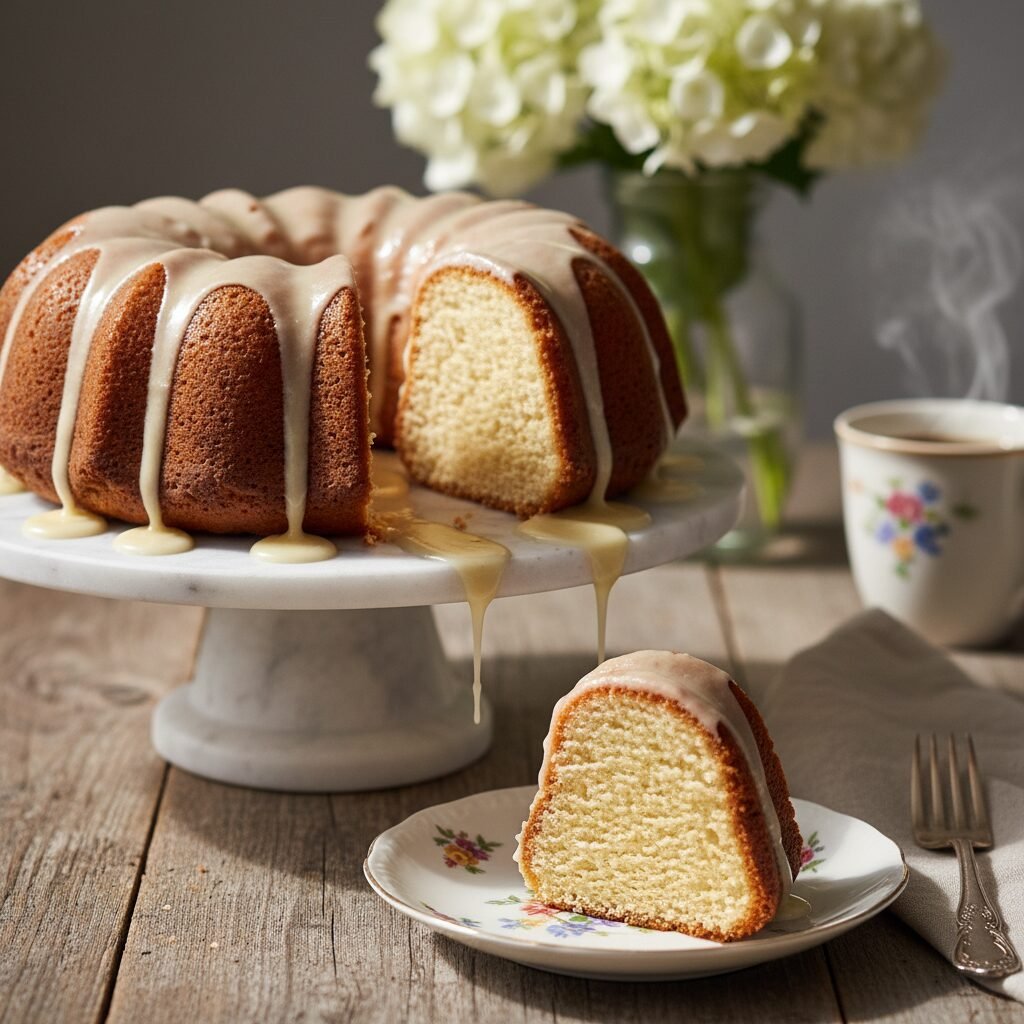
When baking this cake, the aroma of butter and vanilla that fills the kitchen is enough to gather the whole family. The exterior develops a golden, slightly crisp crust that contrasts beautifully with the tender interior. We finish it off with a simple yet decadent vanilla bean glaze that cascades down the ridges of the Bundt pan, pooling slightly at the base. This recipe is perfect for everything from a Sunday brunch centerpiece to a late-night treat with a cup of coffee. It captures the essence of Southern hospitality and vintage baking, proving that sometimes, the simplest recipes are truly the most sophisticated.
History & Origins
The history of the pound cake dates back to the early 1700s in Northern Europe, though it is most famously associated with British and American culinary traditions. The original name ‘pound cake’ was quite literal: the recipe called for one pound each of four ingredients—flour, butter, eggs, and sugar. This 1:1:1:1 ratio made it easy for bakers to remember the recipe in an era when literacy was not widespread and kitchen scales were more common than standardized measuring cups.
As the recipe migrated to the American South, it evolved significantly. By the mid-19th century, bakers began incorporating leavening agents like baking soda and baking powder, which allowed for a lighter texture compared to the dense, brick-like cakes of the previous century. The introduction of ‘enrichers’ like sour cream, buttermilk, and cream cheese marked the golden era of Southern pound cakes. These acidic dairy products reacted with the leavening agents to create a finer crumb and added a distinct tang that balanced the heavy sugar content. Today, the Sour Cream Pound Cake is a staple of church potlucks, holiday gatherings, and family reunions, representing a lineage of baking that values richness and reliability over trendiness.
Why This Recipe Works
This recipe succeeds where others fail primarily due to the science of emulsion and acidity. The inclusion of sour cream is the game-changer here. Sour cream is high in fat, which coats the flour proteins, preventing tough gluten networks from forming. Furthermore, the acidity in the sour cream activates the baking soda (if used) and helps tenderize the batter, resulting in a crumb that is moist and springy rather than dry or crumbly.
Another key factor is the ‘creaming method.’ By beating the room-temperature butter and sugar together for a full 5-7 minutes, you are mechanically forcing air into the fat. These microscopic air bubbles expand during baking, providing lift and structure. Unlike oil-based cakes which can be greasy, the butter provides a distinct, milky flavor and a structure that holds up well to slicing. Finally, baking in a Bundt pan isn’t just for aesthetics; the central tube allows heat to penetrate the center of the deep batter, ensuring the cake cooks evenly without drying out the edges before the middle is set.
Why You’ll Love This Recipe
- ✓Incredibly moist texture thanks to full-fat sour cream.
- ✓Rich, buttery flavor with a hint of vanilla bean.
- ✓Dense, tight crumb that slices perfectly without crumbling.
- ✓Keeps fresh for days and actually tastes better the next day.
- ✓Versatile base that pairs with berries, chocolate, or citrus.
- ✓Freezer-friendly for make-ahead convenience.
Equipment You’ll Need
- ✓10-12 cup Bundt pan
- ✓Stand mixer with paddle attachment (or electric hand mixer)
- ✓Large mixing bowl
- ✓Medium mixing bowl
- ✓Whisk
- ✓Rubber spatula
- ✓Wire cooling rack
- ✓Measuring cups and spoons
Ingredients
- ✓3 cups (360g) all-purpose flour, sifted
- ✓1/2 teaspoon baking soda
- ✓1/2 teaspoon salt
- ✓1 cup (2 sticks/226g) unsalted butter, softened to room temperature
- ✓3 cups (600g) granulated sugar
- ✓6 large eggs, room temperature
- ✓1 cup (240g) full-fat sour cream, room temperature
- ✓1 tablespoon pure vanilla extract
- ✓1 1/2 cups powdered sugar (for glaze)
- ✓2-3 tablespoons heavy cream or milk (for glaze)
- ✓1 teaspoon vanilla bean paste or extract (for glaze)
Instructions
- Preheat your oven to 325°F (163°C). Thoroughly grease a 10-12 cup Bundt pan with butter or shortening and dust with flour, tapping out the excess. Alternatively, use a baking spray specifically designed for baking (the kind with flour in it).
- In a medium bowl, whisk together the flour, baking soda, and salt. Set this dry mixture aside.
- In the bowl of a stand mixer fitted with the paddle attachment, cream the softened butter and granulated sugar together on medium-high speed. Beat for 5-7 minutes until the mixture is very pale, light, and fluffy. Scrape down the sides of the bowl as needed.
- Reduce the mixer speed to medium. Add the eggs one at a time, beating well after each addition. Ensure each egg is fully incorporated before adding the next. Stir in the vanilla extract.
- Reduce the mixer speed to low. Add the flour mixture and the sour cream alternately, starting and ending with the flour (3 additions of flour, 2 additions of sour cream). Mix only until the flour streaks disappear. Do not overmix.
- Give the batter a final stir by hand with a rubber spatula to ensure no butter pockets remain at the bottom of the bowl. Pour the batter into the prepared Bundt pan and smooth the top.
- Bake for 70 to 85 minutes. The cake is done when the top is golden brown and a long wooden skewer inserted into the thickest part comes out clean or with just a few moist crumbs attached.
- Remove from the oven and let the cake cool in the pan for exactly 10-15 minutes. Then, invert the pan onto a wire rack to release the cake. Let it cool completely before glazing.
- To make the glaze: Whisk together the powdered sugar, vanilla bean paste, and 2 tablespoons of heavy cream. Add more cream, a teaspoon at a time, until you reach a thick but pourable consistency. Drizzle over the cooled cake.
Expert Cooking Tips
- ✓Room temperature ingredients are non-negotiable; cold eggs or sour cream can break the batter emulsion.
- ✓Grease every nook and cranny of your Bundt pan to prevent sticking.
- ✓Do not open the oven door for the first hour of baking to prevent the cake from collapsing.
- ✓Measure flour by spooning it into the cup and leveling it off, rather than scooping directly, to avoid a heavy cake.
- ✓Let the cake cool in the pan for 10-15 minutes; flipping it too soon can cause it to break, while waiting too long can make it stick.
- ✓Use full-fat sour cream for the best texture; low-fat versions have higher water content.
- ✓If the top is browning too fast but the inside isn’t done, tent loosely with aluminum foil.
Substitutions and Variations
If you find yourself without sour cream, full-fat plain Greek yogurt is the best 1:1 substitute as it mimics the acidity and thickness perfectly. Buttermilk can also be used, though the batter will be slightly thinner. If you only have salted butter, omit the 1/2 teaspoon of added salt in the dry ingredients. For the flour, cake flour can be used for an even lighter crumb, but increase the volume by 2 tablespoons per cup. For flavor variations, you can swap the vanilla extract for almond extract (use half the amount) or add lemon zest to the sugar during the creaming process for a citrus twist. In the glaze, milk or a plant-based milk can substitute for heavy cream, though the finish will be less opaque.
Common Mistakes to Avoid
The most common mistake is using cold ingredients. When butter, eggs, and sour cream are cold, they don’t emulsify properly, leading to a dense, greasy cake rather than a velvety one. Another error is rushing the creaming process; if you don’t beat the butter and sugar long enough, the cake won’t have enough lift. Over-mixing the batter after adding the flour is a surefire way to develop gluten and make the cake tough. Finally, improper pan preparation often leads to tragedy; Bundt pans are notorious for sticking, so be generous with your greasing and flouring, or use a high-quality baking spray with flour included.
Serving Suggestions
This cake is stunning on its own, but it pairs beautifully with fresh seasonal fruit. In the spring and summer, serve slices with macerated strawberries, raspberries, or peaches and a dollop of freshly whipped cream. For a warm, cozy variation, toast a slice lightly in a pan with butter and serve it with a scoop of vanilla bean ice cream and a drizzle of caramel sauce. It is also excellent served simply with hot coffee or tea, making it a perfect breakfast cake or afternoon snack.
Storage and Reheating Tips
Pound cake is one of the few baked goods that often tastes better the day after baking as the flavors meld and the moisture redistributes. Store the cake in an airtight container or under a cake dome at room temperature for up to 3-4 days. For longer storage, wrap individual slices or the whole cake tightly in plastic wrap, then in aluminum foil, and freeze for up to 3 months. Thaw frozen cake on the counter at room temperature before serving. Avoid refrigerating the cake unless your kitchen is extremely hot and humid, as the refrigerator can dry out the crumb.
Nutrition Facts (Estimated)
| Serving Size | 1 slice |
| Calories | 480 |
| Fat | 24g |
| Saturated Fat | 14g |
| Unsaturated Fat | 8g |
| Trans Fat | 0g |
| Cholesterol | 110mg |
| Sodium | 210mg |
| Carbohydrates | 60g |
| Fiber | 1g |
| Sugar | 38g |
| Protein | 5g |
Frequently Asked Questions
Why did my pound cake sink in the middle?
This usually happens if the cake was underbaked or if the oven door was opened too early, causing a sudden temperature drop. It can also result from over-leavening (too much baking soda).
Can I bake this in loaf pans instead of a Bundt pan?
Yes, this recipe yields enough batter for two standard 9×5-inch loaf pans. Reduce the baking time to 50-60 minutes and check for doneness.
Why is my cake dry?
Dry cake is often caused by over-measuring flour (scooping vs. spooning) or over-baking. Check the cake 5-10 minutes before the timer goes off.
Can I make this recipe gluten-free?
Yes, you can substitute the all-purpose flour with a high-quality 1:1 gluten-free baking flour blend that contains xanthan gum. The texture may be slightly different but still delicious.
How do I get the cake out of the Bundt pan without breaking it?
Grease the pan thoroughly before baking. Let the cake cool for exactly 10-15 minutes after baking. Shake the pan gently side-to-side to loosen it before inverting.
Can I add mix-ins like chocolate chips or nuts?
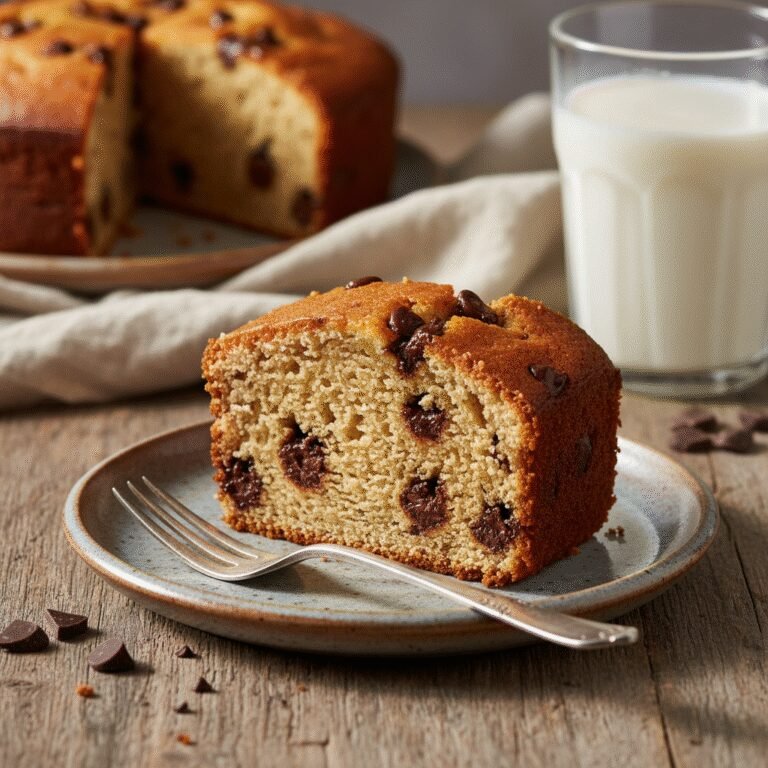
Absolutely. You can fold in up to 1 cup of chocolate chips, chopped nuts, or dried fruit. Toss them in a tablespoon of flour first to prevent them from sinking to the bottom.
What does the sour cream do in the cake?
Sour cream adds fat for richness and acidity, which tenderizes the gluten strands, resulting in a very moist, soft crumb.
Can I use low-fat sour cream?
It is not recommended. The fat is essential for the texture. Low-fat versions often contain stabilizers and more water, which can affect the final crumb.
Conclusion
This Moist Sour Cream Pound Cake is more than just a recipe; it’s a reliable friend in the kitchen. Whether you are a seasoned baker or a novice, the straightforward steps and forgiving nature of the sour cream batter make success almost guaranteed. The result is a show-stopping dessert that looks elegant on a cake stand and tastes like a hug in food form. We hope this becomes your go-to recipe for celebrations, holidays, or just those days when you need a little extra sweetness in your life. Happy baking!