Velvety Moist Cream Cheese Pound Cake: The Ultimate Afternoon Tea Delight
Moist Cream Cheese Pound Cake For Afternoon Tea Recipe
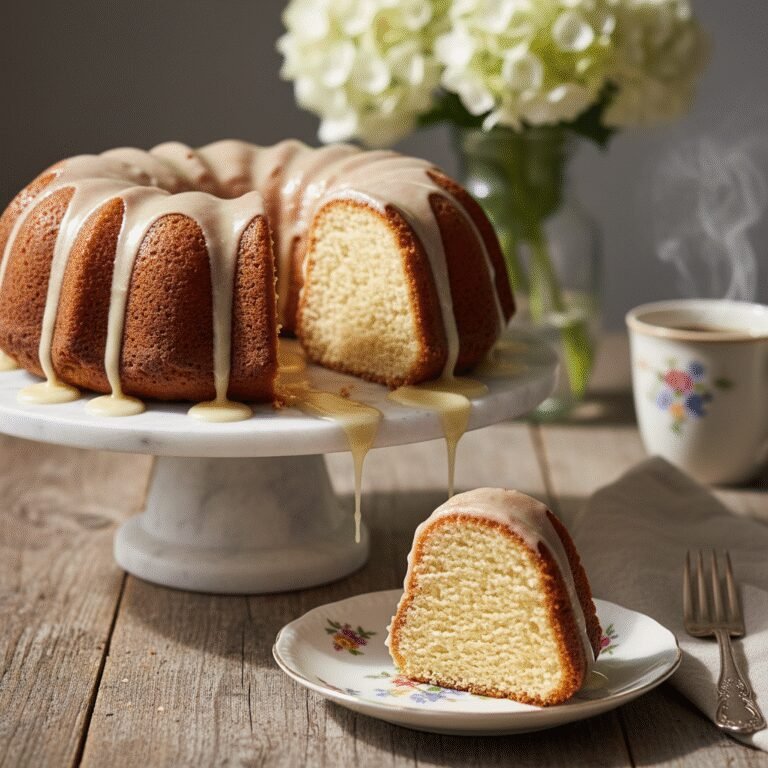
Experience the dense, velvety texture of this classic Cream Cheese Pound Cake, perfectly balanced with a golden, buttery crust. This heirloom-quality recipe guarantees a moist crumb every time, making it the quintessential centerpiece for your next afternoon tea gathering.
20 minutes
1 hour 20 minutes
1 hour 50 minutes
1 Bundt Cake or 2 Loaves (12-16 servings)
Dessert
Baking
American / Southern
Vegetarian
There is something profoundly comforting about the aroma of a pound cake baking in the oven—a scent that evokes memories of grandmother’s kitchen, slow Sunday afternoons, and the simple joy of sharing a treat with loved ones. This Moist Cream Cheese Pound Cake is not just a dessert; it is a celebration of texture and flavor. Unlike the airy lightness of a sponge cake, this recipe leans into the luxurious density that defines a true pound cake, but with a secret weapon: cream cheese. The addition of cream cheese transforms the traditional butter-sugar-egg matrix, introducing a subtle tang and a richness that keeps the crumb impossibly moist for days.
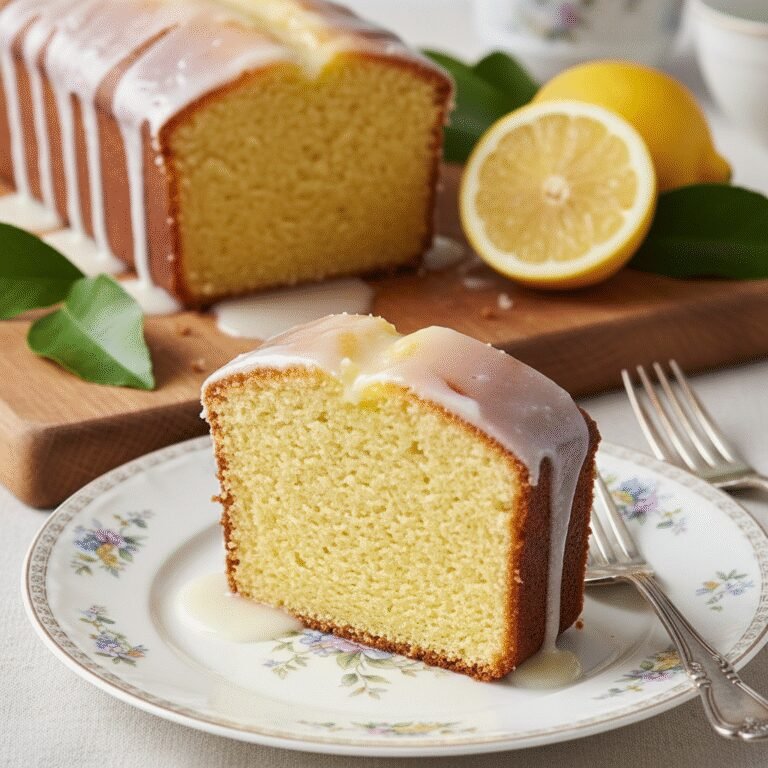
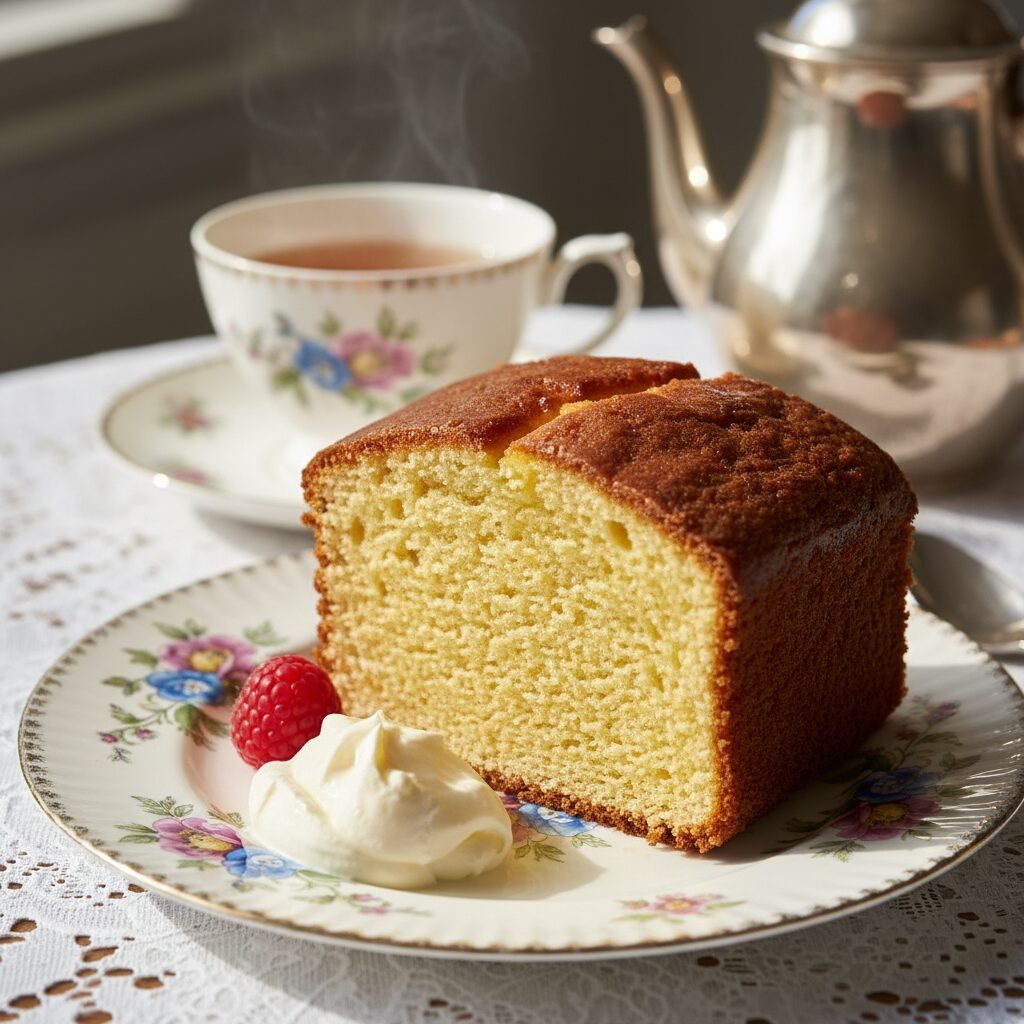
Perfect for an elegant afternoon tea, this cake slices beautifully, revealing a tight, golden crumb that holds up well to a dollop of whipped cream or a drizzle of lemon glaze. Yet, it is flavorful enough to stand entirely on its own. The magic lies in the golden, caramelized crust that forms on the top and sides, providing a delightful textural contrast to the velvety interior. Whether you are a seasoned baker looking to perfect your technique or a novice wanting to impress guests with a foolproof classic, this recipe delivers on every front. It captures the essence of Southern hospitality and the sophistication of high tea in every bite. Prepare to fall in love with the buttery, vanilla-infused goodness that defines this timeless masterpiece.
History & Origins
The history of the pound cake dates back to the early 1700s in Northern Europe, earning its name from the simple, mnemonic recipe used by bakers of the time: one pound each of flour, butter, eggs, and sugar. This 1:1:1:1 ratio was designed to produce a massive, dense cake capable of feeding large families or gatherings. As the recipe migrated across the Atlantic to the American colonies, it became a staple of American baking, particularly in the South. However, the original formula yielded a cake that was somewhat heavy and dry by modern standards.
Over the centuries, bakers began to experiment with leavening agents like baking powder and soda, which were introduced in the 19th century, to lighten the crumb. But the true revolution for the Southern pound cake came with the commercial availability of cream cheese in the late 1800s and early 1900s. Southern cooks, known for their ingenuity and love of rich desserts, discovered that incorporating cream cheese into the batter did something magical. It added fat, yes, but also acidity and moisture that the standard butter recipe lacked. This innovation created a tighter crumb that was significantly more tender and flavorful. By the mid-20th century, the ‘Cream Cheese Pound Cake’ had cemented its status as a church potluck favorite and a holiday essential, representing the pinnacle of comfort baking. Today, it remains a beloved classic, bridging the gap between the rustic, hearty cakes of the past and the refined, melt-in-your-mouth textures desired in modern pastry.
Why This Recipe Works
This recipe succeeds where many others fail due to the precise balance of fat, sugar, and mixing technique. The primary reason this pound cake is superior lies in the inclusion of full-fat cream cheese. Cream cheese contains a higher water content than butter and adds acidity. This acidity helps to tenderize the gluten strands in the flour, preventing the cake from becoming tough or rubbery, which is a common pitfall in dense cakes. Furthermore, the mixing method—creaming the butter and cream cheese with the sugar for an extended period (often 5 to 7 minutes)—is crucial. This process mechanically forces air into the fat, creating millions of tiny bubbles.
During baking, these bubbles expand, lifting the heavy batter just enough to create a velvety, close-knit crumb that is neither too heavy nor too airy. We also use room-temperature ingredients exclusively; if the eggs or dairy are cold, the batter will curdle, breaking the emulsion and resulting in a greasy cake. Finally, the low-and-slow baking temperature ensures that the dense batter cooks through to the center without burning the exterior, allowing that signature, thick golden crust to develop gradually. This combination of chemical interactions and thermal physics guarantees a perfect slice every time.
Why You’ll Love This Recipe
- ✓Incredibly moist and dense crumb thanks to the cream cheese.
- ✓Develops a thick, sugary, golden-brown crust that is irresistible.
- ✓Stays fresh and moist for several days, making it perfect for make-ahead events.
- ✓Simple pantry ingredients with no complex decoration required.
- ✓Versatile base that pairs with fruit, chocolate, or citrus glazes.
- ✓The perfect ‘traveling cake’ for potlucks and gifts.
Equipment You’ll Need
- ✓Stand mixer with paddle attachment (or high-power hand mixer)
- ✓10-12 cup Bundt pan or two 9×5 inch loaf pans
- ✓Rubber spatula
- ✓Cooling rack
- ✓Measuring cups and spoons
- ✓Sifter
Ingredients
- ✓1 ½ cups (3 sticks) unsalted butter, softened to room temperature
- ✓8 oz full-fat cream cheese, softened to room temperature
- ✓3 cups granulated sugar
- ✓6 large eggs, room temperature
- ✓3 cups cake flour (sifted)
- ✓1 teaspoon salt
- ✓2 teaspoons pure vanilla extract
- ✓1 teaspoon almond extract (optional)
Instructions
- Preheat your oven to 325°F (165°C). Thoroughly grease and flour a 10-12 cup Bundt pan or two loaf pans. Tap out any excess flour to ensure a smooth finish.
- In the bowl of a stand mixer fitted with the paddle attachment, combine the softened butter and softened cream cheese. Beat on medium speed until smooth and creamy, about 2 minutes.
- Gradually add the granulated sugar to the butter mixture. Increase the speed to medium-high and cream the mixture for a full 5 to 7 minutes. The mixture should look pale, fluffy, and significantly increased in volume. Scrape down the sides of the bowl occasionally.
- Reduce the mixer speed to low. Add the eggs one at a time, beating just until the yellow disappears after each addition. Do not rush this step; the emulsion needs to hold. Stir in the vanilla and almond extracts.
- In a separate bowl, whisk together the sifted cake flour and salt. With the mixer on low speed, gradually add the flour mixture to the wet ingredients. Mix only until the flour is just incorporated and no white streaks remain. Do not overmix.
- Give the batter a final mix by hand with a rubber spatula to ensure no unmixed butter is at the bottom of the bowl.
- Pour the batter into the prepared pan(s). Smooth the top with the spatula. Tap the pan gently on the counter a few times to release any large air bubbles.
- Bake in the preheated oven for 1 hour and 15 minutes to 1 hour and 30 minutes. The cake is done when a long wooden skewer inserted into the thickest part comes out clean or with just a few moist crumbs attached.
- Remove from the oven and let the cake cool in the pan on a wire rack for exactly 20 minutes. This allows the structure to set.
- Invert the pan onto the wire rack to release the cake. Let it cool completely before slicing. The flavor and texture are best if allowed to rest for several hours or overnight.
Expert Cooking Tips
- ✓Room temperature ingredients are non-negotiable; cold ingredients will cause the batter to curdle.
- ✓Beat the butter, cream cheese, and sugar longer than you think—this aeration is the primary leavening for the cake.
- ✓Use cake flour for a softer, more tender crumb. If using all-purpose flour, remove 2 tablespoons per cup and replace with cornstarch.
- ✓Grease every nook and cranny of your Bundt pan to prevent sticking; baking spray with flour is highly recommended.
- ✓Do not open the oven door for the first hour of baking to prevent the cake from collapsing.
- ✓Let the cake cool in the pan for 20 minutes; too soon and it breaks, too long and it sticks.
Substitutions and Variations
Baking is a science, so substitutions should be made with caution. If you do not have cake flour, you can make a substitute by measuring 1 cup of all-purpose flour, removing 2 tablespoons, and replacing them with 2 tablespoons of cornstarch (sift together twice). For the fat, you must use full-fat block cream cheese; whipped or tub cream cheese has too much air and water. Margarine can technically be used instead of butter, but the flavor profile will suffer significantly—stick to real unsalted butter if possible. If you prefer a different flavor profile, you can swap the almond extract for lemon extract or add the zest of one lemon for a citrus twist. For the sugar, standard granulated white sugar is best for the crust; reducing the sugar will affect the moisture level and shelf life of the cake.
Common Mistakes to Avoid
The most common mistake is using ingredients that are at different temperatures. If your butter is soft but your eggs are cold, the fat will seize, and the batter will look curdled, leading to a greasy, heavy cake. Another frequent error is under-creaming the butter and sugar. Many bakers stop after 2 minutes, but you really need 5 to 7 minutes to incorporate enough air. Conversely, over-mixing the batter once the flour is added is a disaster; it develops gluten and makes the cake tough and bread-like. Finally, rushing the baking process by increasing the temperature will burn the outside while leaving the inside raw. Patience is key with pound cake—low and slow wins the race.
Serving Suggestions
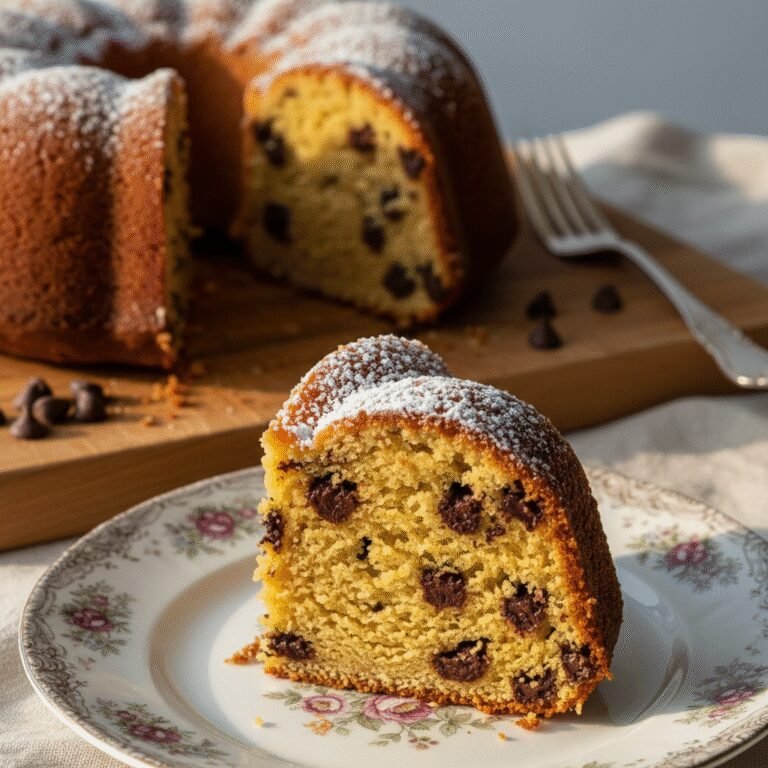
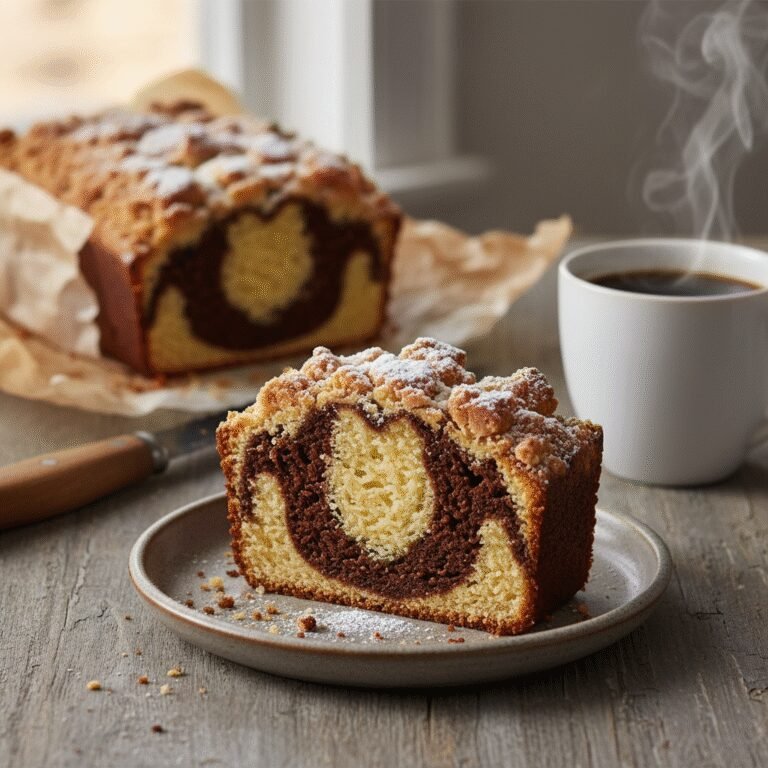
This cake is incredibly versatile for serving. For a classic afternoon tea, slice it thinly and serve on fine china with a side of clotted cream and strawberry jam. It pairs beautifully with Earl Grey or English Breakfast tea. For a summer dessert, serve thick slices with macerated fresh strawberries or peaches and a dollop of chantilly cream. In the cooler months, toast a slice lightly and drizzle with warm caramel sauce or a bourbon glaze. It also works wonderfully as a breakfast treat alongside a strong cup of coffee. A simple dusting of powdered sugar is often all the decoration it needs to look elegant.
Storage and Reheating Tips
Cream cheese pound cake actually improves with age as the moisture redistributes. Store the completely cooled cake in an airtight cake keeper at room temperature for up to 3 days. If you live in a very hot or humid climate, you may want to store it in the refrigerator for up to a week, but bring it to room temperature before serving for the best texture. This cake freezes exceptionally well. Wrap the whole loaf or individual slices tightly in plastic wrap, then a layer of aluminum foil, and place in a freezer-safe bag. It can be frozen for up to 3 months. Thaw on the counter for a few hours before enjoying.
Nutrition Facts (Estimated)
| Serving Size | 1 slice |
| Calories | 450 |
| Fat | 24g |
| Saturated Fat | 14g |
| Unsaturated Fat | 8g |
| Trans Fat | 0.5g |
| Cholesterol | 110mg |
| Sodium | 210mg |
| Carbohydrates | 52g |
| Fiber | 0.5g |
| Sugar | 35g |
| Protein | 5g |
Frequently Asked Questions
Why did my pound cake fall in the center?
This usually happens if the cake was underbaked or if the oven door was opened too early during the baking process, causing a sudden temperature drop.
Can I use low-fat cream cheese?
It is not recommended. Low-fat products contain more water and stabilizers that can negatively affect the texture and richness of the cake.
Why is my crust hard or burnt?
Your oven rack might be too high, or your oven temperature runs hot. Use an oven thermometer to verify accuracy and bake in the lower third of the oven.
Can I bake this in a loaf pan instead of a Bundt pan?
Yes, this recipe yields enough batter for two standard 9×5 inch loaf pans. The baking time may be slightly shorter, check around 1 hour.
Why does my cake have a ‘sad streak’ or dense layer at the bottom?
This is often caused by under-mixing the butter and sugar (not enough air) or over-mixing after adding the eggs. It can also happen if the oven wasn’t fully preheated.
How do I get the cake out of the bundt pan without breaking it?
Grease the pan thoroughly right before adding batter. Let the cake cool for exactly 15-20 minutes before inverting. Gravity needs time to settle the structure.
Can I add blueberries or nuts to this recipe?
Yes! Toss 1-2 cups of berries or nuts in a tablespoon of flour before folding them gently into the batter to prevent them from sinking to the bottom.
Is this cake gluten-free friendly?
You can substitute the cake flour with a high-quality 1:1 gluten-free flour blend that contains xanthan gum, though the texture will be slightly different.
Conclusion
Mastering the Moist Cream Cheese Pound Cake is a rite of passage for any home baker. It is a recipe that rewards patience and precision with a result that is undeniably luxurious. Whether you are serving it at a high-tea gathering, bringing it to a neighbor, or simply enjoying a slice in the quiet of your kitchen, this cake brings a sense of warmth and nostalgia that few other desserts can match. The golden crust, the dense, creamy interior, and the rich buttery flavor will make this a permanent fixture in your recipe box. Happy baking!