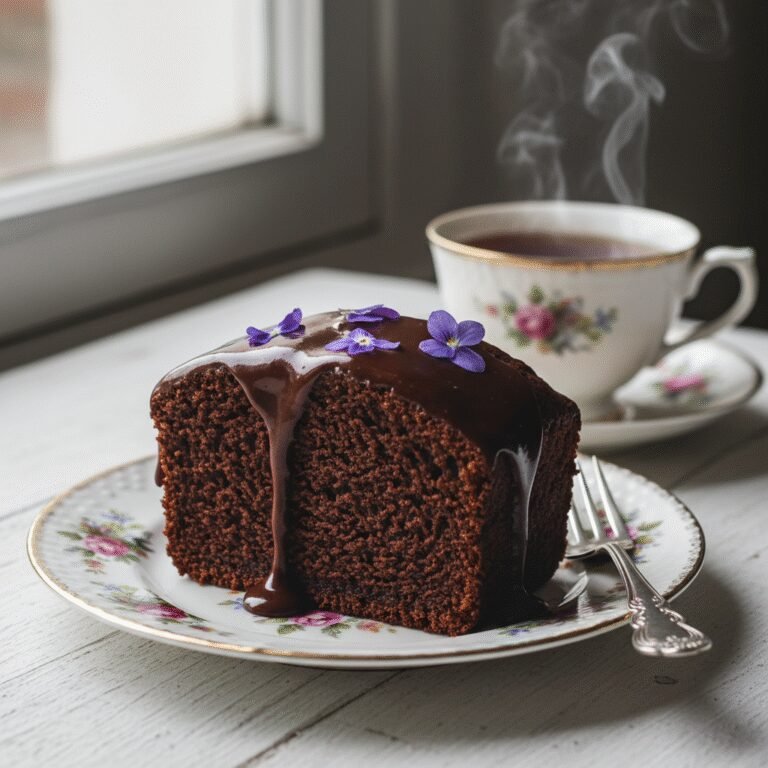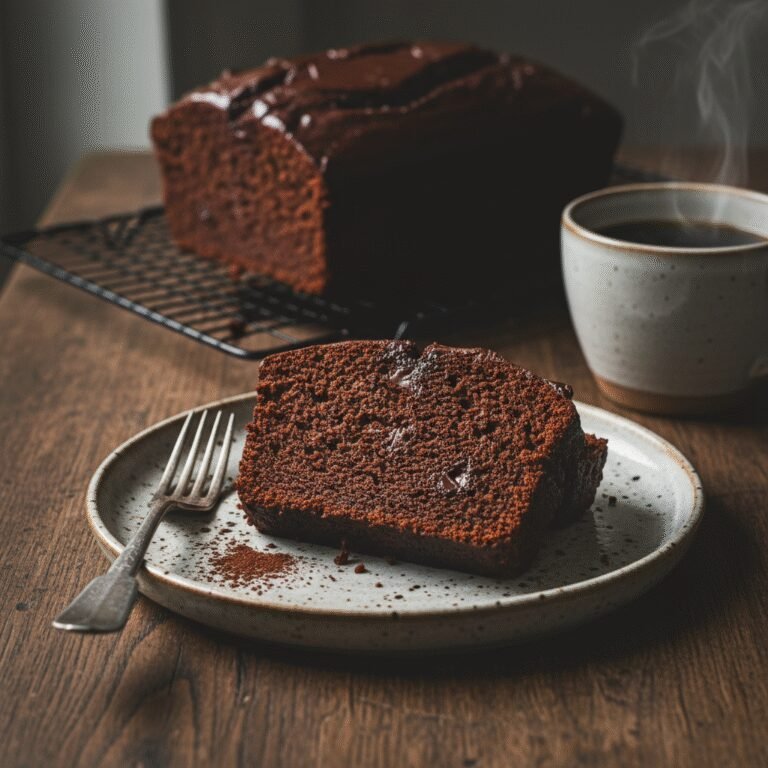
The Ultimate Moist Cream Cheese Pound Cake With Chocolate Chips
Moist Cream Cheese Pound Cake With Chocolate Chips Recipe
Discover the secret to the perfect pound cake: a rich cream cheese batter that creates an impossibly velvety crumb, studded with semi-sweet chocolate chips. This recipe transforms a classic Southern staple into a decadent, melt-in-your-mouth dessert that stays moist for days and is perfect for any celebration or cozy afternoon.
20 minutes
1 hour 20 minutes
1 hour 50 minutes
12-14 slices
Dessert
Baking
American
Vegetarian
There are few things in the baking world as comforting and universally loved as a classic pound cake, but when you introduce cream cheese into the batter, the game changes entirely. This Moist Cream Cheese Pound Cake with Chocolate Chips is not just a dessert; it is an experience in texture and flavor balance. Unlike airy sponge cakes or crumbly muffins, this pound cake boasts a dense, tight crumb that feels luxurious on the tongue, reminiscent of the high-quality cakes you might find in an upscale bakery or a grandmother’s Southern kitchen. The addition of cream cheese is the magic variable here—it adds a subtle tang that cuts through the sweetness of the sugar and the richness of the butter, while simultaneously ensuring the cake remains tender and moist long after it has cooled.
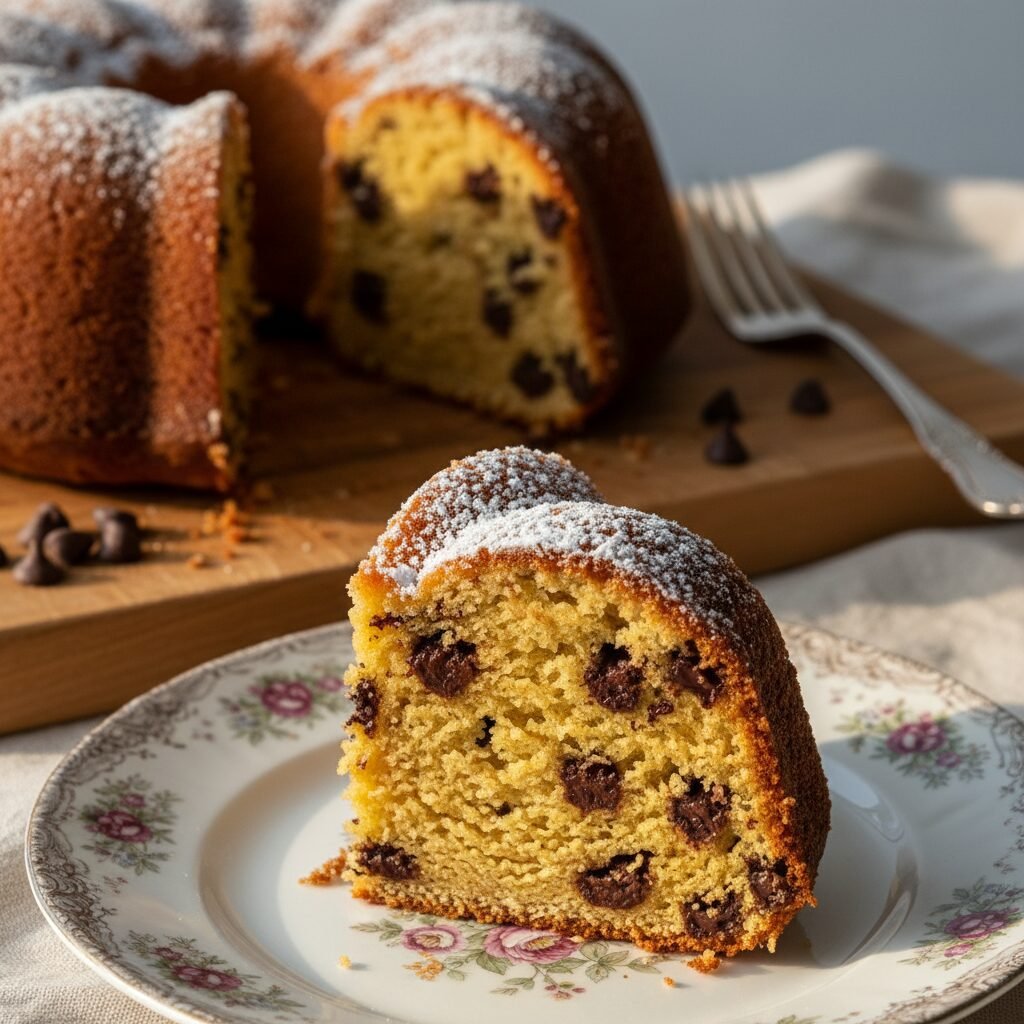
Every slice reveals a beautiful distribution of chocolate chips, providing a slight textural contrast and a burst of cocoa richness against the vanilla-scented, buttery backdrop. Whether you are a novice baker looking for a foolproof recipe or a seasoned pro searching for that ‘holy grail’ pound cake, this recipe delivers on all fronts. It is sturdy enough to hold up to travel for potlucks, elegant enough to serve at a dinner party with a dollop of whipped cream, and simple enough to enjoy with your morning coffee. We’ve optimized the ratios to prevent the dreaded dry crumb, ensuring that every bite is as succulent as the first. Prepare your bundt pan and soften your butter, because this is about to become the most requested recipe in your repertoire.
History & Origins
The history of the pound cake is as rich and dense as the cake itself, dating back to the early 1700s in Northern Europe. The name ‘pound cake’ was originally a literal instruction for illiterate bakers: the recipe called for one pound each of flour, butter, eggs, and sugar. This 1:1:1:1 ratio created a massive, heavy cake that could feed large families and keep for a long time without spoiling. As the recipe migrated to America, specifically the American South, it evolved. By the mid-19th century, leavening agents like baking soda and baking powder were introduced, allowing for a lighter texture, though the dense identity of the cake remained.
The introduction of cream cheese into the batter is a distinctly American innovation, likely gaining popularity in the mid-20th century alongside the rise of commercial cream cheese brands like Philadelphia. Southern bakers, known for their hospitality and rich desserts, discovered that substituting some of the butter or simply adding cream cheese to the mix created a cake with superior moisture retention and a finer crumb. This variation became a staple at church socials, funerals, and holiday gatherings. The addition of chocolate chips is a more modern twist, influenced by the invention of the chocolate chip by Ruth Wakefield in the 1930s. Combining the rustic, historical reliability of the pound cake with the creamy tang of modern dairy and the beloved chocolate chip created a hybrid dessert that bridges the gap between old-world tradition and modern indulgence.
Why This Recipe Works
This recipe succeeds where many others fail due to the specific science of the ingredients and the mixing method. First and foremost, the cream cheese acts as a ‘tenderizer.’ Cream cheese has a high fat content and a lower pH (acidity) than butter. This slight acidity helps to weaken the gluten strands in the flour, resulting in a crumb that is tender rather than tough or chewy. Furthermore, the water content in the cream cheese turns to steam during the long baking process, helping the cake rise slowly and evenly despite its density.
Secondly, the ‘creaming method’ utilized here is non-negotiable. By beating the room-temperature butter, cream cheese, and sugar together for a full 5-7 minutes, you are mechanically forcing air bubbles into the fat. These microscopic bubbles expand when heated, providing the primary lift for the cake. Without this step, the cake would be a heavy brick. Finally, we address the common issue of sinking chocolate chips. By tossing the chips in a small amount of flour before folding them into the batter, we create friction that holds the chips in suspension within the thick batter, ensuring they are distributed evenly throughout the cake rather than pooling at the bottom. The lower baking temperature (325°F instead of the standard 350°F) allows the heat to penetrate the center of this large, dense cake without burning the exterior, resulting in a perfectly golden crust.
Why You’ll Love This Recipe
- ✓Incredible moisture retention due to full-fat cream cheese.
- ✓Dense, velvety crumb that melts in your mouth.
- ✓Perfectly suspended chocolate chips in every bite.
- ✓Freezes beautifully for make-ahead convenience.
- ✓Classic vanilla flavor with a sophisticated tang.
- ✓Requires simple, pantry-staple ingredients.
Equipment You’ll Need
- ✓10-12 cup Bundt pan or Tube pan
- ✓Stand mixer with paddle attachment (or high-power hand mixer)
- ✓Large mixing bowl
- ✓Silicone spatula
- ✓Wire cooling rack
- ✓Measuring cups and spoons
- ✓Sifter or fine-mesh sieve
Ingredients
- ✓1 1/2 cups (3 sticks) unsalted butter, softened to room temperature
- ✓8 oz (1 block) full-fat cream cheese, softened to room temperature
- ✓3 cups granulated sugar
- ✓6 large eggs, room temperature
- ✓1 tablespoon pure vanilla extract
- ✓3 cups cake flour (spooned and leveled)
- ✓1/2 teaspoon salt
- ✓1 1/2 cups semi-sweet chocolate chips
- ✓1 tablespoon all-purpose flour (for coating chips)
Instructions
- Preheat your oven to 325°F (163°C). Thoroughly grease and flour a 10-12 cup Bundt pan. Ensure you get into every crevice to prevent sticking. Alternatively, use a baking spray that contains flour.
- In the bowl of a stand mixer fitted with the paddle attachment, combine the softened butter and softened cream cheese. Beat on medium-high speed for about 2 minutes until smooth and well combined.
- Gradually add the granulated sugar to the butter mixture. Continue beating on medium-high speed for 5 to 7 minutes. The mixture should look pale, fluffy, and almost white in color. This aeration is crucial for the cake’s texture.
- Reduce the mixer speed to medium-low. Add the eggs one at a time, mixing just until the yellow yolk disappears before adding the next. Scrape down the sides and bottom of the bowl with a spatula as needed to ensure even mixing.
- Stir in the vanilla extract.
- In a separate bowl, sift together the cake flour and salt. With the mixer on the lowest speed, gradually add the flour mixture to the wet ingredients. Mix only until the flour streaks disappear. Do not overmix at this stage, or the cake will be tough.
- In a small bowl, toss the chocolate chips with the 1 tablespoon of all-purpose flour until they are lightly coated. This prevents them from sinking.
- Gently fold the flour-coated chocolate chips into the batter using a silicone spatula or wooden spoon.
- Pour the batter into the prepared Bundt pan and smooth the top with your spatula. Tap the pan firmly on the counter two or three times to release any large air bubbles.
- Bake for 70 to 85 minutes. The baking time can vary based on your oven and pan color. Start checking at 70 minutes. The cake is done when a long skewer inserted into the thickest part comes out clean or with just a few moist crumbs attached.
- Remove the cake from the oven and let it cool in the pan on a wire rack for exactly 15-20 minutes. Do not let it cool completely in the pan, or it may stick.
- Invert the cake onto the wire rack to cool completely before slicing. The flavor and texture are best after the cake has rested for several hours.
Expert Cooking Tips
- ✓Room Temperature is Key: The butter, cream cheese, and eggs MUST be at room temperature to emulsify properly. If they are cold, the batter will curdle.
- ✓Don’t Skimp on Creaming: Beating the butter, cheese, and sugar for the full 5-7 minutes creates the structure. Don’t rush this step.
- ✓Spoon and Level Flour: Don’t scoop flour directly with the measuring cup, as this packs it down and leads to a dry cake. Spoon it into the cup and level it off.
- ✓Grease Well: Bundt pans are notorious for sticking. Use a pastry brush to ensure every nook is coated with shortening/flour or baking spray.
- ✓Cooling Time: Let the cake rest in the pan for about 15-20 minutes. If you flip it too soon, it might break; too late, and the sugars will solidify and stick to the pan.
Substitutions and Variations
While baking is chemistry and requires precision, there are a few safe substitutions for this recipe. If you do not have cake flour, you can make your own by measuring 3 cups of all-purpose flour, removing 6 tablespoons, and replacing them with 6 tablespoons of cornstarch; sift together twice. For the fat, stick to unsalted butter, but if you only have salted, reduce the added salt in the recipe to 1/4 teaspoon. Do not substitute the butter with margarine or oil, as the texture will suffer significantly. Regarding the cream cheese, full-fat block style is mandatory; do not use ‘tub’ cream cheese or whipped varieties as they contain too much air and water. Low-fat cream cheese can be used, but the cake will be less rich. You can swap semi-sweet chocolate chips for milk chocolate, dark chocolate chunks, or even peanut butter chips depending on your preference. Chopped nuts like pecans or walnuts can also be added alongside the chips.
Common Mistakes to Avoid
The most common mistake is using cold ingredients. When cold eggs hit creamed butter, the fat solidifies, breaking the emulsion and resulting in a dense, greasy cake. Another major error is overmixing after adding the flour. Once the flour hits the liquid, gluten begins to form. If you beat it too vigorously, you will end up with a tough, bread-like texture instead of a tender crumb. Opening the oven door too early is another pitfall; the rush of cold air can cause the cake to collapse in the center. Only open the oven after the minimum bake time (70 minutes) has passed. Finally, using an old or dark-colored Bundt pan can cause the outside to burn before the inside is cooked. If using a dark pan, reduce oven temperature by 25°F.
Serving Suggestions
This cake is incredibly rich on its own, so it needs little embellishment. However, a simple dusting of powdered sugar adds an elegant finish. For a more decadent dessert, serve warm slices with a scoop of vanilla bean ice cream or a dollop of freshly whipped cream. Fresh berries, such as strawberries or raspberries, provide a nice acidic contrast to the sweet, dense cake. It pairs exceptionally well with hot coffee or a cold glass of milk. If you want to dress it up for a holiday, a simple ganache drizzle (equal parts heavy cream and chocolate) looks stunning.
Storage and Reheating Tips
Pound cake actually improves in flavor and texture the day after baking as the moisture redistributes. Store the completely cooled cake in an airtight container or under a cake dome at room temperature for up to 4 days. If you live in a very hot or humid climate, you may store it in the refrigerator for up to a week, but bring it to room temperature before serving for the best texture. Freezing is an excellent option: wrap individual slices or the whole cake tightly in plastic wrap, then a layer of aluminum foil. It will keep in the freezer for up to 3 months. Thaw on the counter overnight.
Nutrition Facts (Estimated)
| Serving Size | 1 slice |
| Calories | 580 |
| Fat | 32g |
| Saturated Fat | 19g |
| Unsaturated Fat | 11g |
| Trans Fat | 0g |
| Cholesterol | 115mg |
| Sodium | 280mg |
| Carbohydrates | 68g |
| Fiber | 2g |
| Sugar | 42g |
| Protein | 7g |
Frequently Asked Questions
Why did my chocolate chips sink to the bottom?
This usually happens if the batter is too thin or the chips are too heavy and slick. Coating the chips in a tablespoon of flour provides friction, helping them ‘grip’ the batter. Also, ensure your batter is thick by not over-mixing or letting the butter get too warm and oily.
Can I bake this in loaf pans instead of a Bundt pan?
Yes, this recipe yields a large amount of batter. It can be divided into two 9×5 inch loaf pans. The baking time will likely be reduced to 50-60 minutes. Check for doneness early.
Why does my pound cake have a cracked top?
A cracked top is actually characteristic of a good pound cake! It indicates the batter is dense and the crust formed while the cake was still rising. It’s rustic and normal. However, if the crack is excessive, your oven temperature might be too high.
My cake is dry, what went wrong?
Dryness is usually caused by over-baking or measuring flour incorrectly. Always spoon and level your flour rather than scooping. Also, check your oven temperature with an external thermometer to ensure it isn’t running hot.
Can I use self-rising flour?
It is not recommended. This recipe relies on the air beaten into the eggs and butter for lift, and self-rising flour contains baking powder and salt in ratios that might throw off the flavor and rise of this specific dense cake.
How do I know when the cake is truly done?
The skewer test is best. Insert a long wooden skewer into the deepest part of the cake. It should come out clean or with a few moist crumbs. If it has wet batter, it needs more time. If the top is browning too fast, tent it with foil.
Can I reduce the sugar?
Sugar does more than sweeten; it provides moisture and tenderness. Reducing the sugar significantly will alter the texture, making the cake tougher and drier. We recommend sticking to the recipe for the best structural results.
Why is there a gummy streak at the bottom of my cake?
This is often called a ‘sad streak.’ It can happen if the cake was underbaked, or if the eggs and butter weren’t properly emulsified (usually because they were cold). It can also happen if the cake was cooled in the pan for too long, causing condensation.
Conclusion
This Moist Cream Cheese Pound Cake with Chocolate Chips is a testament to the power of simple, high-quality ingredients coming together to create something magical. It’s a recipe that demands a little patience during the mixing process, but rewards you with a texture and flavor that store-bought cakes simply cannot replicate. Whether you are baking for a holiday table, a neighborhood potluck, or just to have a sweet treat on the counter for the family, this pound cake is guaranteed to bring smiles. Don’t forget to save a slice for yourself to enjoy with your morning coffee—it might just be the best part of your day. Happy baking!