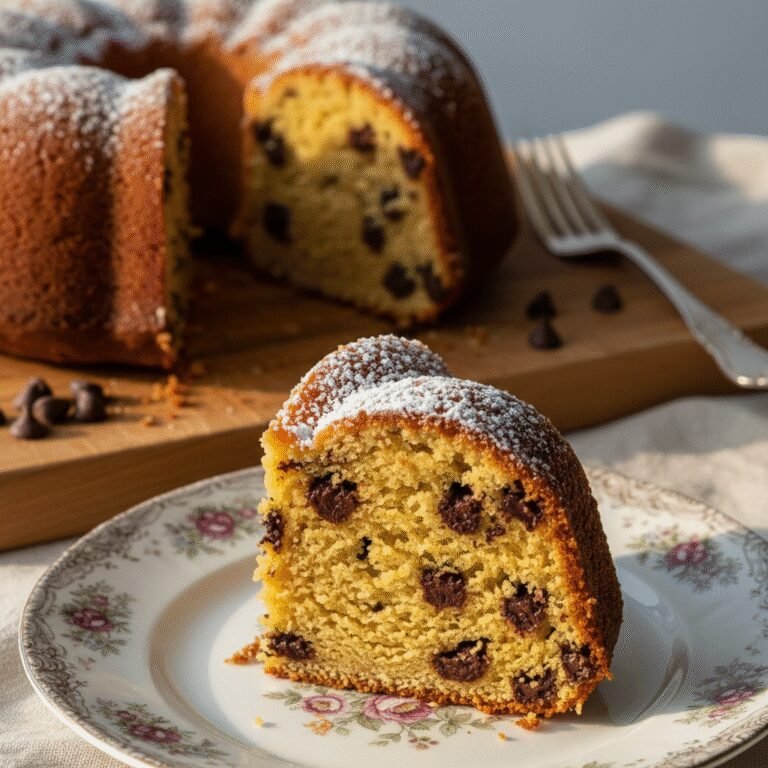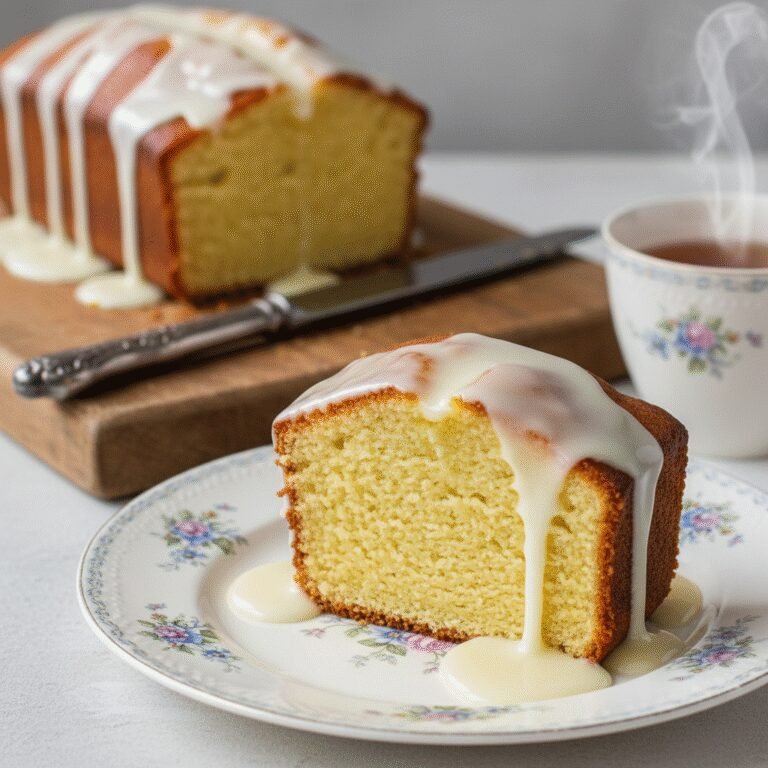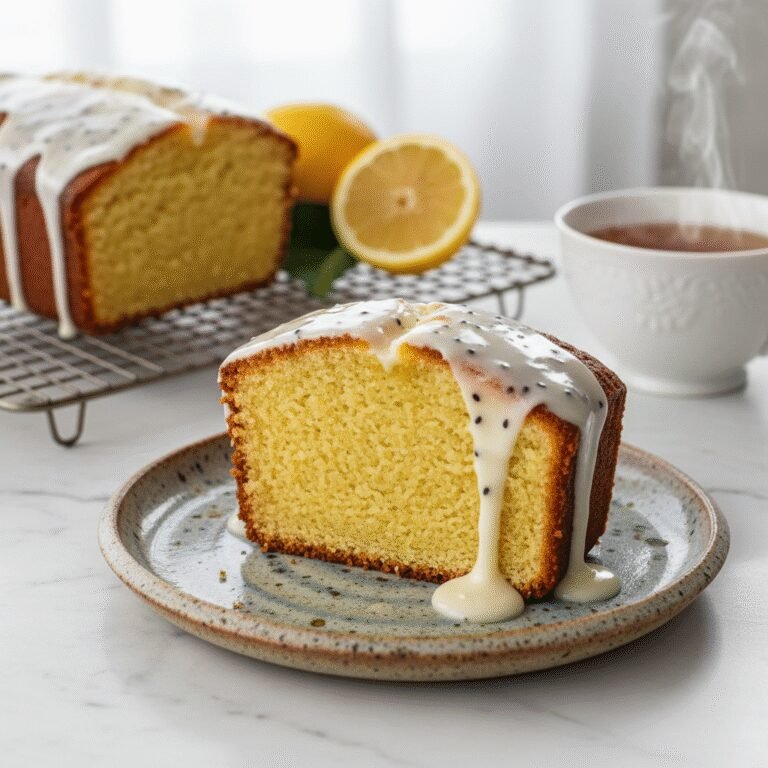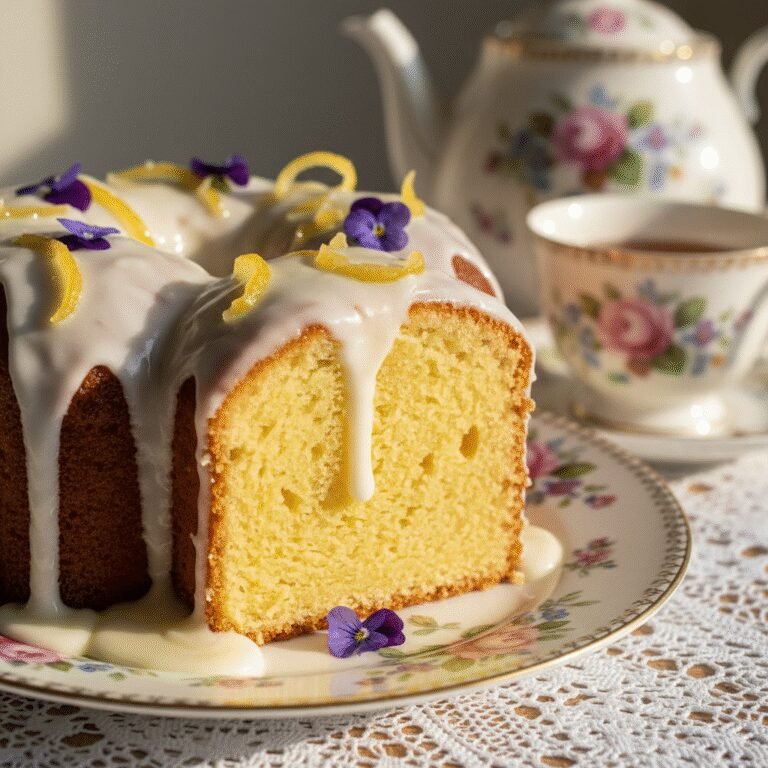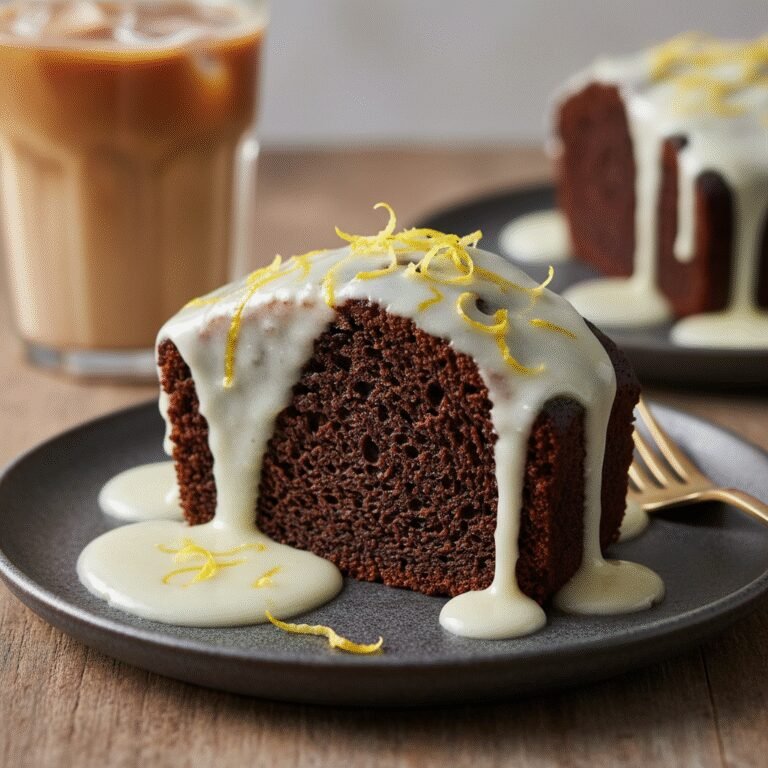
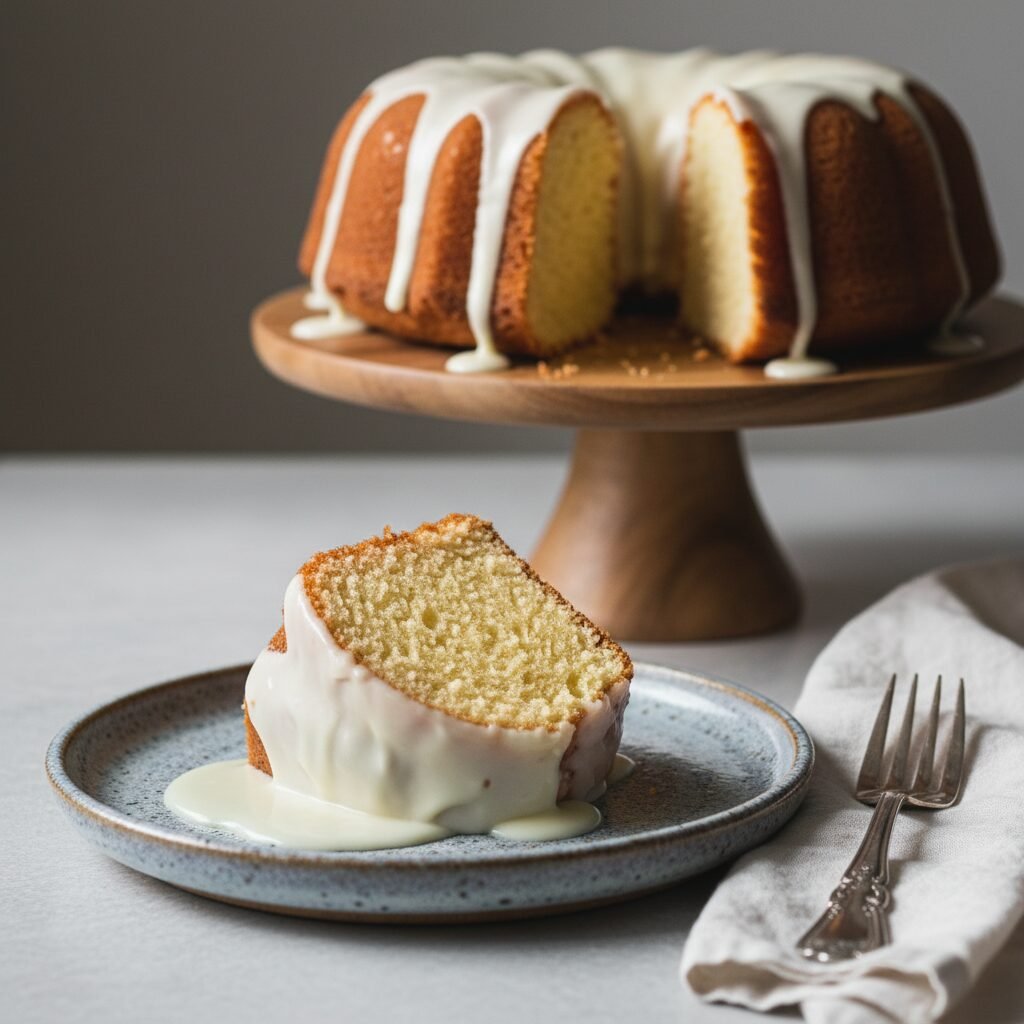
The Ultimate Moist Cream Cheese Pound Cake With Vanilla Glaze
Moist Cream Cheese Pound Cake With Vanilla Glaze Recipe
Experience the velvety texture of this classic Southern dessert. This Moist Cream Cheese Pound Cake is dense, buttery, and topped with a silky vanilla glaze that makes it the perfect centerpiece for any gathering or a cozy afternoon treat.
20 minutes
1 hour 20 minutes
1 hour 40 minutes
12-14 servings
Dessert
Baking
American (Southern)
Vegetarian
There are few things in the baking world as comforting, reliable, and universally adored as a classic pound cake. But not just any pound cake—I’m talking about the kind that carries a weight to it, a dense, velvety crumb that melts on your tongue, enriched with the tang and creaminess of cream cheese. This Moist Cream Cheese Pound Cake with Vanilla Glaze is the crown jewel of my baking repertoire. It is the sort of recipe that evokes memories of Sunday afternoons at Grandma’s house, where the smell of vanilla and browning butter would waft through the hallways, promising a slice of heaven.
What sets this cake apart is its incredibly tight, moist crumb. Unlike airy sponge cakes, a cream cheese pound cake is substantial. It holds its own against a cup of strong coffee or tea, yet it remains tender enough to slice like butter. The flavor profile is a sophisticated balance of sweet and tangy, thanks to the high ratio of cream cheese and butter. The vanilla glaze isn’t just an afterthought; it’s a cascading ribbon of sweetness that seeps slightly into the golden crust, adding a textural contrast that is simply divine. Whether you are a seasoned baker or a novice looking to impress, this recipe delivers a bakery-quality result right in your home kitchen. It’s a celebration of simple ingredients coming together to create something truly majestic.
History & Origins
The history of the pound cake dates back to the early 1700s in Northern Europe. The original recipe was incredibly easy to remember because it called for exactly one pound of each of four ingredients: flour, butter, eggs, and sugar. This 1:1:1:1 ratio created a dense, heavy cake that could feed a crowd and kept well for days, making it a practical choice for families before the advent of modern preservation methods. As the recipe migrated to America, particularly the Southern states, bakers began to experiment with leavening agents and additional fats to modify the texture.
The introduction of cream cheese into the batter is a distinctly American innovation, likely gaining popularity in the mid-20th century when cream cheese became a household staple. Southern bakers discovered that substituting some of the butter or simply adding cream cheese to the mix resulted in a cake that was significantly moister and had a finer grain than the traditional recipe. This variation became a staple at church potlucks, holiday gatherings, and family reunions across the South. It represents a shift from the utilitarian ‘pound’ concept to a focus on luxury and texture. Today, the Cream Cheese Pound Cake is regarded as a soul-warming classic, a testament to the evolution of home baking where the goal shifted from mere sustenance to pure, indulgent pleasure.
Why This Recipe Works
This recipe works because it scientifically balances fat, sugar, and structure to create the perfect crumb. The secret weapon here is, of course, the cream cheese. While butter provides flavor and tenderness, cream cheese adds a unique density and moisture content that butter alone cannot achieve. The acidity in the cream cheese also helps to tenderize the gluten strands in the flour, preventing the cake from becoming tough or rubbery, even with the long bake time required for such a dense batter.
Furthermore, we utilize the ‘creaming method’ to incorporate air. By beating the butter, cream cheese, and sugar together until pale and fluffy, we create a network of tiny air bubbles. During baking, these bubbles expand, lifting the heavy batter just enough to make it palatable without losing that signature pound cake density. We also use cake flour or a mix of all-purpose and cornstarch, which lowers the protein content compared to bread flour, ensuring a soft, velvety texture. Finally, baking at a slightly lower temperature (325°F instead of 350°F) allows the heat to penetrate the center of this thick cake without burning the exterior, ensuring an even, golden crust and a perfectly cooked interior.
Why You’ll Love This Recipe
- ✓Incredibly moist and dense texture thanks to full-fat cream cheese.
- ✓Rich, buttery flavor with a subtle tang.
- ✓Stays fresh for days, often tasting better the next day.
- ✓Simple, pantry-staple ingredients.
- ✓Versatile vanilla glaze that can be customized with lemon or almond.
- ✓Perfect for freezing and making ahead of time.
Equipment You’ll Need
- ✓Bundt pan or Tube pan (10-12 cup capacity)
- ✓Stand mixer or electric hand mixer
- ✓Large mixing bowl
- ✓Rubber spatula
- ✓Cooling rack
- ✓Measuring cups and spoons
- ✓Whisk
Ingredients
- ✓1 ½ cups (3 sticks) unsalted butter, softened to room temperature
- ✓8 oz block full-fat cream cheese, softened to room temperature
- ✓3 cups granulated sugar
- ✓6 large eggs, room temperature
- ✓1 tablespoon pure vanilla extract
- ✓3 cups cake flour (sifted)
- ✓½ teaspoon salt
- ✓2 cups powdered sugar (for glaze)
- ✓3-4 tablespoons whole milk (for glaze)
- ✓1 teaspoon vanilla extract (for glaze)
Instructions
- Preheat your oven to 325°F (163°C). Thoroughly grease and flour a 10-12 cup Bundt pan or tube pan. Ensure every nook and cranny is coated to prevent sticking.
- In the bowl of a stand mixer fitted with the paddle attachment, beat the softened butter and cream cheese on medium-high speed for about 2 minutes until smooth and creamy.
- Gradually add the granulated sugar, about ½ cup at a time, while continuing to beat the mixture. Once all sugar is added, beat on high speed for 5-7 minutes. The mixture should look pale, fluffy, and almost white.
- Reduce the mixer speed to medium-low. Add the eggs one at a time, mixing just until the yellow disappears after each addition. Do not overbeat at this stage.
- Stir in the vanilla extract.
- Reduce the mixer speed to low. Gradually add the sifted cake flour and salt. Mix only until the flour streaks disappear. Use a rubber spatula to scrape the bottom and sides of the bowl and give it one final gentle fold by hand to ensure everything is incorporated without overworking the gluten.
- Pour the batter into the prepared pan and smooth the top with the spatula. Tap the pan gently on the counter a few times to release any large air bubbles.
- Bake for 1 hour and 15 minutes to 1 hour and 30 minutes. Test for doneness by inserting a long wooden skewer into the center; it should come out clean or with just a few moist crumbs attached.
- Remove from the oven and let the cake cool in the pan on a wire rack for exactly 20 minutes. This resting period is crucial for the cake to set.
- Invert the cake onto the wire rack to cool completely before glazing.
- To make the glaze: Whisk together powdered sugar, milk, and vanilla extract in a small bowl until smooth. Adjust consistency with more milk or sugar as needed.
- Drizzle the glaze over the completely cooled cake and let it set for 15 minutes before slicing.
Expert Cooking Tips
- ✓Room Temperature is Non-Negotiable: Your butter, cream cheese, and eggs must be at room temperature to emulsify properly. Cold ingredients will curdle the batter.
- ✓Don’t Skimp on the Creaming: The 5-7 minutes of beating the butter, cheese, and sugar creates the structure. Don’t rush this step.
- ✓Measure Flour Correctly: Spoon the flour into the measuring cup and level it off. Scooping directly packs the flour and leads to a dry cake.
- ✓Cooling Time: Do not try to remove the cake from the pan too early, or it may break. 20 minutes is the magic number.
- ✓Greasing the Pan: Use a baking spray with flour included, or use shortening followed by a dusting of flour for the best release.
- ✓Oven Thermometer: Home ovens vary. Use an oven thermometer to ensure you are actually baking at 325°F.
Substitutions and Variations
If you do not have cake flour, you can make your own by removing 2 tablespoons of all-purpose flour from every cup and replacing it with 2 tablespoons of cornstarch; sift well to combine. You can substitute the vanilla extract with almond extract or lemon extract for a different flavor profile. For the glaze, you can use heavy cream instead of milk for a thicker, whiter finish, or lemon juice for a citrusy zing. While this recipe calls for unsalted butter, you can use salted butter; just omit the additional ½ teaspoon of salt in the dry ingredients. Do not substitute low-fat cream cheese or tub cream cheese; you need the block-style, full-fat version for the correct structure.
Common Mistakes to Avoid
The most common mistake is opening the oven door too early, which can cause the heavy cake to collapse in the center. Resist the urge to peek until at least an hour has passed. Another error is overmixing the batter after adding the flour; this develops too much gluten and results in a tough, bread-like texture rather than a velvety cake. Finally, using cold ingredients is a recipe for disaster; the batter will break and the cake won’t rise evenly. Ensure your butter is soft but not melted—if it’s oily, it’s too warm.
Serving Suggestions
This cake is stunning on its own, but it pairs beautifully with fresh berries like strawberries, raspberries, or blueberries to cut through the richness. A dollop of freshly whipped cream or a scoop of vanilla bean ice cream makes it an indulgent dessert. For a breakfast twist, serve a slice lightly toasted with a smear of butter alongside hot coffee. It is excellent for holidays, potlucks, or as a comforting gift for a neighbor.
Storage and Reheating Tips
Cream Cheese Pound Cake actually tastes better the next day as the flavors meld and the moisture redistributes. Store the cake in an airtight cake keeper or wrap it tightly in plastic wrap at room temperature for up to 3 days. For longer storage, keep it in the refrigerator for up to a week, but bring it to room temperature before serving for the best texture. To freeze, wrap individual slices or the whole cake in plastic wrap followed by aluminum foil. It freezes well for up to 3 months. Thaw on the counter before enjoying.
Nutrition Facts (Estimated)
| Serving Size | 1 slice |
| Calories | 480 |
| Fat | 26g |
| Saturated Fat | 16g |
| Unsaturated Fat | 8g |
| Trans Fat | 0.5g |
| Cholesterol | 115mg |
| Sodium | 210mg |
| Carbohydrates | 58g |
| Fiber | 1g |
| Sugar | 35g |
| Protein | 6g |
Frequently Asked Questions
Why did my pound cake fall in the middle?
This usually happens if the cake was underbaked or if the oven door was opened too early during the baking process. It can also result from over-creaming the sugar and butter, incorporating too much air that the structure can’t support.
Can I bake this in a loaf pan instead of a bundt pan?
Yes, but you will need two 9×5 inch loaf pans. The baking time will likely reduce to 55-65 minutes. Keep a close eye on them and test with a skewer.
Why is my crust hard and thick?
A hard crust is often caused by an oven temperature that is too high or a pan that is too dark in color (which absorbs heat faster). Verify your oven temp is 325°F.
Can I add nuts or chocolate chips?
Absolutely. You can fold in up to 1 cup of nuts or chips. Toss them in a tablespoon of flour before adding to the batter to prevent them from sinking to the bottom.
What if I don’t have a stand mixer?
An electric hand mixer works perfectly fine. It might take a few minutes longer to achieve the pale, fluffy texture during the creaming stage, so be patient.
Is it necessary to sift the flour?
Yes, especially with cake flour which tends to clump. Sifting ensures a smooth batter and a fine crumb texture.
Can I use low-fat cream cheese?
I strongly advise against it. Low-fat cream cheese has a higher water content and different stabilizers that can negatively affect the texture and stability of the cake.
How do I know exactly when it’s done?
The skewer test is best. Insert it into the deepest part of the cake. It shouldn’t be wet batter, but a few moist crumbs are okay. The cake will also start to pull away slightly from the sides of the pan.
Conclusion
There you have it—the secret to the most indulgent, melt-in-your-mouth Moist Cream Cheese Pound Cake you will ever taste. It is a recipe that demands a little patience with the mixing and baking, but rewards you tenfold with every bite. Whether you are celebrating a special occasion or simply need a pick-me-up during the week, this cake is sure to become a cherished favorite in your home. Don’t forget to share your results on Pinterest and tag us; we love seeing your beautiful creations coming to life!