The Ultimate Moist Cream Cheese Pound Cake: A Southern Classic
Moist Cream Cheese Pound Cake Recipe
Discover the secret to the most velvety, melt-in-your-mouth pound cake you will ever taste. This Southern-style Cream Cheese Pound Cake recipe guarantees a dense, moist crumb and a perfectly golden crust that keeps everyone coming back for seconds.
20 minutes
1 hour 20 minutes
1 hour 40 minutes
12-16 servings
Dessert
Baking
American / Southern
Vegetarian
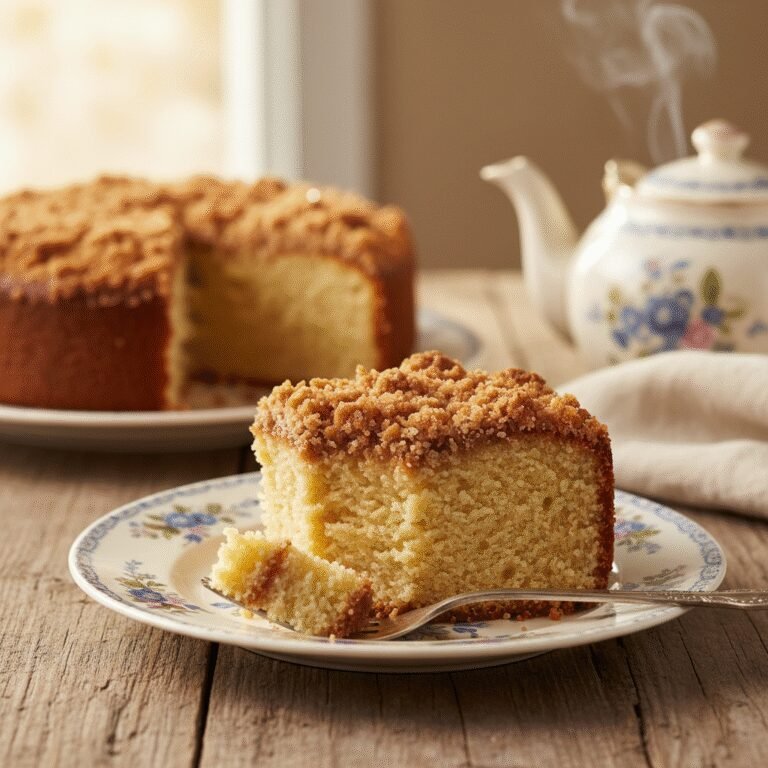
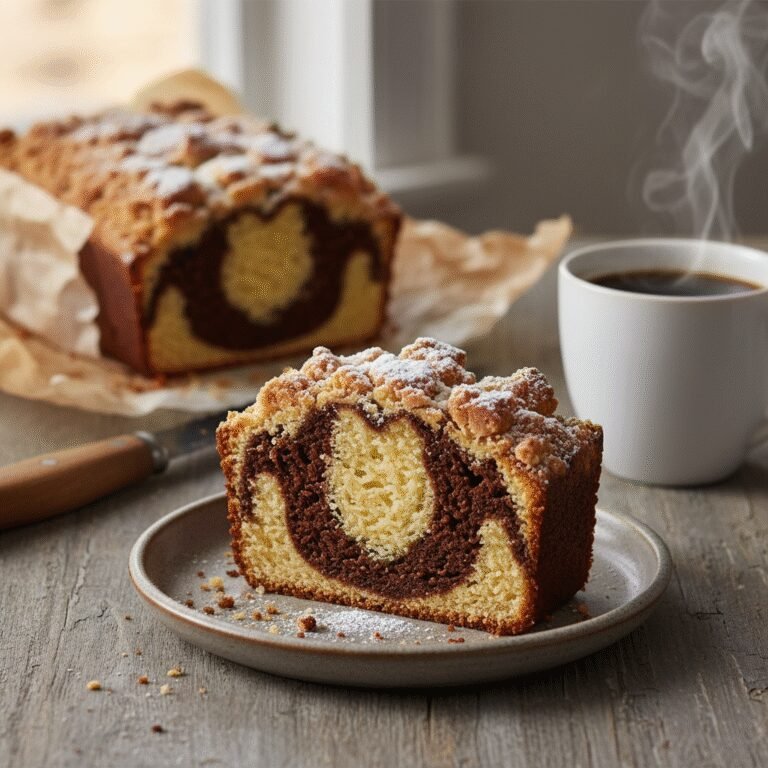
There are few things in the baking world as nostalgic and comforting as a classic pound cake, but when you introduce cream cheese into the batter, you elevate a humble dessert into a masterpiece of texture and flavor. This Moist Cream Cheese Pound Cake is the kind of recipe that gets passed down through generations, scribbled on index cards and guarded like a family heirloom. Unlike lighter, airy sponge cakes, this cake boasts a tight, velvety crumb that is undeniably dense yet incredibly tender. The addition of cream cheese does more than just add a subtle tang; it transforms the fat structure of the cake, resulting in a richness that butter alone simply cannot achieve. As it bakes, your kitchen will fill with the intoxicating aroma of vanilla and caramelized sugar, promising a treat that is perfect for morning coffee, afternoon tea, or a decadent midnight snack. Whether you are a seasoned baker or a novice in the kitchen, this recipe is designed to be foolproof, provided you follow the crucial steps of temperature management and mixing. We are moving beyond the dry, crumbly store-bought versions and diving deep into a homemade delight that stays moist for days. The golden-brown crust, slightly crisp and sugary, gives way to an interior so buttery and smooth it practically dissolves on your tongue. Get ready to bake the best cake of your life.
History & Origins
The history of the pound cake is as rich as its flavor, dating back to the early 1700s in Northern Europe. The name ‘pound cake’ was originally a literal instruction for illiterate bakers: the recipe called for one pound each of flour, butter, eggs, and sugar. This 1:1:1:1 ratio created a massive, dense cake that could feed a crowd and kept well for long periods, which was essential in the days before refrigeration. As the recipe migrated to America, particularly the American South, it evolved. By the mid-19th century, bakers began experimenting with leavening agents like baking soda and powder to lighten the texture, though purists still relied solely on the aeration of eggs and butter. The introduction of cream cheese into the batter is a relatively modern twist, likely gaining popularity in the mid-20th century when processed cream cheese became a household staple in the United States. Southern bakers, known for their hospitality and love of rich desserts, embraced this addition enthusiastically. The acidity in the cream cheese helped tenderize the gluten strands in the flour, while the extra fat content ensured the cake remained moist in the hot, humid Southern climate. Today, the Cream Cheese Pound Cake is a staple at church potlucks, holiday gatherings, and family reunions across the South, representing a perfect marriage of European tradition and American innovation. It stands as a testament to the idea that even the most classic recipes can be improved with a little creativity and a lot of love.
Why This Recipe Works
This recipe succeeds where others fail primarily due to the science of emulsion and the specific properties of cream cheese. In a traditional pound cake, butter is the sole fat source. While delicious, butter contains water (about 16-18%), which turns to steam and creates lift, but can sometimes dry out the crumb if overbaked. Cream cheese, however, adds not just fat but also milk solids and a unique acidity. This acidity reacts slightly with the proteins in the flour and eggs, softening the gluten network and resulting in a ‘short’ texture—baker-speak for tender and melt-in-your-mouth. Furthermore, the method of creaming the butter, cream cheese, and sugar together for an extended period (a full 5 to 7 minutes) is critical. This process mechanically forces air bubbles into the fat mixture. These microscopic bubbles are then encased by the egg proteins and expand gently in the oven. Because this recipe uses a high ratio of sugar, the crust caramelizes beautifully thanks to the Maillard reaction, creating a delightful textural contrast between the crisp exterior and the creamy interior. Finally, starting with a cold oven—a technique favored by many old-school Southern bakers—allows the cake to rise slowly and evenly, developing that iconic dense crust without burning the outside before the inside is cooked.
Why You’ll Love This Recipe
- ✓Incredibly dense and velvety texture due to cream cheese
- ✓Stays moist for days, making it perfect for making ahead
- ✓Rich, buttery flavor with a hint of vanilla and tang
- ✓Forms a perfect, golden-brown sugary crust
- ✓Versatile base that pairs well with berries, whipped cream, or chocolate
- ✓Freezes beautifully for up to 3 months
Equipment You’ll Need
- ✓Bundt pan or Tube pan (10-12 cup capacity)
- ✓Stand mixer or electric hand mixer
- ✓Rubber spatula
- ✓Measuring cups and spoons
- ✓Wire cooling rack
- ✓Sifter
Ingredients
- ✓1 1/2 cups (3 sticks) unsalted butter, softened to room temperature
- ✓8 oz (1 block) full-fat cream cheese, softened to room temperature
- ✓3 cups granulated sugar
- ✓6 large eggs, room temperature
- ✓3 cups cake flour (sifted)
- ✓1 teaspoon salt
- ✓2 teaspoons pure vanilla extract
- ✓1/2 teaspoon almond extract (optional)
Instructions
- Preheat your oven to 325°F (163°C). Thoroughly grease your Bundt pan with butter or shortening, then dust with flour, tapping out the excess. Alternatively, use a baking spray that contains flour.
- In the bowl of a stand mixer fitted with the paddle attachment, combine the softened butter and softened cream cheese. Beat on medium speed until smooth and creamy, about 2 minutes.
- Gradually add the granulated sugar to the butter mixture. Increase the speed to medium-high and beat for 5 to 7 minutes. The mixture should look pale, fluffy, and almost white. Scrape down the sides of the bowl frequently.
- Add the eggs one at a time, beating well after each addition. Ensure each egg is fully incorporated before adding the next. This prevents the batter from curdling.
- Stir in the vanilla extract and almond extract (if using).
- Reduce the mixer speed to low. Gradually add the sifted cake flour and salt to the wet ingredients. Mix only until the flour disappears. Do not overmix at this stage, or the cake will be tough.
- Remove the bowl from the mixer and give the batter a final gentle fold with a rubber spatula to ensure no flour pockets remain at the bottom.
- Pour the batter into the prepared Bundt pan. Smooth the top with the spatula. Tap the pan on the counter 2-3 times to release any large air bubbles.
- Bake in the preheated oven for 1 hour and 15 minutes to 1 hour and 30 minutes. The cake is done when a long skewer inserted into the center comes out clean or with just a few moist crumbs attached.
- Allow the cake to cool in the pan on a wire rack for exactly 10 to 15 minutes. Then, invert the pan onto the rack to release the cake. Let it cool completely before slicing.
Expert Cooking Tips
- ✓Room temperature ingredients are non-negotiable; cold dairy will cause the batter to curdle.
- ✓Do not skimp on the creaming time; this is the only way to incorporate air since there is no baking powder.
- ✓Measure flour correctly by spooning it into the cup and leveling it off, rather than scooping directly.
- ✓Use cake flour for a finer, softer crumb; all-purpose flour works but yields a heavier cake.
- ✓Grease every nook and cranny of the Bundt pan to ensure a perfect release.
- ✓If the top browns too quickly while baking, tent it loosely with aluminum foil after 45 minutes.
- ✓Letting the cake cool in the pan for too long can cause it to stick; stick to the 10-15 minute window.
Substitutions and Variations
While the classic recipe is best, there are several substitutions you can make in a pinch. If you do not have cake flour, you can make your own by measuring 1 cup of all-purpose flour, removing 2 tablespoons, and replacing them with 2 tablespoons of cornstarch. Sift this mixture twice to aerate it. For the fat, strictly use real butter; margarine contains too much water and will affect the structure. However, you can swap the almond extract for lemon extract or even a tablespoon of rum for a different flavor profile. If you want to reduce the sugar slightly, you can drop it to 2.5 cups, but the crust may not be as crunchy. Do not substitute low-fat or whipped cream cheese; you need the density and fat content of the brick-style full-fat cream cheese for the correct texture.
Common Mistakes to Avoid
The most common mistake is using cold ingredients. If your butter, eggs, or cream cheese are cold, they will not emulsify properly, leading to a dense, greasy cake or a broken batter. Another frequent error is overmixing the flour. Once the flour hits the wet ingredients, gluten development begins. Mixing too vigorously will result in a tough, rubbery cake rather than a tender one. Additionally, opening the oven door too early can cause the cake to collapse. Pound cakes are heavy and need time to set their structure; try to resist checking until at least an hour has passed. Finally, failing to grease the Bundt pan thoroughly is a tragedy waiting to happen. Bundt pans have intricate designs where cake loves to stick, so be generous with your greasing method.
Serving Suggestions
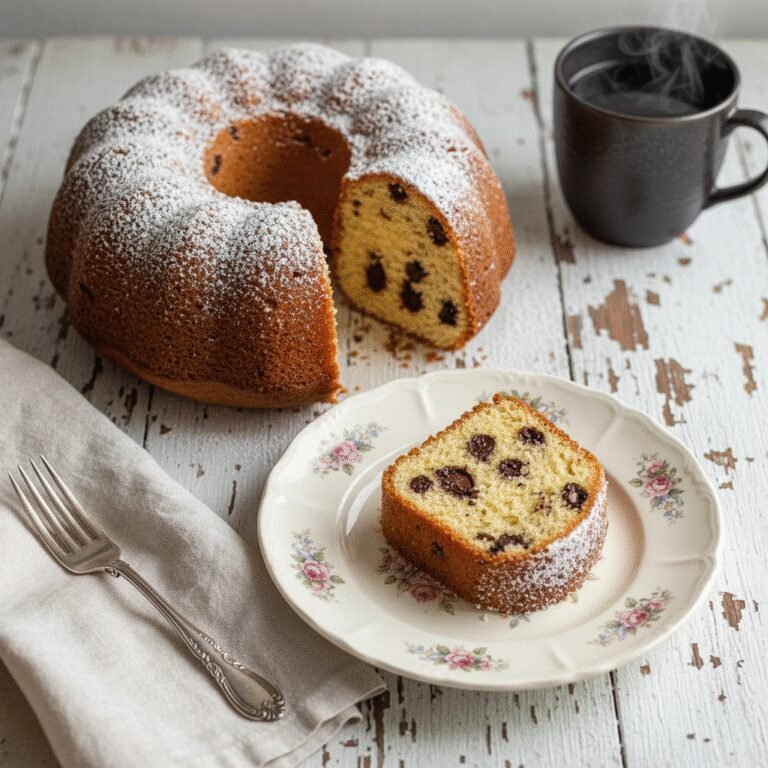
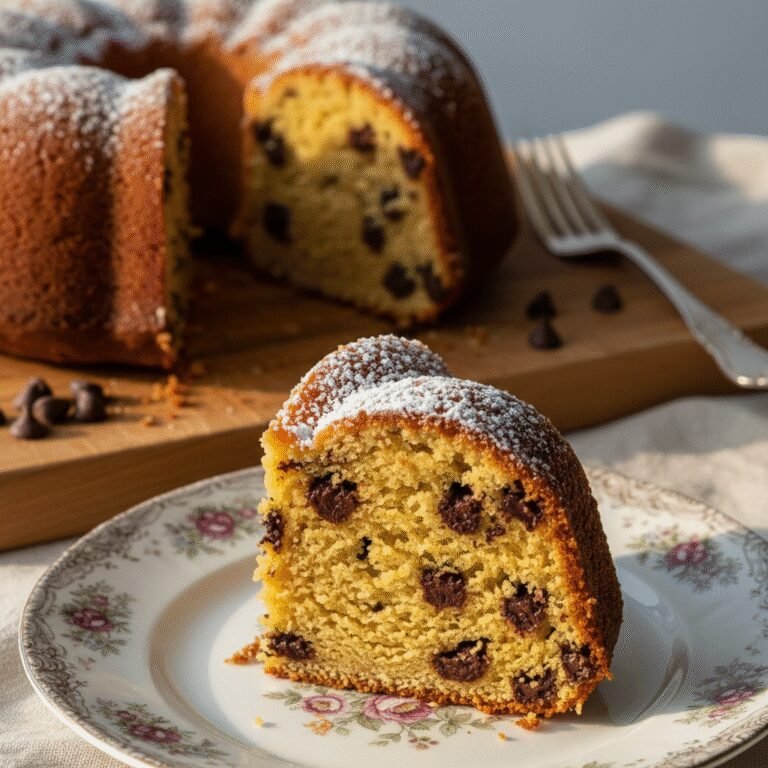
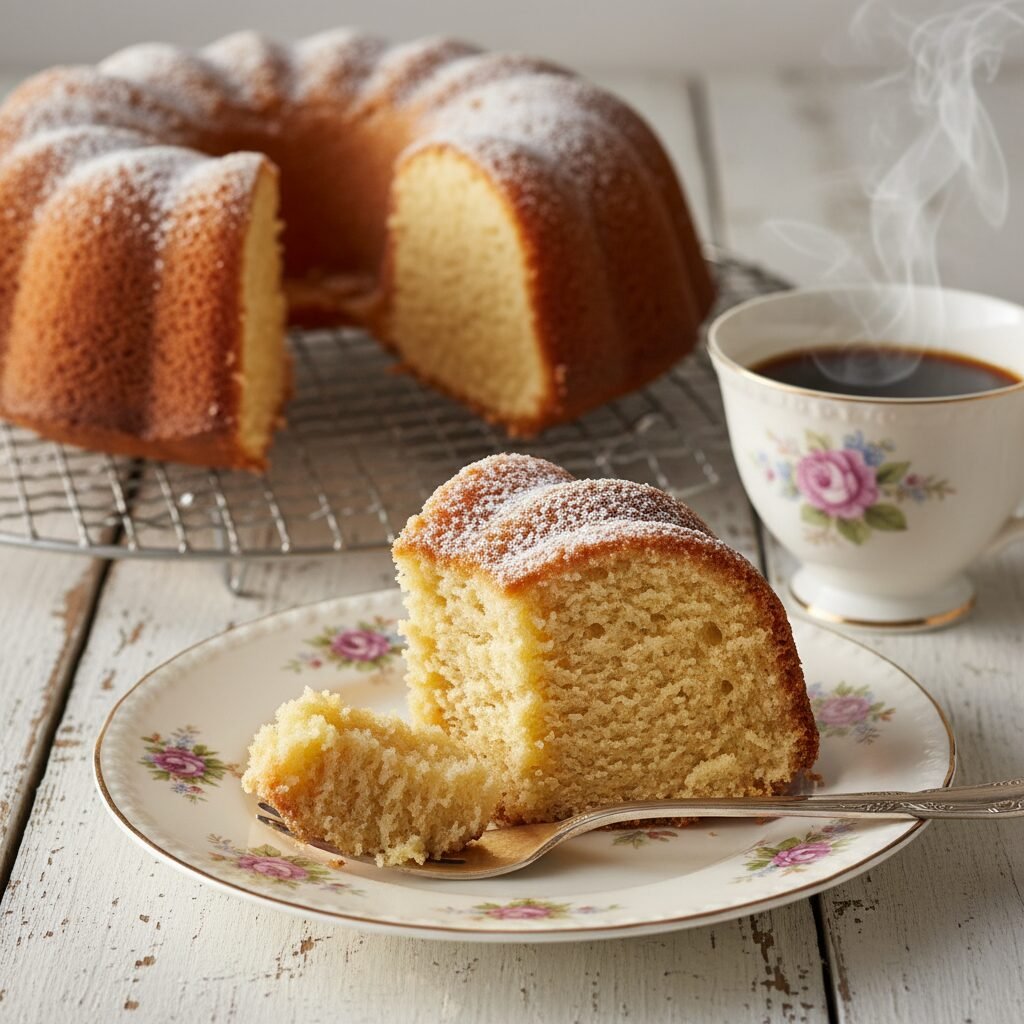
This cake is stunning on its own, dusted simply with powdered sugar. However, it serves as a magnificent canvas for various toppings. In the spring and summer, serve thick slices with macerated strawberries and a dollop of freshly whipped cream for a strawberry shortcake vibe. A warm lemon glaze or a vanilla bean icing drizzled over the top adds an extra layer of sweetness and elegance. For a cozy autumn treat, toast a slice in a skillet with a little butter and serve it with caramelized apples or a scoop of cinnamon ice cream. It also pairs exceptionally well with coffee, making it a sophisticated choice for brunch or afternoon tea.
Storage and Reheating Tips
Cream Cheese Pound Cake actually tastes better the next day as the flavors have time to meld and the moisture redistributes. Store the cake in an airtight container or a cake dome at room temperature for up to 3 days. If you live in a very hot or humid climate, you may want to store it in the refrigerator for up to a week, but be sure to bring it to room temperature before serving for the best texture. This cake freezes exceptionally well. Wrap individual slices or the whole cake tightly in plastic wrap, followed by a layer of aluminum foil. It can be frozen for up to 3 months. Thaw on the counter overnight before serving.
Nutrition Facts (Estimated)
| Serving Size | 1 slice |
| Calories | 450 |
| Fat | 24g |
| Saturated Fat | 14g |
| Unsaturated Fat | 8g |
| Trans Fat | 0.5g |
| Cholesterol | 115mg |
| Sodium | 210mg |
| Carbohydrates | 56g |
| Fiber | 0.5g |
| Sugar | 38g |
| Protein | 5g |
Frequently Asked Questions
Why did my pound cake fall in the middle?
This usually happens if the cake was underbaked or if the oven door was opened too early, causing a sudden temperature drop. It can also result from over-creaming the sugar and butter, incorporating too much air that the structure can’t support.
Can I bake this in a loaf pan instead of a Bundt pan?
Yes, you can. This recipe yields a large amount of batter, so you will likely need two 9×5 inch loaf pans. The baking time will need to be adjusted, likely checking around the 50-60 minute mark.
Why does my cake have a sad, dense streak at the bottom?
This is often called a ‘sad streak’ and is caused by under-mixing the butter and eggs or not having ingredients at room temperature. It can also happen if the oven temperature is too low.
Can I add mix-ins like chocolate chips or nuts?
Absolutely! You can fold in about 1 cup of chocolate chips, nuts, or dried fruit. Toss them in a tablespoon of flour before adding to the batter to prevent them from sinking to the bottom.
Do I need to use baking powder or soda?
No. A traditional pound cake relies on mechanical leavening—air incorporated during the creaming of butter and sugar—and the eggs for lift. Adding chemical leaveners changes the texture to something more like a sponge cake.
How do I know when the cake is perfectly done?
The toothpick test is best. Insert a wooden skewer into the deepest part of the cake. It should come out clean or with a few moist crumbs. If it has wet batter, it needs more time.
Why is my crust hard and thick?
A thick crust is characteristic of pound cake due to the high sugar and fat content caramelizing. However, if it’s burnt or too hard, your oven might be running hot. Use an oven thermometer to verify the temperature.
Can I use salted butter?
You can, but you should reduce the added salt in the recipe to 1/2 teaspoon or omit it entirely, depending on the brand of butter, to avoid an overly salty taste.
How do I get the cake out of the pan without breaking it?
Grease the pan thoroughly. Let the cake cool for 10-15 minutes—no more, no less. Too hot and it’s fragile; too cold and the sugar cements it to the pan. Shake the pan gently to loosen before inverting.
Is this cake gluten-free friendly?
You can substitute the cake flour with a high-quality 1:1 gluten-free baking flour blend that contains xanthan gum. The texture may vary slightly, but the richness of the cream cheese helps keep it moist.
Conclusion
Mastering this Moist Cream Cheese Pound Cake recipe is a rite of passage for any home baker. It is a dessert that demands patience and precision, but rewards you with a slice of heaven that is rich, buttery, and comforting. Whether you are baking it for a festive holiday table, a summer picnic, or just to have something sweet on the counter for the family, this cake never disappoints. The magic lies in the simplicity of the ingredients coming together to create something greater than the sum of its parts. So, grab your mixer, let your ingredients come to room temperature, and enjoy the therapeutic process of baking a true Southern classic. Your friends and family will thank you with every crumb-free plate.