The Ultimate Moist Lemon Pound Cake for Afternoon Tea
Moist Lemon Pound Cake For Afternoon Tea Recipe
Bright, buttery, and impossibly moist, this Lemon Pound Cake is the crowning jewel of any afternoon tea spread. Infused with fresh lemon zest and topped with a tart glaze, it offers the perfect balance of sweetness and citrus punch.
20 minutes
55 minutes
1 hour 15 minutes
1 Loaf (10-12 slices)
Dessert
Baking
American / British
Vegetarian
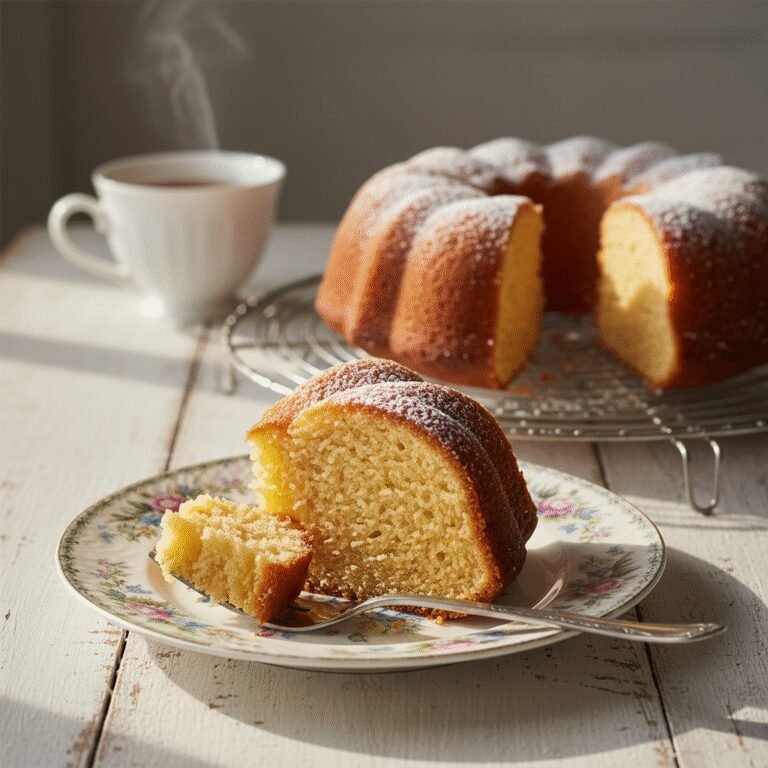
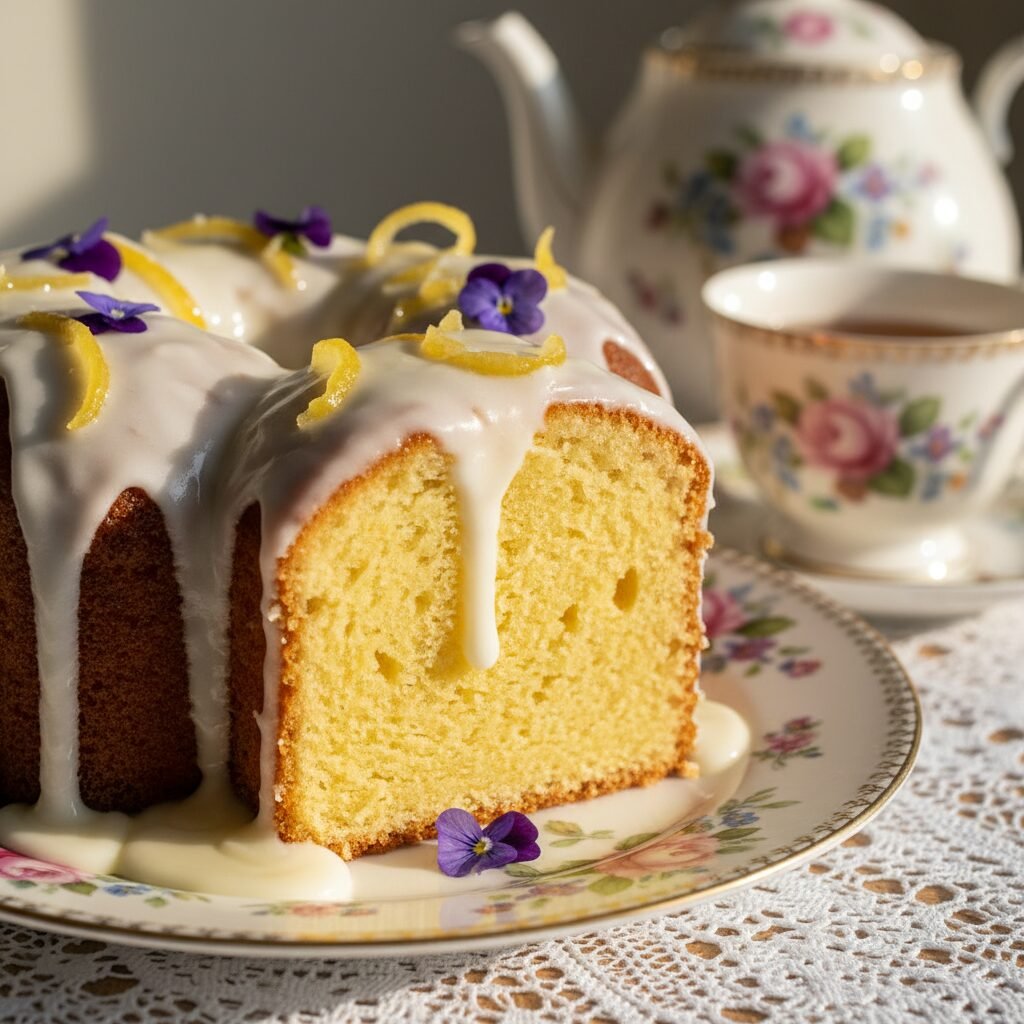
There is something undeniable about the allure of a perfectly baked lemon pound cake. It is a dessert that manages to be both humble and sophisticated, evoking memories of sun-drenched kitchens and the gentle clink of porcelain teacups. This recipe for Moist Lemon Pound Cake is not just another baked good; it is a celebration of texture and flavor designed specifically to elevate your afternoon tea experience. The magic begins the moment you start preparing the batter. As you rub the fresh lemon zest into the sugar, the essential oils are released, filling your kitchen with an intoxicating citrus aroma that promises something delicious is on the way. Unlike dry, overly dense sponge cakes that require a gallon of tea to wash down, this cake boasts a tender, velvety crumb that practically melts in your mouth. The secret lies in the addition of sour cream, which ensures the cake remains moist for days, and a double dose of lemon—both in the batter and in the soaking syrup—that delivers a bright, zesty kick in every bite. Whether you are hosting a formal high tea with friends or simply treating yourself to a quiet moment of indulgence on a rainy Sunday, this cake is the perfect companion. It slices beautifully, holding its shape without crumbling, making it ideal for serving alongside delicate finger sandwiches and scones. The tart lemon glaze, which sets into a delicate, sugary crust, provides a satisfying textural contrast to the soft interior. This isn’t just a recipe; it’s a ticket to creating a warm, welcoming atmosphere where time slows down, and every bite is a savoring of life’s simple pleasures.
History & Origins
The pound cake is a dessert steeped in history, with roots tracing back to Northern Europe in the early 1700s. The name itself is a nod to the original recipe, which was incredibly easy for bakers to remember: one pound each of flour, butter, eggs, and sugar. These early cakes were dense, heavy, and rich—a far cry from the lighter, more aerated versions we enjoy today, as chemical leaveners like baking powder and baking soda had not yet been invented. Instead, the rise of the cake depended entirely on the baker’s endurance in beating air into the batter. As the recipe migrated to America and evolved through the 19th century, variations began to appear in cookbooks such as ‘American Cookery’ by Amelia Simmons (1796). Over time, bakers began to experiment with the ratios to create a lighter texture, eventually adding liquids like milk, wine, or brandy, and flavorings like rose water or citrus. The lemon variation became particularly popular in the Victorian era, coinciding with the rise of afternoon tea culture in Britain. Afternoon tea, introduced by Anna, the Duchess of Bedford, in the 1840s to bridge the gap between lunch and late dinner, required sweet treats that were elegant yet substantial. The lemon pound cake fit this bill perfectly. Its sturdy structure meant it could be sliced thinly and eaten with fingers, while the citrus flavor cut through the richness of the clotted cream and butter served with other tea items. Today, the lemon pound cake remains a beloved classic, bridging the gap between historical tradition and modern palates that crave moist, flavorful, and technically refined baked goods.
Why This Recipe Works
This recipe succeeds where many others fail because it meticulously addresses the two biggest complaints about pound cake: dryness and lack of flavor. First, we tackle the texture. Traditional pound cake relies solely on butter, which is delicious but can lead to a heavy, dry crumb if slightly overbaked. In this recipe, we incorporate full-fat sour cream. The acidity in the sour cream tenderizes the gluten strands in the flour, resulting in a softer crumb, while the fat content adds richness and moisture that keeps the cake fresh for days. Secondly, we amplify the flavor using a technique called ‘sugar rubbing.’ By rubbing the lemon zest directly into the granulated sugar with your fingertips before creaming it with the butter, we mechanically release the lemon oils, infusing the entire batter with a deep, floral citrus flavor that zest alone cannot achieve. Furthermore, we employ a ‘soak’ method. While the cake is still warm, we brush it with a lemon syrup. The warm cake absorbs this liquid like a sponge, locking in moisture and adding a concentrated layer of tartness that permeates the crust. Finally, using room temperature ingredients is non-negotiable here; it ensures the emulsion of butter and eggs is stable, trapping air effectively for a lift that is dense yet fluffy, characteristic of the perfect pound cake.
Why You’ll Love This Recipe
- ✓Infused with triple lemon flavor: zest, syrup soak, and glaze.
- ✓Stays moist for up to 4 days thanks to the secret ingredient: sour cream.
- ✓Perfect density for slicing and serving at tea parties.
- ✓Beautiful, bright white glaze makes for a stunning presentation.
- ✓Freezer-friendly, allowing you to bake ahead of time.
Equipment You’ll Need
- ✓9×5 inch Loaf Pan
- ✓Stand Mixer or Electric Hand Mixer
- ✓Microplane Zester
- ✓Citrus Juicer
- ✓Pastry Brush
- ✓Cooling Rack
- ✓Medium Mixing Bowls
- ✓Rubber Spatula
Ingredients
- ✓1 1/2 cups All-Purpose Flour
- ✓1 teaspoon Baking Powder
- ✓1/2 teaspoon Salt
- ✓1 cup Granulated Sugar
- ✓1 tablespoon Fresh Lemon Zest (approx. 2 lemons)
- ✓1 cup Unsalted Butter, softened to room temperature
- ✓4 Large Eggs, room temperature
- ✓1 teaspoon Vanilla Extract
- ✓1/2 cup Full-Fat Sour Cream, room temperature
- ✓1/4 cup Fresh Lemon Juice (for the batter)
- ✓1/4 cup Granulated Sugar (for the syrup)
- ✓3 tablespoons Fresh Lemon Juice (for the syrup)
- ✓1 cup Confectioners’ Sugar (for the glaze)
- ✓2 tablespoons Fresh Lemon Juice (for the glaze)
Instructions
- Preheat your oven to 350°F (175°C). Generously grease a 9×5 inch loaf pan with butter and dust with flour, knocking out the excess, or line it with parchment paper leaving an overhang for easy removal.
- In a medium bowl, whisk together the flour, baking powder, and salt. Set this dry mixture aside.
- In the bowl of your stand mixer, place the 1 cup of granulated sugar and the fresh lemon zest. Using your clean fingertips, rub the zest into the sugar until the mixture looks like wet sand and is very fragrant. This releases the essential oils.
- Add the softened butter to the lemon-sugar mixture. Beat on medium-high speed for about 3-4 minutes until the mixture is pale, light, and fluffy. Scrape down the sides of the bowl as needed.
- Add the eggs one at a time, beating well after each addition. Ensure each egg is fully incorporated before adding the next. Mix in the vanilla extract.
- Reduce the mixer speed to low. Add one-third of the flour mixture, followed by half of the sour cream. Repeat with another third of flour and the remaining sour cream. Finish with the last of the flour mixture and the 1/4 cup lemon juice. Mix just until combined; do not overmix.
- Pour the batter into the prepared loaf pan and smooth the top with a spatula. Tap the pan on the counter once to release any large air bubbles.
- Bake for 50-60 minutes, or until a toothpick inserted into the center comes out clean or with just a few moist crumbs. If the top browns too quickly, tent it loosely with aluminum foil after 40 minutes.
- While the cake bakes, make the soaking syrup. In a small saucepan, combine 1/4 cup sugar and 3 tablespoons lemon juice. Heat over low heat until the sugar is completely dissolved. Set aside.
- Remove the cake from the oven and let it cool in the pan for 10 minutes. Carefully invert the cake onto a wire rack set over a baking sheet.
- While the cake is still warm, use a pastry brush to dab the lemon syrup all over the top and sides of the cake. Let the cake cool completely.
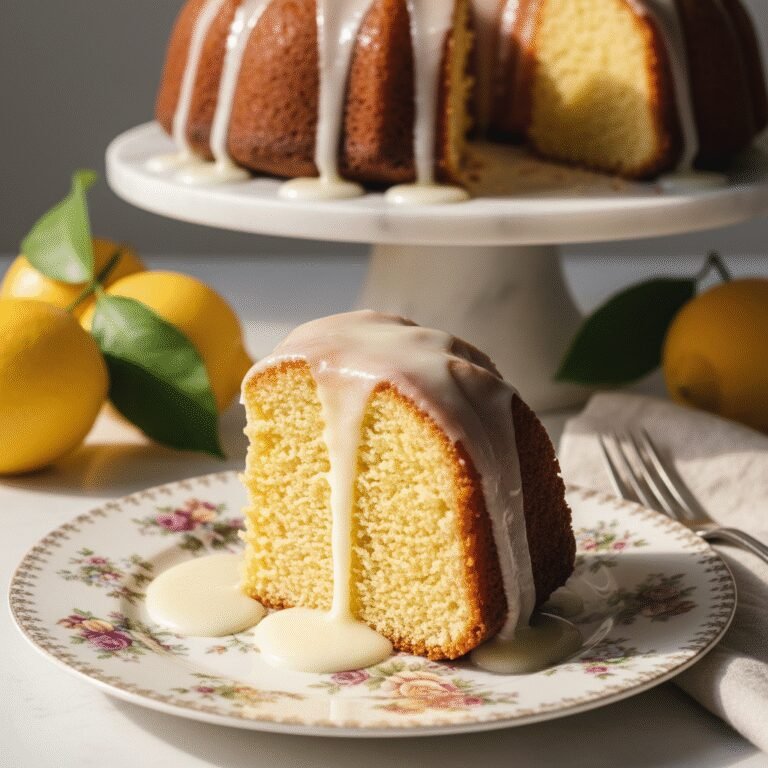
- Once the cake is fully cool, whisk together the confectioners’ sugar and 2 tablespoons lemon juice to create the glaze. It should be thick but pourable. Drizzle over the cake and let it set before slicing.
Expert Cooking Tips
- ✓Room temperature ingredients are crucial. Cold eggs or butter can cause the batter to curdle, leading to an uneven texture.
- ✓Do not overmix the batter once the flour is added. Overmixing develops gluten, which results in a tough, rubbery cake instead of a tender one.
- ✓Rubbing the zest into the sugar is a game-changer for flavor intensity—don’t skip this step!
- ✓Weigh your flour if possible. If using cups, spoon the flour into the cup and level it off rather than scooping directly, which packs too much flour.
- ✓Tent the cake with foil if you notice the top getting dark before the center is cooked. Pound cakes are dense and take a long time to bake through.
- ✓Apply the syrup while the cake is warm; the heat helps the liquid absorb deeply into the crumb.
Substitutions and Variations
If you find yourself missing a few ingredients, there are several viable substitutions for this lemon pound cake. For the sour cream, plain full-fat Greek yogurt is an excellent alternative; it provides the same tang and moisture content. If you are looking to reduce the dairy, you can use a dairy-free yogurt and a plant-based butter stick substitute, though the texture may be slightly less rich. Cake flour can be used instead of all-purpose flour for an even lighter, more delicate crumb, but you will need to increase the volume by about 2 tablespoons per cup. If you don’t have fresh lemons, do not use bottled lemon juice; the flavor will be artificial and metallic. Instead, switch the citrus profile entirely—oranges, limes, or grapefruits make wonderful variations. For the glaze, if you run out of confectioners’ sugar, you can blitz granulated sugar in a high-speed blender until it becomes a powder, though it may be slightly grittier.
Common Mistakes to Avoid
The most common mistake when baking pound cake is rushing the creaming process. Many bakers stop mixing the butter and sugar as soon as they are combined, but you really need to beat them for a full 3-5 minutes to incorporate enough air for the cake to rise properly. Another frequent error is opening the oven door too often. This causes the temperature to fluctuate and can make the cake sink in the middle. Only check the cake when the minimum baking time has nearly elapsed. Additionally, using cold ingredients causes the emulsion to break. If your batter looks curdled (like scrambled eggs) after adding the eggs, your ingredients were likely too cold. Finally, do not glaze the cake while it is still hot. The glaze will simply melt and run off the sides rather than forming that beautiful, white opaque layer on top.
Serving Suggestions
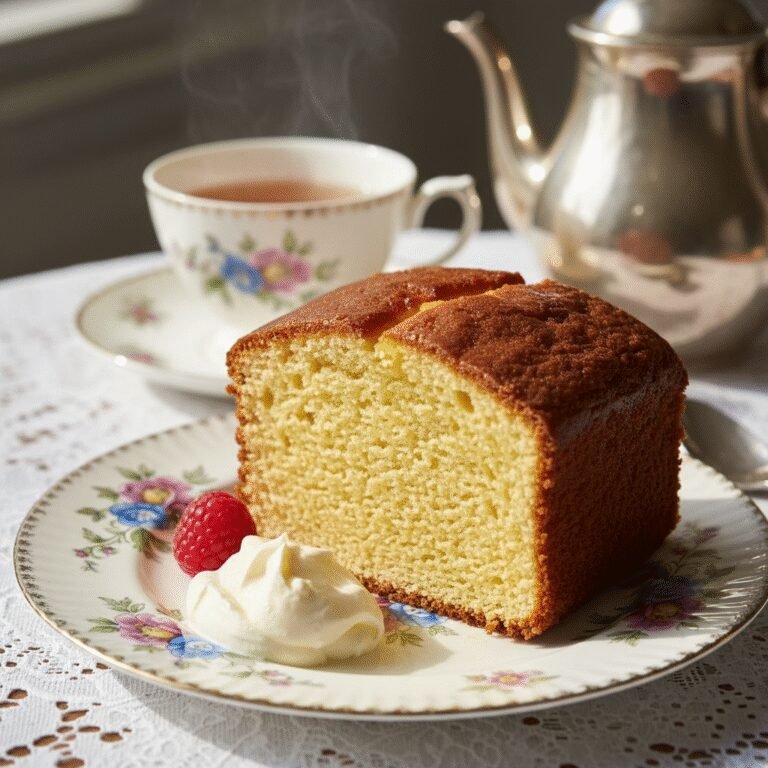
This Moist Lemon Pound Cake is the quintessential centerpiece for an afternoon tea party. Serve it on a tiered cake stand alongside clotted cream, strawberry jam, and warm scones. It pairs beautifully with Earl Grey tea, as the bergamot notes complement the lemon zest perfectly. For a summer dessert, serve a thick slice with a dollop of whipped cream and fresh berries—raspberries or blueberries work particularly well. If you want to elevate it for a dinner party, grill the slices briefly to caramelize the sugars and serve with a scoop of vanilla bean ice cream and a sprig of fresh mint. It also makes a delightful breakfast treat when toasted and slathered with a bit of salted butter.
Storage and Reheating Tips
This cake has excellent keeping qualities thanks to the syrup and sour cream. Store the cake in an airtight container at room temperature for up to 4 days. The flavor actually develops and improves on the second day. If you live in a very hot or humid climate, you may want to store it in the refrigerator, but be sure to bring it back to room temperature before serving to revive the soft texture. For longer storage, this pound cake freezes beautifully. Wrap the unglazed loaf (or individual slices) tightly in plastic wrap, then in a layer of aluminum foil. It can be frozen for up to 3 months. Thaw overnight on the counter. If you have already glazed the cake, you can still freeze it, but the glaze may become slightly sticky upon thawing.
Nutrition Facts (Estimated)
| Serving Size | 1 Slice |
| Calories | 340 |
| Fat | 16g |
| Saturated Fat | 9g |
| Unsaturated Fat | 6g |
| Trans Fat | 0g |
| Cholesterol | 85mg |
| Sodium | 180mg |
| Carbohydrates | 45g |
| Fiber | 1g |
| Sugar | 28g |
| Protein | 4g |
Frequently Asked Questions
Can I use a bundt pan instead of a loaf pan?
Yes, absolutely! However, a standard bundt pan is usually larger than a 9×5 loaf pan, so you might need to double the recipe to fill it properly. Keep an eye on the baking time; bundt cakes often bake faster due to the center hole.
Why did my pound cake sink in the middle?
Sinking usually happens if the cake is underbaked (the center is still raw) or if the oven door was opened too early, causing a sudden temperature drop. It can also be caused by over-leavening (too much baking powder).
Can I reduce the amount of sugar?
You can slightly reduce the sugar in the batter (by about 1/4 cup), but be aware that sugar contributes to the moisture and tenderness of the cake, not just the sweetness. Reducing it too much will result in a drier, tougher texture.
My glaze is too runny/thick, how do I fix it?
Glaze consistency is easy to adjust. If it’s too runny, whisk in more confectioners’ sugar a tablespoon at a time. If it’s too thick, add lemon juice or milk a teaspoon at a time until you reach the desired consistency.
Why is my cake dry?
Dryness is typically caused by overbaking or measuring flour incorrectly. Always scoop flour lightly into the cup and level it off. Also, ensure your oven temperature is accurate using an oven thermometer.
Can I make this gluten-free?
Yes, you can substitute the all-purpose flour with a high-quality 1:1 gluten-free baking flour blend that contains xanthan gum. The texture might be slightly different, but it will still be delicious.
Do I have to use the syrup?
Technically no, but the syrup is a major factor in what makes this cake ‘moist’ and keeps it fresh longer. It also adds a punch of tartness. We highly recommend keeping it!
Can I use bottled lemon juice?
Fresh is always best for baking, especially for the zest which provides the floral notes. Bottled juice lacks the brightness of fresh lemons and can add a bitter or metallic aftertaste.
Conclusion
Mastering this Moist Lemon Pound Cake recipe is a rewarding endeavor that yields delicious dividends. It is a reliable, crowd-pleasing classic that fits perfectly into the elegant tradition of afternoon tea or the simple comfort of a morning snack. The interplay of the buttery crumb, the tart soak, and the sweet glaze creates a symphony of flavors that is hard to beat. We hope this recipe becomes a staple in your kitchen, filling your home with the scent of citrus and warmth. Don’t forget to pin this recipe for your next gathering, and let us know in the comments how your cake turned out!