The Ultimate Moist Lemon Pound Cake with Zesty Lemon Glaze
Moist Lemon Pound Cake With Lemon Glaze Recipe
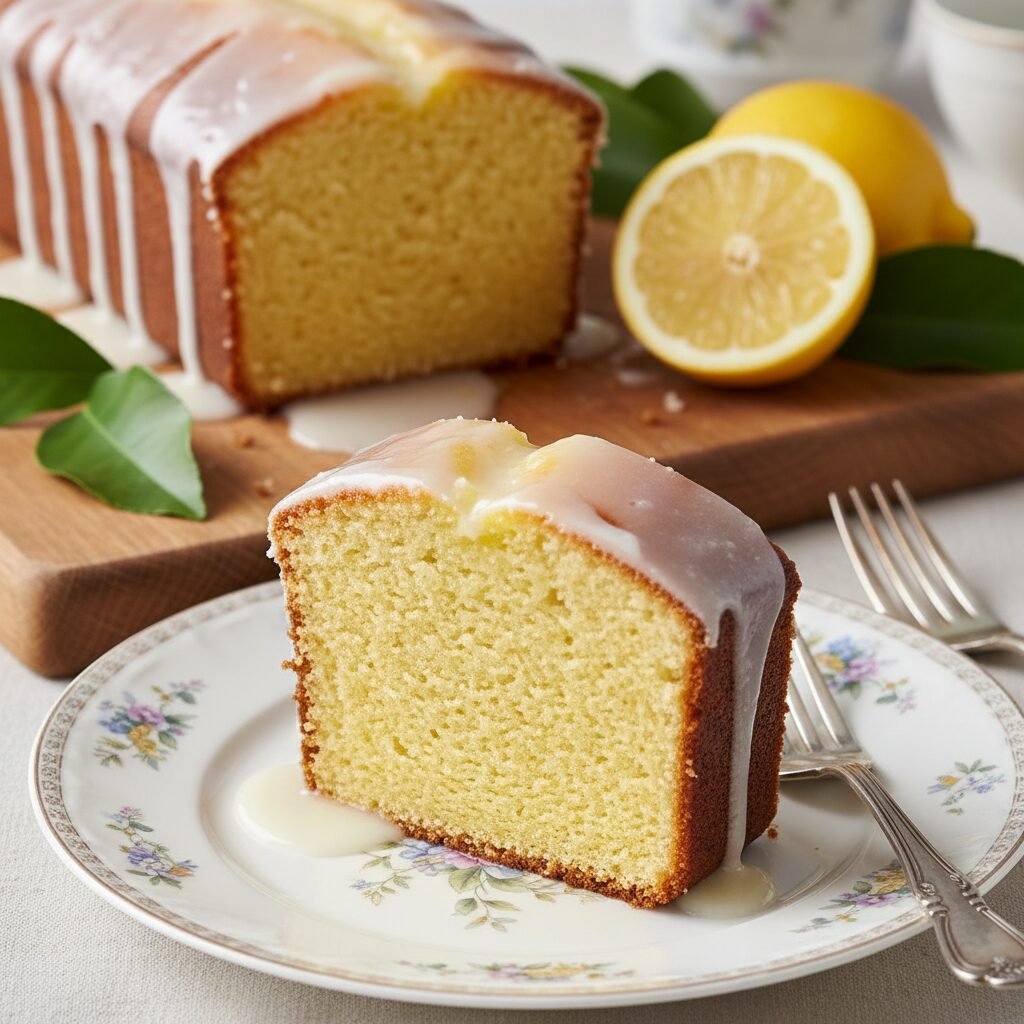
This isn’t just another lemon cake; it is the definitive recipe for a pound cake that stays impossibly moist for days. Bursting with bright citrus flavor and topped with a thick, sugary glaze, this loaf is perfect for breakfast, dessert, or a decadent afternoon snack.
20 minutes
55 minutes
1 hour 15 minutes
1 Loaf (10 Slices)
Dessert
Baking
American
Vegetarian
There is something deeply nostalgic and universally comforting about a slice of lemon pound cake. It sits right at the intersection of a morning pastry and an evening dessert, making it acceptable—and encouraged—to eat at any time of day. However, finding the perfect recipe is often a journey fraught with dry crumbs and lackluster flavor. Many lemon cakes promise zest but deliver only a whisper of citrus, or they achieve a nice flavor but crumble into dust the moment the knife hits them. This Moist Lemon Pound Cake recipe is the answer to those culinary grievances. It is engineered to be dense yet tender, heavy with the richness of butter but lifted by the sharp, sunny acidity of fresh lemons. The secret lies in the balance of ingredients and the method of incorporation, ensuring that every bite is saturated with moisture and flavor. We aren’t just adding lemon juice; we are infusing the sugar itself with lemon oils, creating a foundational flavor profile that permeates the entire crumb. Whether you are trying to replicate that famous coffee shop slice or simply want to fill your kitchen with the aroma of sweet citrus and vanilla, this recipe delivers on every front. It is the kind of cake that tastes even better the next day, as the glaze seeps into the crust and the flavors meld together into a symphony of sweet and tart. Prepare yourself for a baking experience that is as rewarding as it is delicious, resulting in a golden loaf that looks like it came straight from a professional bakery window.
History & Origins
The history of the pound cake is as rich and dense as the cake itself. Dating back to the early 1700s in Northern Europe, the original recipe was incredibly simple to remember, even for the illiterate cooks of the time: it called for exactly one pound of each of the four ingredients—flour, butter, eggs, and sugar. This 1:1:1:1 ratio produced a heavy, dense cake that could feed a large family and kept well for long periods, a necessity in the days before refrigeration. As the recipe migrated to America and evolved over the centuries, bakers began to tweak the ratios to produce a lighter, more palatable crumb. The introduction of chemical leaveners like baking soda and baking powder in the 19th century was a game-changer, allowing for a rise that mere egg beating could not achieve on its own. The addition of sour cream, milk, or buttermilk became common in the Southern United States, adding acidity to tenderize the gluten and fat to retain moisture. The lemon variation specifically gained massive popularity in the mid-20th century, coinciding with the rise of citrus cultivation and transport, making fresh lemons accessible year-round. Today, the lemon pound cake is a staple of American baking, often associated with springtime celebrations, Easter brunches, and classic coffee shop fare. It represents a culinary evolution from a practical, sustenance-based loaf to a refined, flavor-forward delicacy that honors its heavy roots while embracing modern techniques for texture and taste.
Why This Recipe Works
This recipe succeeds where others fail because it meticulously addresses the two biggest enemies of pound cake: dryness and lack of flavor. First, to combat dryness, we utilize a ‘high-ratio’ fat approach. In addition to high-quality unsalted butter, we incorporate full-fat sour cream. The acidity in the sour cream tenderizes the gluten strands in the flour, preventing the cake from becoming tough, while its fat content ensures the crumb remains velvety and moist long after it has cooled. We also use room-temperature ingredients, which is scientifically crucial. When the butter, eggs, and sour cream are all at the same temperature, they emulsify much more effectively during the creaming process, trapping air bubbles that expand in the oven to create a uniform, tender texture. To address the flavor intensity, we employ a technique called ‘rubbing.’ Before the butter is even added, we rub the fresh lemon zest into the granulated sugar with our fingertips. The friction releases the essential oils in the zest, infusing the sugar crystals with potent lemon flavor. This means the citrus note is not just an additive but a structural part of the sweetness. Finally, the double-glaze method—applying a syrup while warm and a thick glaze when cool—ensures the lemon flavor penetrates deep into the cake while also providing that signature sugary crunch on top.
Why You’ll Love This Recipe
- ✓Stays moist for up to 5 days thanks to the sour cream addition.
- ✓Infused lemon sugar creates a deeper, more aromatic citrus flavor.
- ✓The double-glaze technique ensures flavor in every bite.
- ✓Freezes beautifully for make-ahead meal prep.
- ✓Dense, tight crumb that doesn’t crumble when sliced.
Equipment You’ll Need
- ✓9×5 inch Loaf Pan
- ✓Stand Mixer or Electric Hand Mixer
- ✓Microplane or Zester
- ✓Medium Mixing Bowls
- ✓Rubber Spatula
- ✓Wire Cooling Rack
- ✓Measuring Cups and Spoons
Ingredients
- ✓1 1/2 cups All-Purpose Flour
- ✓1 teaspoon Baking Powder
- ✓1/2 teaspoon Salt
- ✓1 cup Granulated Sugar
- ✓2 tablespoons Fresh Lemon Zest (approx. 2 lemons)
- ✓1 cup Unsalted Butter, softened to room temperature
- ✓4 Large Eggs, room temperature
- ✓1 teaspoon Pure Vanilla Extract
- ✓1/4 cup Sour Cream, room temperature
- ✓2 tablespoons Fresh Lemon Juice
- ✓1 cup Powdered Sugar (for glaze)
- ✓2-3 tablespoons Fresh Lemon Juice (for glaze)
- ✓1 tablespoon Heavy Cream (optional, for whiter glaze)
Instructions
- Preheat your oven to 350°F (175°C). Generously grease a 9×5 inch loaf pan with butter and dust with flour, or line it with parchment paper leaving an overhang for easy removal.
- In a medium bowl, whisk together the all-purpose flour, baking powder, and salt until well combined. Set aside.
- In the bowl of a stand mixer (or a large bowl using a hand mixer), place the granulated sugar and the fresh lemon zest. Using your clean fingertips, rub the zest into the sugar until the mixture resembles wet sand and is very fragrant. This releases the lemon oils.
- Add the softened butter to the lemon-sugar mixture. Beat on medium-high speed for about 3-5 minutes until the mixture is pale yellow, light, and fluffy. Do not rush this step; aeration is key.
- Reduce the mixer speed to medium. Add the eggs one at a time, beating well after each addition and scraping down the sides of the bowl with a spatula to ensure even incorporation.
- Mix in the vanilla extract, sour cream, and 2 tablespoons of lemon juice. The mixture might look slightly curdled at this point; this is normal.
- Reduce the mixer speed to low. Gradually add the flour mixture in two batches, mixing only until just combined. Do not overmix, or the cake will be tough. Finish mixing by hand with a spatula to ensure no flour pockets remain at the bottom.
- Pour the batter into the prepared loaf pan and smooth the top with a spatula. Tap the pan gently on the counter to release large air bubbles.
- Bake for 50-60 minutes, or until a toothpick inserted into the center comes out clean or with just a few moist crumbs. If the top is browning too quickly, tent loosely with aluminum foil after 40 minutes.
- Remove from the oven and let the cake cool in the pan for 10-15 minutes. Then, carefully lift it out using the parchment paper or invert it onto a wire rack to cool completely.
- While the cake cools, make the glaze. Whisk together the powdered sugar and 2 tablespoons of lemon juice (and heavy cream if using) until smooth. Adjust consistency by adding more juice for a thinner glaze or more sugar for a thicker one.
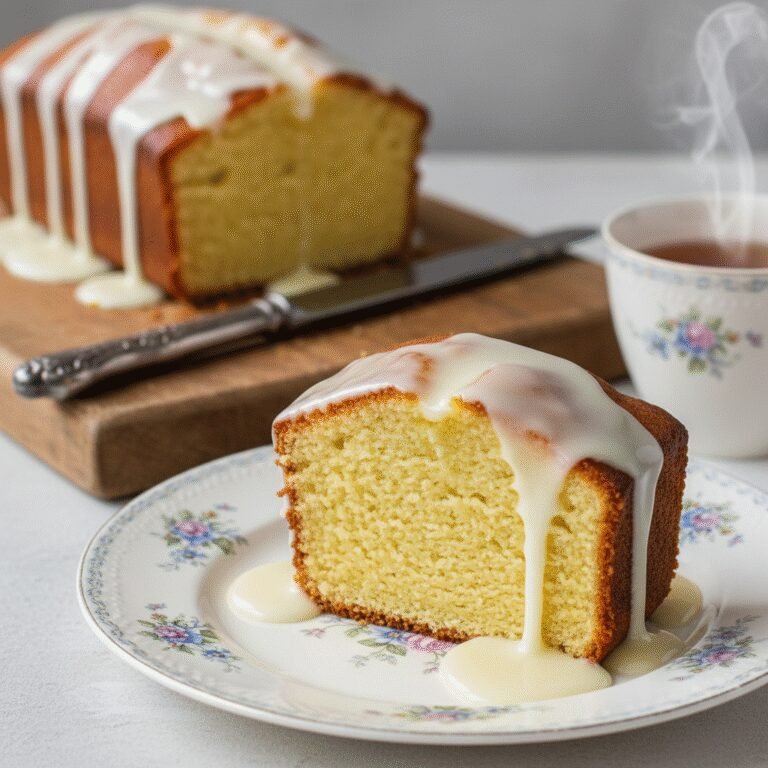
- Once the cake is entirely cool, pour the glaze over the top, allowing it to drip down the sides. Let the glaze set for 15 minutes before slicing.
Expert Cooking Tips
- ✓Ensure all refrigerated ingredients (butter, eggs, sour cream) are at room temperature before starting to prevent the batter from breaking.
- ✓When zesting the lemons, be careful to only remove the bright yellow outer layer and avoid the white pith underneath, which is bitter.
- ✓Do not overmix the batter once the flour is added; overworking the gluten will result in a dense, rubbery cake.
- ✓Tent the cake with foil if you notice the top browning too fast before the center is cooked through.
- ✓Let the cake cool completely before glazing, otherwise, the glaze will melt and slide right off the bread.
Substitutions and Variations
If you do not have sour cream, you can substitute it with full-fat plain Greek yogurt or buttermilk; however, sour cream yields the richest result. For a gluten-free version, use a high-quality 1:1 gluten-free all-purpose flour blend that contains xanthan gum. If you are out of unsalted butter, salted butter can be used, but omit the 1/2 teaspoon of added salt in the dry ingredients. For a different citrus twist, this recipe works wonderfully with oranges, blood oranges, or limes—simply swap the zest and juice ratios 1:1. If you want to reduce the sugar, you can reduce the granulated sugar by 1/4 cup, though this may slightly alter the texture and moisture retention.
Common Mistakes to Avoid
The most common mistake is using cold ingredients. If your butter is too hard, it won’t cream properly with the sugar, leading to a dense cake. If your eggs are cold, they can shock the butter and cause the batter to curdle. Another frequent error is opening the oven door too often; this causes temperature fluctuations that can make the cake collapse in the center. Additionally, measuring flour by scooping the cup directly into the bag packs the flour down, leading to too much flour and a dry cake. Always use the ‘spoon and level’ method or weigh your flour (approx. 120g per cup). Finally, rushing the cooling process is a mistake; slicing a warm pound cake can cause it to crumble and fall apart.
Serving Suggestions
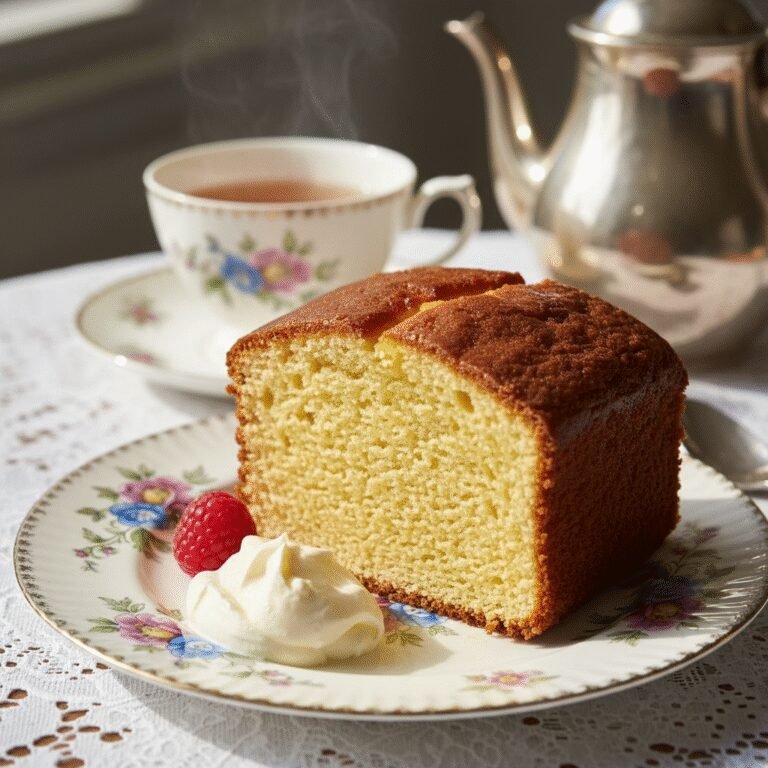
This lemon pound cake is versatile enough for any setting. For an elegant dessert, serve a thick slice topped with a dollop of homemade whipped cream and fresh berries like raspberries or blueberries to cut the sweetness. It pairs beautifully with a hot cup of Earl Grey tea or a dark roast coffee for breakfast. In the summer, try grilling a slice for a few seconds and serving it with a scoop of vanilla bean ice cream. For a brunch spread, arrange slices on a platter garnished with thin lemon wheels and edible flowers for a stunning presentation.
Storage and Reheating Tips
This cake stores exceptionally well. Keep it in an airtight container at room temperature for up to 3 days; the flavor often improves on the second day. If you need to keep it longer, store it in the refrigerator for up to 1 week, but bring it to room temperature before serving for the best texture. To freeze, wrap the completely cooled loaf (preferably unglazed, but glazed works too) tightly in plastic wrap, then in a layer of aluminum foil. It can be frozen for up to 3 months. Thaw overnight on the counter before serving. Individual slices can also be wrapped and frozen for quick snacks.
Nutrition Facts (Estimated)
| Serving Size | 1 Slice |
| Calories | 420 |
| Fat | 22g |
| Saturated Fat | 13g |
| Unsaturated Fat | 8g |
| Trans Fat | 0.5g |
| Cholesterol | 95mg |
| Sodium | 180mg |
| Carbohydrates | 54g |
| Fiber | 1g |
| Sugar | 32g |
| Protein | 5g |
Frequently Asked Questions
Why did my pound cake sink in the middle?
This usually happens if the oven door was opened too early during baking, causing a drop in temperature, or if the cake was underbaked. It can also result from over-creaming the butter and sugar, incorporating too much air that collapses later.
Can I use bottled lemon juice instead of fresh?
Technically yes, but it is highly discouraged. Bottled lemon juice lacks the bright, floral notes of fresh juice and often has a metallic aftertaste. Since lemon is the primary flavor here, fresh is best.
Can I bake this in a bundt pan instead of a loaf pan?
Yes, but you will likely need to double the recipe for a standard 10-12 cup bundt pan, as a single loaf recipe won’t fill it sufficiently. Adjust baking time accordingly, usually adding 10-15 minutes.
Why is my cake dry?
Dryness usually comes from over-baking or measuring the flour incorrectly (packing it into the cup). Check the cake 5 minutes before the timer goes off. Also, ensure you didn’t skip the sour cream.
Can I make this recipe dairy-free?
You can use high-quality plant-based butter sticks and a dairy-free sour cream alternative (like coconut yogurt or almond milk yogurt), but the texture may be slightly less rich.
How do I get the glaze to stay white and thick?
Use less liquid. Start with a small amount of lemon juice and whisk vigorously. Adding a splash of heavy cream or white food coloring can also help make the glaze more opaque.
What is the best way to zest a lemon?
Use a microplane or fine grater. Grate only the yellow skin, rotating the lemon constantly. Avoid the white pith underneath as it is very bitter.
Can I add poppy seeds to this recipe?
Absolutely! Add 2 tablespoons of poppy seeds with the dry ingredients to turn this into a classic Lemon Poppy Seed Pound Cake.
Conclusion
Mastering this Moist Lemon Pound Cake recipe adds a timeless classic to your baking repertoire that will never go out of style. It is the ultimate comfort bake—simple enough for a novice but sophisticated enough to impress guests at a dinner party. The bright, sunny flavors are a perfect pick-me-up on a gloomy day, and the aroma that fills your kitchen is unrivaled. Whether you are baking for a holiday, a gift for a neighbor, or just a treat for yourself, this loaf delivers pure happiness in every slice. Don’t forget to share your results on Pinterest and tag us; we love seeing your beautiful creations!