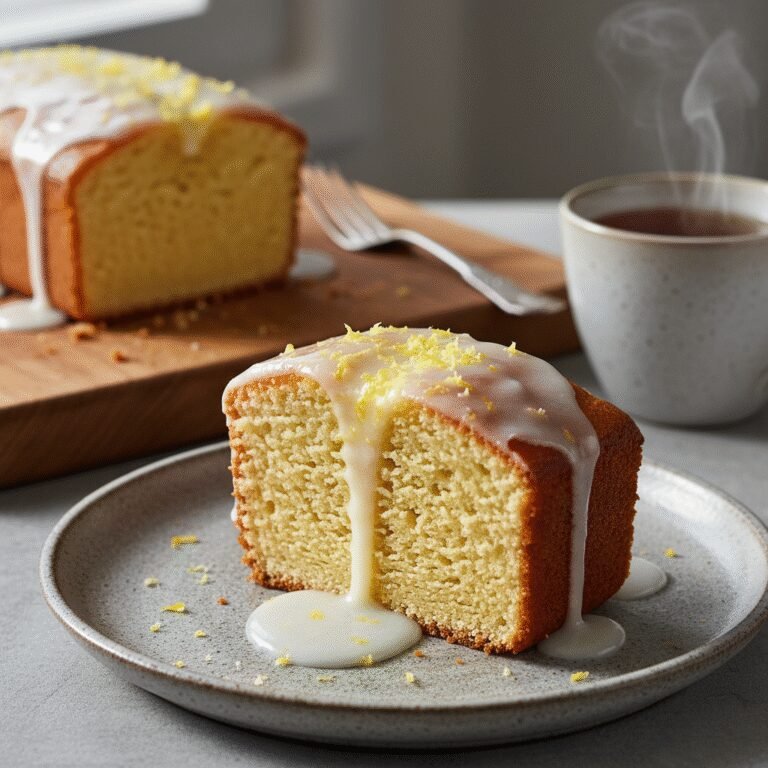
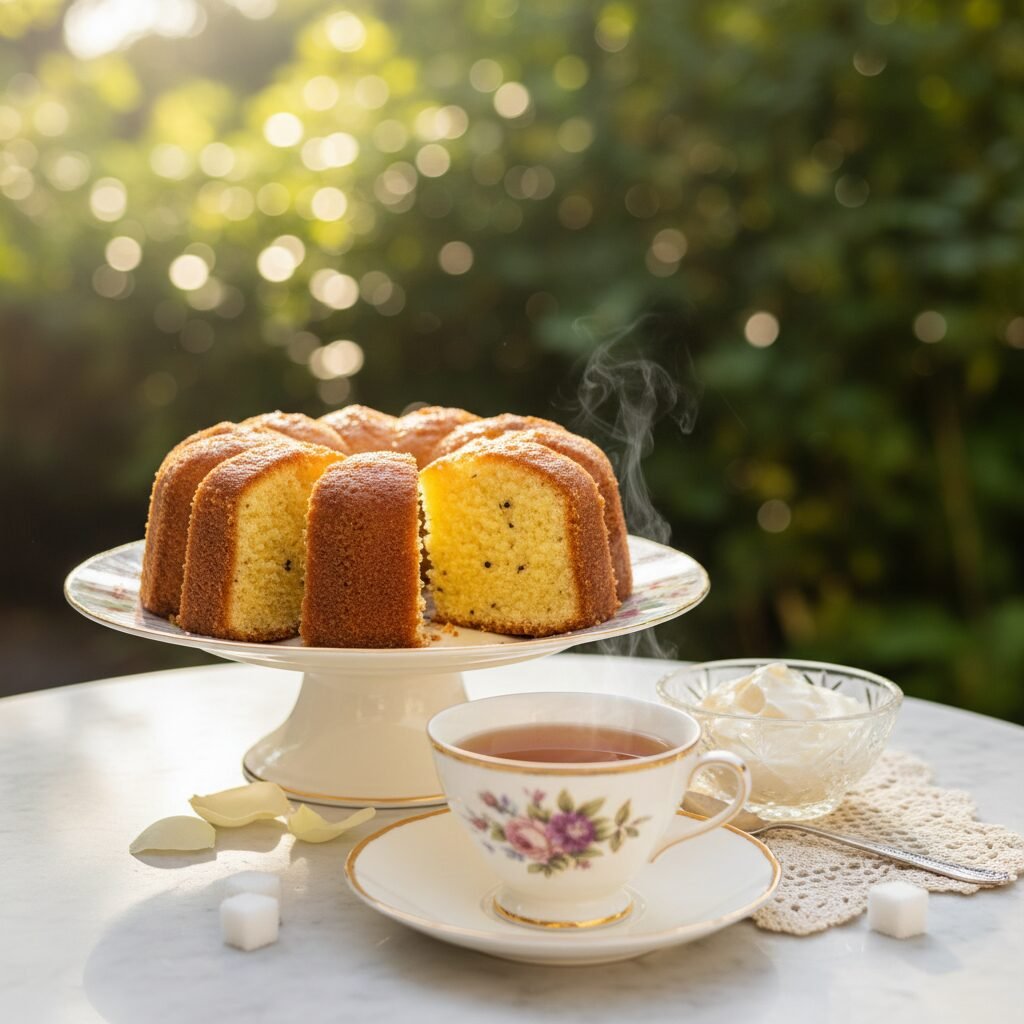
The Ultimate Moist Vanilla Pound Cake For Afternoon Tea
Moist Vanilla Pound Cake For Afternoon Tea Recipe
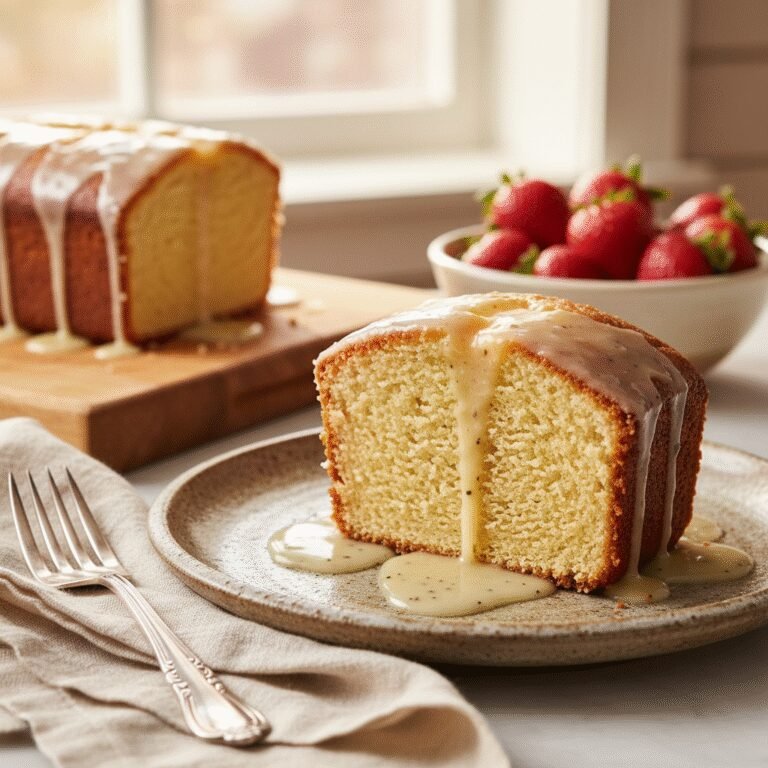
Experience the epitome of elegance with this incredibly moist Vanilla Pound Cake, specifically crafted for your next afternoon tea. With a velvety crumb and profound vanilla bean flavor, this recipe transforms simple pantry staples into a sophisticated centerpiece that pairs perfectly with Earl Grey or English Breakfast tea.
20 minutes
60 minutes
1 hour 30 minutes
1 Loaf (10-12 Slices)
Dessert
Baking
American / British
Vegetarian
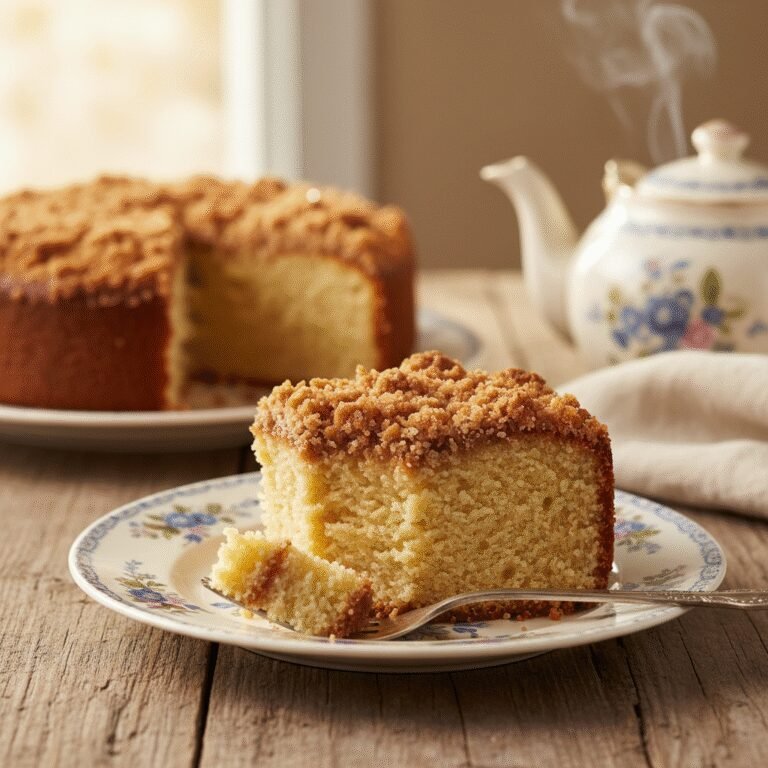
There is something undeniably comforting and sophisticated about a classic pound cake, especially when it is sliced thick and served alongside a steaming cup of tea. This Moist Vanilla Pound Cake for Afternoon Tea is not just another dessert; it is a celebration of texture and pure flavor. Unlike many traditional recipes that can lean towards the dry or overly dense side, this version has been meticulously developed to ensure a crumb that is tender, velvety, and incredibly moist. The secret lies in the quality of the vanilla and the precise balance of fats, creating a loaf that melts in your mouth with every bite. As you bake this, your kitchen will fill with the intoxicating aroma of caramelized sugar and floral vanilla, setting the stage for a cozy gathering or a solitary moment of indulgence. We have stripped back the complications often found in modern baking to focus on the technique of the creaming method, ensuring that the butter and sugar aerate sufficiently to lift the heavy batter. Whether you are hosting a formal high tea or simply craving a slice of nostalgia, this cake delivers on all fronts. It is robust enough to be toasted yet delicate enough to be eaten plain. The golden-brown crust provides a slight crunch that contrasts beautifully with the soft, buttery interior. This recipe is my love letter to the timeless tradition of afternoon tea, proving that sometimes, the simplest flavors, when executed with care and precision, are the most luxurious of all.
History & Origins
The pound cake is a dessert with a lineage as rich and dense as the cake itself. Its origins can be traced back to Northern Europe in the early 18th century. The name ‘pound cake’ is quite literal, derived from the original recipe’s requirement for a pound each of four main ingredients: flour, butter, eggs, and sugar. This 1:1:1:1 ratio made it incredibly easy for bakers to remember in an era before standardized measuring cups and spoons were commonplace. One of the earliest written recipes appeared in ‘American Cookery’ by Amelia Simmons in 1796, marking its significance in early American culinary history as well. Originally, these cakes were massive, heavy, and lacked the chemical leavening agents like baking powder or baking soda that we rely on today; the lift came entirely from the mechanical action of beating air into the eggs and butter. Over the centuries, the recipe has evolved significantly. As palates changed and baking technology advanced, bakers began to modify the ratios to produce a lighter, more palatable crumb. Ingredients like milk, sour cream, and eventually baking powder were introduced to add moisture and tenderness. Despite these changes, the essence of the pound cake remains: a butter-forward, dense, and satisfying cake that stands the test of time. In the context of afternoon tea, which became fashionable in Britain in the 1840s thanks to Anna, the Duchess of Bedford, the pound cake became a staple because of its sturdy nature and ability to be sliced neatly without crumbling.
Why This Recipe Works
This specific recipe succeeds where others fail due to the strategic incorporation of sour cream and the use of cake flour instead of all-purpose flour. Traditional pound cakes rely heavily on the creaming process for structure, but without additional moisture, they can easily become dry. The sour cream in this recipe introduces acidity and fat, which tenderizes the gluten strands in the flour, resulting in a crumb that is soft rather than tough. Furthermore, the acidity helps to activate the baking soda, providing a better rise and a lighter texture that doesn’t feel like a brick in your stomach. We also emphasize the importance of room-temperature ingredients. When the butter, eggs, and sour cream are all at the same temperature (around 70°F or 21°C), they emulsify much more effectively. A broken emulsion leads to a greasy or flat cake, but a stable emulsion traps air bubbles efficiently, which expand during baking to create that coveted velvety texture. Finally, the double dose of vanilla—both extract and bean paste—ensures that the flavor profile is deep and aromatic, rather than one-dimensional. This recipe balances the heavy, buttery nature of the historic pound cake with modern techniques for moisture retention.
Why You’ll Love This Recipe
- ✓Incredibly moist crumb thanks to the addition of sour cream.
- ✓Deep, complex vanilla flavor using both extract and paste.
- ✓Sturdy structure perfect for slicing and serving at tea parties.
- ✓Keeps fresh for days, improving in flavor and texture over time.
- ✓Requires only simple, standard pantry ingredients.
- ✓Beautiful golden crust that needs no frosting or glaze.
Equipment You’ll Need
- ✓9×5 inch Loaf Pan
- ✓Stand Mixer or Electric Hand Mixer
- ✓Rubber Spatula
- ✓Measuring Cups and Spoons
- ✓Wire Cooling Rack
- ✓Parchment Paper
- ✓Sifter
Ingredients
- ✓1 1/2 cups (190g) Cake flour, sifted
- ✓1 tsp Baking powder
- ✓1/4 tsp Salt
- ✓1 cup (226g) Unsalted butter, room temperature
- ✓1 cup (200g) Granulated sugar
- ✓4 Large eggs, room temperature
- ✓1 tsp Pure vanilla extract
- ✓1 tsp Vanilla bean paste
- ✓1/4 cup (60g) Sour cream, room temperature
Instructions
- Preheat your oven to 325°F (163°C). Grease a 9×5 inch loaf pan generously with butter and line it with parchment paper, leaving an overhang on the sides for easy removal.
- In a medium bowl, sift together the cake flour, baking powder, and salt. Whisk gently to ensure the leavening agent is evenly distributed. Set aside.
- In the bowl of a stand mixer fitted with the paddle attachment (or using a hand mixer), beat the room temperature butter on medium-high speed until smooth and creamy, about 1 minute.
- Gradually add the granulated sugar to the butter while continuing to mix. Once all sugar is added, increase the speed to medium-high and cream the mixture for 5 to 7 minutes. It should look pale, fluffy, and almost white in color.
- Reduce the mixer speed to medium-low. Add the eggs one at a time, beating well after each addition. Scrape down the sides and bottom of the bowl with a rubber spatula between eggs to ensure even incorporation.
- Stir in the vanilla extract and vanilla bean paste. The batter may look slightly curdled at this stage; this is normal.
- Reduce the mixer speed to the lowest setting. Add half of the flour mixture and mix until just barely combined.
- Add the sour cream and mix until incorporated.
- Add the remaining flour mixture and mix until just combined and no streaks of flour remain. Do not overmix.
- Give the batter a final stir by hand with the spatula to ensure everything at the bottom of the bowl is incorporated.
- Pour the batter into the prepared loaf pan and smooth the top with the spatula. Tap the pan on the counter twice to release any large air bubbles.
- Bake in the preheated oven for 55 to 65 minutes. The cake is done when the top is golden brown and a toothpick inserted into the center comes out clean or with just a few moist crumbs.
- Remove from the oven and let the cake cool in the pan for 15 minutes. Then, use the parchment overhang to lift the cake out and transfer it to a wire rack to cool completely before slicing.
Expert Cooking Tips
- ✓Ensure all cold ingredients (butter, eggs, sour cream) are truly at room temperature to prevent the batter from breaking.
- ✓Do not skimp on the creaming time; beating the butter and sugar for a full 5-7 minutes is crucial for a light texture.
- ✓Measure flour by weight or using the spoon-and-level method to avoid a dense, dry cake.
- ✓If the top of the cake is browning too quickly before the center is cooked, tent it loosely with aluminum foil after 40 minutes.
- ✓Use vanilla bean paste for those beautiful black specks and a more intense flavor, but high-quality extract works too.
- ✓Do not overmix after adding the flour; stop as soon as the white streaks disappear to keep the crumb tender.
Substitutions and Variations
Baking is a science, but there is some room for flexibility if you find yourself missing an ingredient. If you do not have cake flour, you can make a substitute by measuring 1 cup of all-purpose flour, removing 2 tablespoons, and replacing them with 2 tablespoons of cornstarch. Sift this mixture twice before using. For the sour cream, full-fat Greek yogurt is an excellent alternative that provides a similar tang and moisture content. If you need to avoid dairy, you can try using a high-quality plant-based butter and a thick coconut yogurt, though this will alter the flavor profile slightly. Salted butter can be used in place of unsalted butter; simply omit the additional 1/4 teaspoon of salt listed in the dry ingredients. If you don’t have vanilla bean paste, you can double the amount of vanilla extract, or scrape the seeds from one fresh vanilla bean pod for the most luxurious flavor.
Common Mistakes to Avoid
The most common mistake when making pound cake is using ingredients that are too cold. If you add cold eggs to creamed butter, the butter will seize, and the emulsion will break, leading to a dense, greasy cake. Another frequent error is overmixing the batter once the flour has been added. Overmixing develops the gluten too much, resulting in a tough, rubbery texture rather than a velvety crumb. Opening the oven door too often to check on the cake can cause the temperature to fluctuate and the cake to sink in the middle. Trust the timing and only check towards the end. Finally, rushing the cooling process is a mistake; pound cake is fragile when hot. Trying to remove it from the pan too soon can cause it to fall apart. Let it set in the pan for the recommended time.
Serving Suggestions
This Moist Vanilla Pound Cake is versatile and elegant, making it the perfect canvas for various toppings. For a traditional afternoon tea, serve slices plain or lightly dusted with powdered sugar alongside clotted cream and strawberry preserves. It pairs exceptionally well with fresh berries—strawberries, raspberries, or blueberries—macerated in a little sugar and lemon juice. For a decadent dessert, toast a slice in a dry pan until golden and top it with a scoop of vanilla bean ice cream and a drizzle of warm caramel sauce. In the summer, a dollop of lemon curd and some fresh whipped cream make for a refreshing variation. It is best served at room temperature to ensure the butter in the cake is soft and the flavors are at their peak.
Storage and Reheating Tips
Pound cake is one of those rare baked goods that often tastes better the next day as the flavors have time to meld and the moisture redistributes. To store, wrap the completely cooled cake tightly in plastic wrap. It can be kept at room temperature for up to 3 to 4 days. Avoid storing it in the refrigerator, as the cold environment can dry out the crumb and make the butter harden, altering the texture. If you wish to keep it longer, wrap the plastic-wrapped cake in a layer of aluminum foil and freeze it for up to 3 months. Thaw the frozen cake overnight on the counter before serving. You can also slice the cake prior to freezing and wrap individual slices for a quick treat on demand.
Nutrition Facts (Estimated)
| Serving Size | 1 Slice |
| Calories | 380 |
| Fat | 20g |
| Saturated Fat | 12g |
| Unsaturated Fat | 7g |
| Trans Fat | 0.5g |
| Cholesterol | 95mg |
| Sodium | 180mg |
| Carbohydrates | 44g |
| Fiber | 0.5g |
| Sugar | 22g |
| Protein | 5g |
Frequently Asked Questions
Why did my pound cake sink in the middle?
Sinking usually happens if the cake was underbaked or if the oven door was opened too early, causing a sudden drop in temperature. It can also result from over-creaming the butter and sugar, which incorporates too much air that the structure can’t support.
Can I use all-purpose flour instead of cake flour?
Yes, but the texture will be slightly denser and more bread-like. Cake flour has less protein, which ensures a tender, velvety crumb. See the substitutions section for how to make your own cake flour.
How do I know when the cake is perfectly done?
The cake is done when it is golden brown on top, feels firm to the touch, and a toothpick or skewer inserted into the deepest part comes out clean or with just a few damp crumbs attached.
Can I add mix-ins like chocolate chips or nuts?
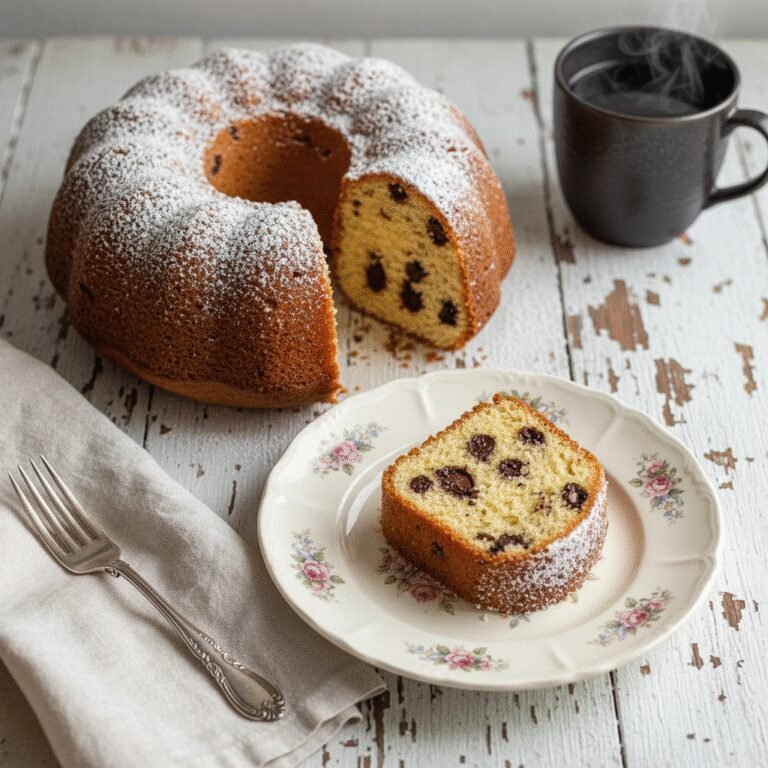
Absolutely. You can fold in up to 1/2 cup of nuts, chocolate chips, or dried fruit. Toss them in a teaspoon of flour before adding to prevent them from sinking to the bottom of the pan.
Why is my cake dry?
Dryness is typically caused by overbaking or measuring the flour incorrectly (packing it into the cup). Ensure you check the cake at the 55-minute mark and use the spoon-and-level method for flour.
Can I bake this in a bundt pan?
This recipe is formulated for a standard loaf pan. While you can double the recipe for a standard 10-12 cup bundt pan, baking times will vary significantly, likely taking 70-85 minutes.
Do I really need room temperature ingredients?
Yes, this is non-negotiable for a proper pound cake. Room temperature ingredients emulsify into a smooth batter that traps air, which is essential for the cake’s rise and texture.
Can I make this recipe gluten-free?
You can substitute the cake flour with a high-quality 1:1 gluten-free baking flour blend that contains xanthan gum. The texture may be slightly different, but it will still be delicious.
Conclusion
Mastering the art of the perfect Moist Vanilla Pound Cake is a rewarding endeavor that pays dividends in flavor and satisfaction. This recipe bridges the gap between the dense, historic cakes of the past and the tender, airy confections of the modern day. It is a reliable, crowd-pleasing addition to your baking repertoire that requires minimal effort for maximum return. Whether you are serving it to guests at an elegant afternoon tea or enjoying a quiet slice with your morning coffee, the rich vanilla flavor and buttery texture are sure to delight. We hope this guide helps you create a beautiful loaf that becomes a cherished family favorite. Happy baking!