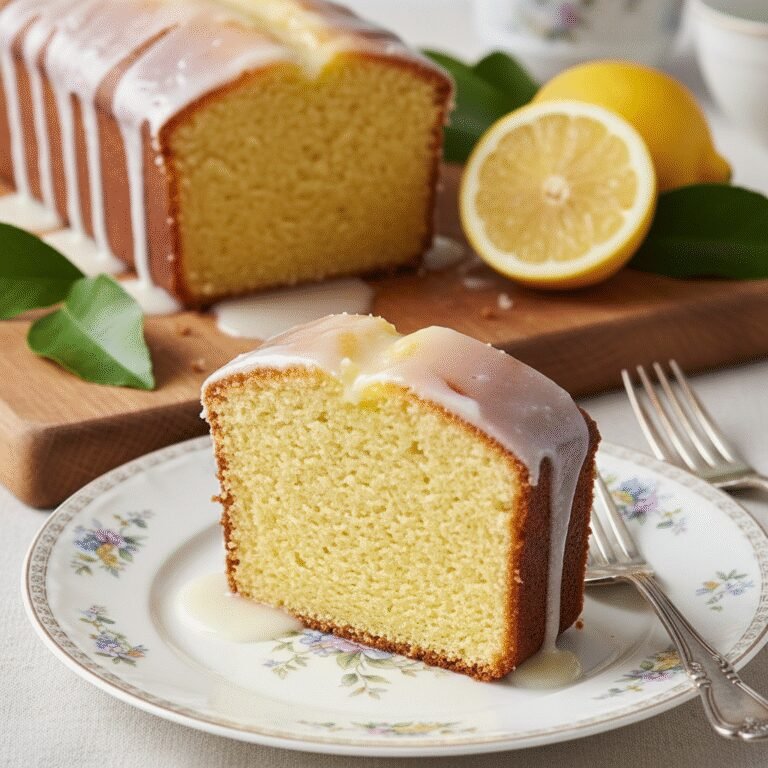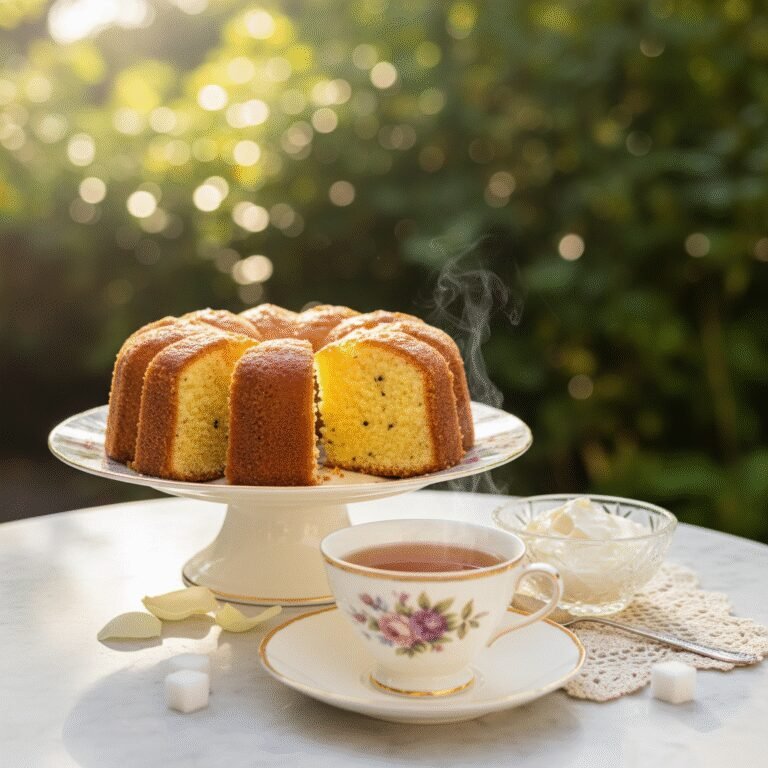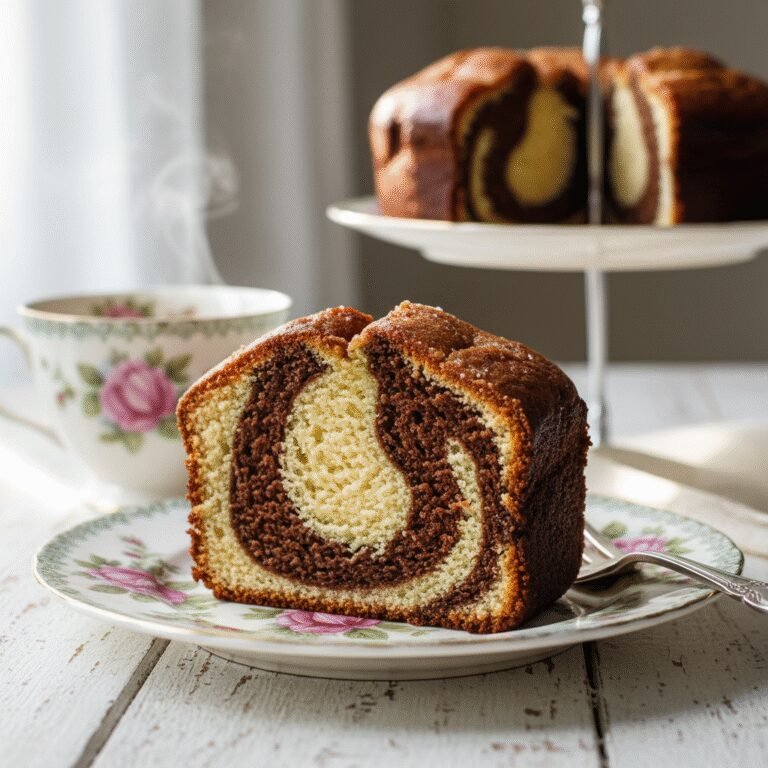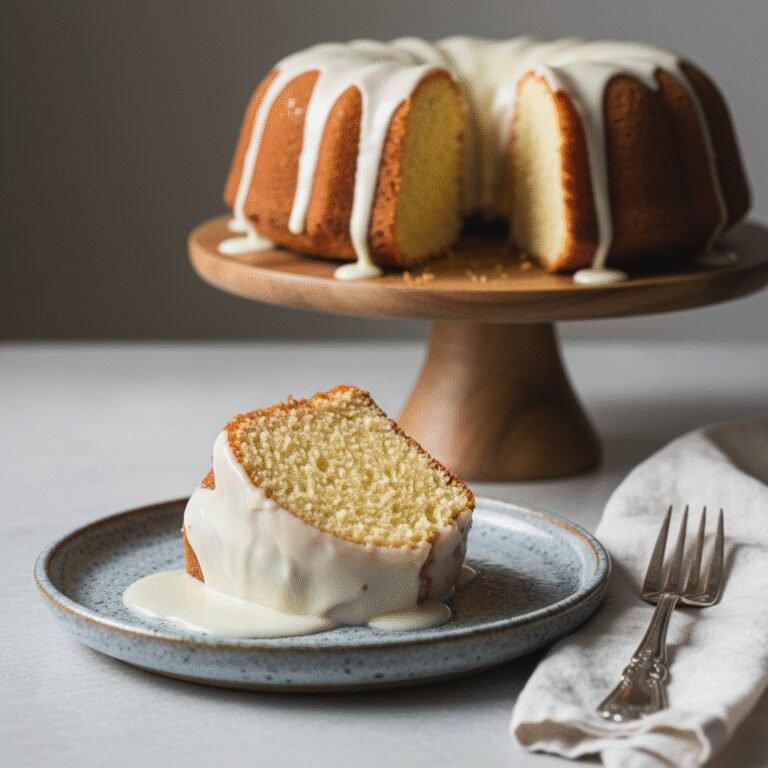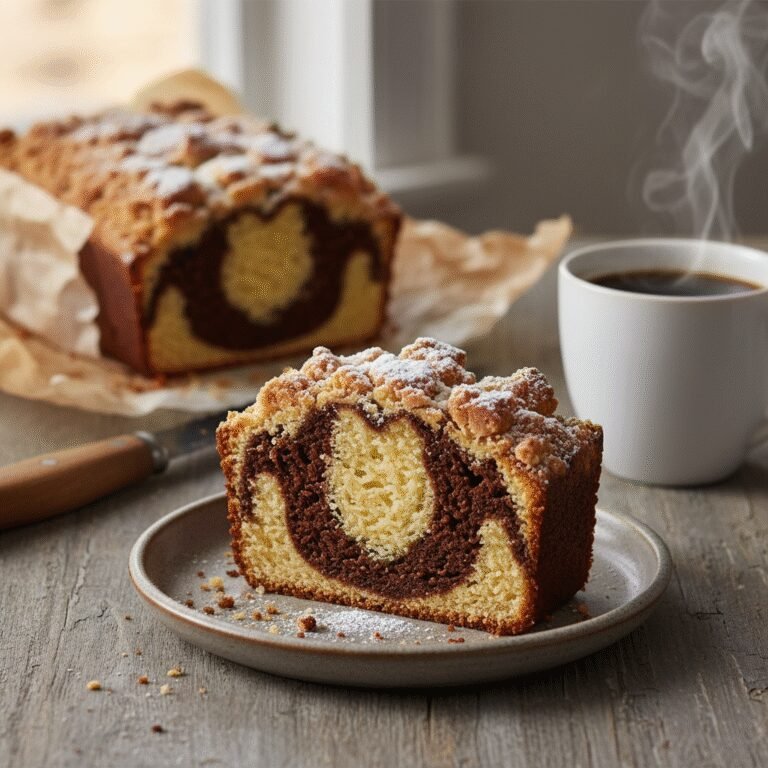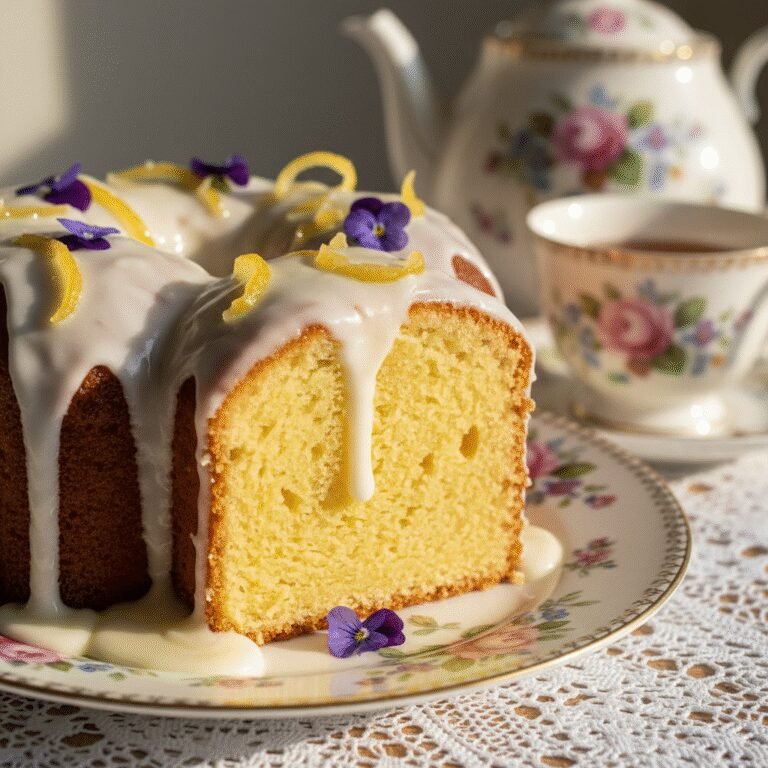
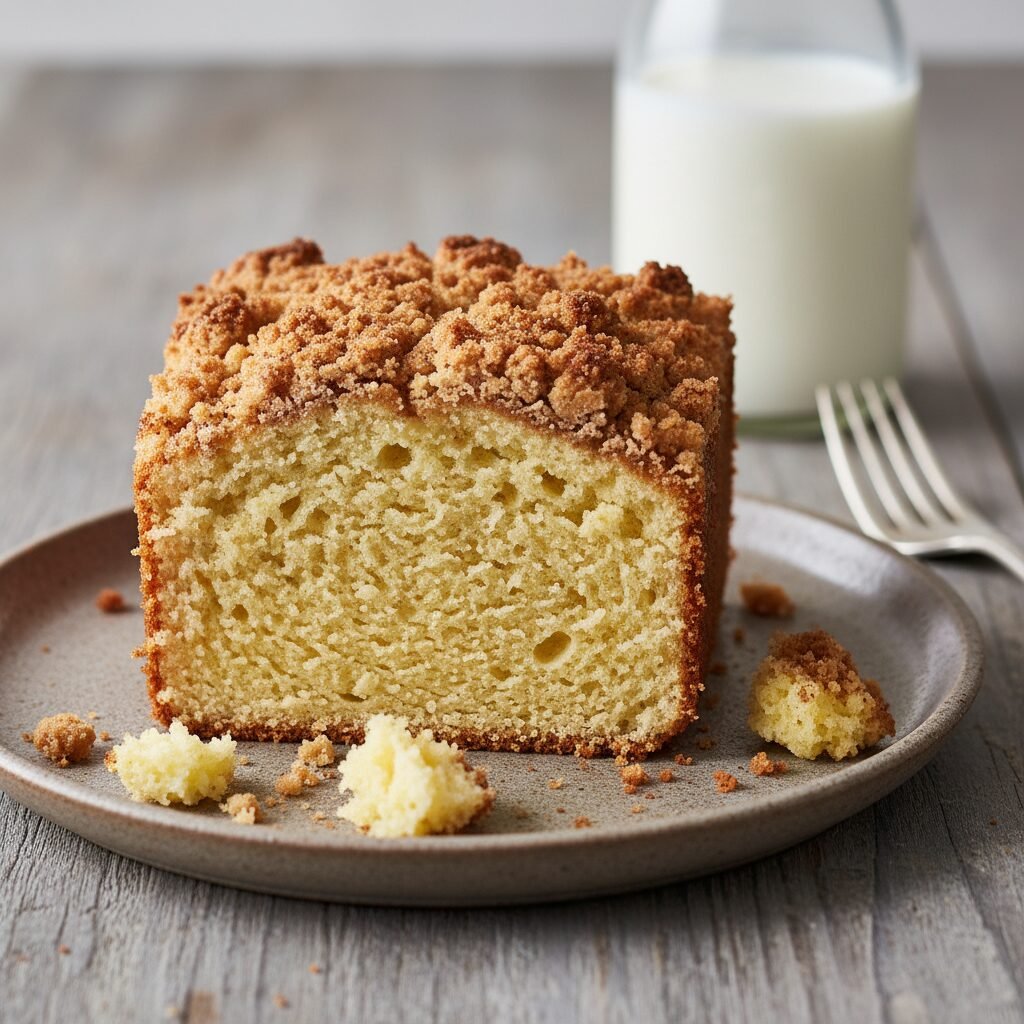
The Ultimate Moist Vanilla Pound Cake With Buttery Crumb Topping
Moist Vanilla Pound Cake With Crumb Topping Recipe
Experience the perfect marriage of a dense, velvety traditional pound cake and a crunchy, cinnamon-spiced streusel. This recipe guarantees a moist crumb every time, making it the ultimate companion for your morning coffee or an elegant afternoon tea.
20 minutes
60 minutes
1 hour 20 minutes
1 Loaf (10-12 Slices)
Dessert
Baking
American
Vegetarian
There is something undeniably comforting about a classic pound cake. It is the little black dress of the baking world—simple, elegant, and always appropriate. But when you take that buttery, dense, melt-in-your-mouth foundation and crown it with a thick layer of golden, cinnamon-spiced crumb topping, you elevate a humble dessert into a masterpiece of texture and flavor. This Moist Vanilla Pound Cake with Crumb Topping is not just another loaf cake; it is a celebration of contrasts. You have the tender, close-crumbed interior that defines a perfect pound cake, juxtaposed against the shattering crunch of a buttery streusel.
For many home bakers, the elusive ‘moist’ factor is the holy grail of pound cake baking. Too often, these cakes can turn out dry or heavy. This recipe solves that problem entirely by incorporating sour cream and carefully managing the ratio of fat to flour. The result is a cake that stays fresh for days and actually improves in flavor and texture the day after baking. The vanilla flavor here is robust, not shy, acting as a warm, aromatic canvas for the sweet, spiced topping. Whether you are looking for a show-stopping brunch item, a comforting dessert to bring to a potluck, or simply a treat to enjoy with a quiet cup of coffee, this recipe delivers on every front. It captures the nostalgia of grandmother’s kitchen while offering a modern twist with that irresistible crumb layer.
History & Origins
The pound cake is a dessert with a lineage as rich as its batter. Dating back to the early 1700s in Northern Europe, the original recipe was named for its simple, easy-to-remember proportions: one pound each of flour, butter, eggs, and sugar. This massive recipe would yield multiple cakes and was a staple in households because the ingredients were readily available on farms. As the recipe migrated to America, specifically the South, it became a beloved tradition, often served at church socials and family gatherings. The first American cookbook, ‘American Cookery’ by Amelia Simmons (1796), included a recipe for pound cake, cementing its place in US culinary history.
However, the version we are making today includes a delightful modification: the crumb topping. This addition draws inspiration from the German tradition of ‘Streuselkuchen’ (crumb cake). German immigrants bringing their baking traditions to America in the 19th century introduced the concept of topping yeast doughs and cakes with a mixture of butter, sugar, and flour. Over time, American bakers began fusing these two distinct traditions. They took the dense, rich base of the Anglo-American pound cake and topped it with the German-style streusel, creating a hybrid that offers the best of both worlds. This recipe pays homage to that culinary evolution, bridging the gap between the dense British loaf and the textured German coffee cake.
Why This Recipe Works
This recipe succeeds where others fail due to a few key scientific principles of baking. First and foremost is the inclusion of sour cream. While traditional pound cakes rely solely on butter and eggs, the addition of sour cream introduces acidity and extra fat. The acid tenderizes the gluten strands in the flour, preventing the cake from becoming tough, while the thick consistency adds moisture without thinning the batter too much, ensuring a dense yet velvety crumb.
Secondly, the ‘creaming method’ is pivotal here. By beating the room-temperature butter and sugar together for a significantly long time (5-7 minutes), we mechanically trap air into the fat. During baking, this trapped air expands, leavening the cake naturally. While we do use baking powder for a boost, that initial aeration is what gives the pound cake its signature fine, tight grain rather than a fluffy, sponge-like texture.
Finally, the crumb topping works because of temperature control. We use cold butter for the topping, cutting it into the flour and sugar. This ensures that the butter doesn’t melt immediately upon hitting the oven heat. Instead, it holds its shape long enough to create those distinct, crunchy nuggets that contrast so beautifully with the soft cake underneath. If melted butter were used, the topping would simply fuse into a sugary glaze, losing that essential textural contrast.
Why You’ll Love This Recipe
- ✓Incredibly moist texture thanks to the addition of sour cream.
- ✓Thick, buttery cinnamon streusel topping adds a perfect crunch.
- ✓Stays fresh and moist for several days, making it perfect for meal prep.
- ✓Uses standard pantry staples—no obscure ingredients required.
- ✓Versatile enough for breakfast, brunch, or dessert.
- ✓Freezes beautifully for future enjoyment.
Equipment You’ll Need
- ✓9×5 inch Loaf Pan
- ✓Stand Mixer or Electric Hand Mixer
- ✓Large Mixing Bowl
- ✓Medium Mixing Bowl (for crumb)
- ✓Rubber Spatula
- ✓Wire Cooling Rack
- ✓Parchment Paper
- ✓Measuring Cups and Spoons
Ingredients
- ✓1 1/2 cups All-Purpose Flour (spooned and leveled)
- ✓1 teaspoon Baking Powder
- ✓1/2 teaspoon Sea Salt
- ✓3/4 cup Unsalted Butter, softened to room temperature
- ✓1 cup Granulated White Sugar
- ✓3 Large Eggs, room temperature
- ✓2 teaspoons Pure Vanilla Extract
- ✓1/2 cup Full-Fat Sour Cream, room temperature
- ✓FOR THE CRUMB TOPPING:
- ✓1/2 cup All-Purpose Flour
- ✓1/3 cup Light Brown Sugar, packed
- ✓1/3 cup Granulated White Sugar
- ✓1 teaspoon Ground Cinnamon
- ✓1/4 cup Unsalted Butter, cold and cubed
Instructions
- Preheat your oven to 350°F (175°C). Grease a 9×5 inch loaf pan generously with butter or non-stick spray and line it with parchment paper, leaving an overhang on the sides for easy removal.
- Prepare the Crumb Topping: In a medium bowl, whisk together the 1/2 cup flour, brown sugar, white sugar, and cinnamon. Add the cold, cubed butter. Use a pastry cutter or your fingers to work the butter into the dry ingredients until the mixture resembles coarse crumbs. Place this bowl in the refrigerator while you make the batter; keeping it cold is crucial.
- Mix Dry Ingredients: In a separate medium bowl, whisk together the 1 1/2 cups flour, baking powder, and salt. Set aside.
- Cream Butter and Sugar: In the bowl of a stand mixer fitted with the paddle attachment (or using a hand mixer), beat the softened butter and 1 cup granulated sugar on medium-high speed. Beat for 5-7 minutes until the mixture is pale, fluffy, and aerated. Scrape down the sides of the bowl as needed.
- Add Eggs: Lower the mixer speed to medium. Add the eggs one at a time, beating well after each addition. Mix in the vanilla extract.
- Combine: Reduce the mixer speed to low. Add half of the flour mixture, mixing just until combined. Add the sour cream, mixing until incorporated. Finally, add the remaining flour mixture. Stop mixing as soon as the flour streaks disappear. Do not overmix.
- Assemble: Pour the batter into the prepared loaf pan and smooth the top with a rubber spatula. Retrieve the crumb topping from the fridge and sprinkle it evenly over the batter, pressing it down very gently.
- Bake: Bake for 55-65 minutes. At the 40-minute mark, check the cake; if the crumb topping is browning too quickly, loosely tent the pan with aluminum foil. The cake is done when a toothpick inserted into the center comes out clean or with just a few moist crumbs attached.
- Cool: Remove from the oven and let the cake cool in the pan for at least 20 minutes. This allows the structure to set. Then, use the parchment paper handles to lift the cake out and place it on a wire rack to cool completely before slicing.
Expert Cooking Tips
- ✓Room Temperature is Key: Ensure your butter, eggs, and sour cream are at room temperature. This allows them to emulsify properly, creating a smooth batter that rises evenly.
- ✓Don’t Scoop the Flour: Weigh your flour or use the ‘spoon and level’ method. Scooping directly with the measuring cup packs the flour down, leading to a dry, dense cake.
- ✓Keep the Crumb Cold: If your kitchen is warm, keep the crumb topping in the fridge until the very last second. Cold butter in the topping ensures it stays crumbly rather than melting flat.
- ✓Tent with Foil: Crumb toppings contain sugar which burns easily. Watch your oven closely after 40 minutes and cover with foil if it gets too dark.
- ✓Patience in Cooling: Pound cake is fragile when hot. If you try to remove it from the pan too early, it may crack or fall apart.
Substitutions and Variations
This recipe is quite adaptable to dietary needs and pantry availability. If you do not have sour cream, full-fat Greek yogurt is the best 1:1 substitute, as it has a similar tang and texture. Buttermilk can also be used, though the batter will be slightly thinner. For a Gluten-Free version, use a high-quality 1:1 gluten-free baking flour blend that contains xanthan gum; the texture may be slightly different but still delicious. If you want to vary the flavor profile, you can swap the vanilla extract for almond extract (use half the amount) or add lemon zest to the sugar during the creaming process for a citrus twist. For the crumb topping, you can add chopped walnuts or pecans for extra crunch, or substitute the cinnamon for pumpkin pie spice during the autumn months.
Common Mistakes to Avoid
The most common mistake with pound cake is overmixing the batter after adding the flour. Once the flour hits the liquid, gluten begins to form. Too much mixing creates a tough, rubbery cake rather than a tender one. Another frequent error is under-creaming the butter and sugar. You really need that full 5-7 minutes to drive air into the mixture; if you rush this step, your cake will be heavy and dense in an unpleasant way. Additionally, opening the oven door too frequently causes temperature fluctuations that can cause the cake to sink in the middle. Trust your timer and only check towards the end. Finally, using melted butter instead of softened butter for the batter will ruin the structure—it must be solid but soft.
Serving Suggestions
This Moist Vanilla Pound Cake is incredibly versatile. Serve it warm or at room temperature. It pairs exceptionally well with a dollop of freshly whipped cream and a side of fresh berries (strawberries or raspberries) to cut through the richness. For a decadent dessert, serve a slice slightly warmed with a scoop of vanilla bean ice cream and a drizzle of salted caramel sauce. It is also the perfect companion to a strong cup of dark roast coffee or an Earl Grey tea, making it an ideal choice for breakfast or an afternoon pick-me-up.
Storage and Reheating Tips
Pound cake actually tastes better the next day as the flavors have time to meld and the moisture redistributes. Store the fully cooled cake in an airtight container at room temperature for up to 3-4 days. If you live in a very hot or humid climate, you may want to store it in the refrigerator, but bring it to room temperature before eating for the best texture. To freeze, wrap individual slices or the whole loaf tightly in plastic wrap, then place in a heavy-duty freezer bag. It will keep well for up to 3 months. Thaw on the counter for a few hours before serving.
Nutrition Facts (Estimated)
| Serving Size | 1 Slice |
| Calories | 420 |
| Fat | 22g |
| Saturated Fat | 13g |
| Unsaturated Fat | 8g |
| Trans Fat | 0g |
| Cholesterol | 85mg |
| Sodium | 210mg |
| Carbohydrates | 52g |
| Fiber | 1g |
| Sugar | 28g |
| Protein | 5g |
Frequently Asked Questions
Why did my crumb topping sink to the bottom?
This usually happens if the batter is too thin or if you pressed the topping down too hard. Ensure your batter is thick (don’t over-mix) and just gently sprinkle the topping on the surface.
Can I make this recipe in a bundt pan?
Yes, but the crumb topping is tricky in a bundt pan since it will end up on the bottom. It is best to put half the batter in, sprinkle a layer of crumb (swirl it slightly), and top with the rest of the batter, essentially making a coffee cake swirl instead of a topping.
Why is my pound cake dry?
Dryness is usually caused by over-baking or measuring too much flour. Get an oven thermometer to ensure your oven isn’t running hot, and always spoon and level your flour.
Can I use salted butter?
Yes, you can use salted butter, but you should reduce the added salt in the recipe to 1/4 teaspoon to prevent the cake from tasting too salty.
How do I know when the cake is perfectly done?
Insert a toothpick or skewer into the deepest part of the center. It should come out clean or with a few moist crumbs. If it has wet batter on it, it needs more time.
Can I add fruit to this cake?
Absolutely. Blueberries or diced apples work well. Toss the fruit in a tablespoon of flour before folding them into the batter to prevent them from sinking to the bottom.
Why did my cake crack on top?
A crack down the center is actually characteristic of a good pound cake! It happens because the outside sets before the rising center. It is considered a sign of a proper rise.
Can I use oil instead of butter?
For this specific recipe, butter is recommended for flavor and the specific aeration needed for the pound cake texture. Oil makes a moister cake but you lose the fluffy structure created by creaming butter.
Conclusion
Baking this Moist Vanilla Pound Cake with Crumb Topping is an act of self-care and love for those you feed. It transforms simple, humble ingredients into a treat that feels luxurious and satisfying. The smell of vanilla and cinnamon wafting through your home is enough to gather the family into the kitchen before the timer even goes off. Whether you are a novice baker or a seasoned pro, this recipe is forgiving, reliable, and guaranteed to impress. So, preheat your oven, brew a fresh pot of coffee, and get ready to enjoy the best slice of cake you’ve had in a long time.