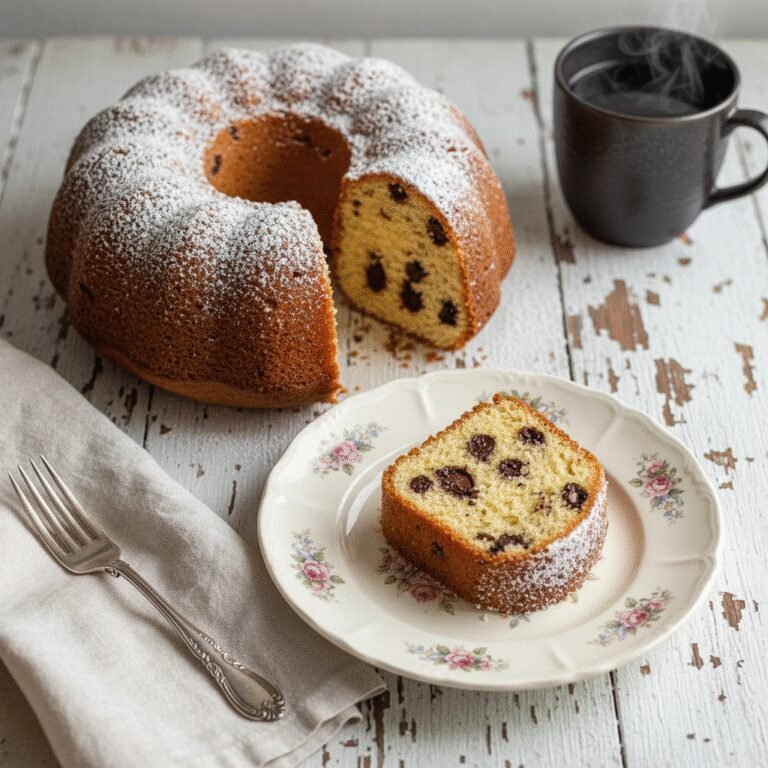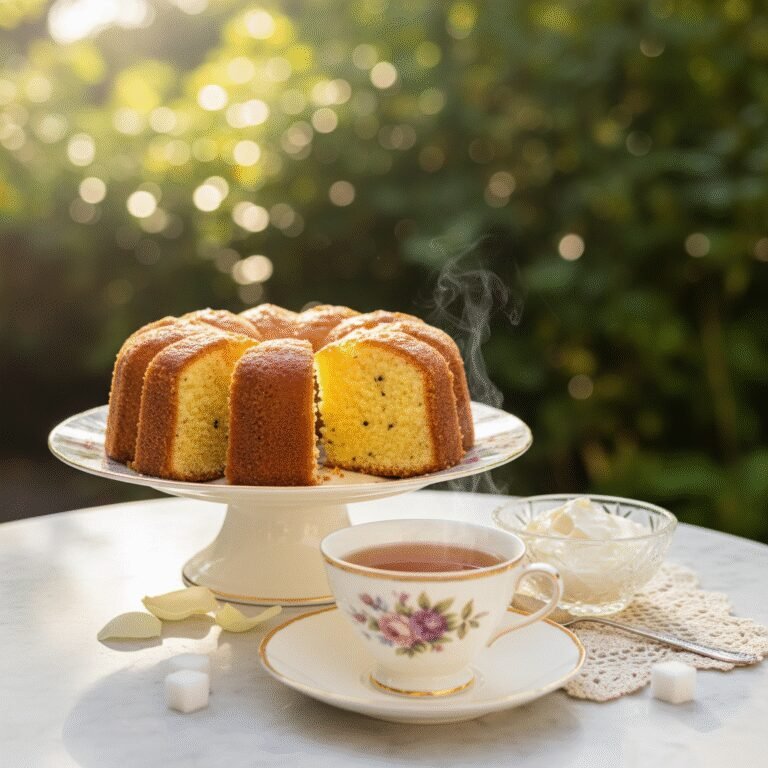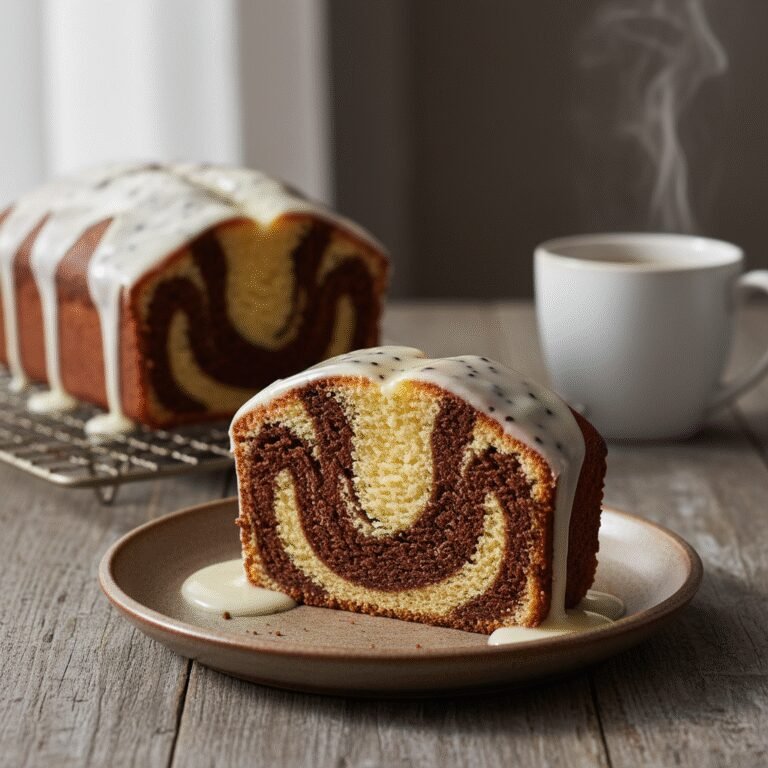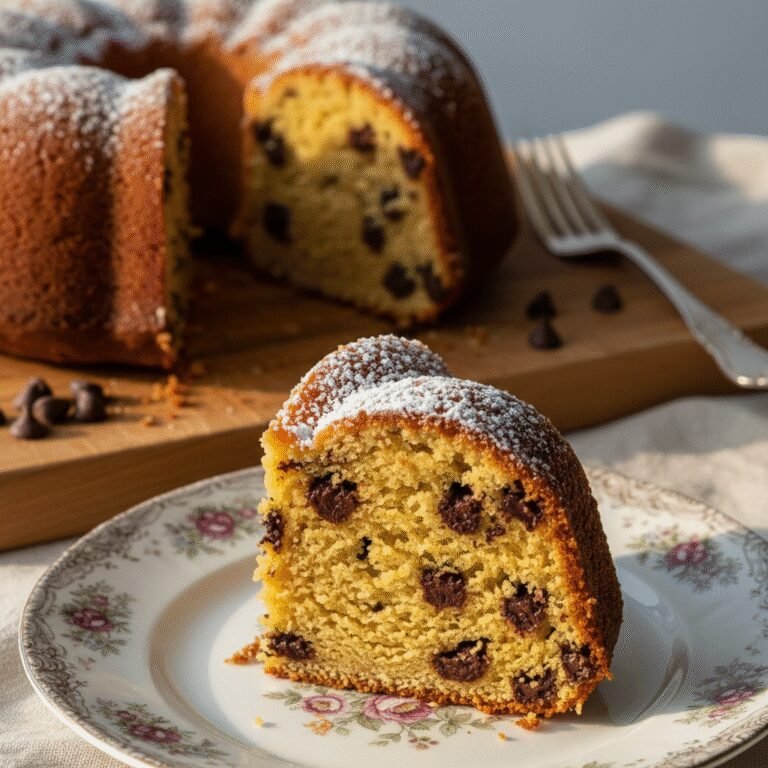
The Ultimate Moist Vanilla Pound Cake With Zesty Lemon Glaze
Moist Vanilla Pound Cake With Lemon Glaze Recipe
Experience the perfect marriage of dense, buttery crumb and bright, citrusy sweetness with this fail-proof vanilla pound cake. Infused with sour cream for supreme moisture and topped with a tart lemon glaze, this recipe transforms a classic tea-time staple into an unforgettable dessert centerpiece.
20 minutes
60 minutes
1 hour 30 minutes
1 Loaf (10-12 servings)
Dessert
Baking
American / British
Vegetarian
There are few things in the culinary world as comforting and nostalgic as a slice of perfectly baked pound cake. It is the kind of dessert that doesn’t need to hide behind layers of frosting or complex fillings; its beauty lies in its simplicity and its texture. However, finding a recipe that achieves that elusive balance—a crumb that is tight and dense yet incredibly moist and tender—can be a challenge. Many pound cakes lean too far into the dry territory, requiring a beverage just to wash them down. This Moist Vanilla Pound Cake with Lemon Glaze is the antithesis of those dry experiences. It is rich, buttery, and velvety, with a melt-in-your-mouth quality that keeps you coming back for just one more thin slice.
The secret to this recipe’s success lies in the inclusion of sour cream and the careful creaming of butter and sugar. The vanilla flavor is profound, acting as a warm, aromatic canvas for the bright, zesty punch of the lemon glaze that is drizzled over the top while the cake is still slightly warm. This contrast between the deep, sweet richness of the cake and the sharp, acidic brightness of the lemon is what elevates this from a simple loaf to a gourmet experience. Whether you are serving this at a sophisticated brunch, a casual afternoon tea, or simply keeping it on the counter for a midnight snack, this pound cake promises to deliver joy in every bite. It is sturdy enough to hold up in a lunchbox yet elegant enough to serve to guests on your finest china.
History & Origins
The history of the pound cake is as rich and dense as the cake itself, dating back to the early 1700s in Northern Europe. The original name, ‘pound cake,’ was literal: the recipe called for one pound each of flour, butter, eggs, and sugar. This simple 1:1:1:1 ratio made it easy for bakers to remember the recipe in an era before standardized measuring cups and spoons were commonplace. These early cakes were massive, heavy, and dense, often baked in large pans to feed large families or gatherings. Because there were no chemical leaveners like baking powder or baking soda available at the time, the lift depended entirely on the mechanical action of beating air into the butter and eggs—a labor-intensive process that required significant arm strength.
As the recipe traveled to America and evolved through the 19th and 20th centuries, bakers began to modify the ratios to create a lighter, more palatable texture. The introduction of chemical leaveners allowed for a rise that didn’t rely solely on aeration, leading to a softer crumb. By the mid-1900s, the addition of ‘shortening’ agents like sour cream, milk, or cream cheese became popular in the Southern United States, creating the ‘velvet’ texture we prize today. This specific variation, incorporating vanilla and a citrus glaze, pays homage to the British tradition of ‘drizzle cakes,’ bridging the gap between the hearty, historic pound cake and the delicate, flavored tea cakes of modern patisserie.
Why This Recipe Works
This recipe succeeds where many others fail because it addresses the two biggest enemies of pound cake: dryness and lack of flavor. First, the inclusion of full-fat sour cream is scientifically crucial. The acidity in the sour cream tenderizes the gluten strands in the flour, preventing the cake from becoming tough, while the extra fat content ensures the crumb remains moist for days after baking. Unlike milk, which adds liquid but not density, sour cream adds body to the batter, supporting the classic dense structure of a pound cake without making it heavy.
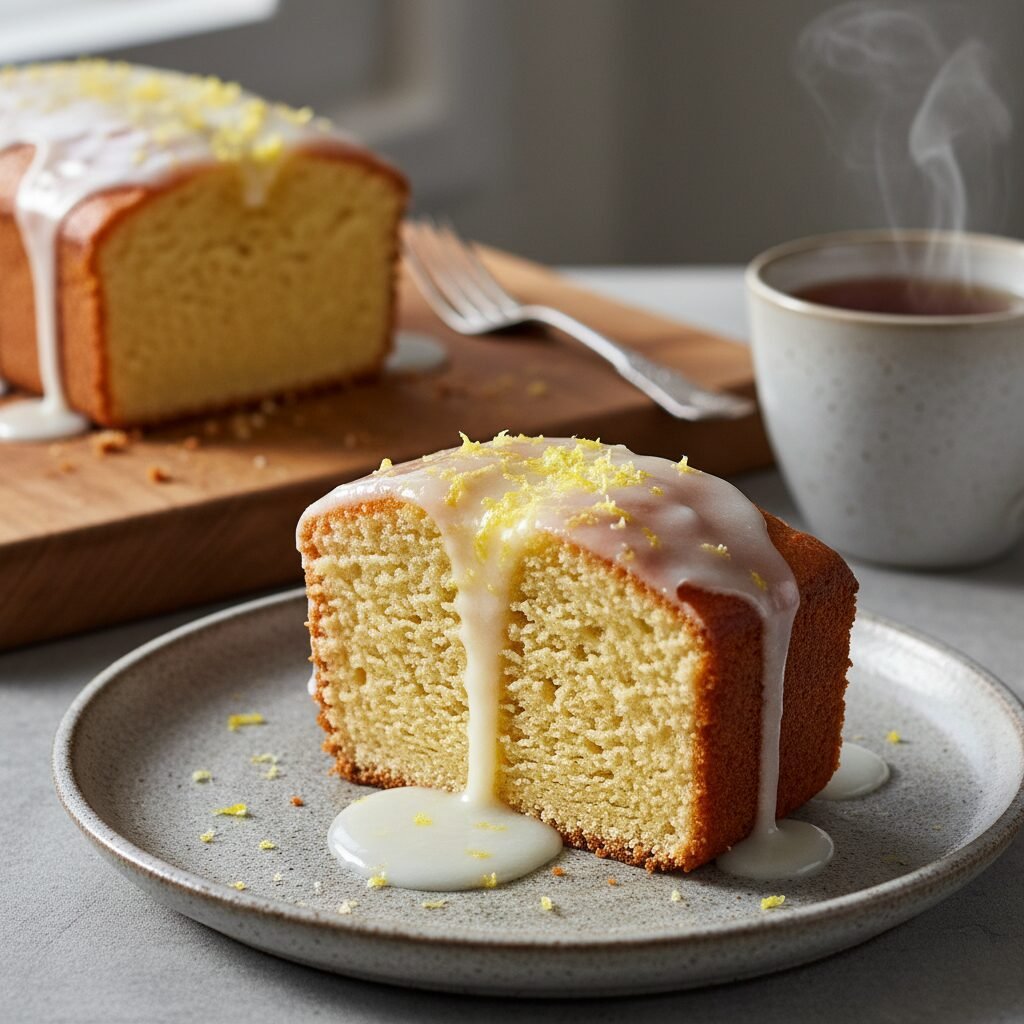
Secondly, we utilize the ‘creaming method’ to its fullest potential. By beating the butter and sugar for a full 5-7 minutes, we force air bubbles into the fat. During baking, the baking powder expands these bubbles, creating a uniform, velvety texture. We also use a combination of granulated sugar for structure and a high quality vanilla extract for aroma. The glaze is not just a topping; it acts as a seal. By pouring the glaze over the cake while it is slightly warm, a portion of the lemon syrup seeps into the top crust, infusing the upper layer with moisture and flavor, while the rest sets into a beautiful, crackly white finish. This duality of texture—soft cake and crisp glaze—creates the perfect mouthfeel.
Why You’ll Love This Recipe
- ✓Stays moist for up to 5 days thanks to the sour cream.
- ✓Perfect balance of sweet vanilla and tart lemon.
- ✓Dense, velvety crumb that doesn’t crumble apart.
- ✓Freezes beautifully for make-ahead desserts.
- ✓Requires simple pantry staples you likely already have.
- ✓Elegant presentation with minimal decorating effort.
Equipment You’ll Need
- ✓9×5 inch Loaf Pan
- ✓Stand Mixer or Electric Hand Mixer
- ✓Large Mixing Bowl
- ✓Medium Bowl (for dry ingredients)
- ✓Whisk
- ✓Rubber Spatula
- ✓Cooling Rack
- ✓Zester/Microplane
Ingredients
- ✓1 1/2 cups All-Purpose Flour (spooned and leveled)
- ✓1/2 tsp Baking Powder
- ✓1/4 tsp Salt
- ✓1 cup Unsalted Butter, softened to room temperature
- ✓1 cup Granulated Sugar
- ✓4 Large Eggs, room temperature
- ✓2 tsp Pure Vanilla Extract
- ✓1/2 cup Full-Fat Sour Cream, room temperature
- ✓FOR THE GLAZE:
- ✓1 cup Confectioners’ (Powdered) Sugar
- ✓2 tbsp Fresh Lemon Juice
- ✓1 tsp Lemon Zest
Instructions
- Preheat your oven to 325°F (163°C). Grease a 9×5 inch loaf pan generously with butter and dust with flour, or line it with parchment paper leaving an overhang for easy removal.
- In a medium bowl, whisk together the flour, baking powder, and salt. Set this dry mixture aside.
- In the bowl of a stand mixer fitted with the paddle attachment (or a large bowl with a hand mixer), cream the softened butter and granulated sugar together on medium-high speed. Beat for 5-7 minutes until the mixture is pale yellow and very fluffy. Scrape down the sides of the bowl halfway through.
- Reduce the mixer speed to medium. Add the eggs one at a time, beating well after each addition. If the batter looks curdled, don’t panic; it will come together when the flour is added. Stir in the vanilla extract.
- Reduce the mixer speed to low. Add half of the flour mixture and mix until just combined. Then, add the sour cream and mix until incorporated. Finally, add the remaining flour mixture and mix until just combined. Do not overmix.
- Use a rubber spatula to give the batter a final gentle fold by hand to ensure no flour pockets remain at the bottom. Pour the batter into the prepared loaf pan and smooth the top.
- Bake for 55-65 minutes. The cake is done when the top is golden brown and a toothpick inserted into the center comes out clean or with just a few moist crumbs attached. If the top is browning too quickly, tent loosely with aluminum foil after 40 minutes.
- Remove the cake from the oven and let it cool in the pan for 15 minutes. Then, carefully remove it from the pan and transfer it to a wire rack to cool completely.
- While the cake cools, make the glaze. Whisk together the confectioners’ sugar, fresh lemon juice, and lemon zest in a small bowl until smooth. The consistency should be thick but pourable.
- Once the cake is cool (or slightly warm if you want the glaze to soak in), pour the glaze over the top, letting it drip down the sides. Allow the glaze to set for 15 minutes before slicing.
Expert Cooking Tips
- ✓Room temperature ingredients are non-negotiable. Cold butter won’t aerate properly, and cold eggs can curdle the batter.
- ✓Measure flour correctly. Do not scoop directly from the bag. Spoon the flour into the measuring cup and level it off with a knife to avoid a dense, dry cake.
- ✓Don’t skip the long creaming time. The 5-7 minutes of beating butter and sugar creates the structure of the cake.
- ✓Tent with foil. Pound cakes bake for a long time. If the top gets dark before the center is cooked, cover it loosely with foil.
- ✓Tap the pan on the counter before baking to release any large air bubbles trapped in the thick batter.
- ✓Wait to slice. Pound cake structure sets as it cools. Slicing it while piping hot may cause it to fall apart or look gummy.
Substitutions and Variations
If you do not have sour cream, full-fat Greek yogurt is an excellent 1:1 substitution that provides similar acidity and moisture. In a pinch, you can also use buttermilk, though the batter will be slightly thinner. For the flour, Cake Flour can be used instead of All-Purpose for an even finer, tighter crumb, but increase the volume by 2 tablespoons per cup. If you are out of fresh lemons, you can make a vanilla glaze using milk and vanilla extract instead of lemon juice, or an orange glaze using orange juice and zest. For a dairy-free version, use a high-quality plant-based butter stick and a dairy-free yogurt alternative, though the texture may vary slightly.
Common Mistakes to Avoid
The most common mistake is overmixing the batter after adding the flour. Once the flour touches the liquid, gluten begins to form. Overworking it results in a tough, rubbery loaf rather than a tender one. Another error is opening the oven door too frequently; the fluctuation in temperature can cause the heavy cake to collapse in the center. Lastly, using a spreadable tub margarine instead of real butter will ruin the structure; pound cake relies on the specific fat content and solid state of real butter.
Serving Suggestions
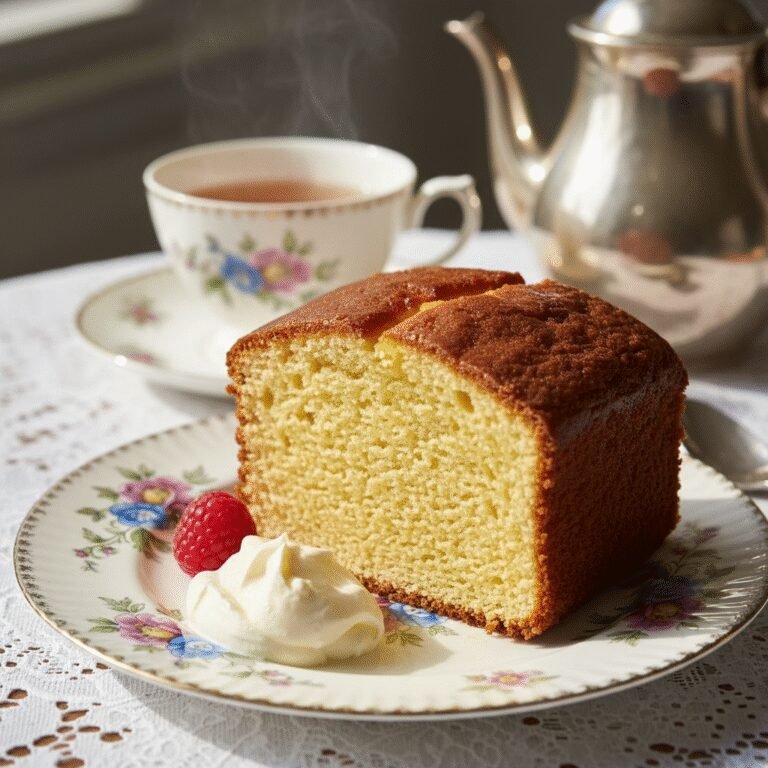
This cake shines when served in thick slices with a cup of Earl Grey tea or black coffee. For a dessert presentation, serve a slice with a dollop of fresh whipped cream and a handful of macerated strawberries or raspberries. It is also excellent toasted in a skillet with a little butter for breakfast.
Storage and Reheating Tips
Store the cake in an airtight container at room temperature for up to 3 days. The glaze acts as a barrier, keeping moisture in. For longer storage, wrap the cake tightly in plastic wrap and keep it in the refrigerator for up to a week, though this may slightly dry the crumb. To freeze, wrap individual slices or the whole loaf in plastic wrap followed by a layer of aluminum foil. Freeze for up to 3 months. Thaw on the counter before serving.
Nutrition Facts (Estimated)
| Serving Size | 1 slice |
| Calories | 380 |
| Fat | 18g |
| Saturated Fat | 11g |
| Unsaturated Fat | 6g |
| Trans Fat | 0g |
| Cholesterol | 85mg |
| Sodium | 180mg |
| Carbohydrates | 48g |
| Fiber | 1g |
| Sugar | 28g |
| Protein | 5g |
Frequently Asked Questions
Why did my pound cake sink in the middle?
This usually happens if the cake was underbaked or if the oven door was opened too early, causing a temperature drop. It can also result from over-creaming the butter and sugar (too much air) or using too much leavening agent.
Can I bake this in a Bundt pan?
Yes, but this recipe yields one standard loaf. For a standard 10-12 cup Bundt pan, you will need to double the recipe. Bake time will likely increase to 75-90 minutes for a doubled recipe.
Why is my cake dry?
Dryness is typically caused by over-baking or over-measuring the flour. Always spoon and level your flour. Also, ensure your oven temperature is accurate by using an oven thermometer.
Can I add mix-ins like blueberries or nuts?
Absolutely. You can fold in up to 1 cup of blueberries, chocolate chips, or chopped nuts. Toss them in a tablespoon of flour before adding to the batter to prevent them from sinking to the bottom.
Do I have to use fresh lemon juice for the glaze?
Fresh is best for the bright, zesty flavor, but bottled lemon juice will work in a pinch. The flavor just won’t be as vibrant.
Can I use salted butter?
Yes, you can use salted butter. If you do, omit the 1/4 teaspoon of salt listed in the dry ingredients to avoid an overly salty cake.
How do I know when the butter is properly creamed?
The mixture should transform from yellow and gritty to pale ivory and fluffy, resembling the texture of frosting. It usually takes 5 to 7 minutes of beating.
Can I make this recipe gluten-free?
Yes, you can substitute the all-purpose flour with a high-quality 1:1 Gluten-Free Baking Flour blend that contains xanthan gum. The texture may be slightly different, but still delicious.
Conclusion
This Moist Vanilla Pound Cake with Lemon Glaze is more than just a recipe; it is a reliable companion for life’s sweet moments. Whether you are an experienced baker looking for the ultimate base recipe or a novice wanting to impress your friends, this loaf delivers on every front. The contrast of the tender, vanilla-scented crumb against the sharp, sugary crackle of the lemon glaze creates a harmony of flavors that is timeless. Bake it for a friend, bring it to a potluck, or keep it all to yourself—we won’t judge. Happy baking!