
The Ultimate Moist Vanilla Pound Cake Recipe
Moist Vanilla Pound Cake Recipe
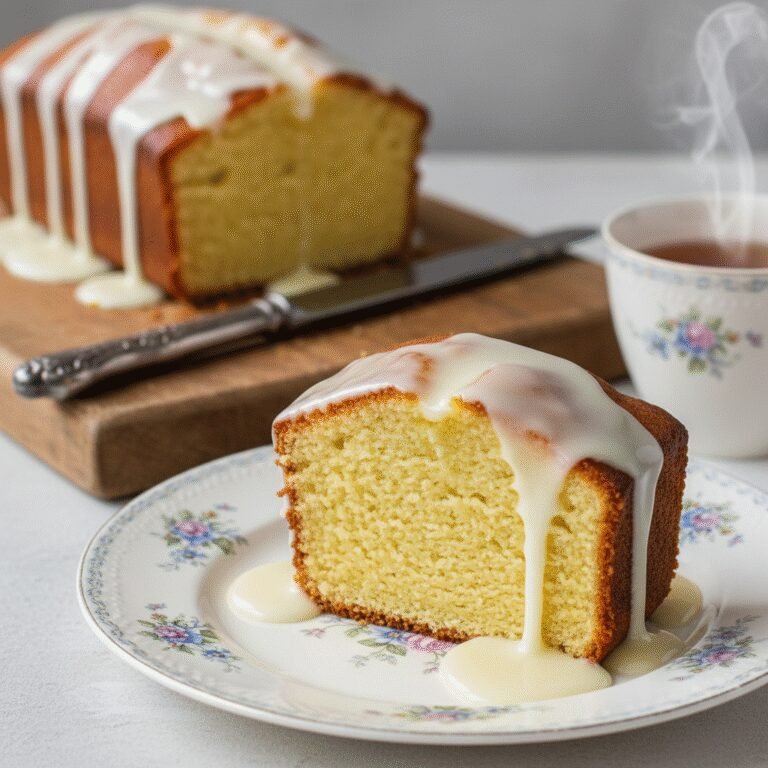
Experience the nostalgia of a classic dessert with this ultra-moist vanilla pound cake recipe. Featuring a dense, velvety crumb and a rich buttery flavor, this loaf is elevated with a hint of sour cream and pure vanilla bean paste for the perfect melt-in-your-mouth texture.
20 minutes
60 minutes
1 hour 30 minutes
1 Loaf (10-12 servings)
Dessert
Baking
American
Vegetarian
There is something profoundly comforting about a slice of homemade pound cake. Unlike light and airy sponge cakes, a true pound cake offers a dense, velvety crumb that feels substantial and satisfying with every bite. This Moist Vanilla Pound Cake recipe is the culmination of years of testing to find the perfect balance between that traditional heavy texture and a moist, tender mouthfeel that never feels dry. The aroma that fills the kitchen while this bakes—a heady mix of caramelized sugar, high-quality butter, and floral vanilla—is enough to gather the whole family. While pound cake is often viewed as a humble, plain dessert, its simplicity is its greatest strength. It serves as the perfect canvas for seasonal fruits, whipped creams, or decadent glazes, yet it stands majestically on its own. In this recipe, we move away from the dry, crumbly loaves of the past by incorporating sour cream and cake flour, ensuring that the cake remains fresh and soft for days. Whether you are serving it at a summer picnic with macerated strawberries or toasting a slice for breakfast with a pat of salted butter, this recipe promises to become a staple in your baking repertoire. It captures the essence of old-fashioned baking while utilizing modern techniques to guarantee success every single time.
History & Origins
The pound cake is a dessert with deep historical roots, dating back to the early 1700s in Northern Europe. The original recipe was incredibly easy to remember for the illiterate population of the time: it called for exactly one pound each of four ingredients—flour, butter, eggs, and sugar. This 1:1:1:1 ratio produced a very dense, heavy cake that was quite different from the lighter versions we enjoy today. As the recipe migrated to America, it became a staple in Southern cuisine, often referred to as the ‘mother of all butter cakes.’ Over the centuries, bakers began to tweak the formula to improve the texture. In the mid-19th century, chemical leaveners like baking soda and baking powder were introduced, allowing the cake to rise more effectively and become lighter. Additionally, ingredients like milk, sour cream, and juices were added to adjust the moisture content. The flavor profile also evolved; while early versions were often flavored with rose water or dried fruit, vanilla became the dominant flavor pairing in the 20th century. Despite these changes, the name ‘pound cake’ stuck, serving as a nod to its heavy, rich origins. Today, the pound cake remains a beloved classic, symbolizing hospitality and comfort in American households, often featured at church potlucks, holiday gatherings, and afternoon teas.
Why This Recipe Works
This recipe succeeds where many others fail because it meticulously balances the ratio of fat to flour while introducing acidic dairy to tenderize the crumb. Traditional pound cakes can often turn out dry or tough if overmixed or baked too long. To combat this, we use cake flour instead of all-purpose flour. Cake flour has a lower protein content, which inhibits gluten formation, resulting in a softer, more tender texture that melts on the tongue. Furthermore, the inclusion of full-fat sour cream is a game-changer. The acidity in the sour cream breaks down the gluten strands slightly, while the extra fat content ensures the cake stays moist long after it has cooled. We also utilize the ‘creaming method’—beating the butter and sugar until pale and fluffy—which mechanically incorporates air into the batter. This provides the primary lift and structure, supported gently by a small amount of baking powder. Finally, baking at a slightly lower temperature (325°F instead of 350°F) allows the dense batter to cook evenly to the center without burning the crust, ensuring a golden exterior and a perfectly cooked interior.
Why You’ll Love This Recipe
- ✓Uses sour cream for incredible moisture and shelf life.
- ✓Cake flour ensures a tender, fine crumb rather than a tough texture.
- ✓Rich buttery flavor enhanced by vanilla bean paste.
- ✓Sturdy enough to slice thinly without crumbling.
- ✓Freezes beautifully for make-ahead desserts.
- ✓Versatile base for various toppings and glazes.
Equipment You’ll Need
- ✓9×5 inch Loaf Pan
- ✓Stand Mixer or Electric Hand Mixer
- ✓Rubber Spatula
- ✓Wire Cooling Rack
- ✓Measuring Cups and Spoons
- ✓Sifter
Ingredients
- ✓1 cup (2 sticks) unsalted butter, softened to room temperature
- ✓1 1/2 cups granulated sugar
- ✓3 large eggs, room temperature
- ✓1 1/2 teaspoons pure vanilla extract or vanilla bean paste
- ✓1/2 cup full-fat sour cream, room temperature
- ✓1 1/2 cups cake flour, sifted
- ✓1/2 teaspoon baking powder
- ✓1/2 teaspoon salt
Instructions
- Preheat your oven to 325°F (163°C). Grease a 9×5 inch loaf pan generously with butter and dust with flour, tapping out the excess, or line it with parchment paper leaving an overhang for easy removal.
- In a medium bowl, sift together the cake flour, baking powder, and salt. Set this dry mixture aside.
- In the bowl of a stand mixer fitted with the paddle attachment (or using a hand mixer), beat the softened butter and granulated sugar on medium-high speed for about 5-7 minutes. The mixture should look pale yellow, fluffy, and aerated. Do not rush this step.
- Reduce the mixer speed to medium. Add the eggs one at a time, beating well after each addition and scraping down the sides of the bowl with a rubber spatula to ensure everything is incorporated.
- Mix in the vanilla extract (or paste) and the sour cream until combined. The mixture might look slightly curdled at this stage; this is normal.
- Reduce the mixer speed to low. Gradually add the dry ingredients in two batches, mixing only until the flour streaks disappear. Do not overmix, or the cake will be tough.
- Pour the batter into the prepared loaf pan and smooth the top with a spatula. Tap the pan gently on the counter to release any large air bubbles.
- Bake in the center of the oven for 60-70 minutes. Check for doneness by inserting a toothpick or skewer into the center of the cake; it should come out clean or with just a few moist crumbs attached.
- Remove from the oven and let the cake cool in the pan for 15 minutes. Then, gently lift it out using the parchment paper or invert it onto a wire rack to cool completely before slicing.
Expert Cooking Tips
- ✓Room temperature ingredients are non-negotiable. Cold eggs or sour cream can cause the batter to break, resulting in a greasy cake.
- ✓Measure flour correctly by spooning it into the cup and leveling it off, or use a kitchen scale. Scooping directly packs too much flour, leading to a dry cake.
- ✓Do not open the oven door for the first 45 minutes of baking. Drafts can cause the pound cake to collapse.
- ✓If the top is browning too quickly before the center is done, tent the loaf loosely with aluminum foil for the last 15 minutes of baking.
- ✓Beat the butter and sugar sufficiently. This process creates air pockets that expand during baking, giving the cake its lift.
Substitutions and Variations
If you do not have cake flour, you can make a substitute by measuring 1 1/2 cups of all-purpose flour, removing 3 tablespoons, and replacing them with 3 tablespoons of cornstarch. Sift together twice to aerate. Full-fat Greek yogurt can be used as a direct 1:1 substitute for sour cream if you prefer a slightly tangier flavor. If you only have salted butter, omit the 1/2 teaspoon of added salt in the recipe. For a citrus twist, rub 1 tablespoon of lemon or orange zest into the sugar before creaming it with the butter.
Common Mistakes to Avoid
The most common mistake is overmixing the batter after adding the flour. This activates the gluten and turns a tender cake into a rubbery loaf. Another error is using a tub of margarine or spread instead of real butter; pound cake relies on the fat structure of real butter. Finally, slicing the cake while it is still warm can cause it to fall apart and appear gummy. Pound cake needs to set as it cools to achieve the correct texture.
Serving Suggestions
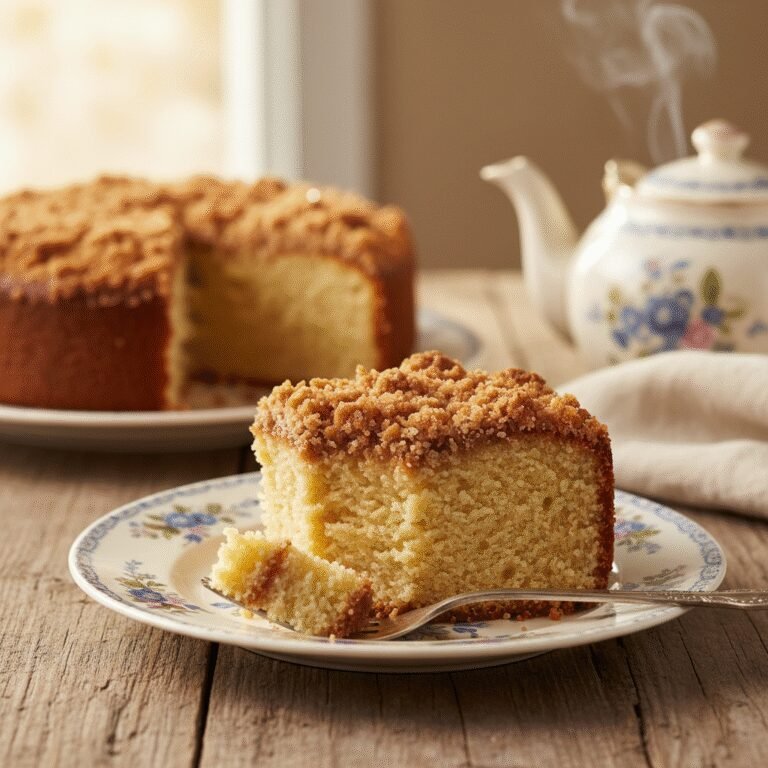
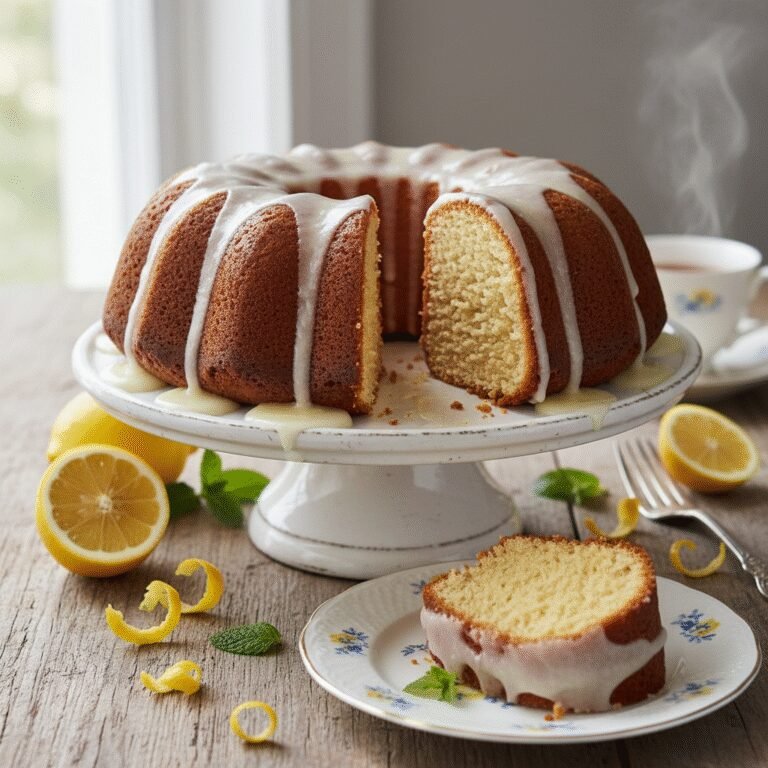
This cake is delicious on its own, but it pairs beautifully with fresh berries and a dollop of whipped cream. For a dessert course, try grilling slices of the pound cake and topping them with vanilla ice cream and warm caramel sauce. It is also excellent served with coffee or tea in the afternoon. A simple glaze made of powdered sugar and lemon juice can be drizzled over the cooled cake for an elegant finish.
Storage and Reheating Tips
Store the completely cooled cake in an airtight container or wrap it tightly in plastic wrap at room temperature for up to 3 days. Pound cake actually tastes better the day after baking as the flavors meld and the moisture redistributes. To freeze, wrap the loaf (or individual slices) in plastic wrap, then in aluminum foil, and place in a freezer bag for up to 3 months. Thaw at room temperature before serving.
Nutrition Facts (Estimated)
| Serving Size | 1 slice |
| Calories | 380 |
| Fat | 20g |
| Saturated Fat | 12g |
| Unsaturated Fat | 7g |
| Trans Fat | 0.5g |
| Cholesterol | 95mg |
| Sodium | 180mg |
| Carbohydrates | 45g |
| Fiber | 0.5g |
| Sugar | 24g |
| Protein | 5g |
Frequently Asked Questions
Why did my pound cake fall in the middle?
This usually happens if the cake was underbaked or if the oven door was opened too early, introducing a draft. It can also result from over-creaming the butter and sugar, incorporating too much air that the structure cannot support.
Can I bake this in a bundt pan?
Yes, but you may need to double the recipe for a standard 10-12 cup bundt pan. The baking time will also increase significantly, likely to 75-90 minutes.
Why is my cake dry?
Dryness is typically caused by overmeasuring flour (scooping instead of spoon-and-level) or overbaking. Check the cake 5 minutes before the suggested time.
Can I use low-fat ingredients?
It is not recommended. Pound cake relies on fat for moisture and tenderness. Using low-fat butter or sour cream will result in a rubbery, less flavorful cake.
How do I get that nice crack on top?
The crack is characteristic of a dense pound cake. To encourage a centered crack, you can pipe a thin line of softened butter down the center of the batter before baking.
My crust is too dark/hard, what happened?
Your oven might be running hot. Use an oven thermometer to verify the temperature. Also, ensure you are using a light-colored metal pan; dark pans absorb heat faster and brown crusts more aggressively.
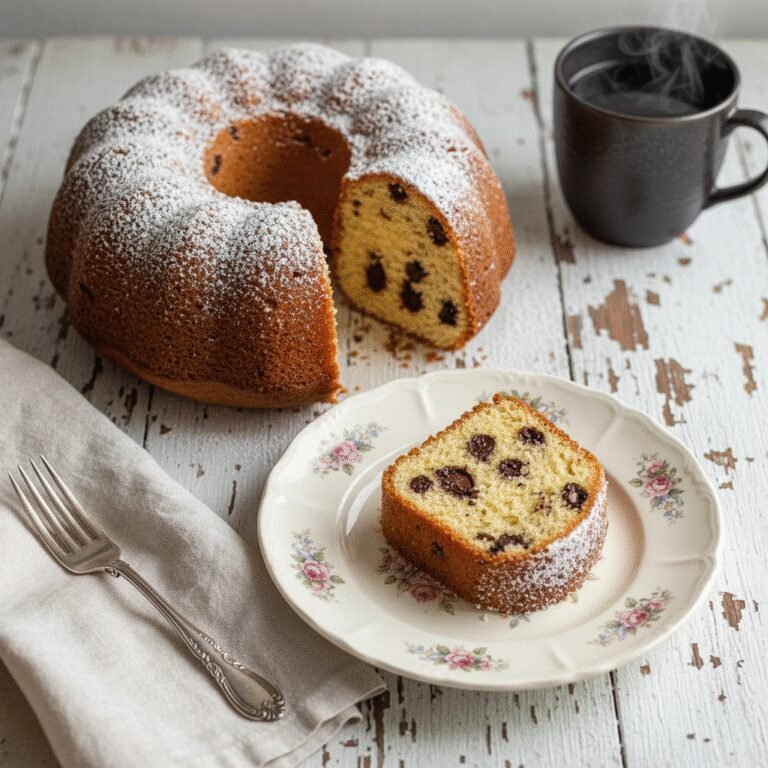
Can I add mix-ins like chocolate chips?
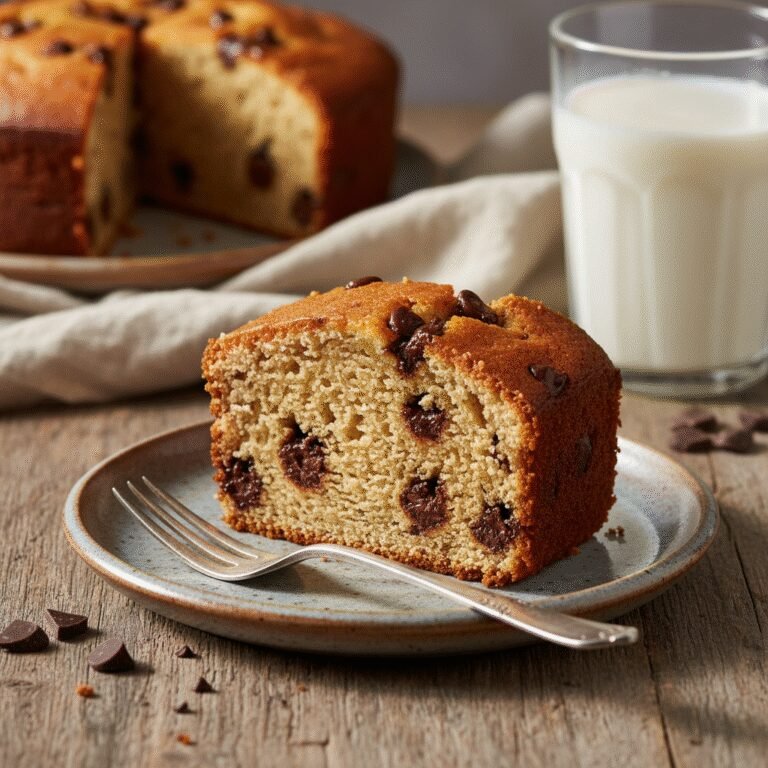
Yes, toss about 1 cup of chips or nuts in a tablespoon of flour before folding them in to prevent them from sinking to the bottom.
Is vanilla bean paste better than extract?
Vanilla bean paste provides a stronger flavor and beautiful visual specks of vanilla seeds, but high-quality vanilla extract works perfectly fine as well.
Conclusion
Mastering the art of the perfect vanilla pound cake is a rewarding experience that connects you to generations of bakers. This recipe offers a foolproof path to a moist, golden, and deeply flavorful loaf that is sure to impress. Whether you are a novice baker or a seasoned pro, the simplicity and elegance of this cake make it a must-try. Enjoy the process of creating something from scratch, and savor every buttery bite.